
Movie |
World War Ii | Opera
Disclaimer: All content and media belong to original content streaming platforms/owners like Netflix, Disney+ Hotstar, Amazon Prime Videos, JioCinema, SonyLIV etc. 91mobiles entertainment does not claim any rights to the content and only aggregate the content along with the service providers links.

1955
Best Music Scoring of a Musical Picture | 1955
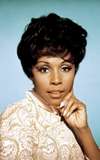
Best Actress in a Leading Role | 1955 | Dorothy
Best Written American Musical | 1955 | Harry
Budget 800,000 USD
Box Office Collection 9,800,000 USD
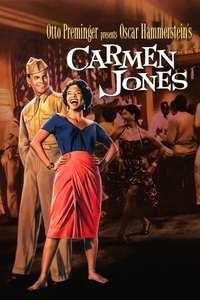
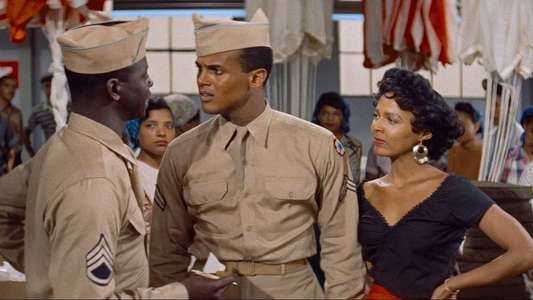
This film contains just 169 shots in 103 minutes of action. This equates to an average shot length of about 36 seconds, which is very high, given the 8 - 10 seconds standard of most Hollywood films made during the 1950s.
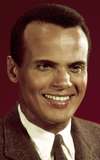
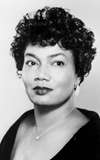
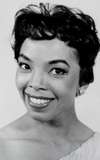
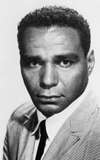
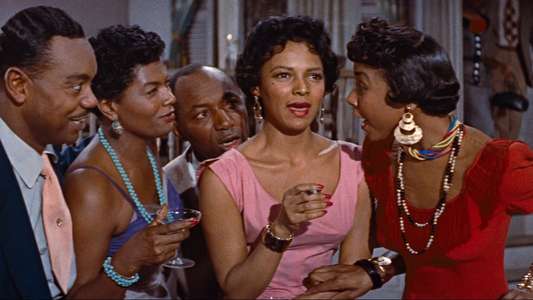
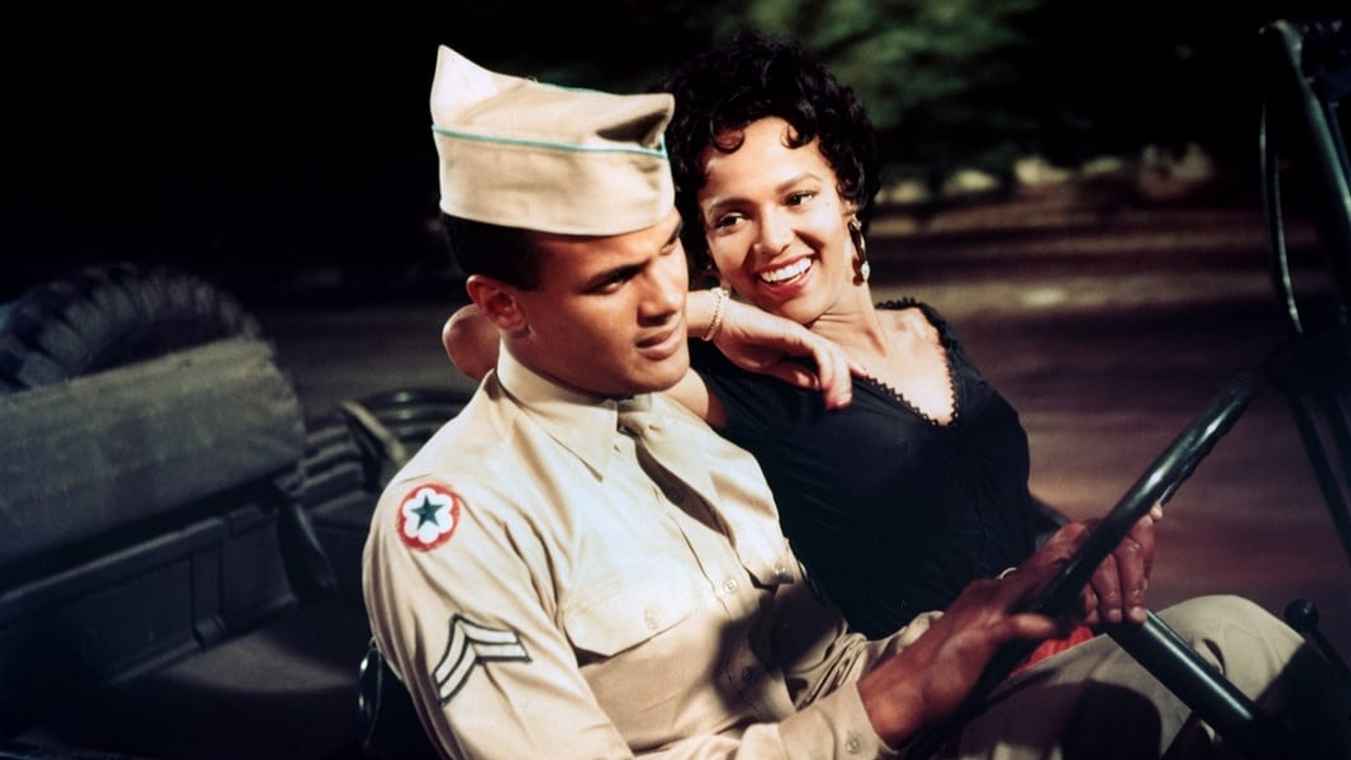
Eartha Kitt was offered the role of Carmen, but the studio wanted her singing voice to be dubbed, so that her character would have an operatic voice. The same offer was made to Harry Belafonte and Diahann Carroll who accepted, but Kitt refused, wanting to use her natural voice. Dubbing was not required for Pearl Bailey, whose own voice suited her comedic songs.
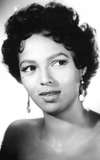
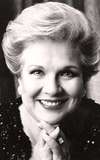
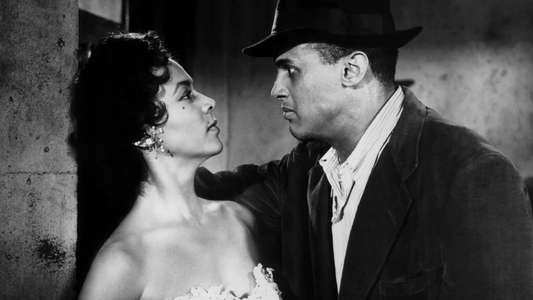
The singing voices of Harry Belafonte and Dorothy Dandridge were dubbed by LeVern Hutcherson (as Le Vern Hutcherson) and Marilyn Horne (as Marilynn Horne), respectively, even though Belafonte and Dandridge were both accomplished singers. However, neither had the training nor the range to sing operatic roles. Katherine E. Hilgenberg, a soloist with the Roger Wagner Chorale (morphed later into the Los Angeles Master Chorale), was originally signed to sing the Carmen role, and a number of the arias were already recorded (with piano, on a separate track), when director Otto Preminger's bullying behavior became too much for her and she quit. Horne ("Jackie") was a 19-year-old music student at nearby USC. She auditioned for the part and was immediately hired - for $300. But it was a terrific break for her, and she grabbed it, and did an outstanding job, re-recording what Hilgenberg had already sung, plus the balance of the music. It's also fun to note that Horne was a singer for Tops Records, a company that made sound-alike recordings of hit records with identical arrangements (in those days arrangements could not be copyrighted) and "stand-ins" who could mimic the artists who made the hit record. Jackie Horne, later to become a major 20th-century opera star, was funding her college expenses, in part, by recording Kay Starr's hits. Starr was famous for belting out her songs with a certain razzmatazz style, and Horne's rendition was a dead-ringer. The Tops Records offices, it should be noted, were within walking distance from the USC campus.
Although the original Broadway production had used a standard pit orchestra with Georges Bizet's orchestrations for the opera "Carmen" slightly altered by orchestrator Robert Russell Bennett, the film score was created by Herschel Burke Gilbert, the Music Director (a term he always insisted was the correct one, not "Musical Director), using a full symphony orchestra (ranging from about 90 to over 105 pieces), which enabled him to present the music with the sensibility of most of Bizet's original 1875 orchestrations as they were meant to be heard, although modified to fit the story line and transitions of the film. Because of Marilyn Horne's coming into the singing cast quite late in the production, and because of a number of unrelated delays, Gilbert had to leave the production shortly before it was completed, as he had a commitment for an original score of another film. Dimitri Tiomkin, a Fox Studio senior, as it were, stepped in to put together the last bits of recording and supervising the last music editing. Technically, especially given his seniority at Fox and his stature in the industry, he could have insisted his name be added to the credits. Graciously, he acknowledged Gilbert's responsibility for over 95% of the work and chose to not have himself officially credited. Given his much larger fame, his name in the credits would have overshadowed the younger, less known Gilbert's, and would have left the impression that Gilbert was more of an assistant, which was far from the case.
Leontyne Price was originally assigned to dub Dorothy Dandridge's singing voice, but fell ill and was replaced by Marilyn Horne (as Marilynn Horne).
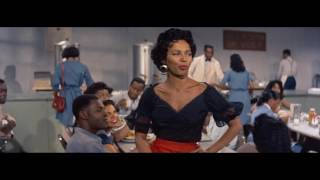
"Carmen Jones: I always did want to see the big town. Frankie: You got your wish, honey. Somethin' tells me Chicago's gonna be real good for you. Myrt: Somethin' tells me you gonna be real *bad* for Chicago."
"Carmen Jones: 'Scuse my dust, gentlemen. The air's gettin' mighty unconditioned 'round here."