
Movie |
Based On Novel Or Book | Child Murder
Disclaimer: All content and media belong to original content streaming platforms/owners like Netflix, Disney+ Hotstar, Amazon Prime Videos, JioCinema, SonyLIV etc. 91mobiles entertainment does not claim any rights to the content and only aggregate the content along with the service providers links.
1959 | Dean
Best Film from any Source | 1960 | Richard
Best Written American Drama | 1960
Top Drama | 1960
Outstanding Directorial Achievement in Motion Pictures | 1960 | Richard
Best Film | 1959 | Richard
Budget 1,345,000 USD
Box Office Collection 1,800,000 USD
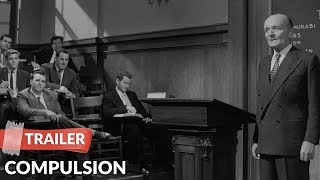
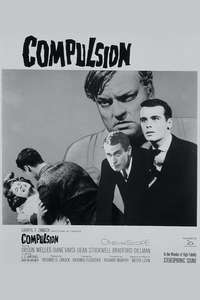
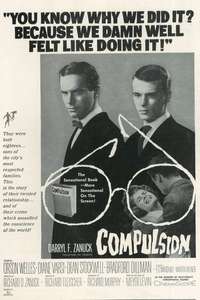
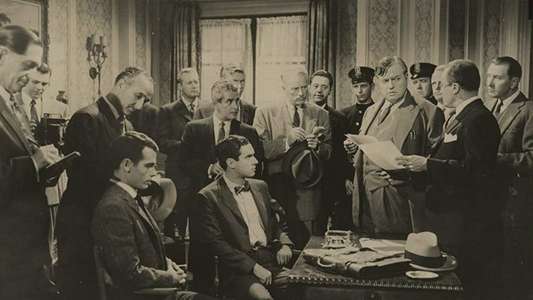
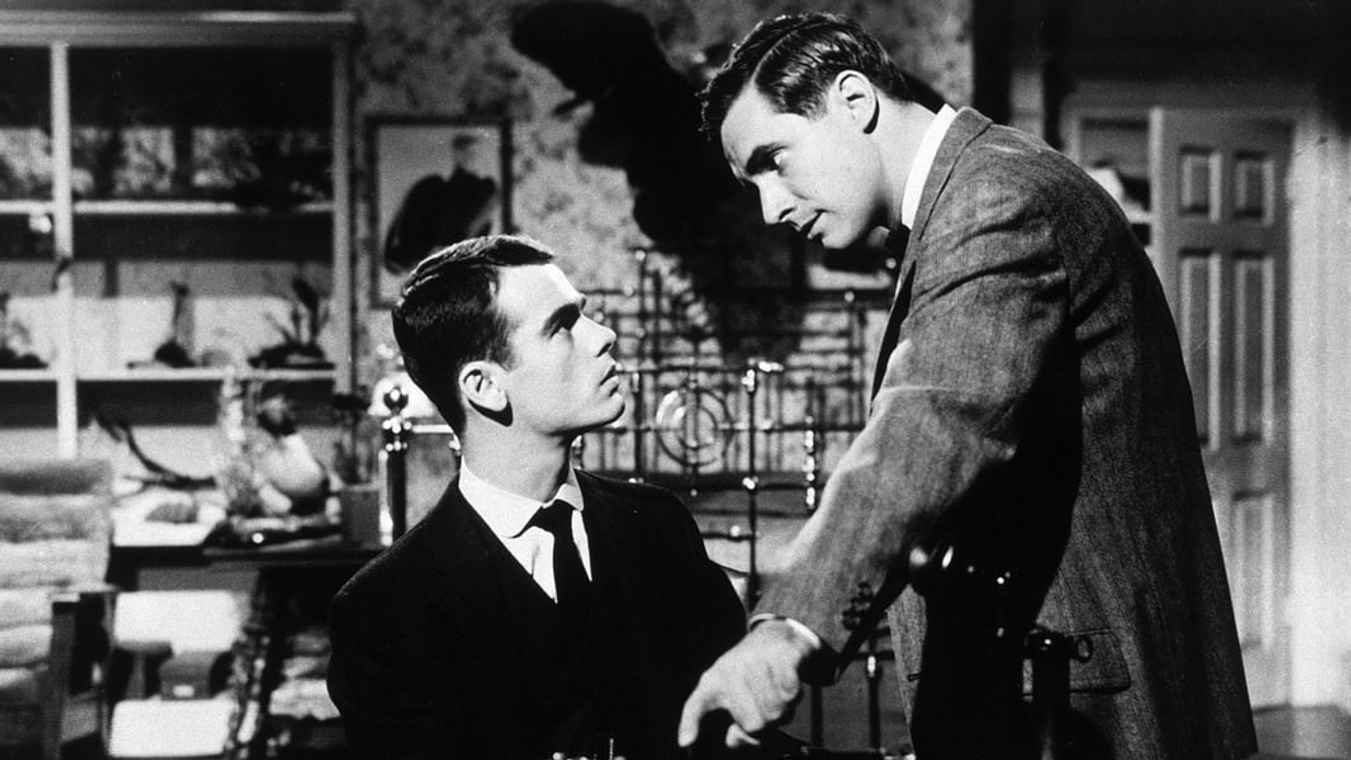
Although the story was a thinly-disguised recreation of the Nathan Leopold and Richard Loeb murder case, the legal department of 20th Century Fox was still concerned about a possible lawsuit from the still-living Leopold. A great effort was made not to mention Leopold or Loeb in the movie, press releases, and interviews. However, there was apparently poor communication with the advertising department, since when the movie came out, newspaper ads stated, "based on the famous Leopold and Loeb murder case." Leopold sued the filmmakers. He did not claim libel, slander, nor anything false nor defamatory about the film. Instead, he claimed an invasion of privacy. The court rejected his claim, in part, because Leopold had already published his own autobiography "Life Plus 99 Years," publicizing essentially the same facts.
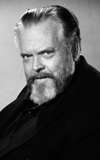
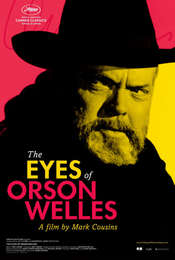
Because Orson Welles was having tax problems during the production, his entire salary for the movie was garnished several hours after principal photography was completed. This upset Welles so much that during the subsequent looping session to rerecord improperly recorded dialogue, Welles suddenly stormed off the studio and left the country. All that was left to fix was twenty seconds of unclear dialogue in Welles' climatic courtroom speech, but editor William Reynolds managed to fix this problem without Welles. Reynolds took words and pieces of words that Welles had spoken earlier in the movie, and pieced them one by one into those last twenty seconds.
This is the second of four Hollywood film adaptations of the Leopold-Loeb murder case. The others being Rope (1948), Swoon (1992), and Murder by Numbers (2002).
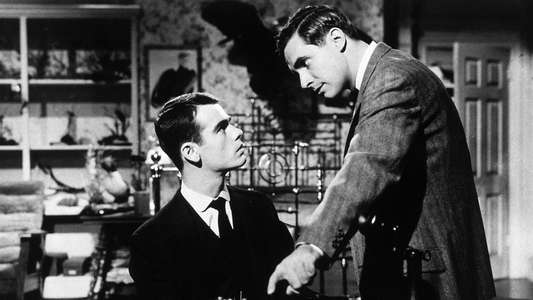
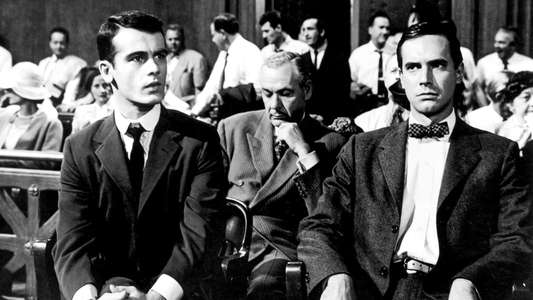
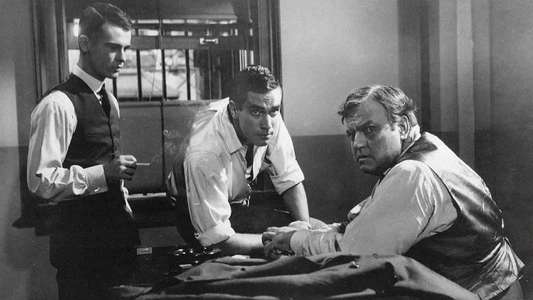
Orson Welles, Dean Stockwell, and Bradford Dillman were given a special three-way acting award at the 1960 Cannes Film Festival.
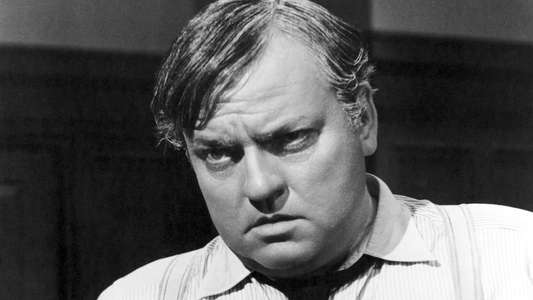
Although he is top billed, Orson Welles (Jonathan Wilk) does not appear until one hour and five minutes into the film.
"Jonathan Wilk: If there is any way of destroying hatred and all that goes with it, it's not through evil and hatred and cruelty, but through charity, love, understanding."
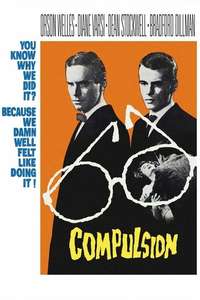
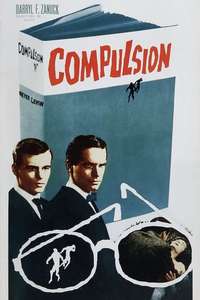
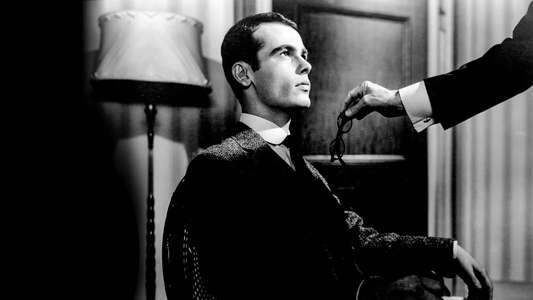
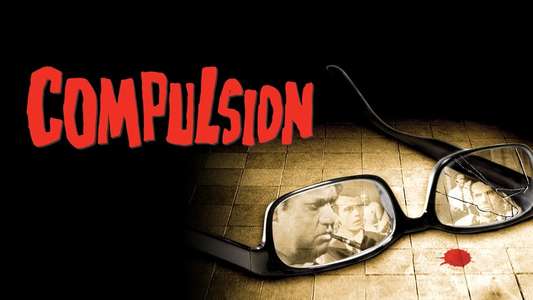
"[last lines] Jonathan Wilk: In those years to come, you might find yourself asking if it wasn't the hand of god dropped these glasses... And if he didn't, who did?"