
Movie |
Lgbt
Disclaimer: All content and media belong to original content streaming platforms/owners like Netflix, Disney+ Hotstar, Amazon Prime Videos, JioCinema, SonyLIV etc. 91mobiles entertainment does not claim any rights to the content and only aggregate the content along with the service providers links.
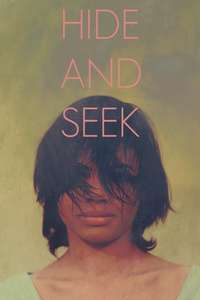
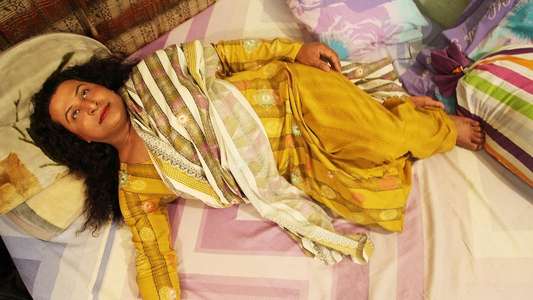
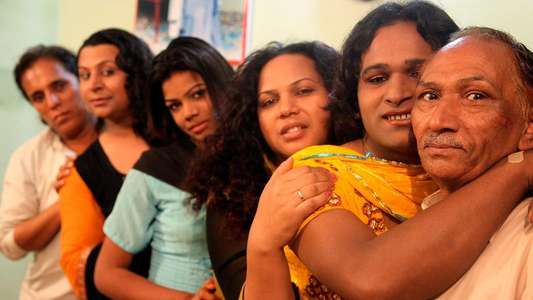
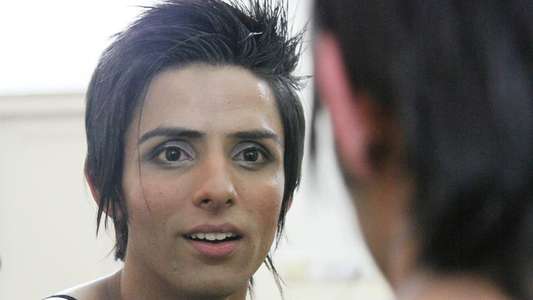
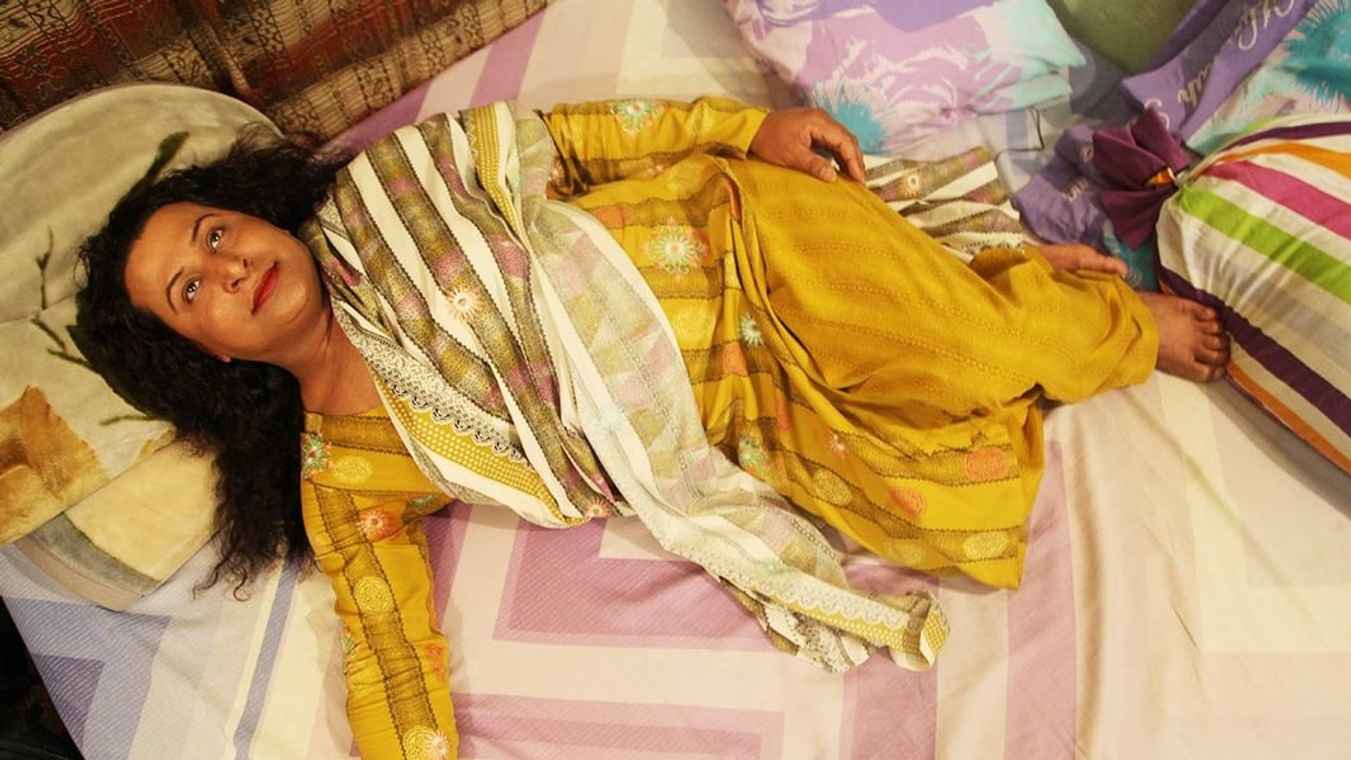
Since there are no LGBT rights in Pakistan, there is no such thing as an official LGBT community. The sizable transgender community, frequently referred to as "Hijras," is the only sexual minority community that is largely tolerated. The story revolves around four characters and their internal struggles, also the ongoing game of "hide and seek" with the general populace in Pakistan's urban centers. Jenny, a transsexual college student who recently underwent castration, is the person we follow in this bold movie. Waseem, an effeminate wedding performer and seasoned dancing boy, Kami, a fearless cross-dressing gay dancer who lives openly with his boyfriend, and Neeli, who was instrumental in the Supreme Court of Pakistan's decision to modify the Constitution to support the "third gender," all live in the same house. The film has several interesting and engaging elements and it supports a very bold narrative that needs to be highlighted. The film should be watched by all.
Best Documentary Feature | 2013
Premiered in over 45 International film festivals including screenings in Brazil, Turin, London, Seattle, Madrid, Copenhagen, Hamburg, Melbourne, Lisbon, Mumbai, Toronto, Berlin, Johannesburg, San Francisco, Boston, Ankara, Tel Aviv, Casablanca, Shanghai, Warsaw and Bankok.
In order to show the film in Pakistan the filmmakers founded their own film festival on gender and sexual minorities called Aks Festival+Dialogue. The festival showcases feminist, queer and political documentaries and fiction films once a year in Islamabad, Lahore and Karachi to an trans and queer Pakistani audience.
The first ever documentary showing gay lives in Pakistan.
Neeli Rana, featured in Hide and Seek, is a trans activist whose efforts lead to enactment of Third Gender Law in Pakistan. The law allows National Database and Registration Authority to issue national identity cards to members of the trans community showing their distinct gender.
It was shot over three weekends on location in Lahore and Rawalpindi, Pakistan.