
Movie |
Radio | Airplane
Disclaimer: All content and media belong to original content streaming platforms/owners like Netflix, Disney+ Hotstar, Amazon Prime Videos, JioCinema, SonyLIV etc. 91mobiles entertainment does not claim any rights to the content and only aggregate the content along with the service providers links.




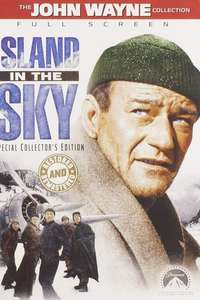
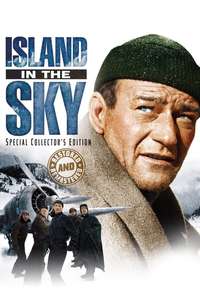
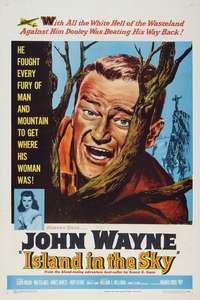
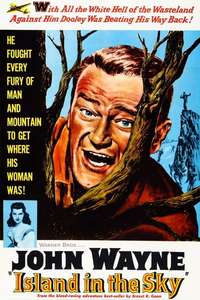
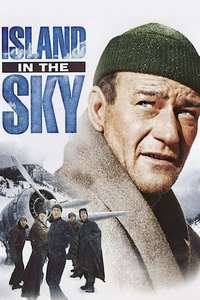
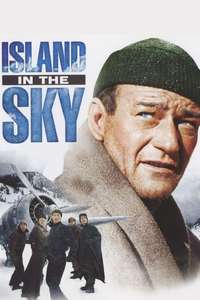
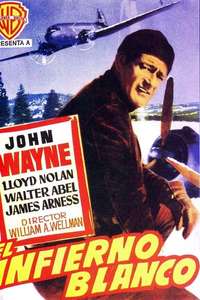
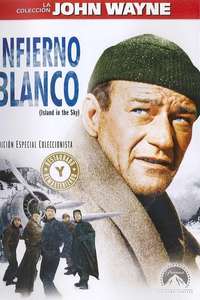
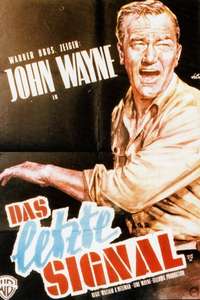
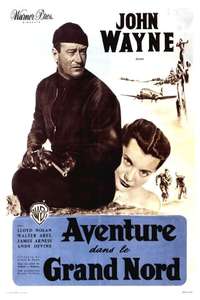
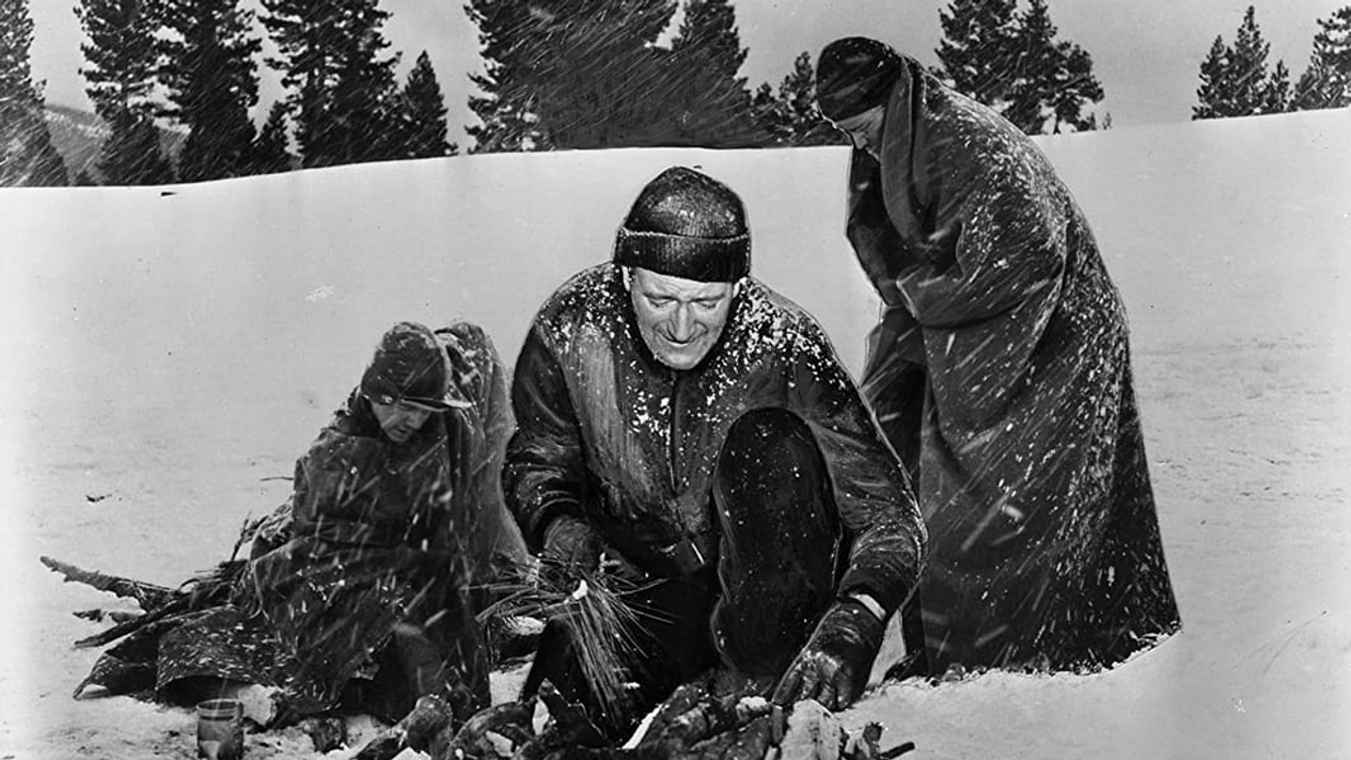
The general plot is based on a true story that Ernest Gann related in his 1961 autobiographical book about his flying career, "Fate is the Hunter". He and other pilots searched successfully for a lost fellow pilot in the wilds of northern Canada during World War II.
This was one of just three films released theatrically in "WarnerPhonic" sound, an early four-channel surround sound system. Unfortunately, only the mono version of the soundtrack has survived.
The transport plane that was lost was a C47/DC3.
The little yellow radio shown in the movie was a actual radio. Its design was based on a World War II German emergency transmitter. It is a BC-778/SCR-578/AN-CRT3 emergency transmitter (it could not receive) affectionately called "Gibson Girl", a name taken from the narrow-waisted female drawings of 1890s fashion artist Charles Gibson. Its shape allowed the operator to hold it between the legs while cranking it the necessary eighty RPM to produce enough electricity to operate. It could be set to automatically send an S.O.S. signal, or switched to send Morse Code signals. Early models transmitted only on 500kHz, later models also could transmit on 8,280kHz (later modified to 8,364kHz). It was notorious for being tough to crank.
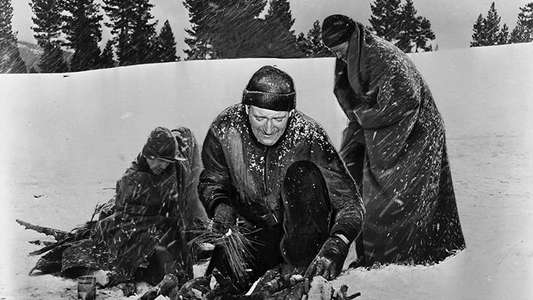
The true story behind "Island in the Sky" was repeated by Ernest K. Gann in his 1961 book "Fate is the Hunter." It is covered in Chapters XI and XII. The movie generally follows the narrative written in the two chapters, except Dooley (John Wayne) was O'Conner in the book. All the other character names were different too. Even the airplanes involved were different, except for C-47s, which constituted part of the search force. O'Conner's plane was a Consolidated C-87, the 4-engine transport version of the famous B-24 Liberator. In addition to his flight crew, O'Conner was carrying 17 sick or injured men from Greenland. After O'Conner landed in the frozen wilderness, a search party C-47 that was in the group that discovered them, attempted to land near O'Conner's C-87, but ended up getting buried in deep snow and adding a few more mouths to feed. O'Conner and his crew and the crew of the downed C-47 were eventually rescued after a three-week ordeal in frigid termperatures, although the book is unclear as to how they were evacuated. Gann reported that everyone in the C-87 and C-47 were saved. Eventually, a team returned to the site of the downed C-87, assembled a small bulldozer that was flown out in pieces, fashioned an adequate airstrip, and flew the C-87 out. Gann did not mention what happened to the C-47.
"Capt. Dooley: [to navigator Murray] You're a lousy guy to sleep with."
"Capt. Dooley: I'll shoot the first one of ya to leave camp. I'll aim for your legs. I may miss and hit ya in the back of the head. Either way serves ya right."