

Movie |
Biography | Road Trip
Disclaimer: All content and media belong to original content streaming platforms/owners like Netflix, Disney+ Hotstar, Amazon Prime Videos, JioCinema, SonyLIV etc. 91mobiles entertainment does not claim any rights to the content and only aggregate the content along with the service providers links.
Knight Dox Competition | 2011 | Alison
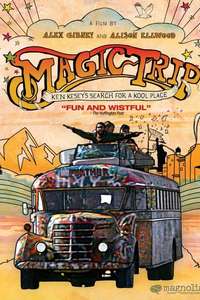
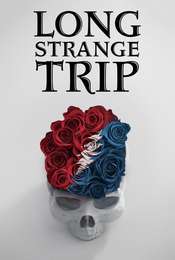
Martin Scorsese's film foundation helped fund the repair of the damaged Kesey footage by technicians from UCLA, who labored for over a year. Synching up the film to its separate snippets of audio track proved so daunting that director Alison Ellwood resorted to hiring a lip reader to determine what words people were mouthing.
Ken Kesey's original crew of self-proclaimed "Merry Pranksters" shot about 40 hours of 16-mm film in an unfinished project. Reportedly, Kesey several times showed all 40 hours - unedited - before he stored the film cans in Eugene, Oregon. They were rusting away until saved by the documentary directors, who first discovered they existed in 2004.
Ken Kesey is credited for coining the phrase "Do your own thing," and in this film, the Pranksters are shown to be 'inventing' the process of tie-dyeing.
Merry Prankster Neal Cassady was the real-life model for character Dean Moriarty in Jack Kerouac's 'On the Road' novel.
The ventriloquist dummy owned and used by Ken Kesey (and which appears briefly in the film) was restored and refurbished by Alan Semok (aka "The Dummy Doctor") over a period of several months. The puppet, which was in very bad condition, also was missing it's original body and a new one was made in the pattern of the original. Following the restoration, Semok also served as puppeteer for the dummy in a brief segment of the film in which the dummy appears, speaking Kesey's words.
"Ken Kesey: On the way back, I was driving across country in a big old nice station wagon with a couple of my buddies, nibbling on cactus. As we were driving along, Kennedy began to be killed. [news reports stream in] Ken Kesey: Everywhere you went, you looked in people's eyes and they all felt the same thing. It wasn't just sadness, it was a loss of an innocence; the loss of the idea that; always the good is going to prevail. There's no way to even nearly depict the pain and the feeling of crisis. The thing that all of us sort of feel when it's real dark."
"Ken Kesey: What it meant, was that everybody had to consider a new way for things to be. Don't you know that we're all one? The deeper I got into it, the more I realized it was a different force working. The only big mistake we made, as a force, was thinking for a while that we were going to win. We developed vested interests in the victory to come. We begin to parcel off into little groups, whether it's feminism or politics. For money, religion, whatever it is; everybody is jumping up and down in front of it. Until nobody can see it clear anymore. There's something about what we're doing; is that we're meant to lose, every time. You make these forays, you write these books and you perform this music; but the big juggernaut of civilization continues, and you get kind of brushed to the side. But, I think all through history there's been these kind of divine losers that just take a deep breath and go ahead, knowing that society's not going to understand it. Not even caring, 'cause they're having a good time."