
Movie |
Scotland | Queen
Disclaimer: All content and media belong to original content streaming platforms/owners like Netflix, Disney+ Hotstar, Amazon Prime Videos, JioCinema, SonyLIV etc. 91mobiles entertainment does not claim any rights to the content and only aggregate the content along with the service providers links.

1972 | Glenda
Best Actress | 1974 | Glenda
Best Art DirectionSet Decoration | 1972
Best Music Original Dramatic Score | 1972 | John
Best Sound | 1972
Best Actress in a Leading Role | 1972 | Vanessa
Best Costume Design | 1972
Best Actress in a Motion Picture Drama | 1972 | Glenda
Best Motion Picture Drama | 1972
Best Original Score Motion Picture | 1972 | John
Best Screenplay Motion Picture | 1972 | John
Best Archival Release | 2023 | Jon
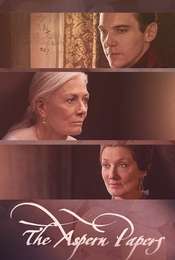
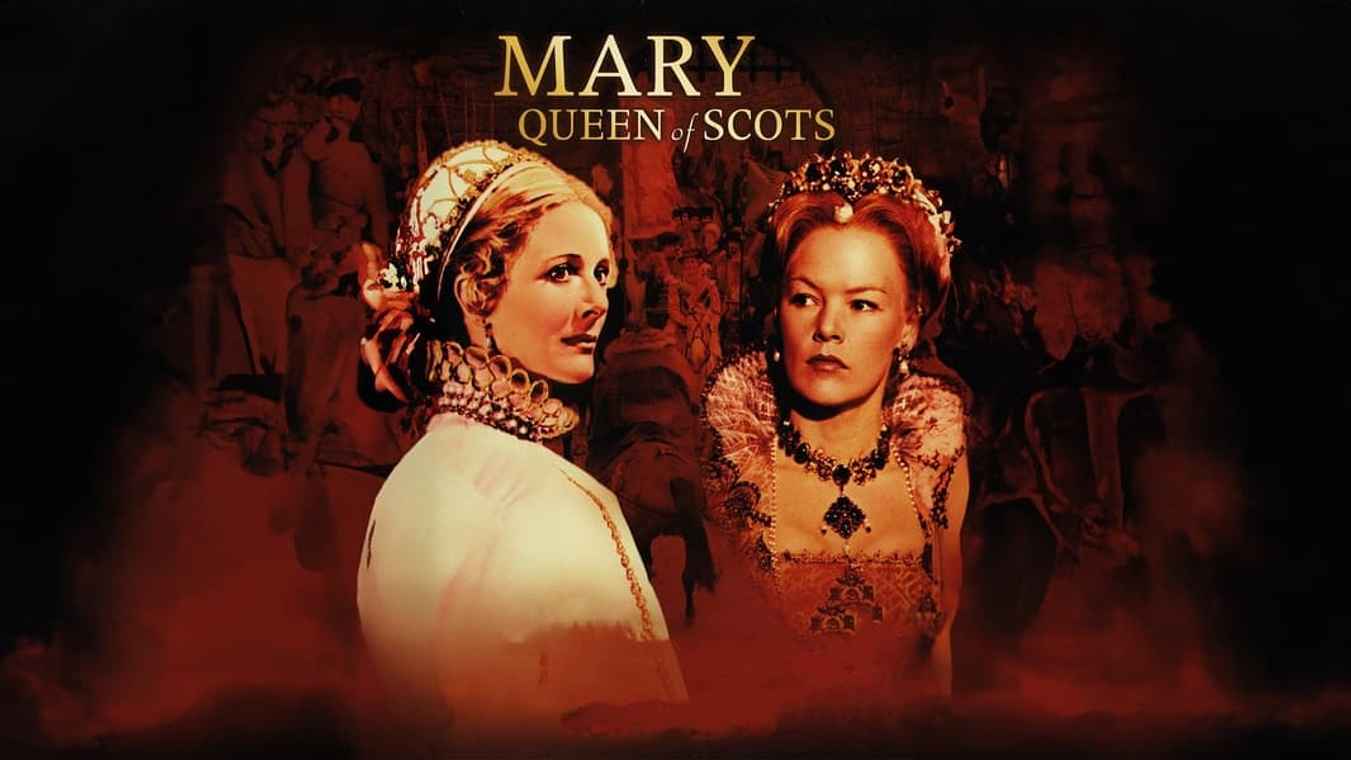
Vanessa Redgrave was originally cast as Queen Elizabeth but was replaced by Glenda Jackson. She was later re-cast as the title character. Redgrave later played Queen Elizabeth in Anonymous (2011).
It took all day to set up the hunting scene, with Glenda Jackson in costume the entire time, as dog handlers and hawk handlers rehearsed their cues. The cameras finally rolled late in the afternoon, with the light beginning to fade and drizzle falling. The shot was perfect; everyone moved on cue. Unfortunately, one dog handler in a bright green shiny plastic raincoat released her hound, but forgot to stop where she was. She ran into the shot, ruining the take and wasting the entire day's shooting.
The film was released the same year as the mini-series Elizabeth R (1971), in which Glenda Jackson played Queen Elizabeth I. In that production, Vanessa Redgrave's mother Rachel Kempson played Kat Ashley, Queen Elizabeth's governess during her childhood and the Lady of the Bedchamber during the early part of her reign.
Jane Fonda, Mia Farrow, and Sophia Loren were the first choices to play Mary. Vanessa Redgrave was the fourth choice. Dame Maggie Smith was in talks, but plans fell through.
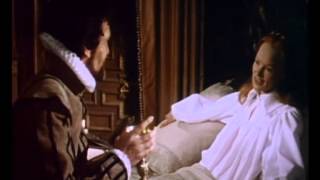
In the scene introducing Elizabeth and Robert Dudley, he is singing a song he says was composed by Henry VIII for her mother, Anne Boleyn. When Elizabeth asks how her mother liked it, Dudley says that Anne replied by asking Henry how his wife (Catherine of Aragon) liked it. In Anne of the Thousand Days (1969), which was also directed by Charles Jarrott, this same song is performed at a banquet by Henry VIII (Richard Burton), who asks Anne Boelyn (Geneviève Bujold) how she likes the song. Anne replies "How does your wife like it?"
"[last lines] Executioner: Forgive me, madam. Mary, Queen of Scots: I forgive you with all my heart. I thank you even. I hope this death shall put an end to all my troubles. For in my end is my beginning. [pause] Mary, Queen of Scots: Lord, into your hands I commend my spirit."
"William Cecil: But with Dudley comes the future crown of England. No true monarch will turn her back on that, not even Mary of Scotland. Queen Elizabeth: That monarch is first a woman. William Cecil: You would never ignore such an offer for a pretty fellow. Queen Elizabeth: This woman is first a monarch."