

Show
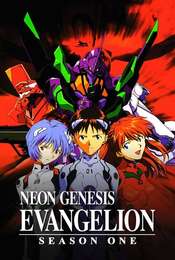
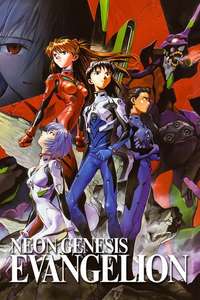
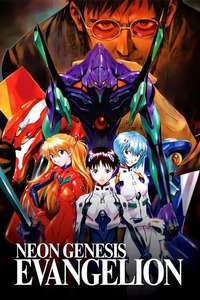
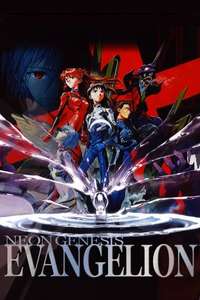
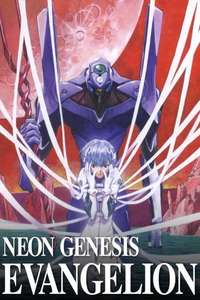
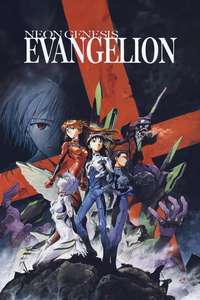
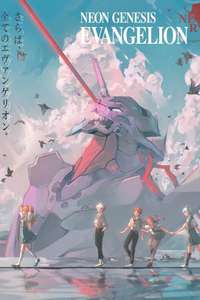
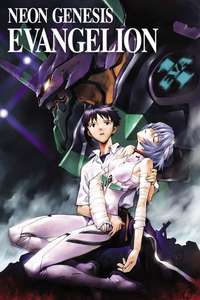
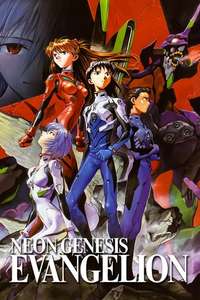
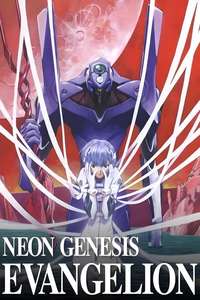
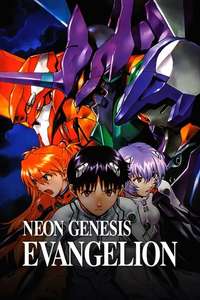
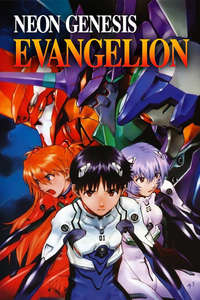
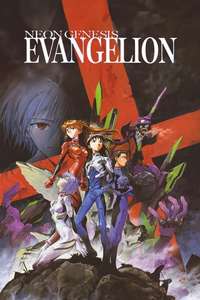
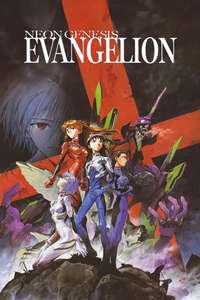
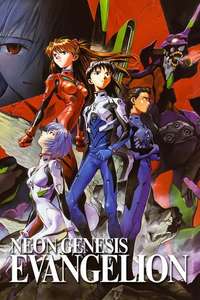
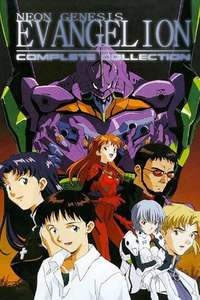
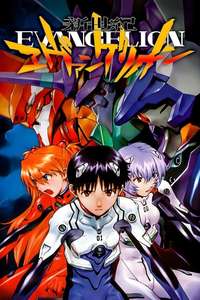
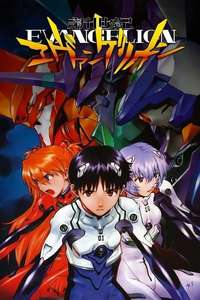
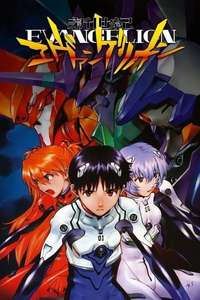
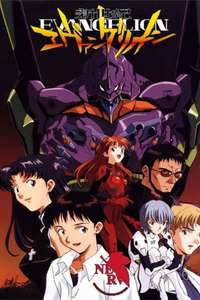
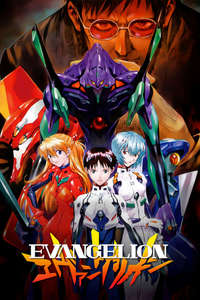
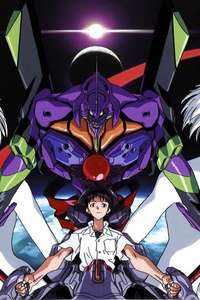
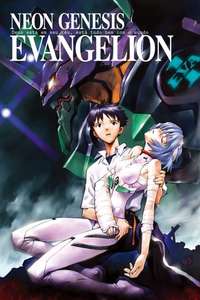
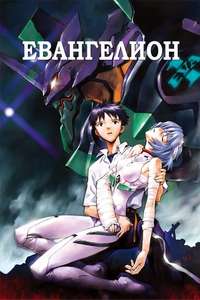
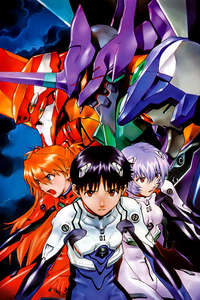
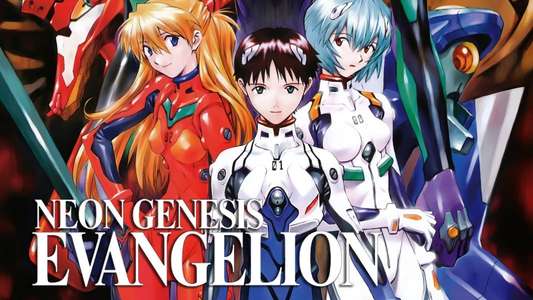
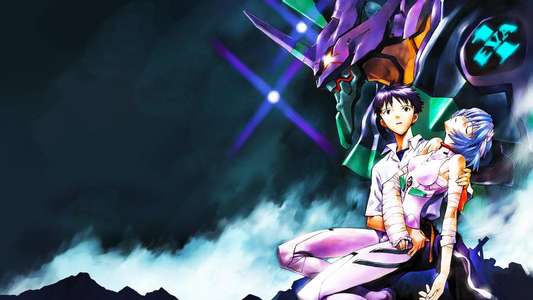
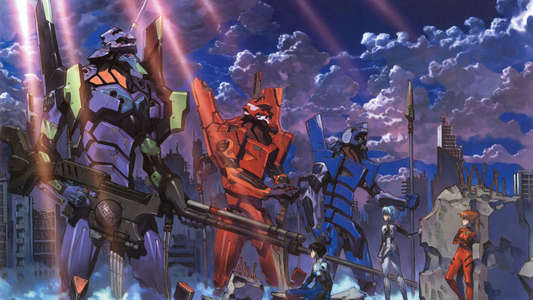
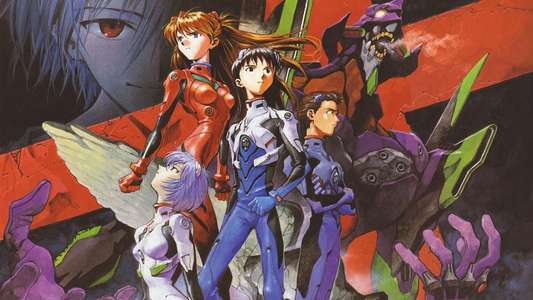
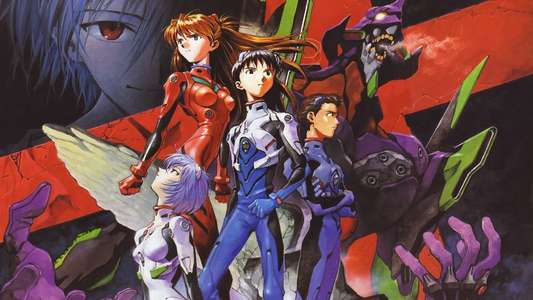
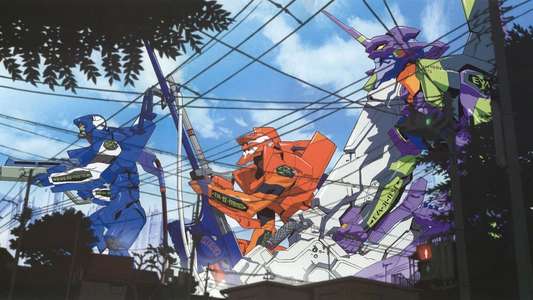
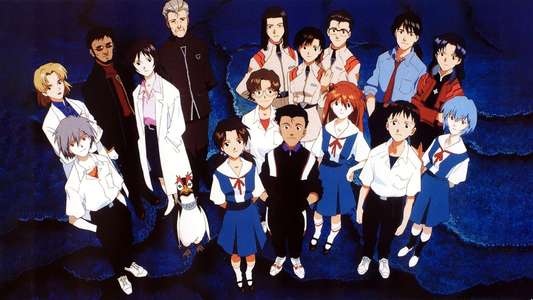
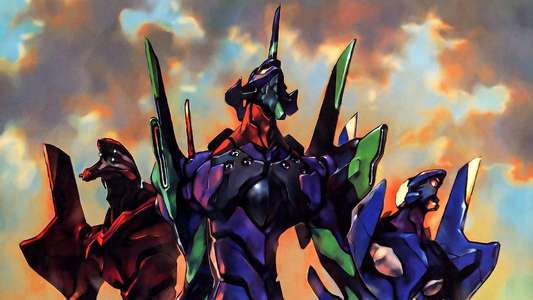
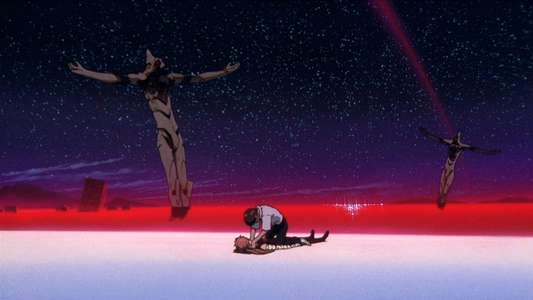
At the turn of the century, the Angels returned to Earth, seeking to wipe out humanity in an apocalyptic fury. Devastated, mankind's last remnants moved underground to wait for the day when the Angels would come back to finish the job. Fifteen years later, that day has come... but this time, humanity is ready to fight back with terrifying bio-mechanical weapons known as the Evangelions. Watch as Shinji, Rei, Asuka and the rest of the mysterious shadow agency Nerv battle to save earth from total annihilation.
Disclaimer: All content and media belong to original content streaming platforms/owners like Netflix, Disney+ Hotstar, Amazon Prime Videos, JioCinema, SonyLIV etc. 91mobiles entertainment does not claim any rights to the content and only aggregate the content along with the service providers links.










At the turn of the century, the Angels returned to Earth, seeking to wipe out humanity in an apocalyptic fury. Devastated, mankind's last remnants moved underground to wait for the day when the Angels would come back to finish the job. Fifteen years later, that day has come... but this time, humanity is ready to fight back with terrifying bio-mechanical weapons known as the Evangelions. Watch as Shinji, Rei, Asuka and the rest of the mysterious shadow agency Nerv battle to save earth from total annihilation.
The 2019 re-release on Netflix omits the ending theme, "Fly Me to the Moon" due to rights issues and replaces it with a piano theme from the series' original soundtrack. However, it's still present on the Japanese Netflix release. The replacement (among other changes) was widely criticized by western fans.
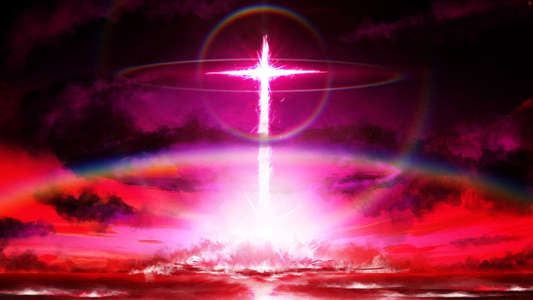
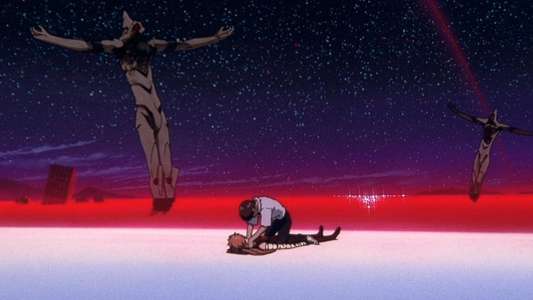
The series is heavy with religious symbols and motifs leading to a lot of speculation of the supposed meaning. However, assistant director Kazuya Tsurumaki claimed the religious symbols were chosen simply because they looked interesting, while creator and director Hideaki Anno never commented on the matter. Instead, when asked about the show, Anno has stated, "Evangelion is like a puzzle. Any person can see it and give his/her own answer. In other words, we're offering viewers to think by themselves, so that each person can imagine his/her own world. We will never offer the answers, even in the theatrical version. As for many Evangelion viewers, they may expect us to provide the 'all-about Eva' manuals, but there is no such thing. Don't expect to get answers by someone. Don't expect to be catered to all the time. We all have to find our own answers."
The popularity of Evangelion in Japan alone has made it one of the highest-grossing media franchises in the world. With profits of up to $16.6 billion, it's comparable to franchise like The Simpsons, James Bond, Power Rangers, and Sailor Moon.
In the original Japanese, the Angels are referred to as "shito", which can be translated as "disciple" or "apostle". The actual Japanese word is "tenshi". Occasionally, English text would be used in the series, and the Angels were referred to as angels in print. The reason "angel" was used was that this was Anno's preferred translation. On the same note, the Human Instrumentality Project is referred to as Jinrui Hokan Keikaku in the original Japanese which would translate to something like the Human Completion Project. Anno asked for the official translation to be Instrumentality as a homage to sci-fi author Cordwainer Smith.
The three MAGI Supercomputers, Melchior, Balthasar and Casper (Gaspar) are the names of the three wise men (also known as "magi") who, according to the Gospel of St. Matthew 2:1-12, followed the guiding star to Bethlehem in order to give praise and bestow gifts to the newborn Christ.