
Movie |
Army | Battlefield
Disclaimer: All content and media belong to original content streaming platforms/owners like Netflix, Disney+ Hotstar, Amazon Prime Videos, JioCinema, SonyLIV etc. 91mobiles entertainment does not claim any rights to the content and only aggregate the content along with the service providers links.



Outstanding Director of a Feature Film | 2000 | Lance
2000
Peace | 2000
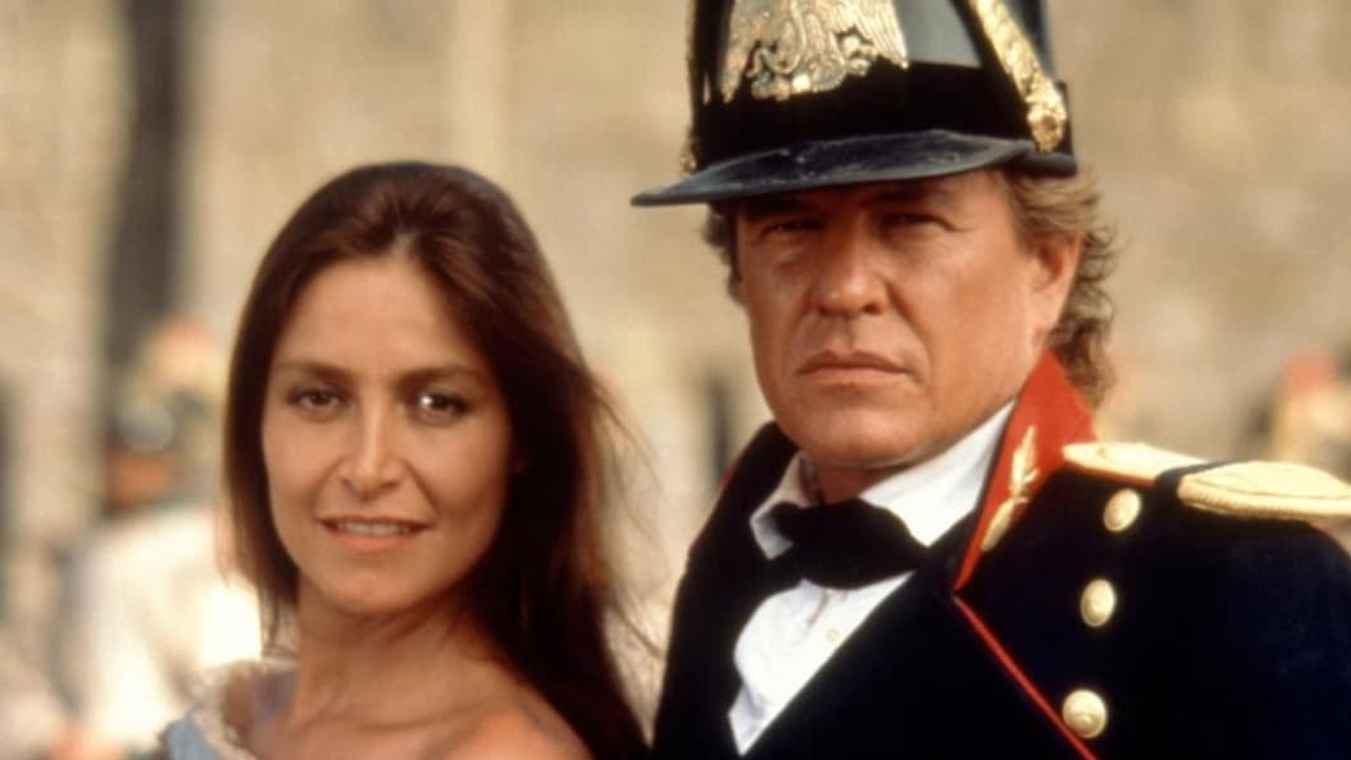
In John Riley's first scene as a San Patricio, he asks their names to other Irish soldiers. When he asks his name to James Kelly, Riley asks him if he has any experience, and Kelly answers that he has been in His Majesty Royal Artillery. Riley replies with, "Good experience, but there is no royalty here", to what Kelly answers, "Yes, sir". Kelly is played by Prince Albert of Monaco, a member of the Royal family of Monaco.
This was the last film ever released by Orion Pictures.
John Riley was born Sean O'Raghailligh in Clifden Co. Galway c.1817/18 an Irish artilleryman of the British Army who arrived in Canada in 1843. Whether he was still in service of the British Army at the time of his arrival in North America is unclear, but either way, it is likely that he deserted, as the British Army's term of service for enlisted men at the time was life. In September 1845, he joined the 5th U.S. Infantry Regiment in Michigan, from which he and others deserted in Matamoros in 1846, receiving the rank of Lieutenant in the Mexican Army. After his conviction and branding, he rejoined Mexican forces, growing his hair to conceal his scar, and retired from service in Veracruz on medical grounds (suffering from yellow fever), with the rank of Major and retirement pay of eight hundred dollars in 1850. John Patrick Riley then disappears from history.
Annually, the town of Clifden, Connemara, Ireland flies the Mexican flag, in honor of John Riley, born in the town, and the men of the San Patricio's Battalion.
The San Patricio's Battalion is shown containing predominantly Irish members, with a German and Pole. The real San Patricio's also contained Catholics from Canada, England, Scotland, Italy, Switzerland, Spain, and France, along with Mexicans, escaped slaves from the southern U.S., and a few disenfranchised Americans. It was though, as the name suggests, still predominantly Irish.