
Movie |
Adultery | Sexuality
Disclaimer: All content and media belong to original content streaming platforms/owners like Netflix, Disney+ Hotstar, Amazon Prime Videos, JioCinema, SonyLIV etc. 91mobiles entertainment does not claim any rights to the content and only aggregate the content along with the service providers links.




Best Supporting Actor | 1968 | Brian
Best Film | 1967 | John
Budget 4,500,000 USD
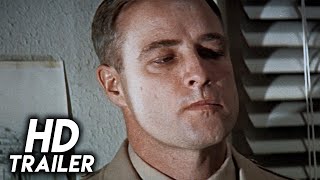
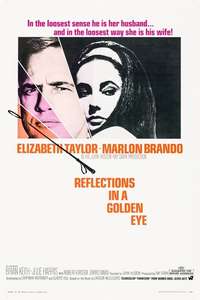
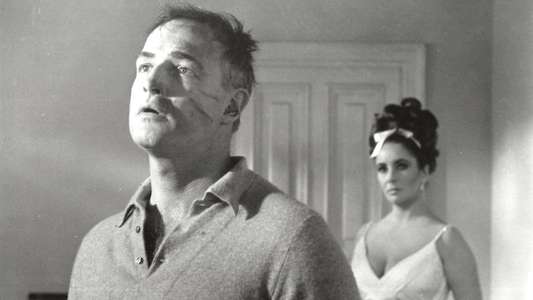
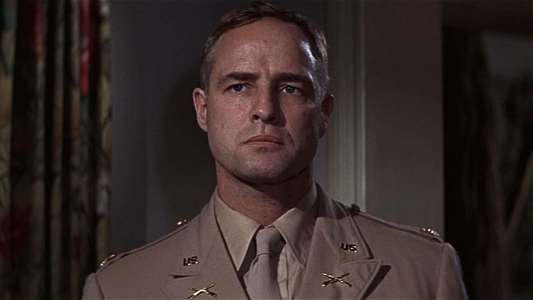
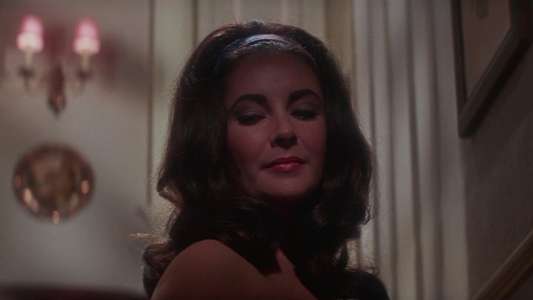
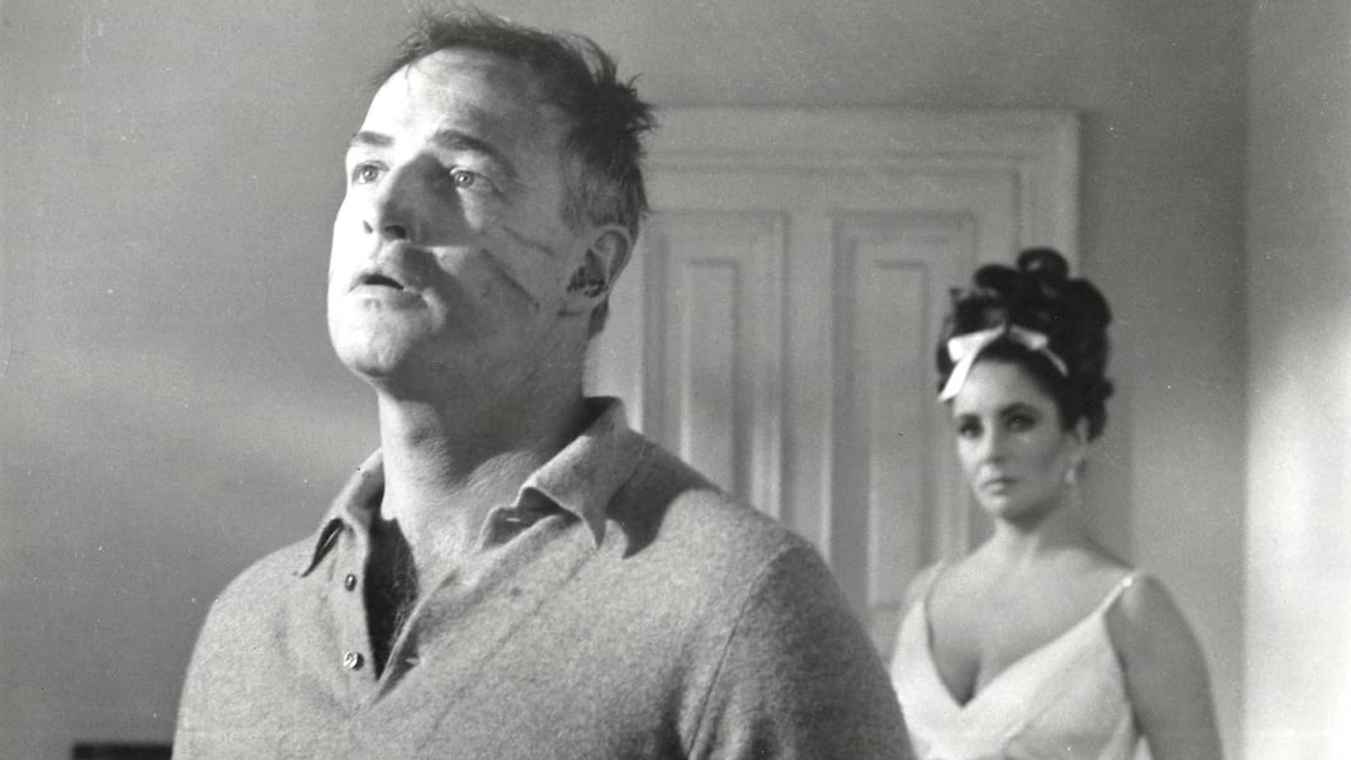
In the scene where Major Weldon Penderton gives a lecture on leadership, a subject for which he is ill-suited, Marlon Brando asked producer and director John Huston for another take after delivering what Huston considered to be a superb performance. In the second take, Brando delivered a different line reading that was equally brilliant. When it came time to cut this movie, Huston was baffled over which of the takes to use, as each was superb and relevant to the character.
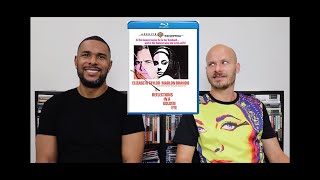
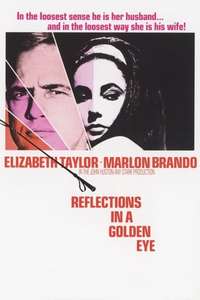
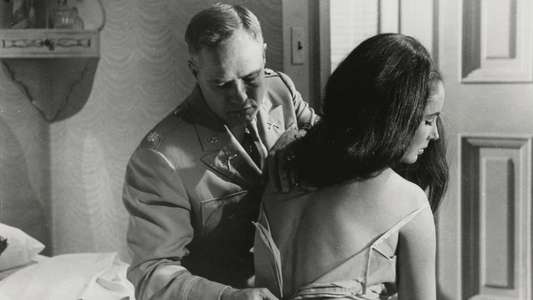
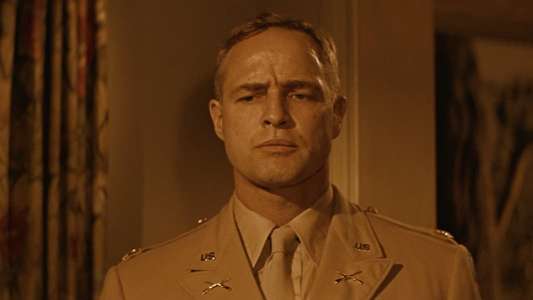
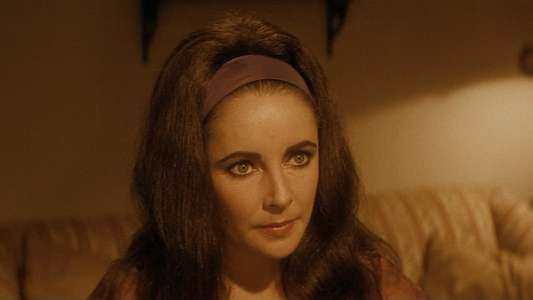
Originally released in a version in which all scenes were suffused with the color gold and one object in each scene (such as a rose) appeared normally colored. This was done in reference to the houseboy's statement regarding the golden peacock in a drawing that he shows to Alison: he states that the world is just a reflection in the eye of the golden peacock. However, that version puzzled audiences so it was withdrawn and a normal color version released. The DVD issued in 2020 by Warner Archive includes both versions.
The role of Major Penderton was physically demanding. Thus, the insurance company underwriting the production required proof that Montgomery Clift - the original choice for the role - was fit enough for the role after his years of illness. Clift's long-time friend Dame Elizabeth Taylor committed her large salary as insurance in order to secure Clift for the role. However, Clift subsequently died of a heart attack before filming began, and the role went to Marlon Brando.
John Huston wanted Carson McCullers, the author of "Reflections in a Golden Eye", to write the screenplay for the movie version, but she was too ill.
In the Turner Classic Movies documentary on Marlon Brando, Martin Scorsese talks about the scene in which Brando stands in front of a mirror talking to himself as he inspects his dress uniform. He says that it inspired the infamous "Are you talkin' to me?" moment with Robert De Niro for Taxi Driver (1976).
"Maj. Weldon Penderton: I'm sorry, Leonora. It's just all this clutter is... Leonora: What's the matter with clutter? I like it. Maj. Weldon Penderton: I'd rather live without it. Bare floors. Plain white walls. No window curtains. Nothing but essentials. Leonora: If that's the way you feel about it, why don't you resign your commission and start all over again as an enlisted man? Maj. Weldon Penderton: Of course you're laughing at it, but there's much to be said for the life of men among men... with no... luxuries, no ornamentation. Utter simplicity. It's rough and it's coarse, perhaps, but it's also clean - it's clean as a rifle. There's no speck of dust inside or out... and it's immaculate in its hard young fitness... its chivalry. They're seldom out of one another's sight. They eat, and they train, and they shower, and they play jokes... and go to the brothel together. They sleep side by side. The barracks room offers many a lesson in courtesy and how not to give offense. They guard the next man's privacy as though it was their own. And the friendships, my lord. There are friendships formed that are stronger than... stronger than the fear of death. And - they're never lonely. They're never lonely. And sometimes I envy them... well, good night."
"[about Lt. Colonel Langdon's wife] Leonora: Cutting off her nipples with a pair of garden shears. You call that normal? My God! Garden shears! Lt. Col. Morris Langdon: No, but she's not, you know - Doctor says she's neurotic."