
Movie |
Economics | Capitalism
Disclaimer: All content and media belong to original content streaming platforms/owners like Netflix, Disney+ Hotstar, Amazon Prime Videos, JioCinema, SonyLIV etc. 91mobiles entertainment does not claim any rights to the content and only aggregate the content along with the service providers links.
1990 | Michael
The Influentials | 2015 | Michael
Best Documentary | 2010 | Michael
Expos | 1991
Best Edited Documentary | 1990
1990 | Michael
Best Documentary | 1990
Best Documentary | 1989
Best DocumentaryNonFiction Film | 1989 | Michael
Best Documentary | 1989
Best Documentary | 1989
1989 | Michael
1989 | Michael
Budget 160,000 USD
Box Office Collection 6,706,368 USD
Moore was collecting $98 per week on welfare at the time of this production shoot.
This is the only movie where there has been a successful lawsuit against Michael Moore - filed by former friend Larry Stecco who successfully argued that his portrayal in the movie was not an accurate reflection of his character ("False light invasion of privacy" is the legal term) and won. Stecco was interviewed attending a society fund raising ball and was made out to be a high-society rich pig who partied while people where starving outside. He was actually a lawyer who worked pro-bono for the poorer residents of Flint.
By 1989, all movie theaters had closed in the city limits of Flint. The premiere was held at Showcase Cinemas, 5205 East Court Street, Burton, MI a small town next to Flint.
The unnamed San Francisco left-wing magazine that Moore goes to work for at the beginning of film is Mother Jones. Moore worked for the magazine for three months in 1985 before being fired for putting his friend on the cover. Moore sued the magazine for breach of contract, and used the money he won in the settlement to partially fund Roger & Me (1989).
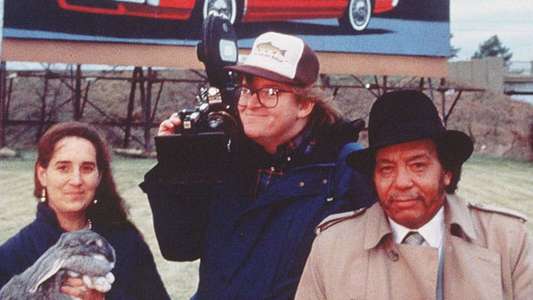
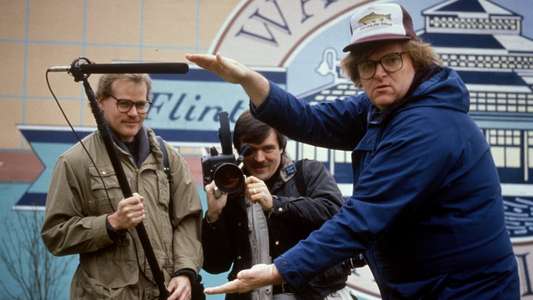
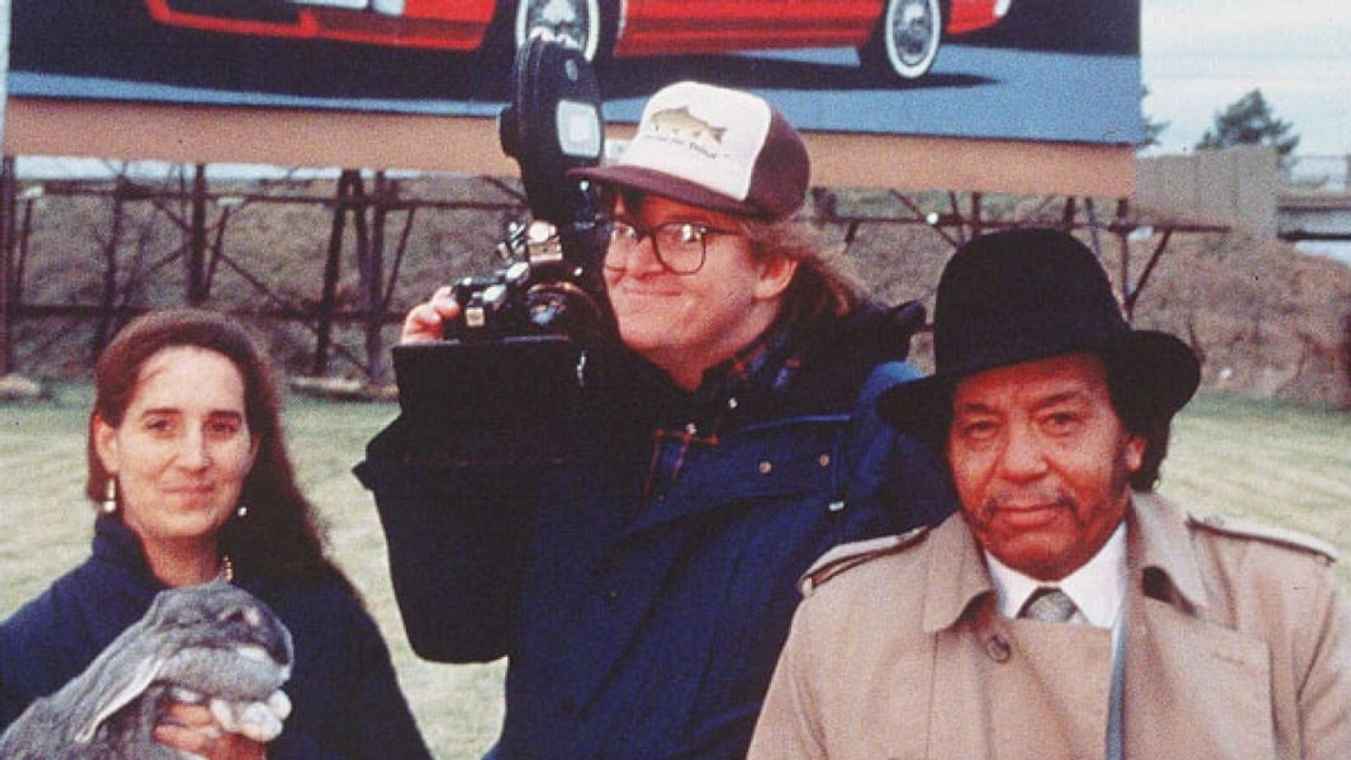
When Michael Moore decided to start a documentary about Flint, Michigan and General Motors in the mid-1980s, he knew very little about the technical side of filmmaking (camera-work, lighting, etc.). He met a fellow low-budget documentary filmmaker, Kevin Rafferty, who helped him learn this side of the director's job on the project, and served as one of the cinematographers.
"[In closing credits] subtitles: This film cannot be shown within the city of Flint... All the movie theaters have closed."
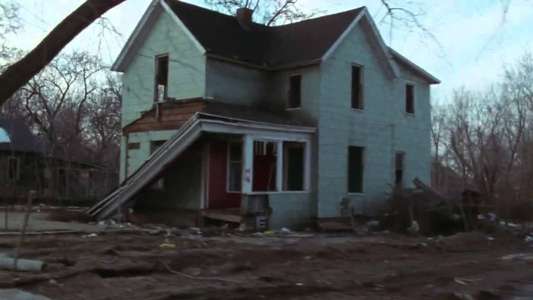
"Michael Moore: [voice-over] Well, the million tourists never came to Flint. The Hyatt went bankrupt and was put up for sale, Waterstreet Pavillion saw most of its stores go out of business, and only six months after opening, Autoworld closed due to a lack of visitors. I guess it was like expecting a million people a year to go to New Jersey to Chemicalworld, or a million people going to Valdez, Alaska for Exxonworld. Some people just don't like to celebrate human tragedy while on vacation."