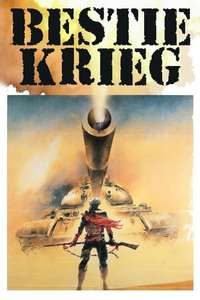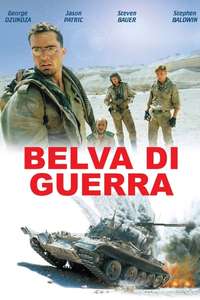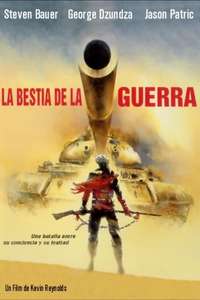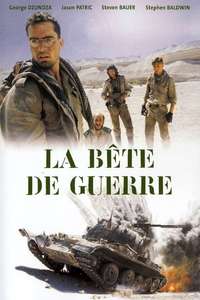

Movie
Disclaimer: All content and media belong to original content streaming platforms/owners like Netflix, Disney+ Hotstar, Amazon Prime Videos, JioCinema, SonyLIV etc. 91mobiles entertainment does not claim any rights to the content and only aggregate the content along with the service providers links.



1989 | Kevin
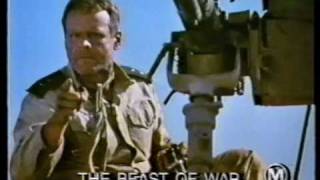
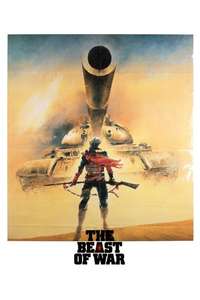
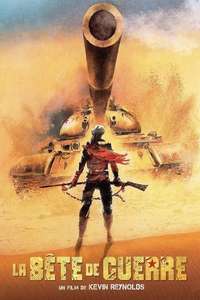
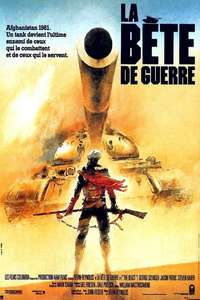
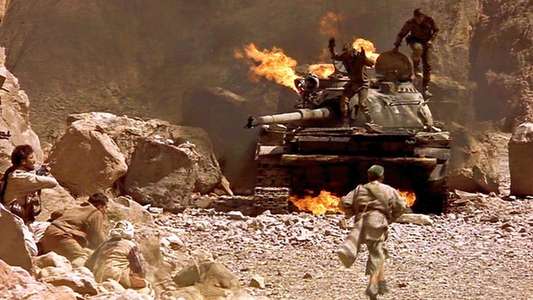
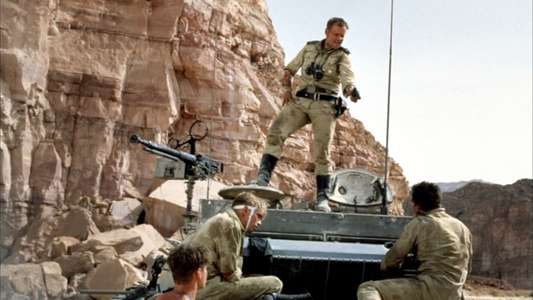
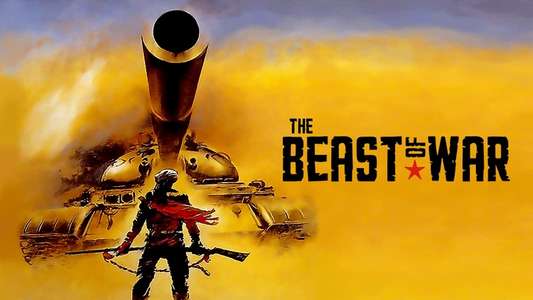
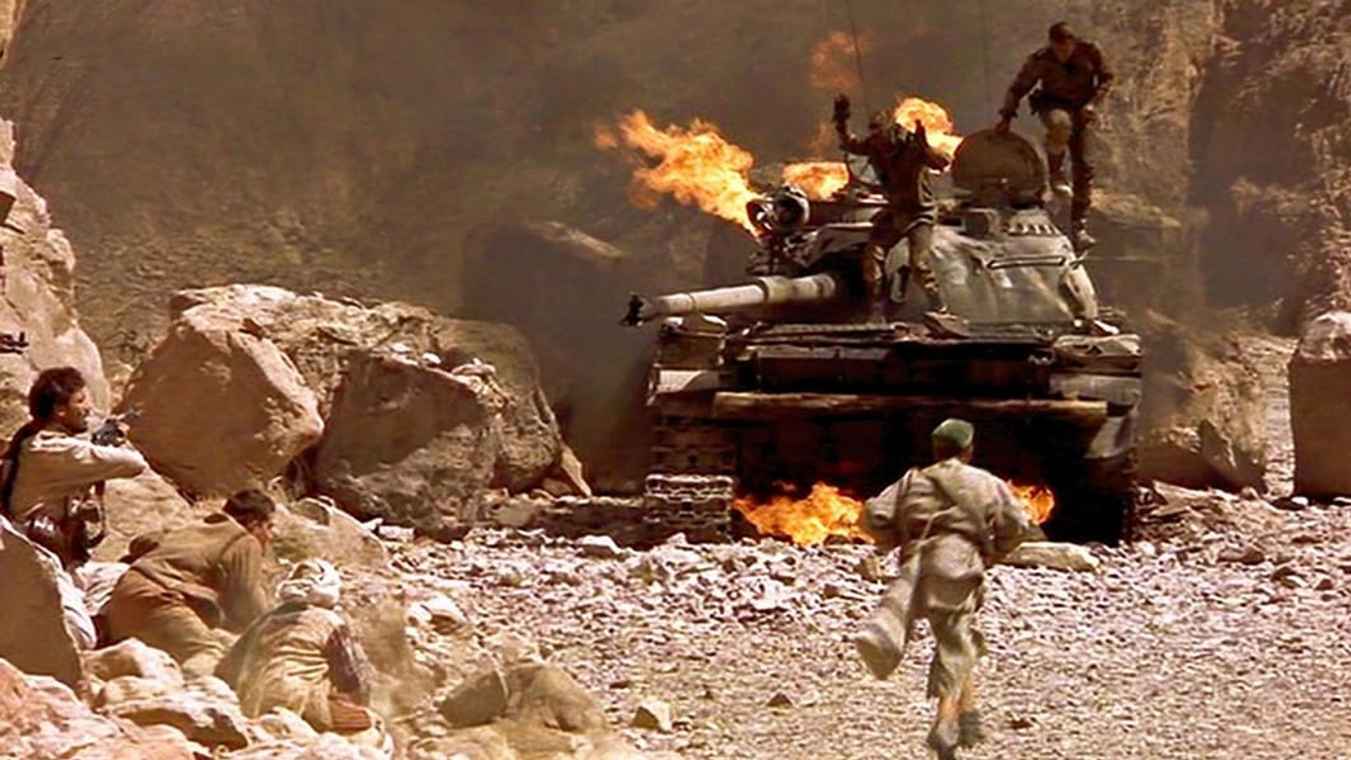
The tank used in the film is an authentic Soviet T-55, captured by the IDF during the Arab-Israeli conflicts (although it was modified by the Israelis and re-designated as the Ti-67 and fitted with a 105mm main gun in place of the original 100mm gun). The film's military advisor, Dale Dye, said that he negotiated the purchase of the tanks over drinks with Israel Defense Forces officers in a Tel Aviv hotel.
For increased realism, 90mm blank shells were modified to fire a weight of water out of the tanks' 105mm cannons, thus causing the cannon to recoil as if it had fired a live shell.
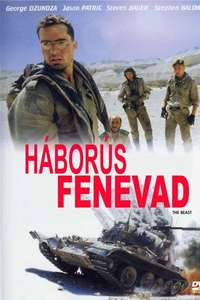
Although in the original movie the actors use American military lingo and commands, which is quite out of place for Soviet soldiers, the Hungarian version of the movie corrected much of these errors and added authentic Warsaw Pact jargon and commands. Interestingly, the tank commander repeatedly calls a shrapnel shell "kartács" which is an outdated word for grapeshot.
Dale Dye, a retired US Marine Corps captain, served as the military/technical advisor and has an uncredited part as one of the helicopter crew.
When the film was started at Columbia Pictures, David Puttnam was head of the studio. By the time it was released, Puttnam was out and Dawn Steel was head of the studio. As a result, the film was released in a small number of theaters under the title "The Beast".
"Daskal: [the tank is incapacitated. Daskal hands out a grenade to Kaminski and Golikov] You know our standing orders. Kaminski: What? Daskal: Out of commission, become a pillbox. Out of ammo, become a bunker. Out of time, become heroes. Kaminski: You must be out of your fucking mind! [He tosses his grenade aside] Daskal: Now. Together. [Daskal pulls the grenade pin]"
"Samad: It is called "Pashtunwali". It's the code of honor. Koverchenko: Pashtunwali? Samad: Three obligations. First, "Melmastia", hospitality. Second, "Badal", revenge. Third, "Nanawateh", the obligation to give sanctuary to all those who ask. Koverchenko: To all? Samad: All. Koverchenko: Even the enemy? Samad: All. Koverchenko: What if I kill your brother and you came for Badal, revenge? And I ask for Nanawateh? Samad: Then I would be obligated to feed, clothe and protect you. Koverchenko: That's incredibly civilized."