
Movie |
Police | Paris, France
Disclaimer: All content and media belong to original content streaming platforms/owners like Netflix, Disney+ Hotstar, Amazon Prime Videos, JioCinema, SonyLIV etc. 91mobiles entertainment does not claim any rights to the content and only aggregate the content along with the service providers links.

Best Film Editing | 1974
Best Film Editing | 1974
Best Screenplay Motion Picture | 1974 | Kenneth
Best Motion Picture Drama | 1974
Best Director Motion Picture | 1974
Best Sound Track | 1974
Best Screenplay | 1974 | Kenneth
Best Supporting Actor | 1974 | Michael
Best Supporting Actress | 1974 | Delphine
Best Film | 1974
Best Direction | 1974
Best Edited Feature Film | 1974
Box Office Collection 16,056,255 USD
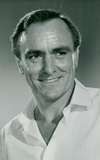
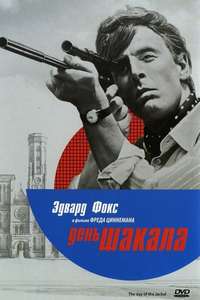
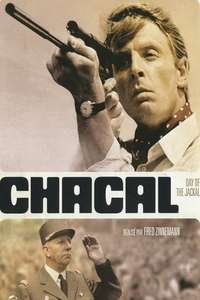
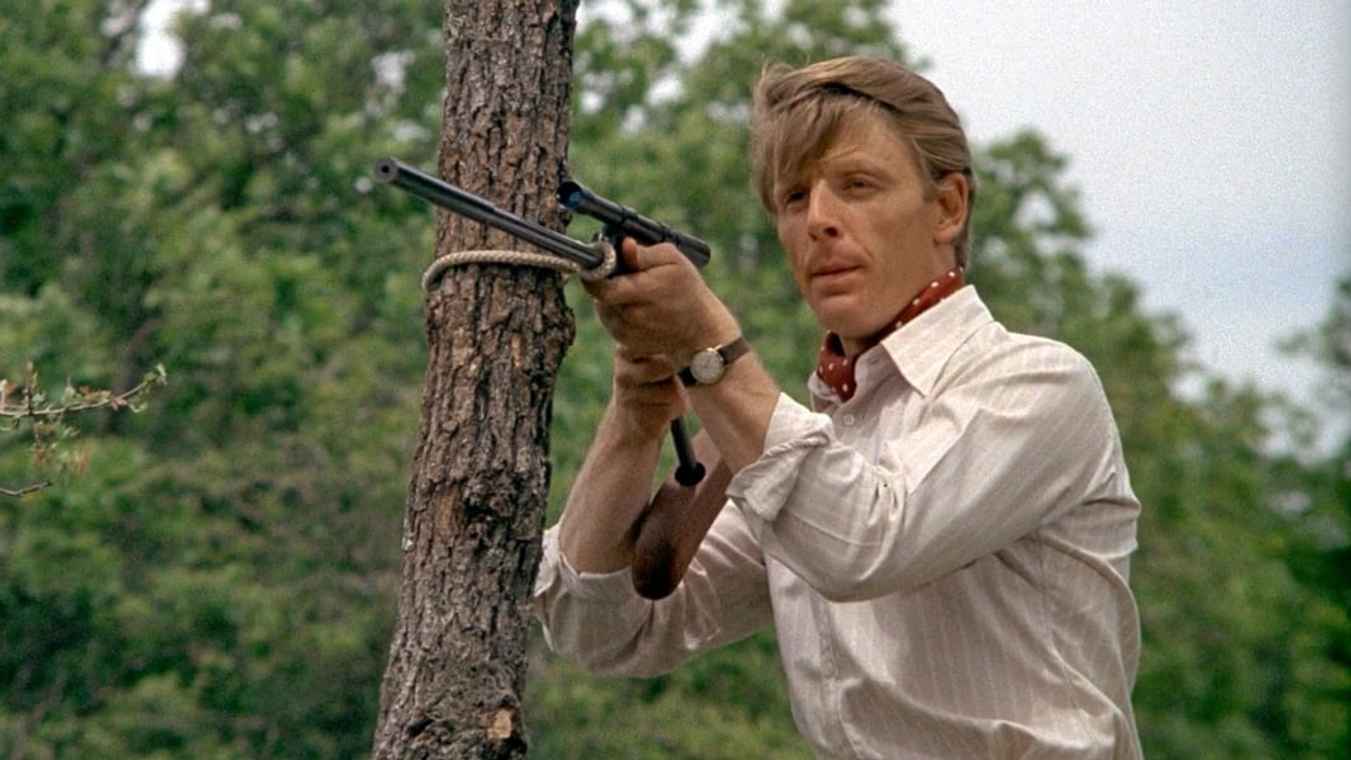
Director Fred Zinnemann wanted the Jackal to be played by someone anonymous and indistinct, so he eschewed famous names in favor of casting a relatively unknown actor named Edward Fox. He later admitted this concept may have led to this movie's lack of expected success when it was released in theaters.
During his scenes with the Jackal, the arms supplier Gozzi (Cyril Cusack) is wearing a black armband. This may be to honor Pope John XXIII, who died on June 3, 1963.
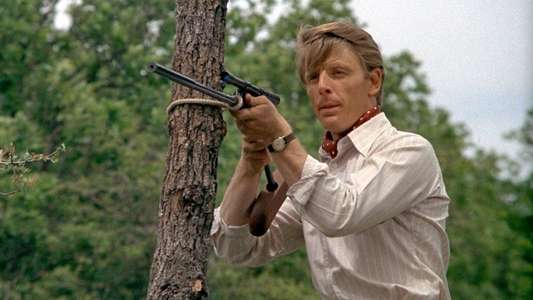
The special lightweight rifle that The Jackal concealed in a crutch was a genuine working model. Two of them were made for this movie. One was handed over to the British authorities, and the other now resides in the Paris Cinematheque.
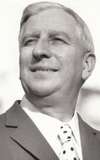
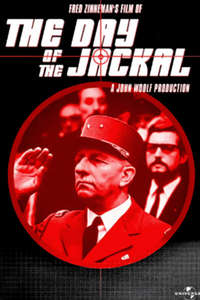
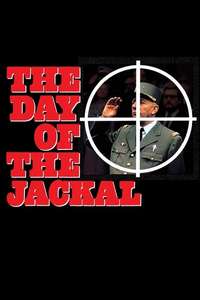
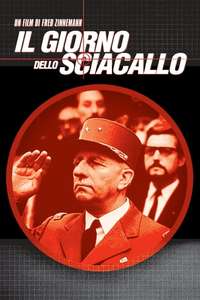
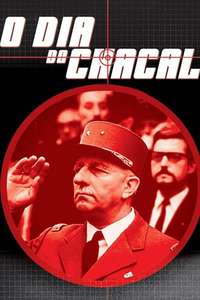
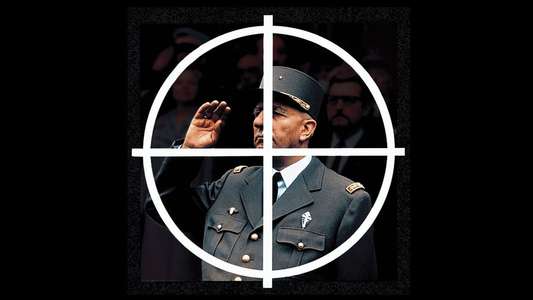
During the filming of the final sequence where President Charles de Gaulle is presenting medals to veterans, the many extras were unaware of how close a resemblance actor Adrien Cayla-Legrand bore to the actual President. On the first take, when the President exits his limousine, most of the crowd gasped, and an elderly extra, who was playing one of the veteran soldiers, fainted in shock.
The novel/film adaptation of "The Day of the Jackal" caused the London Public Records and Passport offices to tighten their regulations to reduce the chance of anybody stealing and using a deceased person's identity, as the Jackal did. Frederick Forsyth said in an interview that he was aware that such things happened in the 1960s. (Several years later, it was revealed that the British Member of Parliament John Stonehouse, in a notorious case, had obtained what newspapers called a "Jackal passport" to escape retribution after faking his own death). However, no one in the British government took notice of this in spite of letters of caution from him to them until after this movie was released.
"Minister: There is one thing: how did you know whose telephone to tap? Lebel: I didn't, so I tapped all of them."
"Col. Rodin: Will you do it? The Jackal: Yes. Montclair: How much? The Jackal: You must understand that this is a once-in-a-lifetime job, whoever does it can never work again... Montclair: How much do you want? The Jackal: Half a million. Montclair: What? The Jackal: In cash. Half in advance, half on completion. Montclair: Half a million francs? The Jackal: Dollars. Montclair: [standing up] Are you mad? The Jackal: Considering you expect to get France in return, I'd have thought it a reasonable price. If you can't manage it, then there's nothing more to be said. [turns to leave] Col. Rodin: We accept!"