
Movie |
Egypt | Courtesan
Disclaimer: All content and media belong to original content streaming platforms/owners like Netflix, Disney+ Hotstar, Amazon Prime Videos, JioCinema, SonyLIV etc. 91mobiles entertainment does not claim any rights to the content and only aggregate the content along with the service providers links.

Most Promising Newcomer Female For | 1954 | Bella
Most Promising Newcomer Female | 1954 | Bella
Best Cinematography Color | 1955
Budget 5,000,000 USD
Box Office Collection 15,000,000 USD
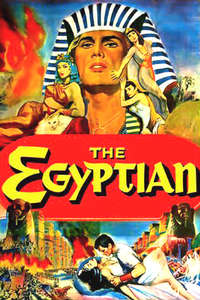
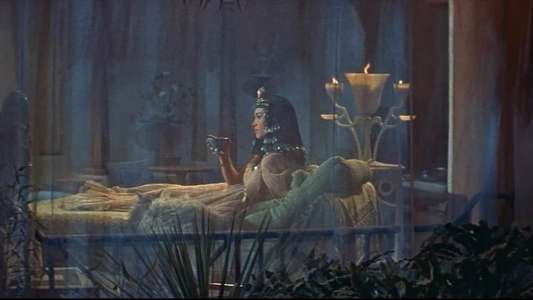
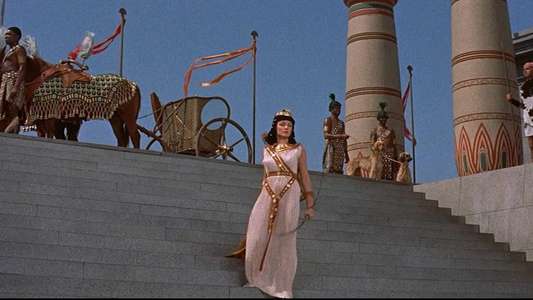
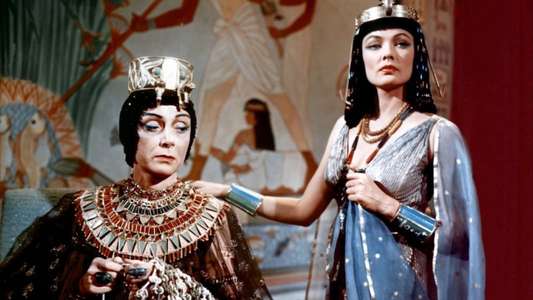
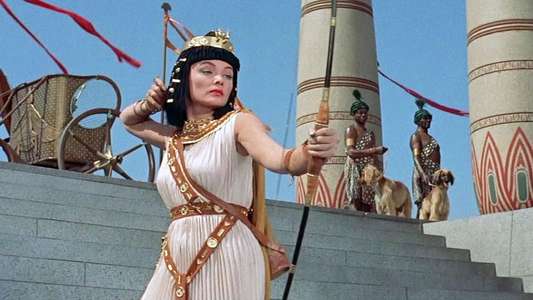
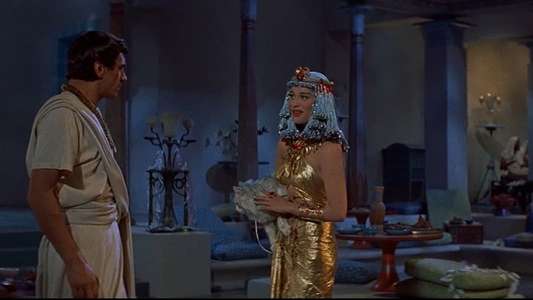
Marilyn Monroe lobbied hard to play Nefer, but Producer Darryl F. Zanuck had earmarked the role for his then-mistress, Bella Darvi.
After shooting was completed, Twentieth Century-Fox made back some of this movie's immense cost by selling many of the set pieces, props, and costumes to Paramount Pictures, which then employed them in an even bigger epic, Cecil B. DeMille's "The Ten Commandments (1956)."
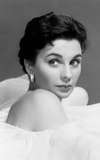
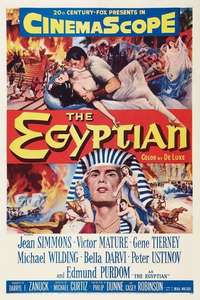
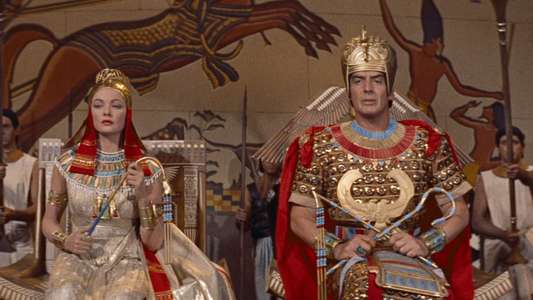
One of the few Hollywood "spectacles" in which top billing went to a woman: Jean Simmons.
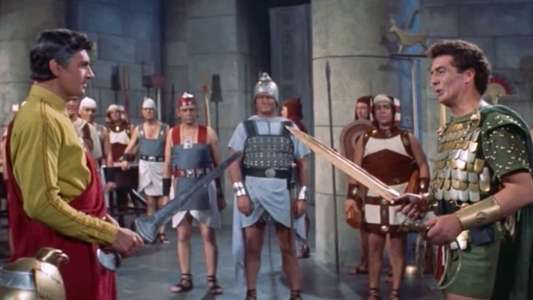
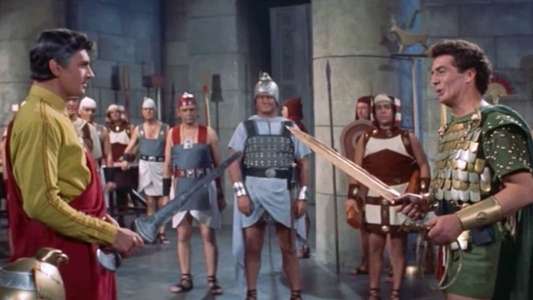
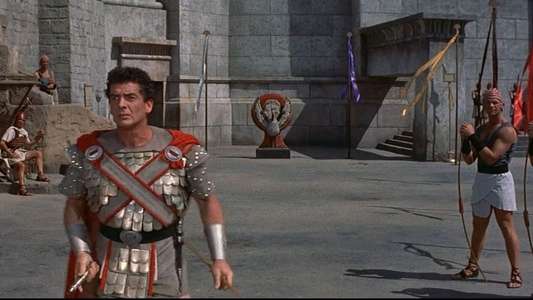
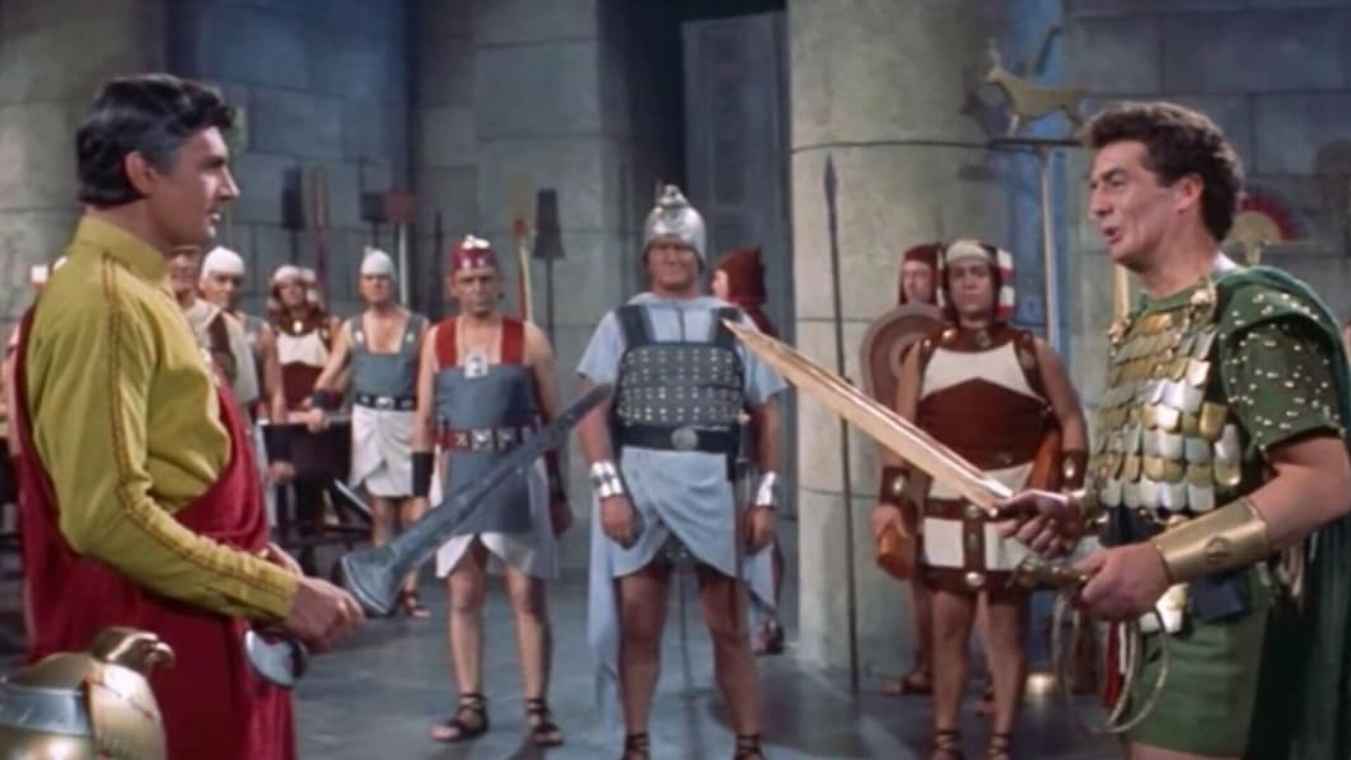
While Queen Nefertiti (Anitra Stevens) and several of her daughters are depicted, no mention is made of the Pharaoh Akhnaton's (Michael Wilding's) most famous child, his son Tutankhamen. This may be because the plot of this movie required General Horemheb (Victor Mature) to become Pharaoh on Akhnaton's death, as well as in the projected sequel. Having the true and actual heir Tutankhamen, a well known historic figure, also in this movie could have been awkward. In actuality, Horemheb became Pharaoh only after the deaths of the Pharaoh Ay, who succeeded Tutankhamen, and Tutankhamen. Horemheb was Tutankhamen's loyal Chief General during his reign.
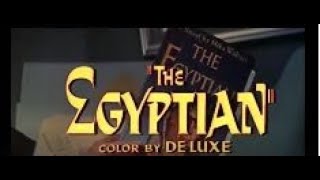
This movie was based on the 1945 historical novel, and international bestseller, of the same name by Finland's Mika Waltari, which in turn was based on the ancient Egyptian "Story of Sinuhe". Ten years later, he wrote a novel titled "The Etruscan", and nine years after that, "The Roman".
"Nefer: No. I brought you here only to show you the gate in my garden wall. Later, when all of my guests have gone... I will be here by my lotus pool. Sinuhe: Why do you tell me this? Nefer: Perhaps because I am fond of gifts, and the greatest gift any man can bring to a woman is his innocence, which he can give only once."
"[first lines] Sinuhe: [Older Sinuhe voiceover] I, Sinuhe the Egyptian, write this. In my place of exile on the shores of the Red Sea. There is no more desolate spot on earth. Soon the jackals and the vultures will make a poor meal of what is left of me. No monument will mark my resting place. I will leave only this, the story of my life. I have lived fully and deeply. I have tasted passion, crime and even murder. It is for you to judge me. You must weigh the good against the evil, the passion against the tenderness, the crime against the charity, the pleasure against the pain. I began life as I am ending it, alone. I rode alone on the bosom of the Nile in a boat of reeds dawbed with pitch and tied with fowler's knots. Thus the city of Thebes was accustomed to dispose of its unwanted children. I grew up on the waterfront of the city in the house of my foster parents who had saved me from the river. My foster father lived there by choice because he was also, by choice, physician to the poor of the city. From the rich he could have commanded princely fees, for he alone, in Thebes, was master of the ancient art of opening skulls. From the beginning I kept to myself. I used to wander alone on the banks of the Nile. Until the day came when I was ready to enter the School of Life. In the School of Life were trained the chosen young men of Egypt. The future scientists, philosophers, statesmen and generals. All the learning of Egypt lay in the keeping of the gods. For ten years I served them in the school that I might earn the right to call myself a physician. I learned to bend my body to them, but that was all. My mind still asked a question. Why?"