
Movie |
Gangster | Police Pursuit
Disclaimer: All content and media belong to original content streaming platforms/owners like Netflix, Disney+ Hotstar, Amazon Prime Videos, JioCinema, SonyLIV etc. 91mobiles entertainment does not claim any rights to the content and only aggregate the content along with the service providers links.








Best Film Editing | 1972 | Gerald B.
Best Director | 1972 | William
Best Writing Screenplay Based on Material from Another Medium | 1972 | Ernest
Best Picture | 1972
Best Actor in a Leading Role | 1972 | Gene
Best Actor in a Motion Picture Drama | 1972 | Gene
Best Director Motion Picture | 1972 | William
Best Motion Picture Drama | 1972
Best Film Editing | 1973 | Gerald B.
Best Actor | 1973 | Gene
Best Actor For | 1973 | Gene
Best Drama Adapted from Another Medium | 1972 | Ernest
Best Actor | 1971 | Gene
Best Sound Editing Feature Film | 1972
Motion Picture | 2014
Best Motion Picture | 1972 | Ernest
Outstanding Directorial Achievement in Motion Pictures | 1972 | William
Best Foreign Film Miglior Film Straniero | 1972
Best Sound | 1972
Best Actor in a Supporting Role | 1972 | Roy
Best Cinematography | 1972 | Owen
Best Screenplay Motion Picture | 1972 | Ernest
Best Instrumental Composition | 1973
Best Foreign Language Film | 1973 | William
Best Foreign Film | 1973
Best Edited Feature Film | 1972 | Gerald B.
Best Actor | 1971 | Gene
Best Film | 1971
Budget 1,800,000 USD
Box Office Collection 41,200,000 USD
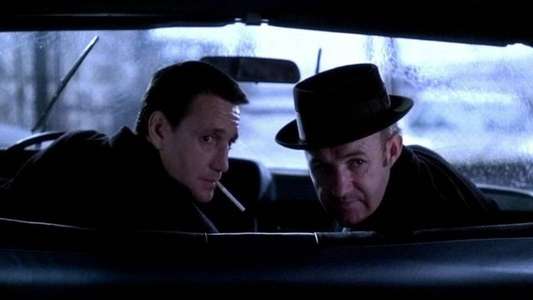
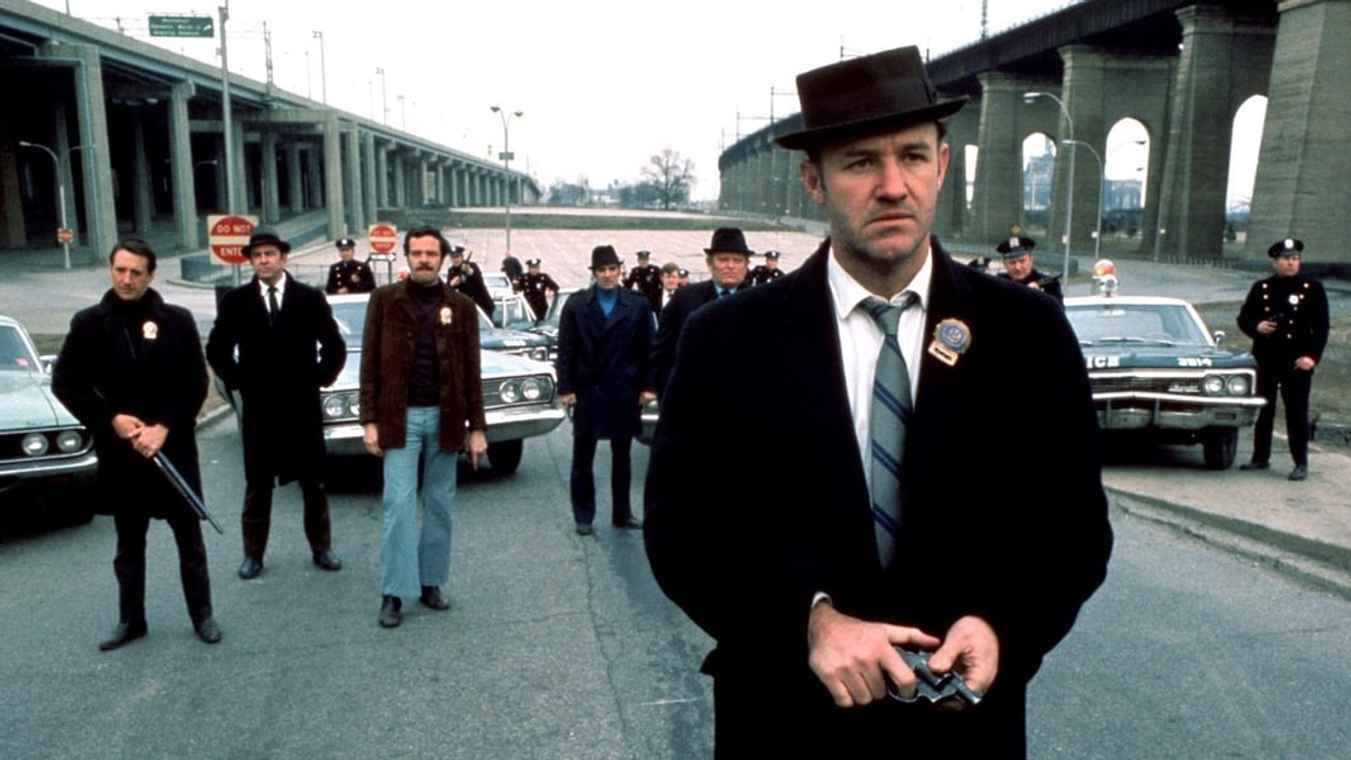
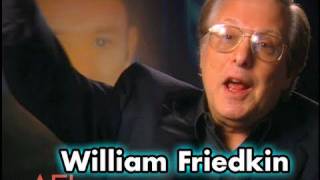
According to William Friedkin, the significance of the straw hat being tossed onto the shelf of the rear window in Doyle and Russo's car was that at that time it was a universal signal in New York City that the undercover cops in the car were on duty.
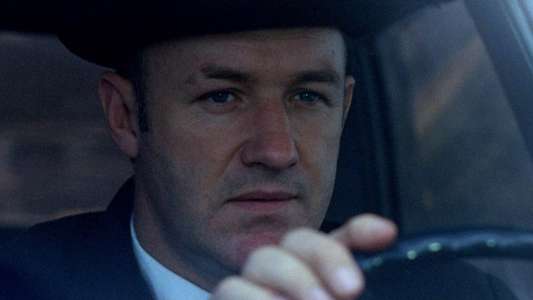
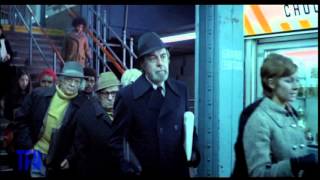
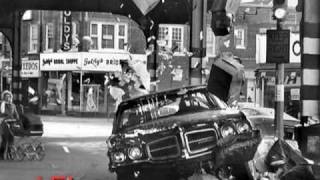
The car chase was filmed without obtaining the proper permits from the city. Members of the NYPD's tactical force helped control traffic. But most of the control was achieved by the assistant directors with the help of off-duty NYPD officers, many of whom had been involved in the actual case. The assistant directors, under the supervision of Terence A. Donnelly, cleared traffic for approximately five blocks in each direction. Permission was given to literally control the traffic signals on those streets where they ran the chase car. Even so, in many instances, they illegally continued the chase into sections with no traffic control, where they actually had to evade real traffic and pedestrians. Many of the (near) collisions in the movie were therefore real and not planned (with the exception of the near-miss of the lady with the baby carriage, which was carefully rehearsed). A flashing police light was placed on top of the car to warn bystanders. A camera was mounted on the car's bumper for the shots from the car's point-of-view. Hackman did some of the driving but the extremely dangerous stunts were performed by Bill Hickman, with Friedkin filming from the backseat. Friedkin operated the camera himself because the other camera operators were married with children and he was not.
The early scene where Doyle and Russo chase down a drug dealer while Doyle is dressed in a Santa Claus suit: the scene is based on a real-life tactic used by Eddie Egan and Sonny Grosso. While on stakeouts in Bedford-Stuyvesant, Egan and Grosso discovered drug dealers could easily spot undercover cops, and they would often flee the scene before the cops could arrest them. One Christmas, Egan came up with the idea of dressing in a Santa Claus suit, figuring the dealers would never suspect Santa Claus of being a cop. As depicted in the film, Egan walked the neighborhood streets as Santa Claus, singing Christmas carols with local kids. When he saw a drug deal going down, Egan sang "Jingle Bells" as a signal to his partners to move in and make the arrest. The tactic worked beautifully, and Egan and his partners made dozens of Christmas arrests over several years.
All of the extras used in the first bar scene were real-life police officers.
The scene where Doyle and Russo chase down the dealer near the beginning and Gene Hackman shouts out his famous question "Did you ever pick your feet in Poughkeepsie?" is based on actual "good cop/bad cop" interrogations by the real "French Connection" detectives, Eddie Egan and Sonny Grosso according to William Friedkin in the DVD commentary. Grosso would gingerly ask a suspect direct questions about his crimes, then Egan would always butt in and yell unusual questions like the Poughkeepsie one. The suspect would get so rattled by Egan's offbeat questioning that he felt more comfortable answering Grosso's, thus tending to eventually incriminate himself.
"Jimmy 'Popeye' Doyle: You dumb guinea. Buddy "Cloudy" Russo: How the hell did I know he had a knife. Jimmy 'Popeye' Doyle: Never trust a nigger. Buddy "Cloudy" Russo: He could have been white. Jimmy 'Popeye' Doyle: Never trust anyone!"
"Jimmy 'Popeye' Doyle: All right! You put a shiv in my partner. You know what that means? Goddammit! All winter long I got to listen to him gripe about his bowling scores. Now I'm gonna bust your ass for those three bags and I'm gonna nail you for picking your feet in Poughkeepsie. [a few scenes later:] Walt Simonson: Popeye. You still picking your feet in Poughkeepsie?"