

Movie |
Civil Rights | Supreme Court
Disclaimer: All content and media belong to original content streaming platforms/owners like Netflix, Disney+ Hotstar, Amazon Prime Videos, JioCinema, SonyLIV etc. 91mobiles entertainment does not claim any rights to the content and only aggregate the content along with the service providers links.
Outstanding Editing Documentary and Long Form | 2013 | Elisabeth Haviland
Best Documentary | 2013 | Scott
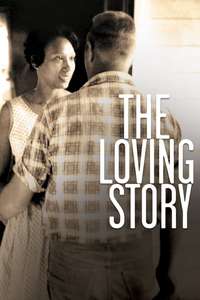
The Lovings were a real life interracial married couple who were criminally charged under a Virginia statute banning miscegenation. By counsel of and with the American Civil Liberties Union (ACLU), the Lovings brought a suit which sought to overturn the law. In 1967, the United States Supreme Court ruled in favor of the Lovings, striking down the Virginia law, and all state anti-miscegenation laws, as unconstitutional per the Fourteenth Amendment to the United States Constitution.
Loving v. Virginia has been cited in every "same sex marriage" or "marriage equality" case brought on behalf of gay people wishing to receive marriage licenses from the states in which they live, or to overturn state "marriage is only between a man and a woman" laws in many states of the United States. On June 12, 2007, Mildred Loving made a statement on the 40th anniversary of the Loving v. Virginia Supreme Court decision, in which, among other things, she said that she was proud that their names were "...on a court case that can help reinforce the love, the commitment, the fairness, and the family that so many people, black or white, young or old, gay or straight, seek in life. I support the freedom to marry for all. That's what Loving, and loving, are all about."
"Garnet" was the first name of Mildred Loving's sister, and although spelled differently, the last name of the Sheriff of Caroline County, Brooke Garnett, who arrested Mildred and Richard Loving.
"(uncredited man on street in archive footage): Some of my best friends are niggers, if I got in to trouble, I think th... the niggers would come to me as quick as anybody else in the world. I'll give you a little instance, I was standing down on the street with a gentleman from another city last Saturday, and I recon that fifteen or twenty negros passed, and I spoke to 'em "Good morning John, how you gettin' along?" "Very well thank you Mr. Wall, gettin' on fine." And that went on for fifteen or twenty uh negros in less than fifteen minutes... and uh I... I uh... we love our people."