
Movie |
World War Ii | Wartime
Disclaimer: All content and media belong to original content streaming platforms/owners like Netflix, Disney+ Hotstar, Amazon Prime Videos, JioCinema, SonyLIV etc. 91mobiles entertainment does not claim any rights to the content and only aggregate the content along with the service providers links.
Best Archival ReRecording of an Existing Score | 2012
Budget 3,000,000 USD
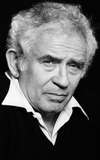
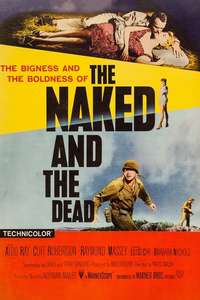
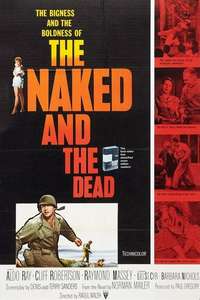
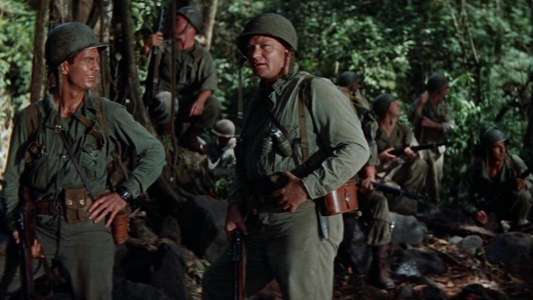
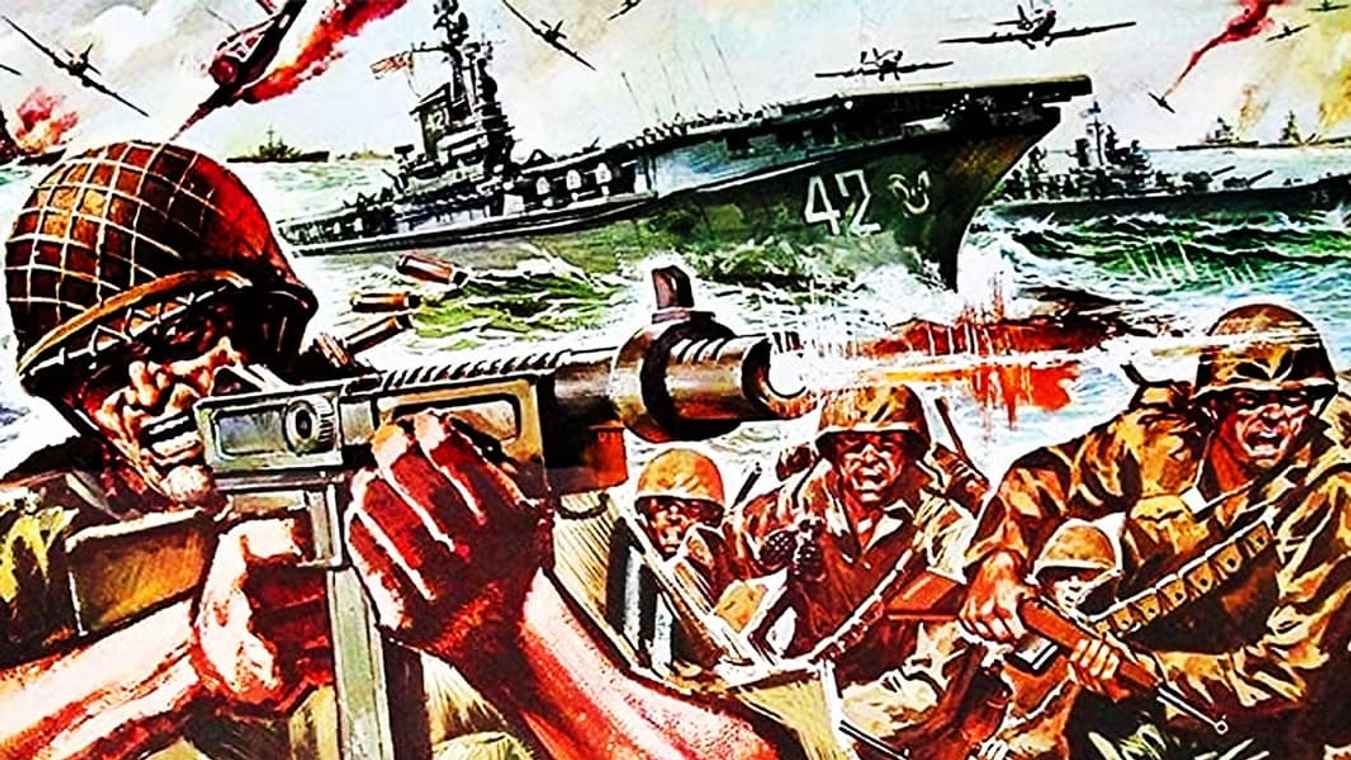
Norman Mailer, the author of the best-selling and critically acclaimed novel on which the film is based, was reported to have said it was the worst movie he had ever seen after viewing the film.
In the Norman Mailer novel, the behind-the-lines reconnaissance patrol is terminated when the members are attacked and somewhat comically ran off by swarming hornets.
Charles Laughton was originally slated to direct " The Naked and the Dead ", but the commercial failure of The Night of the Hunter (1955) put Laughton off the idea of ever directing again.
The film was not actually shot in widescreen. It was converted to "WarnerScope" in the final print after having been shot in standard Academy ratio, much like some films which are "matted" after having been shot in Academy ratio. The process used was contemporary of Superscope 235. It was filmed using spherical lenses at an aspect ratio of 1.37:1. In the printing process, the images were cropped to a height of 2 perforations giving them an aspect ratio of 2.36:1. The images were then stretched vertically to a height of 4 perforations, at which point they conformed to the standard CinemaScope-2 format. Severe matting is not too troublesome in the freshly filmed material, but disastrous in the case of enlarged archive footage.
The cameraman Stanley Cortez is sometimes credited as having worked on this film. He told an interviewer, years later, that he had worked on pre-production for the film for eight months, spending "weeks and weeks" scouting locations in Hawaii. He claimed that Charles Laughton had wanted him to be associate producer as well as cameraman, and that Spencer Tracy, Montgomery Clift and Burt Lancaster were all sought to play leading roles (none was in the final film). Cortez claimed that Laughton had planned it as an independent production with financing coming from a Philadelphia exhibitor named Goldman. Whether or not any footage shot by Cortez is in the finished film is not known.
"Gen. Cummings: And this is the kind of thing that backs right up to Washington. You can imagine the conversations going on. "What's happening out there?" "What's holding them up?" "What are they doing?" But do we have any air support? No! They switched priorities on us. We're the only division in combat at the moment that doesn't have dependable air support. In the past week, we have advanced a grand total of 400 yards. Time has run out gentlemen. No doubt the troops would be happier with another general in command. A butcher who would waste their lives to no purpose. Well if they don't perk up, they'll be having their butcher."
"Lt. Robert Hearn: General... I've been thinking about what you said. Especially what you said about the power of fear and the fear of power. I never agreed with your point of view before, but I wasn't sure you were wrong. Now I'm sure. Two men carried me 18 miles through the jungle, a Baptist minister and a wandering Jew, but they didn't do it out of fear. They did it out of love. But they did something else besides save my life, they showed me something I've known all my life but I had forgotten. There's a spirit in man that'll survive all the reigns of terror and all the hardships. Man cannot achieve the authority of God. And no man, whether he's a politician or a general, should try. The spirit in man is God-like, eternal, indestructible."