
Movie |
Holocaust (shoah) | Jew Persecution
Disclaimer: All content and media belong to original content streaming platforms/owners like Netflix, Disney+ Hotstar, Amazon Prime Videos, JioCinema, SonyLIV etc. 91mobiles entertainment does not claim any rights to the content and only aggregate the content along with the service providers links.

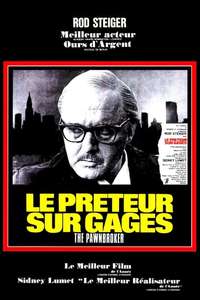
Best Foreign Actor | 1967 | Rod
Best NonEuropean Film Bedste ikkeeuropiske film | 1966 | Sidney
1964 | Sidney
Best Actor | 1964 | Rod
Best Written American Drama | 1966
Best Actor in a Leading Role | 1966 | Rod
Best Actor Drama | 1966 | Rod
1967 | Sidney
Best Foreign Language Film | 1969 | Sidney
Outstanding Directorial Achievement in Motion Pictures | 1966 | Sidney
1964 | Sidney
Budget 500,000 USD
After the filmmakers appealed to the MPAA's appeals board to oppose censoring the film, it became the first US film to show a nude woman from the waist up and be granted a Production Code Seal. It was the first of a series of confrontations between filmmakers and the MPAA in the 1960s that would lead to the abandonment of the Code within five years, in favor of a ratings system.
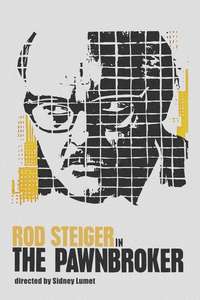
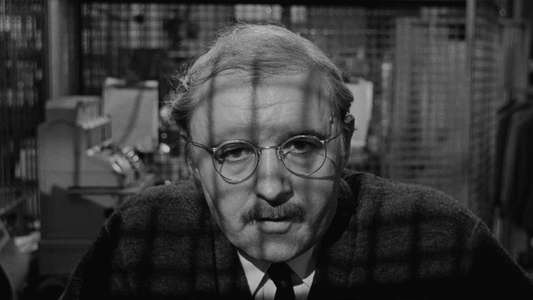
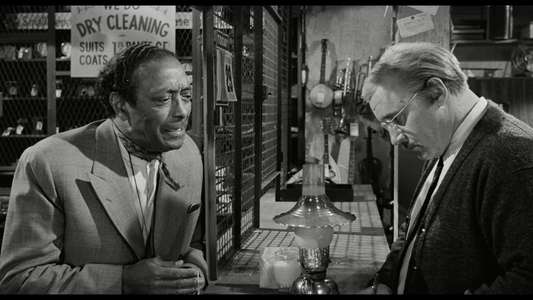
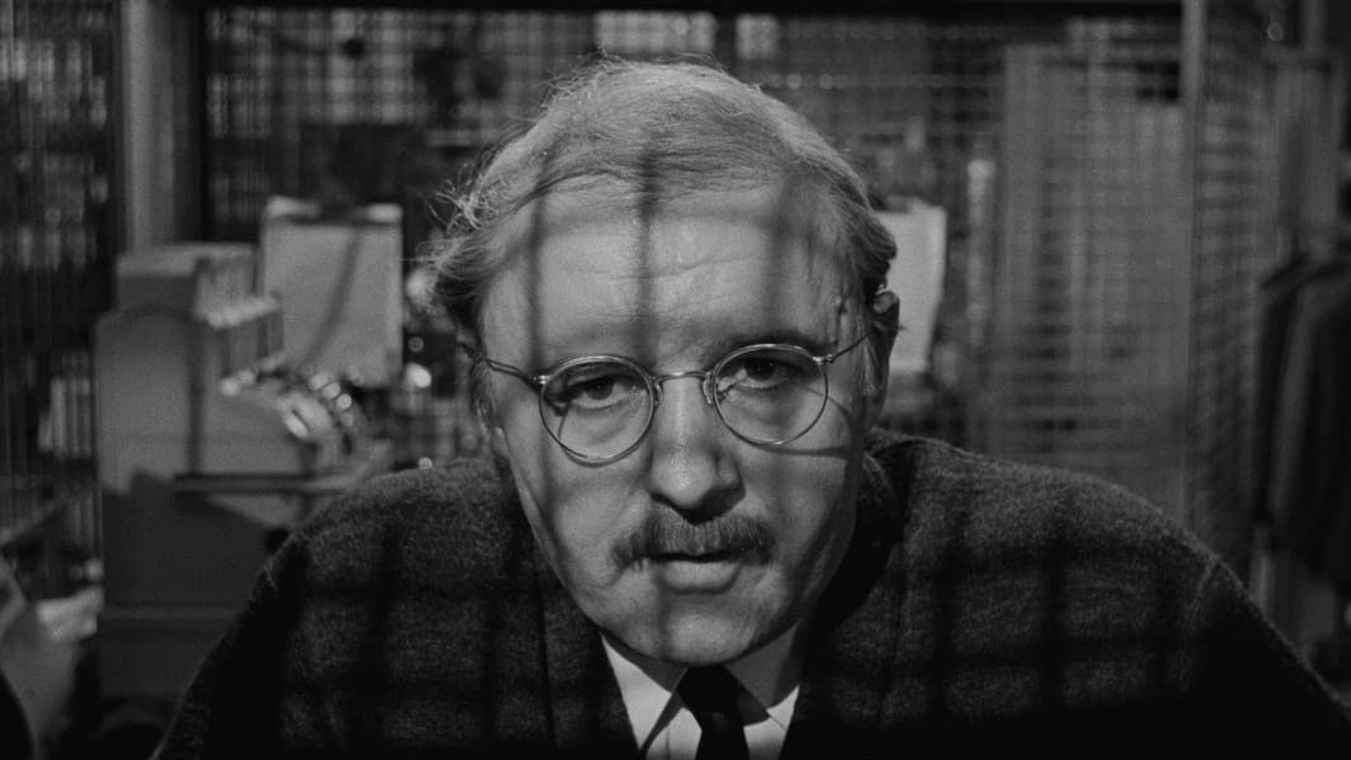
Richard Sylbert's set was deliberately designed to be a series of cages--wire meshes, bars, locks, alarms, etc.--to symbolize that even though Sol was no longer in a concentration camp, he was effectively still imprisoned by his memories.
Thelma Oliver didn't realize until filming began that her nude scene would be shot with a full intent of being seen (nudity was usually done over the shoulder). She was highly upset about this but agreed to bare her breasts, thereby creating cinema history.
Heavily influenced by the French new wave of film-making. Sidney Lumet said that he was deeply inspired by two films by Alain Resnais: Hiroshima Mon Amour (1959) and Night and Fog (1956).
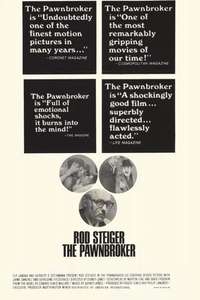
The first American film to deal with the subject of the Holocaust from the point of view of a survivor.
"Jesus Ortiz: Say, how come you people come to business so naturally? Sol Nazerman: You people? Oh, let's see. Yeah. I see. I see, you... you want to learn the secret of our success, is that right? Alright I'll teach you. First of all you start off with a period of several thousand years, during which you have nothing to sustain you but a great bearded legend. Oh my friend you have no land to call your own, to grow food on or to hunt. You have nothing. You're never in one place long enough to have a geography or an army or a land myth. All you have is a little brain. A little brain and a great bearded legend to sustain you and convince you that you are special, even in poverty. But this little brain, that's the real key you see. With this little brain you go out and you buy a piece of cloth and you cut that cloth in two and you go and sell it for a penny more than you paid for it. Then you run right out and buy another piece of cloth, cut it into three pieces and sell it for three pennies profit. But, my friend, during that time you must never succumb to buying an extra piece of bread for the table or a toy for a child, no. You must immediately run out and get yourself a still larger piece cloth and so you repeat this process over and over and suddenly you discover something. You have no longer any desire, any temptation to dig into the Earth to grow food or to gaze at a limitless land and call it your own, no, no. You just go on and on and on repeating this process over the centuries over and over and suddenly you make a grand discovery. You have a mercantile heritage! You are a merchant. You are known as a usurer, a man with secret resources, a witch, a pawnbroker, a sheenie, a makie and a kike! Jesus Ortiz: [long pause] You really some teacher, Mr. Nazerman. You really, really 's the greatest."
"Sol Nazerman: I do not believe in God, or art, or science, or newspapers, or politics, or philosophy. Jesus Ortiz: Then, Mr. Teacher, ain't there nothing you do believe in? Sol Nazerman: Money."