
Movie |
Missionary | China
Disclaimer: All content and media belong to original content streaming platforms/owners like Netflix, Disney+ Hotstar, Amazon Prime Videos, JioCinema, SonyLIV etc. 91mobiles entertainment does not claim any rights to the content and only aggregate the content along with the service providers links.

Best Supporting Actor | 1967 | Richard
Best Sound Editing Dialogue | 1967
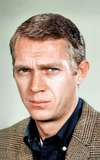
Best Actor in a Leading Role | 1967 | Steve
Best Sound | 1967
Best Picture | 1967 | Robert
Best Cinematography Color | 1967
Best Art DirectionSet Decoration Color | 1967
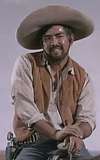
Best Actor in a Supporting Role | 1967 | Mako
Best Music Original Music Score | 1967 | Jerry
Best Film Editing | 1967 | William
Best Director | 1967 | Robert
Best Motion Picture Drama | 1967
Best Original Score | 1967 | Jerry
Best Screenplay | 1967 | Robert
Most Promising Newcomer Female | 1967 | Candice
Best Supporting Actor | 1967 | Mako
Best Actor Drama | 1967 | Steve
Best Edited Feature Film | 1967 | William
Outstanding Directorial Achievement in Motion Pictures | 1967 | Robert
Drama | 1967
Male Dramatic Performance | 1967 | Steve
Male Supporting Performance | 1967 | Richard
Best Written American Drama | 1967 | Robert
Budget 12,000,000 USD
Box Office Collection 20,000,000 USD
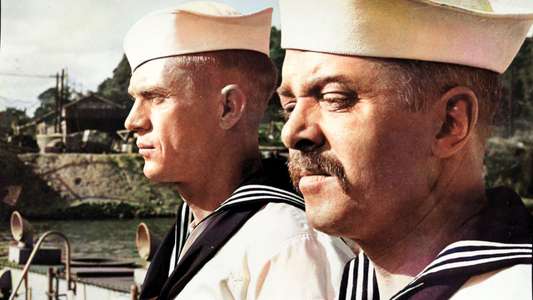
Director Robert Wise was so proud of this movie that he held yearly parties with surviving cast members to celebrate it.
Impressed with Jerry Goldsmith's musical score for this film, Richard D. Zanuck, then-Head of Production for Twentieth Century Fox, and the son of studio co-founder and President Darryl F. Zanuck, took a leap of faith when he recommended the young composer to producer Arthur P. Jacobs and director Franklin J. Schaffner to compose the music for Planet of the Apes (1968). Zanuck's gamble had been proven to be extremely successful, as Goldsmith received massive critical attention for his landmark controversial soundtrack for Planet of the Apes (1968), The acclaim he received for the movie helped launch his career in film and television scoring, which spanned over four decades, and resulted in worldwide acclaim from critics and audiences alike.
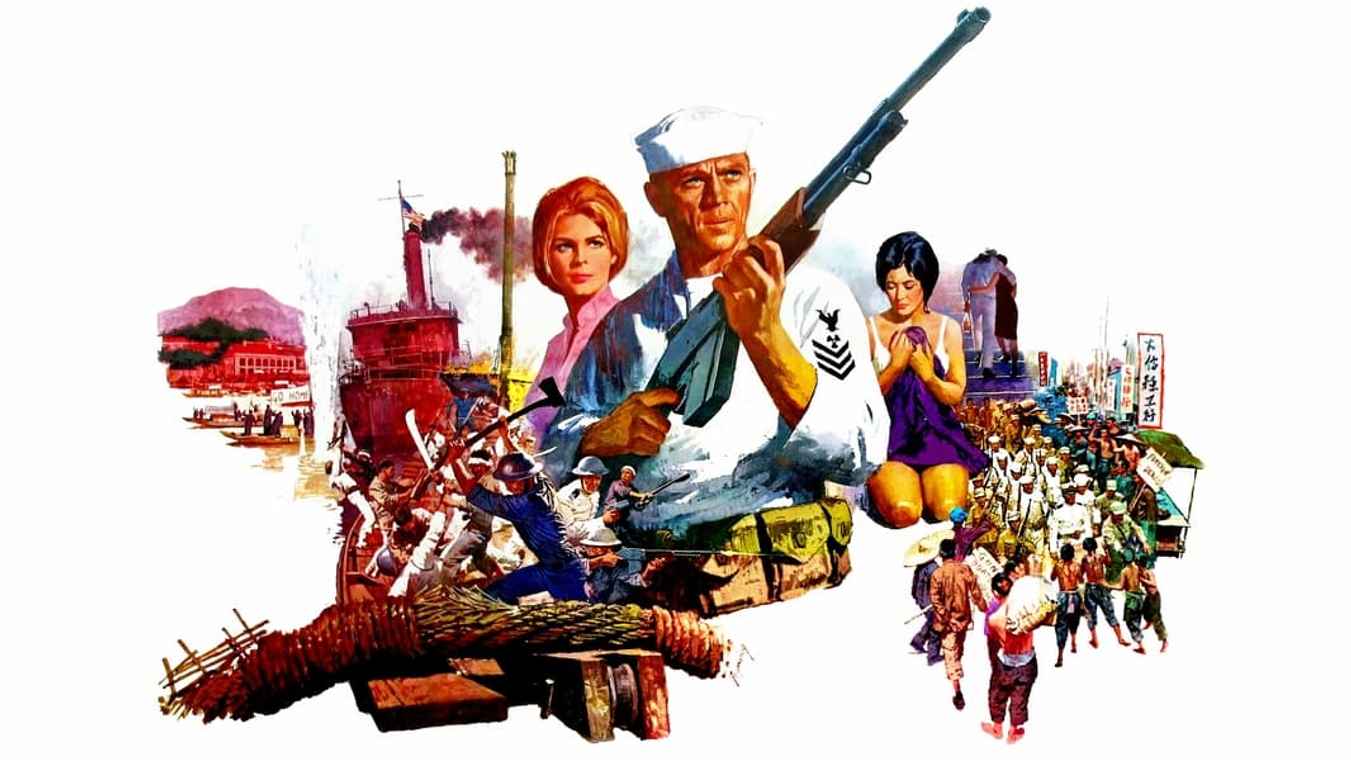
The steam engine was located in California and renovated for this movie. The whole engine room was built around it on a soundstage.
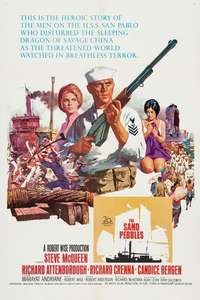
The U.S.S. San Pablo was purposely built for this movie in Hong Kong. She was actually powered by diesel engines: the black smoke emanating from the stack came from old tires and other trash burned in a special compartment on the boat. After filming, the boat was sold and survived for many years with various building firms in the Far East, finally using the name "Nola D" and being scrapped in Singapore in 1975.
Steve McQueen received his only Academy Award nomination for this movie.
"Jake Holman: I was home. What happened? What the hell happened?"
"Frenchy Burgoyne: [exchanging marriage vows; slowly and with feeling] We're mixing our lives together, Maily, and we'll never be able to unmix them again, and we'll never want to. I take you for what you are, and all that you are, and mix you with all of me, and I don't hold back nothing. When you're cold, and hungry, and afraid, so am I. I'm going to stay with you all that I can, take the best care of you that I can, and love you 'til I die. Maily: I will always love you and honor you and serve you, and stay as near to you as I can, and do everything for you, and live for you. I won't have *any* life except our life together. I will just love you, Frenchy, all of me, loving you forever."