
Movie |
Doctor
Disclaimer: All content and media belong to original content streaming platforms/owners like Netflix, Disney+ Hotstar, Amazon Prime Videos, JioCinema, SonyLIV etc. 91mobiles entertainment does not claim any rights to the content and only aggregate the content along with the service providers links.

Top Ten Films | 1961
Although shot in academy 1.37:1 aspect ratio (for later television airing) the theatrical -- or *intended* (by the studio, producer, director and/or cinematographer) -- aspect ratio of this film is 1.85:1 widescreen. Most modern 16x9 (1.77:1) televisions have a "zoom to width" picture option, essentially allowing the viewer to see the film as the director and cinematographer originally planned. It is easy to spot films shot this way since all the titles and credits will still fit when properly cropped (they stay in the "middle" of the frame vertically), and there is an unusual amount of "headroom" above the actors in medium and close-up shots when viewed uncropped. Quite often "mistakes" -- like seeing equipment in the top or bottom of the uncropped frame -- would never have been seen by a theater audience.
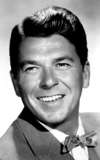
An uncredited Ronald Reagan provides the opening narration.
Filmed in Poughkeepsie NY at Vassar Hospital and within the city.
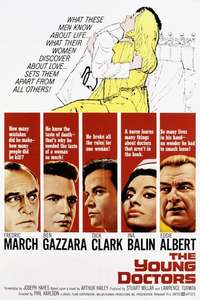
The source novel by Arthur Hailey upon which the screenplay is based is titled "The Final Diagnosis".
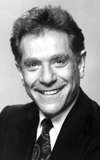
George Segal's first theatrical film appearance.
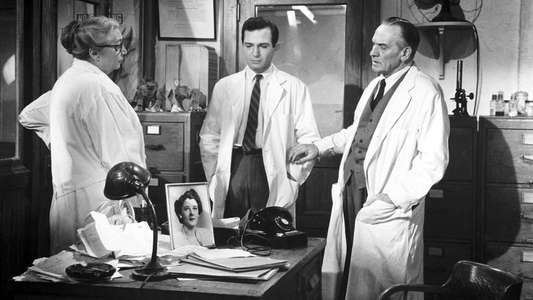
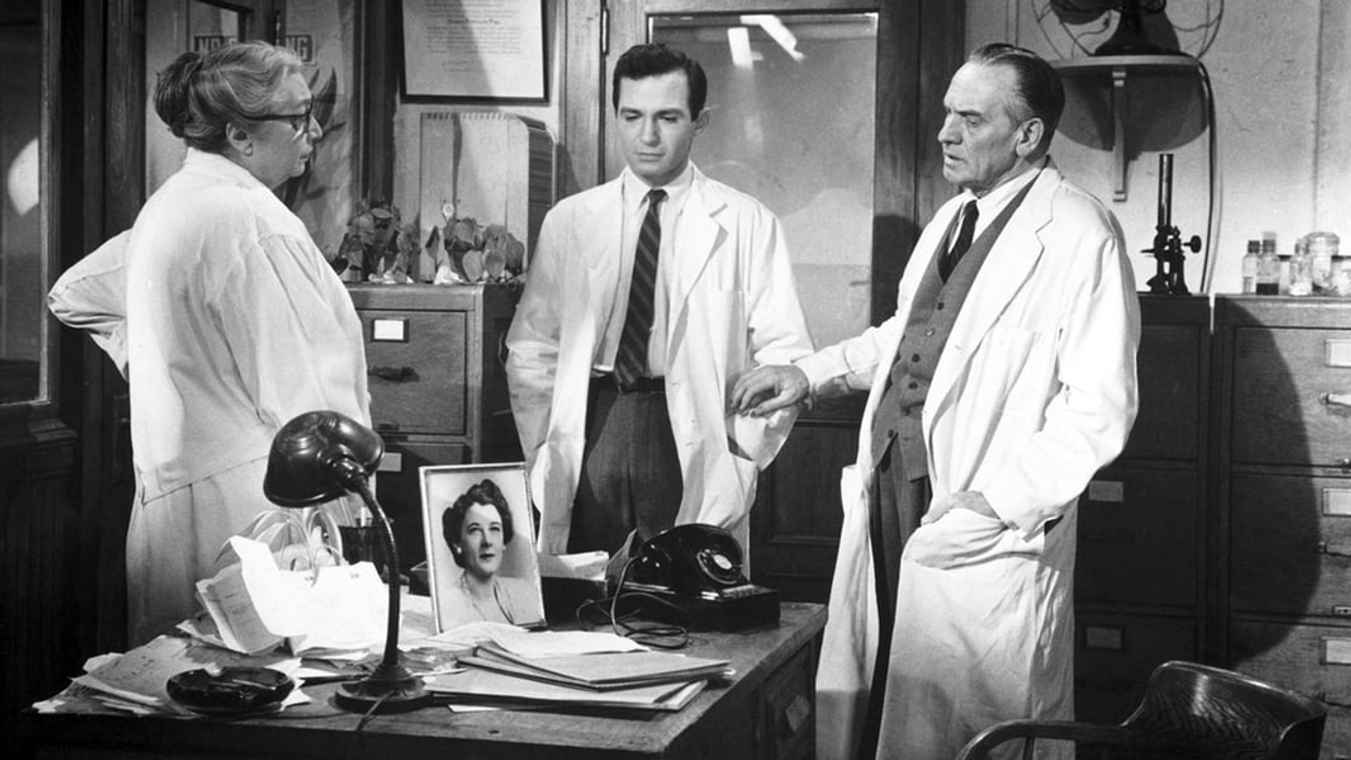
"Dr. Joseph Pearson: You often hear people ask what does a pathologist do? Never hear anyone ask what surgeons do. Perhaps we all know what surgeons do. Well, a pathologist is the one who examines the surgeon's mistakes when it's too late. He's the doctor the patient seldom sees, doesn't want to. Yet, few departments in the hospital have more effect in the patient's welfare. It is pathology which advises the patient's physician on disease. Sometimes when all else fails, it is the pathologist who makes the final diagnosis."
"Cathy Hunt: What made you decide to be a ghoul? Dr. David Coleman: Pathology seemed the best way to contribute to the war. Medicine is a war; a creative, constructive war. And not many of us can be heroes, like Fleming, Pasteur or Salk, but sometimes there's a spectacular advance, as in a war, and doctors rush to the front, leaving lots of pockets of knowledge behind, to be filled in."