
Movie |
Japan | Hawaii
Disclaimer: All content and media belong to original content streaming platforms/owners like Netflix, Disney+ Hotstar, Amazon Prime Videos, JioCinema, SonyLIV etc. 91mobiles entertainment does not claim any rights to the content and only aggregate the content along with the service providers links.

Best Cinematography | 1971 | Charles F.
Best Sound | 1971
Best Art DirectionSet Decoration | 1971 | Carl
Best Film Editing | 1971 | Pembroke J.
Best Edited Feature Film | 1971
Budget 25,485,000 USD
Box Office Collection 37,150,000 USD
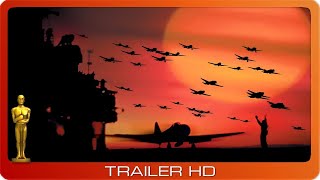
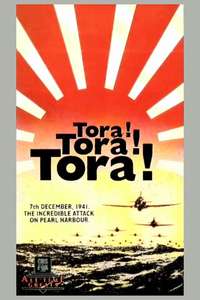
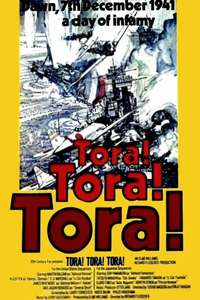
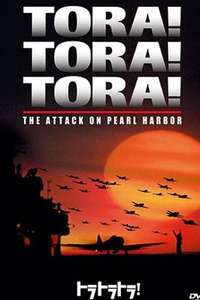
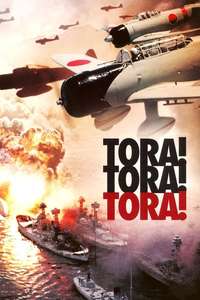
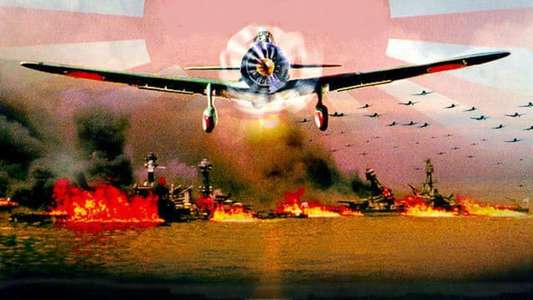
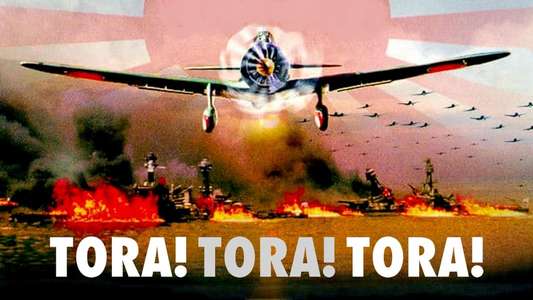
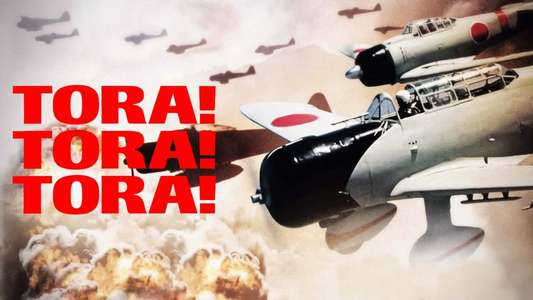
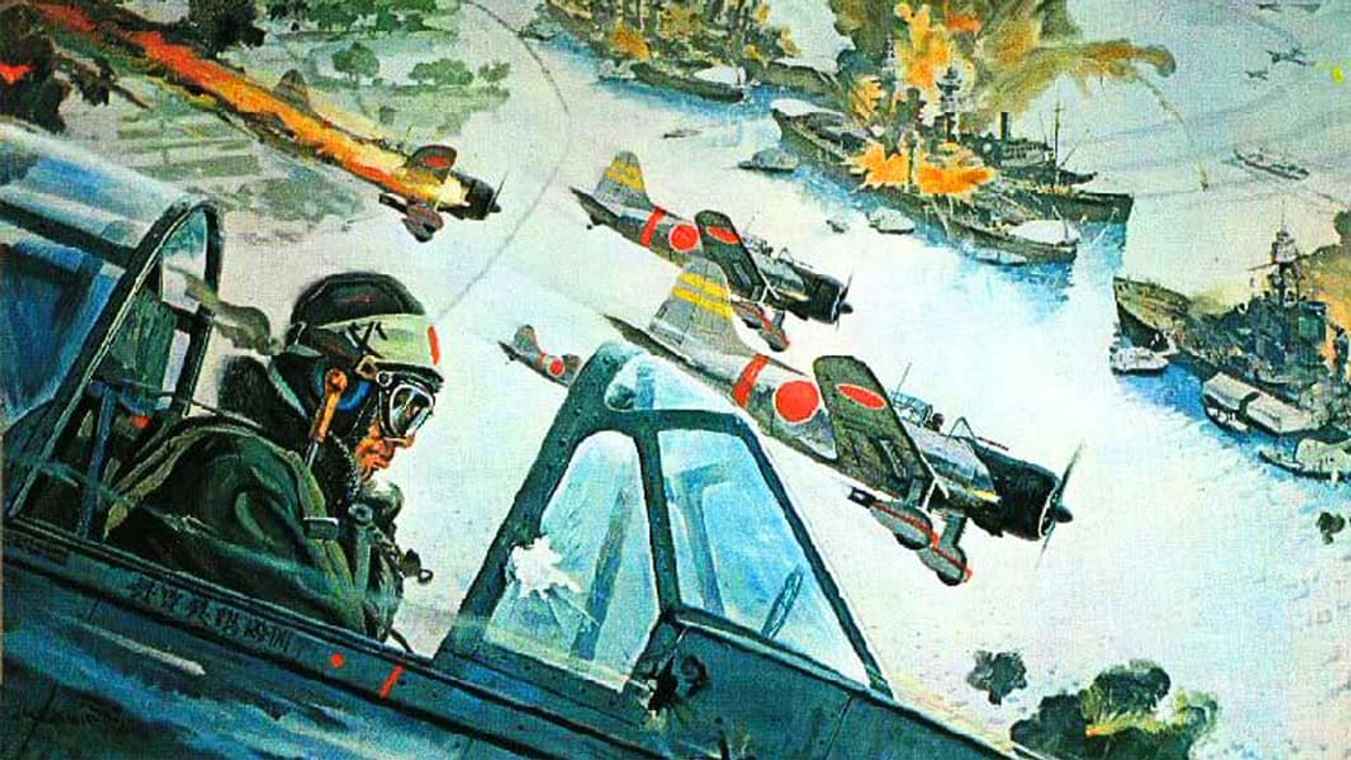
The previous war epic by Darryl F. Zanuck, The Longest Day (1962) was an extreme success. As stated by his son, producer Richard D. Zanuck, this was because it was about victory. He noted in contrast that Tora! Tora! Tora! is about defeat. Although the film made a great deal of money, it did nowhere near as well as The Longest Day. Where is was a genuine smash was in Japan. For the Japanese audience, it did not only depict a victory (after twenty-five years of films depicting defeat) but it put the attack on more understandable footing; identifying not only the villains but also the motivations of those believed that their actions were honorable.
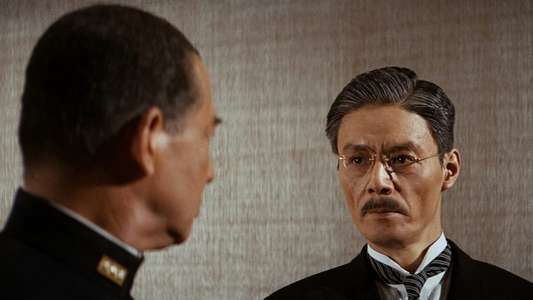
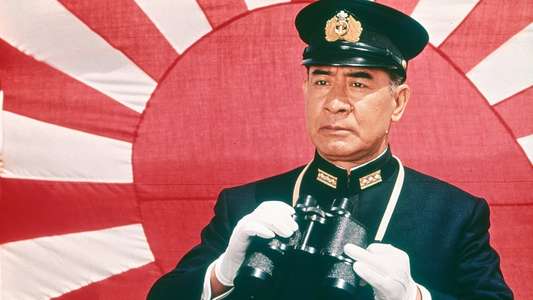
Admiral Isoroku Yamamoto almost certainly did not utter his famous quotation about having "roused a sleeping giant and filled him with a terrible resolve." It seems to be a post-war invention based on Yamamoto's actual beliefs on the likely outcome of war with the U.S., and his affinity for the U.S. in general. It appears to be a more dramatic re-write of a letter he sent a month after the attack, in which he wrote, "A military man can scarcely pride himself on having 'smitten a sleeping enemy'. It is more a matter of shame, simply, for the one smitten. I would rather you made your appraisal after seeing what the enemy does, since it is certain that, angered and outraged, he will soon launch a determined counterattack." By contrast, his warning earlier in the film about attacking the U.S. that begins with, "If I am told to fight, I shall run wild for the first six months", is largely accurate.
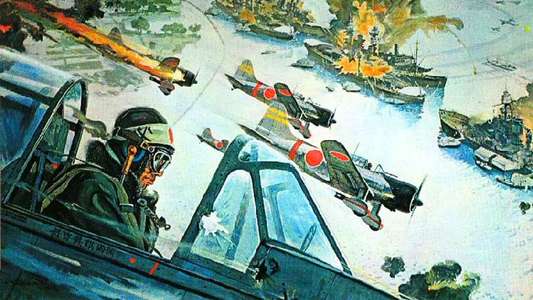
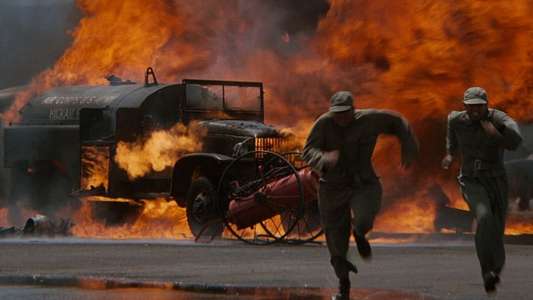
The wounded sailor shown firing back at the strafing Japanese planes late in the film near the conclusion of the attack is based on Chief Ordnanceman John Finn, who was stationed at Kaneohe Naval Air Station on December 7, 1941. He set up a .50 caliber machine gun mount, and despite being wounded several times, fired back at strafing Zero fighters during the second attack wave, hitting several of them, and even shooting down one, piloted by combat unit leader Lieutenant Fusata Iida. Finn was later awarded the Medal of Honor for valor beyond the call of duty.
When Japanese characters refer to the date of the attack, they actually say "December 8." It's technically correct, as Japan is a day ahead of the U.S. It was translated as "December 7" in the subtitles to avoid confusing U.S. audiences.
The African-American mess attendant seen shooting at the Japanese planes is based on Seaman First Class Doris "Dorie" Miller who was stationed on the U.S.S. West Virginia. He was the first African-American to be awarded the Navy Cross, second only to the Medal of Honor in the U.S. Armed Forces Order of Precedence. Without any training, he fired an unattended machine gun at the Japanese aircraft until it was out of ammunition. Cuba Gooding Jr. portrayed him in Pearl Harbor (2001). The USS Doris Miller (CVN-81) is a future Gerald R. Ford-class aircraft carrier. She is scheduled to be laid down January 2026, launched October 2029, and commissioned in 2032.
"[last lines] Admiral Isoroku Yamamoto: I had intended to deal a fatal blow to the American fleet by attacking Pearl Harbor immediately after Japan's official declaration of war. But according to the American radio, Pearl Harbor was attacked 55 minutes before our ultimatum was delivered in Washington. I can't imagine anything that would infuriate the Americans more. II fear all we have done is to awaken a sleeping giant and fill him with a terrible resolve."
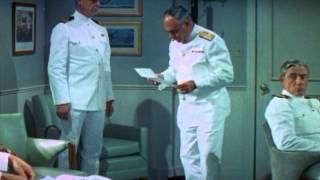
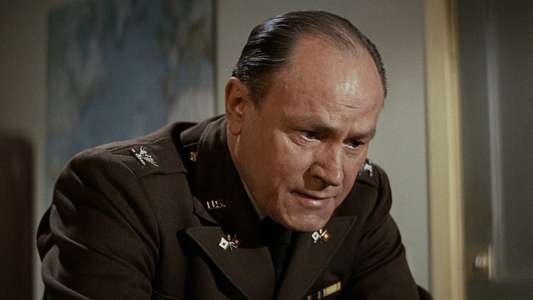
"[a bullet smashes through the window of Kimmel's office and hits him in the chest, but only tears his uniform before falling to the floor. Commander Curts picks it up] Commander Maurice E. Curts: It's spent, sir. [Kimmel stares at the bullet] Admiral Husband E. Kimmel: [somberly] Would've been merciful had it killed me."