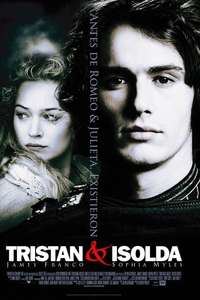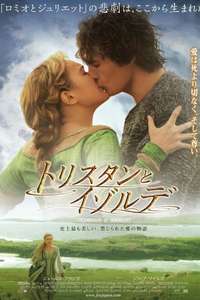

Movie |
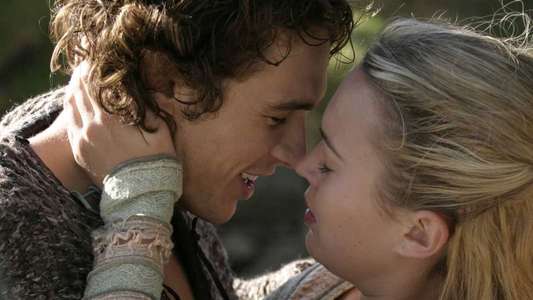
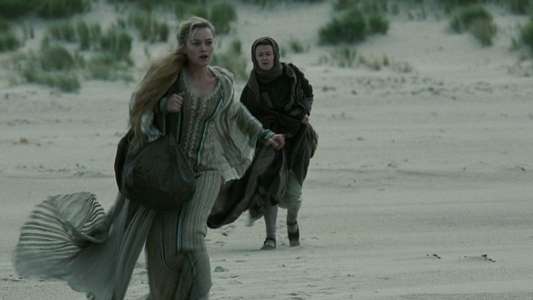
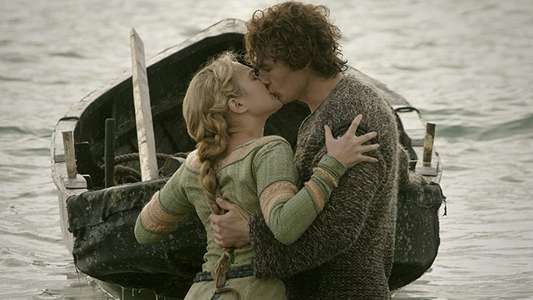
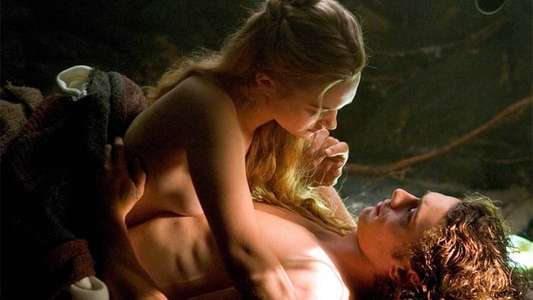
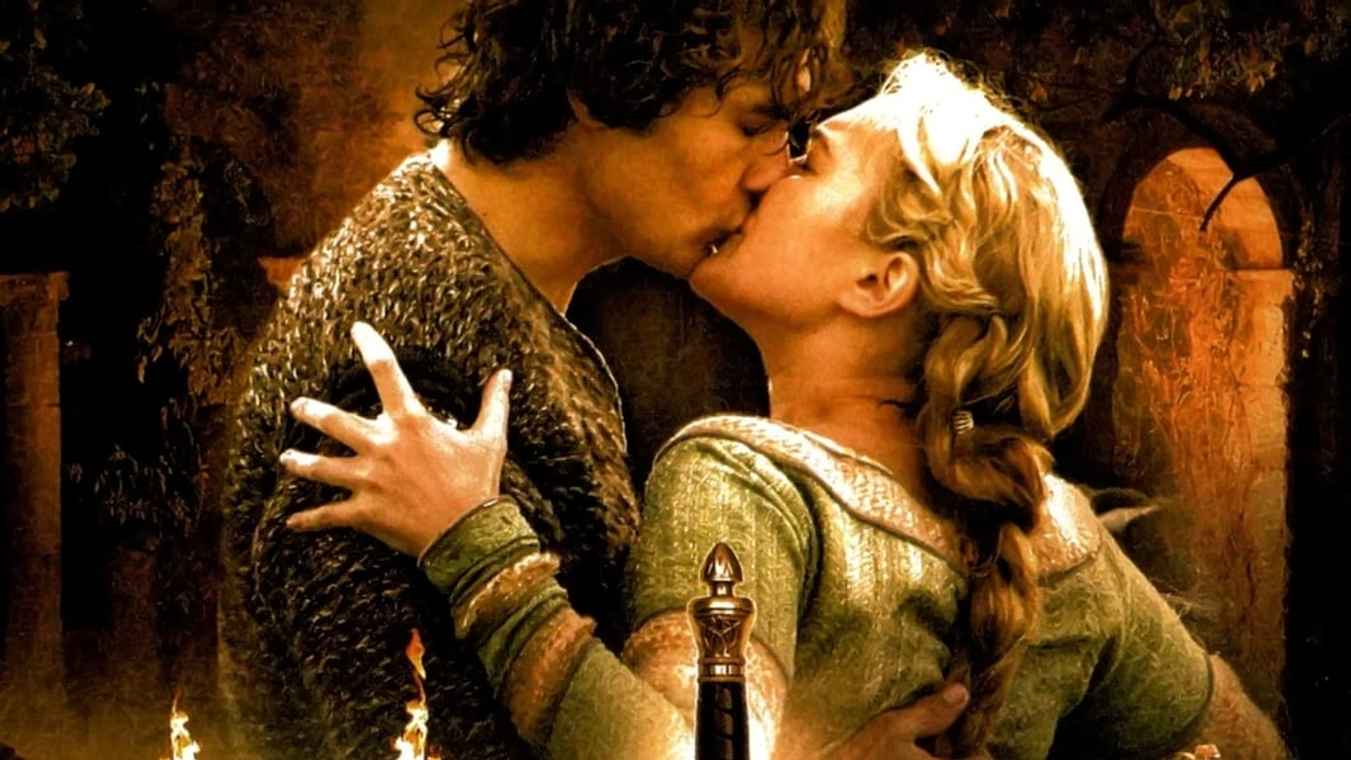
Star Crossed Lovers | In Love With Enemy
Disclaimer: All content and media belong to original content streaming platforms/owners like Netflix, Disney+ Hotstar, Amazon Prime Videos, JioCinema, SonyLIV etc. 91mobiles entertainment does not claim any rights to the content and only aggregate the content along with the service providers links.









Budget 31,000,000 USD
Box Office Collection 28,000,000 USD
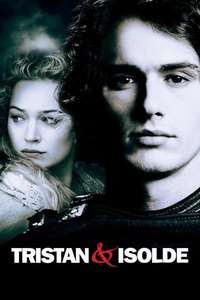
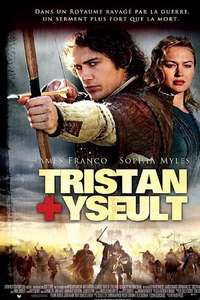
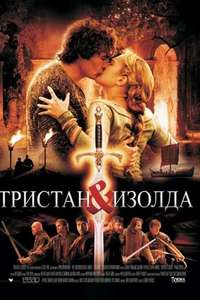
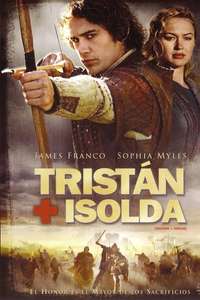
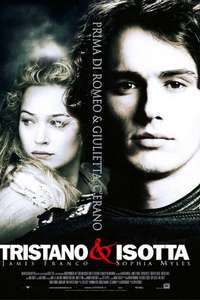
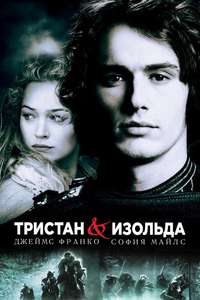
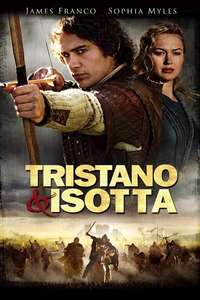
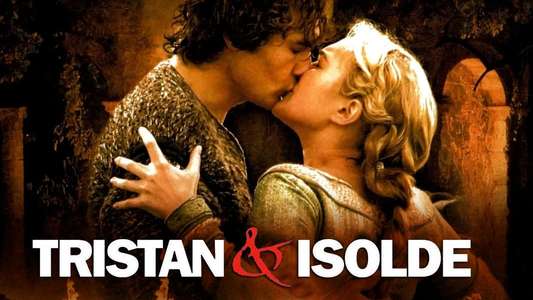
The first known written version of the Tristan and Isolde story was done in France around 1235 by two men calling themselves Luce de Gat and Helie de Boron. Scattered references have been found to a lost older source, brought to France by English exiles. In some versions of the story, Tristan is called Tristram, and Isolde is called Iseult or Yseult, among other spellings.
Originally Ridley Scott was going to direct the film in the late-'70s, right after his debut film The Duellists (1977). He put the film aside to direct Alien (1979).
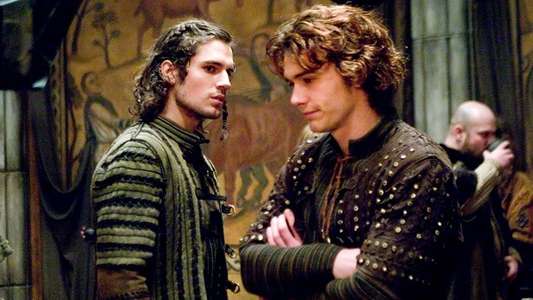
The dynamic between Marke, Isolde, and Tristan is similar to Arthur, Guinevere, and Lancelot. Some scholars believe that they originated as the same source story, and then split apart into two versions. In some King Arthur books, Marke's kingdom coexists with Arthur and Camelot, and Lancelot meets Tristan and they compare notes.
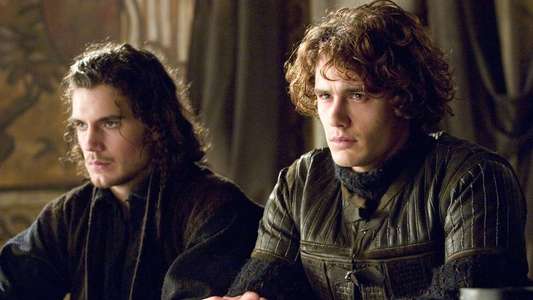
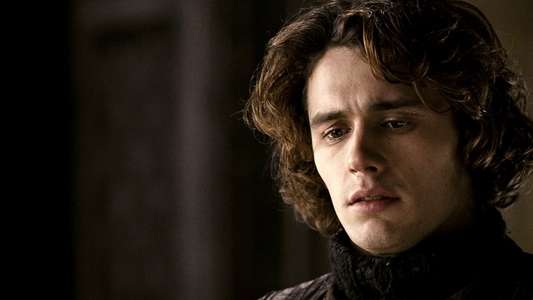
James Franco stated it was his most regrettable role.
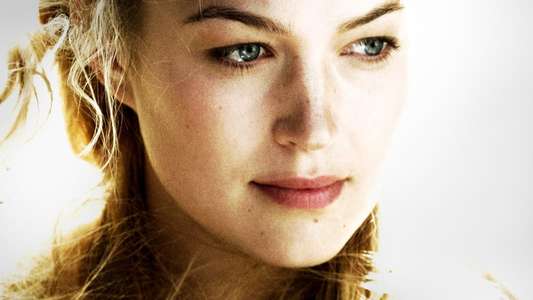
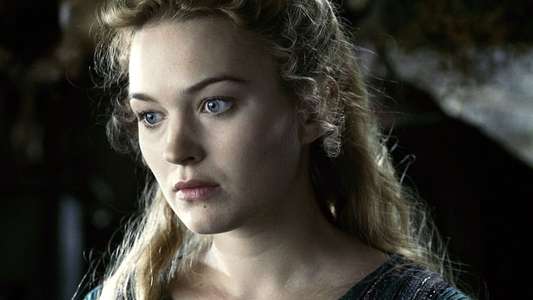
The best known version of the Tristan and Isolde legend is Richard Wagner's opera, written in 1859 and first performed in 1865. In Love Conquers All: The Making of Tristan + Isolde (2006), Sophia Myles said that when she was first offered the role of Isolde, she thought the movie was an adaptation of the opera.
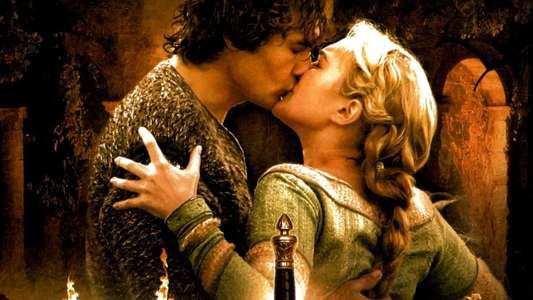
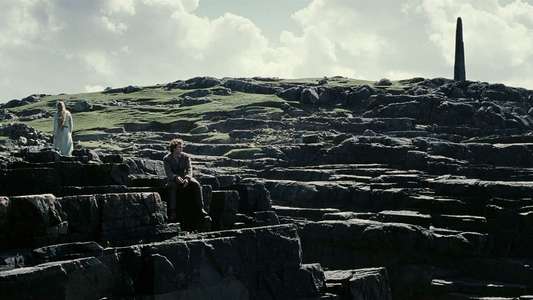
"[repeated lines] Isolde: [reading] My face in thine eyes, thine in mine appears, And true plain hearts do in the faces rest; Where can we find two better hemispheres Without sharp north, without declining west? Whatever dies, was not mixed equally; If our two loves be one, or thou and I love so alike - that none can slacken, none can die."
"Isolde: Know that I love you Tristan. Wherever you go, whatever you see. I will always be with you. [his last lines] Tristan: You were right. I don't know if life is greater than death. But love was more than either."