
Movie |
Lakota Tribe | Biography
Disclaimer: All content and media belong to original content streaming platforms/owners like Netflix, Disney+ Hotstar, Amazon Prime Videos, JioCinema, SonyLIV etc. 91mobiles entertainment does not claim any rights to the content and only aggregate the content along with the service providers links.












Best International Actress For | 2019 | Jessica
Best International Actress | 2019 | Jessica
US Narrative | 2018 | Susanna
Best Narrative Feature | 2018 | Susanna
Best Film | 2018 | Edward
2018
The movie implies Caroline and Sitting Bull had no connection prior to her arrival in Standing Rock, which is inaccurate. They began corresponding around 1888, after Sitting Bull was in Washington, discussing fair prices for Dakota land and maps of the government's plans to reduce the size of the tribes' reservations at length.
The movie states that Caroline Weldon was a widow, which is inaccurate. She was married to Bernhard Claudius Schlatter, and left her husband for another man, with whom she had a son. She reportedly took her son with her to the Sioux settlement to meet Sitting Bull and live among the native Americans. She eventually got a divorce in 1883.
Though Sitting Bull's death is not historically accurate in the movie, it is portrayed with the sense of many native Americans, who often state that his death was a betrayal of the US government to a political leader.
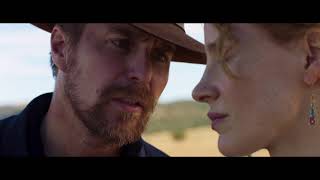
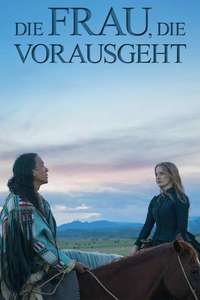
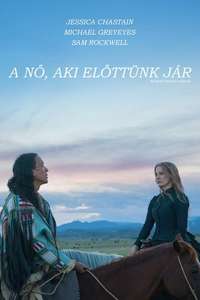
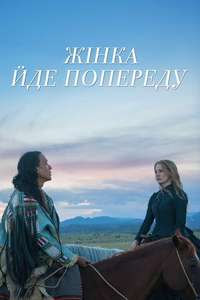
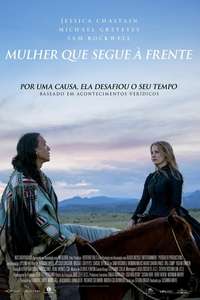
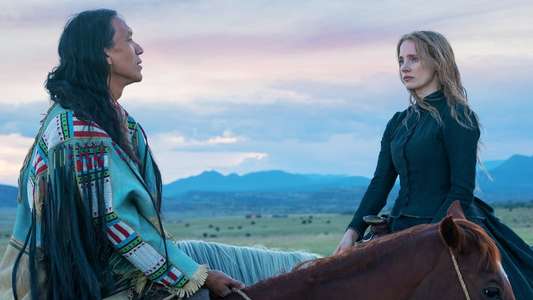
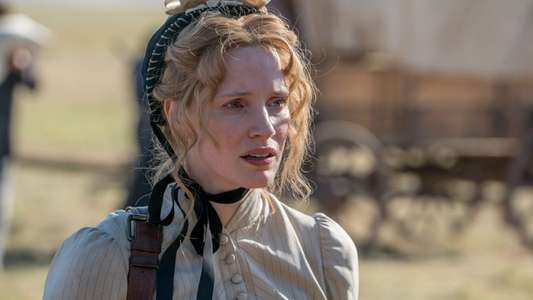
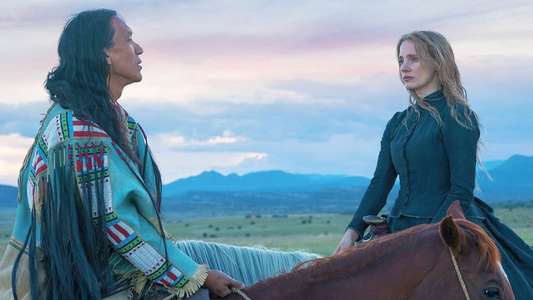
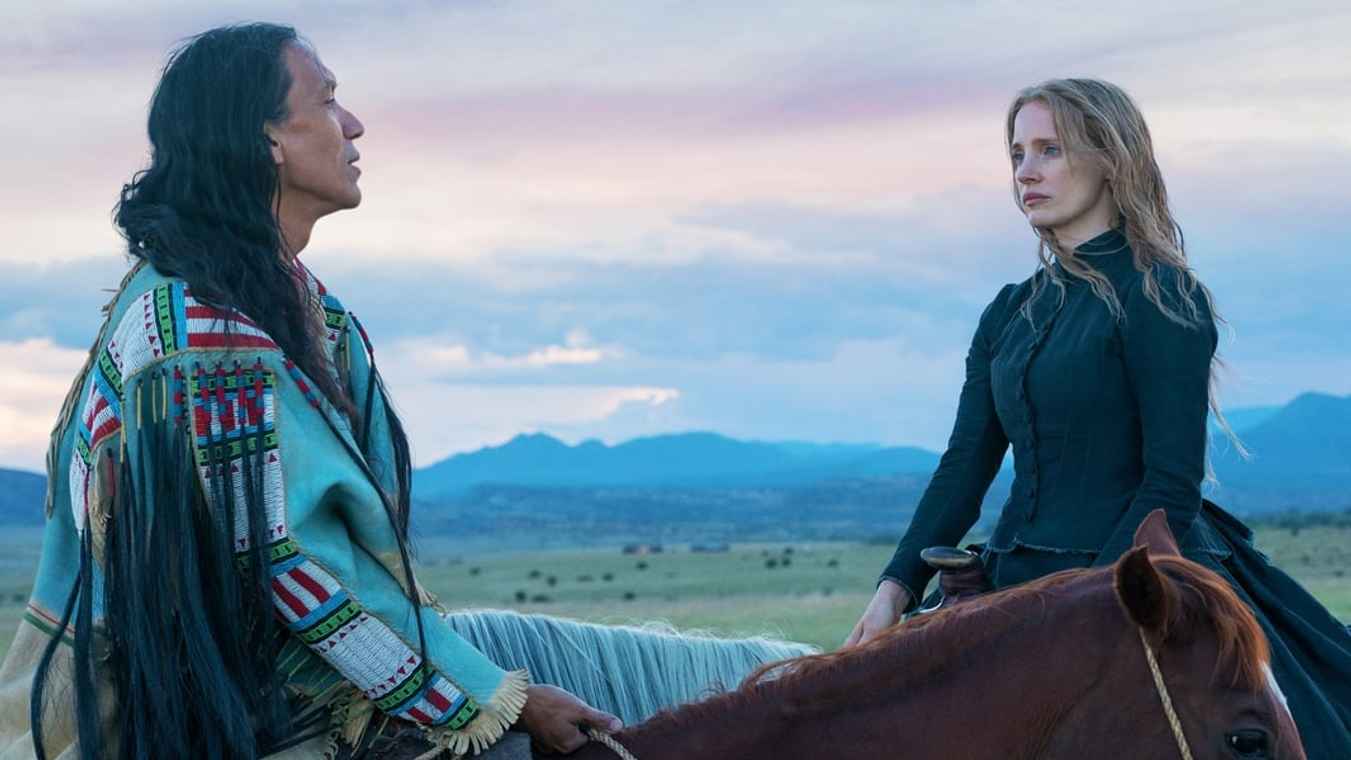
In 1887, the Dawes Act was passed, and residents of the Dakota Territory tried to pressure the Sioux people, who lived on land they wanted to occupy, to move to a reservation. When Susanna Faesch heard that Sitting Bull, leader of the Hunkpapa Lakota Sioux, was opposed to the plan, she began to write him letters. In 1889, Susanna, being a divorced single-mother of an illegitimate child, a social outcast, and legally unable to remarry, took on a new identity as Caroline (Catherine) Weldon, and moved with her son to Standing Rock Reservation to become Sitting Bull's secretary/representative. She began to try to organize his supporters in the area to oppose the Sioux Bill. Local newspapers vilified Weldon as a harpy who was in love with Sitting Bull and called her his "white squaw." During the time Weldon was with Sitting Bull, a religious movement called the Ghost Dance swept through the area. Caroline warned Sitting Bull that siding with the Ghost Dancers would turn him into a target, but he ignored her. She began to advocate against the dance, causing a rift with Sitting Bull, and finally, she left the reservation.
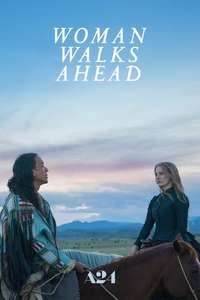
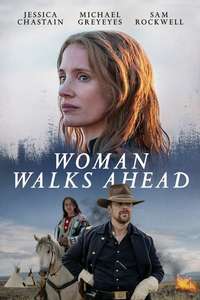
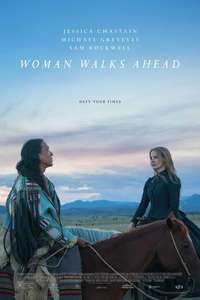
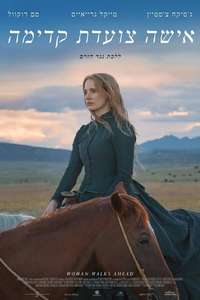
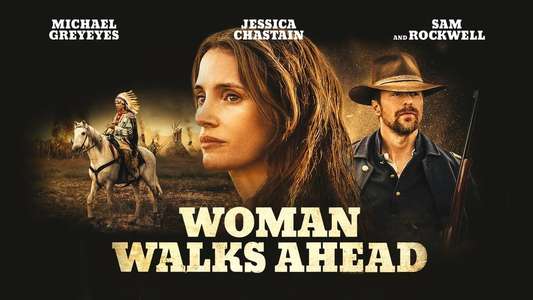
The movie is based on Eileen Pollack's "Woman Walking Ahead: In Search of Catherine Weldon and Sitting Bull", a book released on 2002.
"Sitting Bull: She's from New York. Catherine Weldon: I thought you liked New York. Sitting Bull: Too many people with too much. Too many people with nothing at all. Your society values people by how much you have... ours by how much we give away."
"Catherine Weldon: It's darn hard being brave."