
Movie |
Voodoo | Haiti
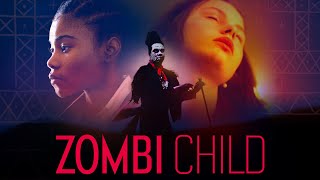
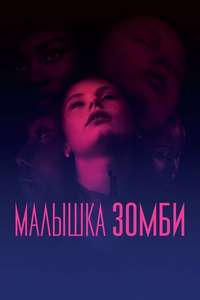
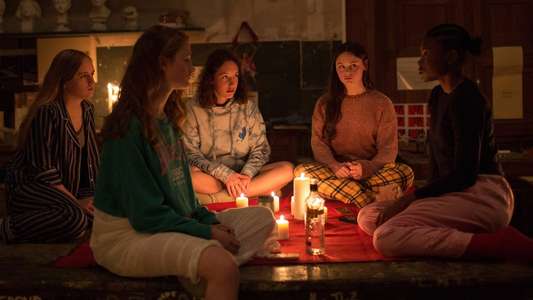
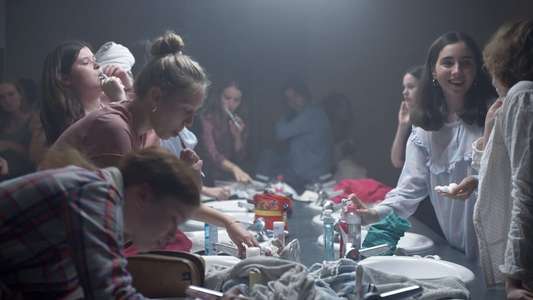
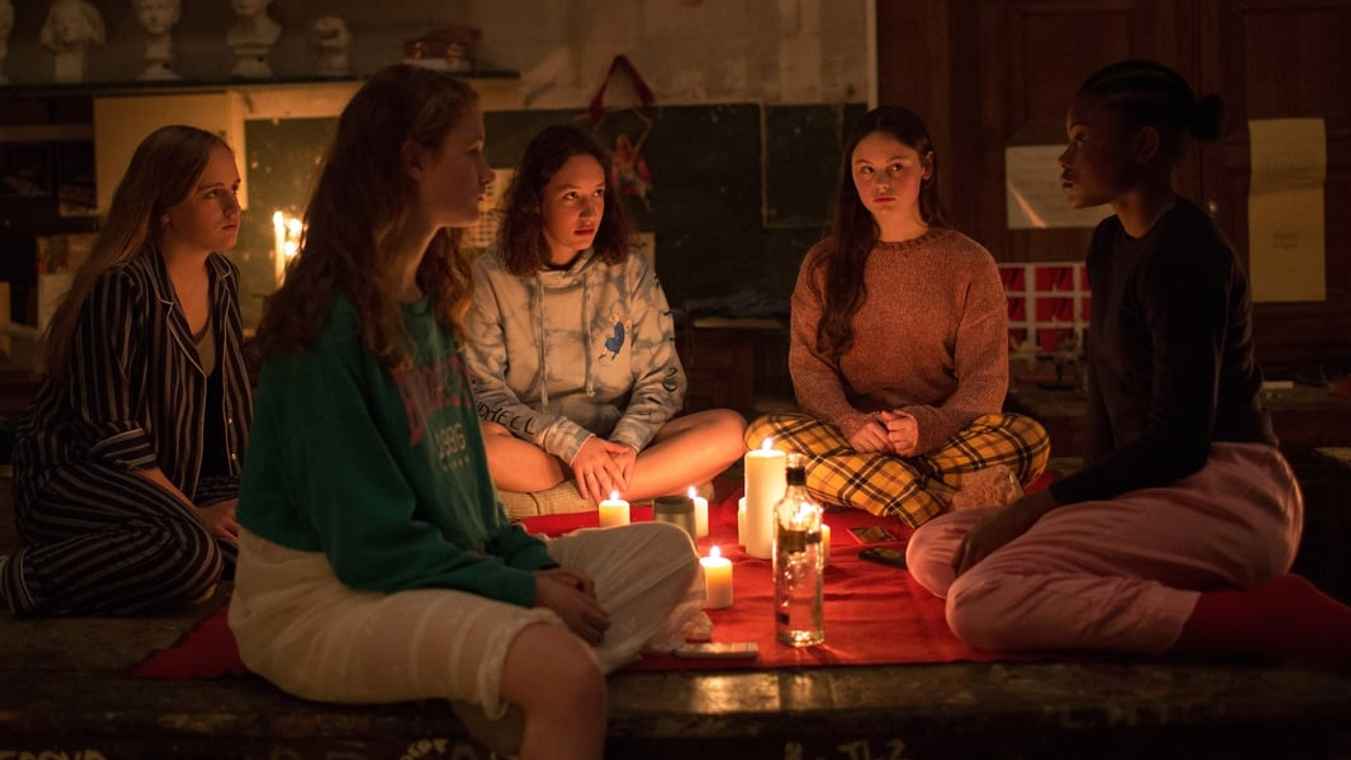
Haiti, 1962: A man is brought back from the dead only to be sent to the living hell of the sugarcane fields. In Paris, 55 years later, at the prestigious Légion d’honneur boarding school, a Haitian girl confesses an old family secret to a group of new friends - never imagining that this strange tale will convince a heartbroken classmate to do the unthinkable.
Disclaimer: All content and media belong to original content streaming platforms/owners like Netflix, Disney+ Hotstar, Amazon Prime Videos, JioCinema, SonyLIV etc. 91mobiles entertainment does not claim any rights to the content and only aggregate the content along with the service providers links.








Haiti, 1962: A man is brought back from the dead only to be sent to the living hell of the sugarcane fields. In Paris, 55 years later, at the prestigious Légion d’honneur boarding school, a Haitian girl confesses an old family secret to a group of new friends - never imagining that this strange tale will convince a heartbroken classmate to do the unthinkable.
Best NonUS Release | 2020
Grand Prix du Festival | 2019 | Bertrand
2019 | Bertrand
Best Feature | 2019 | Bertrand
Best Film | 2019 | Bertrand
2019 | Bertrand
Best Motion Picture | 2019 | Bertrand
The demon in this movie, Baron Samedi, is the same demon summoned in 1974's zombie film, Sugar Hill. Respectively, the clothing and characteristics of Samedi and the requirements and warnings concerning his summoning are also similar, reflecting his description in Haitian folklore.
A mambo is a priestess (as opposed to a houngan, a male priest) in the Haitian Vodou religion. Haitian mambos are female leaders in Vodou temples who perform healing work and guide others during complex rituals. This form of female leadership is prevalent in urban centers such as Port-au-Prince (the capital of Haiti). Typically, there is no hierarchy among mambos and houngans. These priestesses and priests serve as the heads of autonomous religious groups and exert their authority over the devotees or spiritual servants in their hounfo (temples). Mambos and houngans are called into power via spirit possession or the revelations in a dream.
The zombie belief has its roots in traditions brought to Haiti by enslaved Africans and their subsequent experiences in the New World. It was thought that the voodoo deity Baron Samedi would gather them from their grave to bring them to a heavenly afterlife in Africa ("Guinea"), unless they had offended him in some way, in which case they would be forever a slave after death, as a zombie. A zombie could also be saved by feeding them salt. English professor Amy Wilentz has written that the modern concept of Zombies was strongly influenced by Haitian slavery. Slave drivers on the plantations, who were usually slaves themselves and sometimes voodoo priests, used the fear of zombification to discourage slaves from committing suicide.
The maisons d'éducation de la Légion d'honneur were the French secondary schools set up by Napoleon and originally meant for the education of girls whose father, grandfather or great-grandfather had been awarded the Légion d'honneur. Access is still by hereditary right.
Baron Samedi is one of the loa of Haitian Vodou. He is a loa of the dead, along with Baron's numerous other incarnations Baron Cimetière , Baron La Croix and Baron Criminel. He is syncretized with Saint Martin de Porres. He is the head of the Gede family of loa; his brothers are Azagon Lacroix and Baron piquant and he is the husband of Maman Brigitte together they are the guardians of the past, of history and heritage.