Picking NBA 2K27 as the debut game for DLSS 5 is a smart move. Nvidia knows too well that sports games are always pushing for realism, be it gameplay or graphics.
While I did get a hands-on demo at the Nvidia booth at Gamescom, this performance review is on the final version of the game.
Table of Contents
DLSS 5 Performance
NBA 2K27 doesn’t offer any sliders like Ray Tracing or Path Tracing to adjust the intensity of AI being used for predictive spit polish on material, textures and lighting. It’s just a toggle called 3D-Guided Neural Rendering, which is basically DLSS 5.
Right off the bat, the frame rate tanked to a whopping 67% when DLSS 5 is enabled in NBA 2K27. The average frame rate went from 126.8 FPS down to 41.8 FPS.
This is, by all means, not an ideal playable experience for a sports game that requires at least 60FPS to feel enjoyable.
However, Nvidia has a few generative tricks up its sleeve to fix this problem, but we’ll get to that in a bit.
| Graphics | DLSS 5 | Upscaling | Frame Generation | Setting | Average PC Latency (ms) |
| 4K + Highest | No | DLAA | No | 126.8 | 26.9 |
| 4K + Highest | Yes | DLAA | No | 41.8 | 60.3 |
| 4K + Highest | Yes | DLAA | 2x | 68.8 | 79.2 |
| 4K + Highest | No | DLAA | 2x | 183.5 | 31.9 |
| 4K + Highest | Yes | Quality | No | 40.8 | N/A |
| 4K + Highest | No | Quality | No | 144.5 | N/A |
A quick disclaimer: our PC test bench consists of an Intel i9-13900K plonked in a Gigabyte Z790 Aorus Pro X motherboard along with 32GB of RAM and an Nvidia RTX 5070 Ti.
The game was tested at 4K with the highest possible graphical settings. We only tweaked DLSS 5, Frame Generation and DLSS upscaling quality settings to check performance metrics. You can expect higher frame rates with lower resolutions.
Currently, DLSS 5 only works on Nvidia GeForce RTX 50 series, but according to Nvidia's official Reddit page, DLSS 5 will be coming to GeForce RTX 40 Series as well.
Add more AI to fix AI
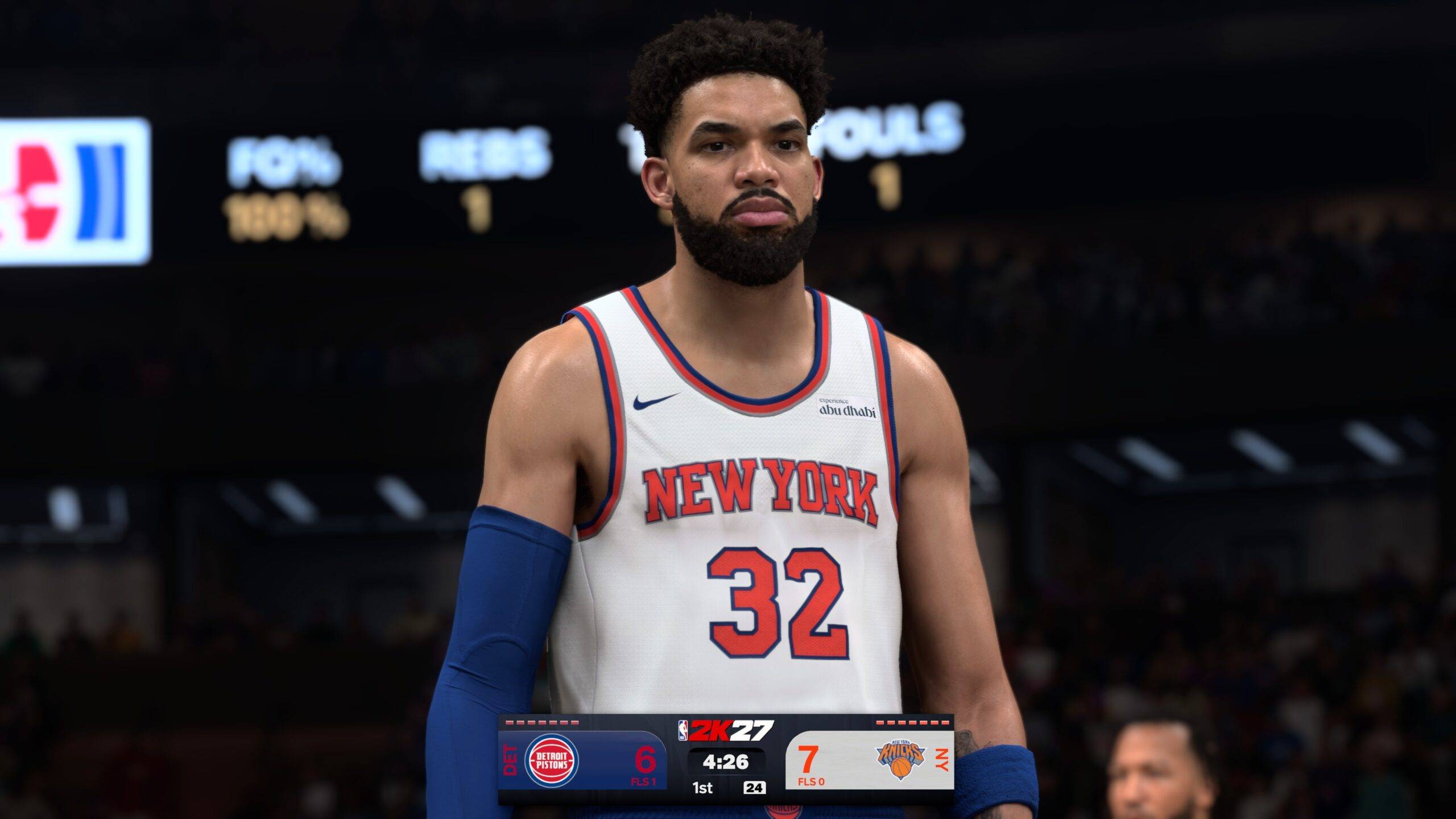
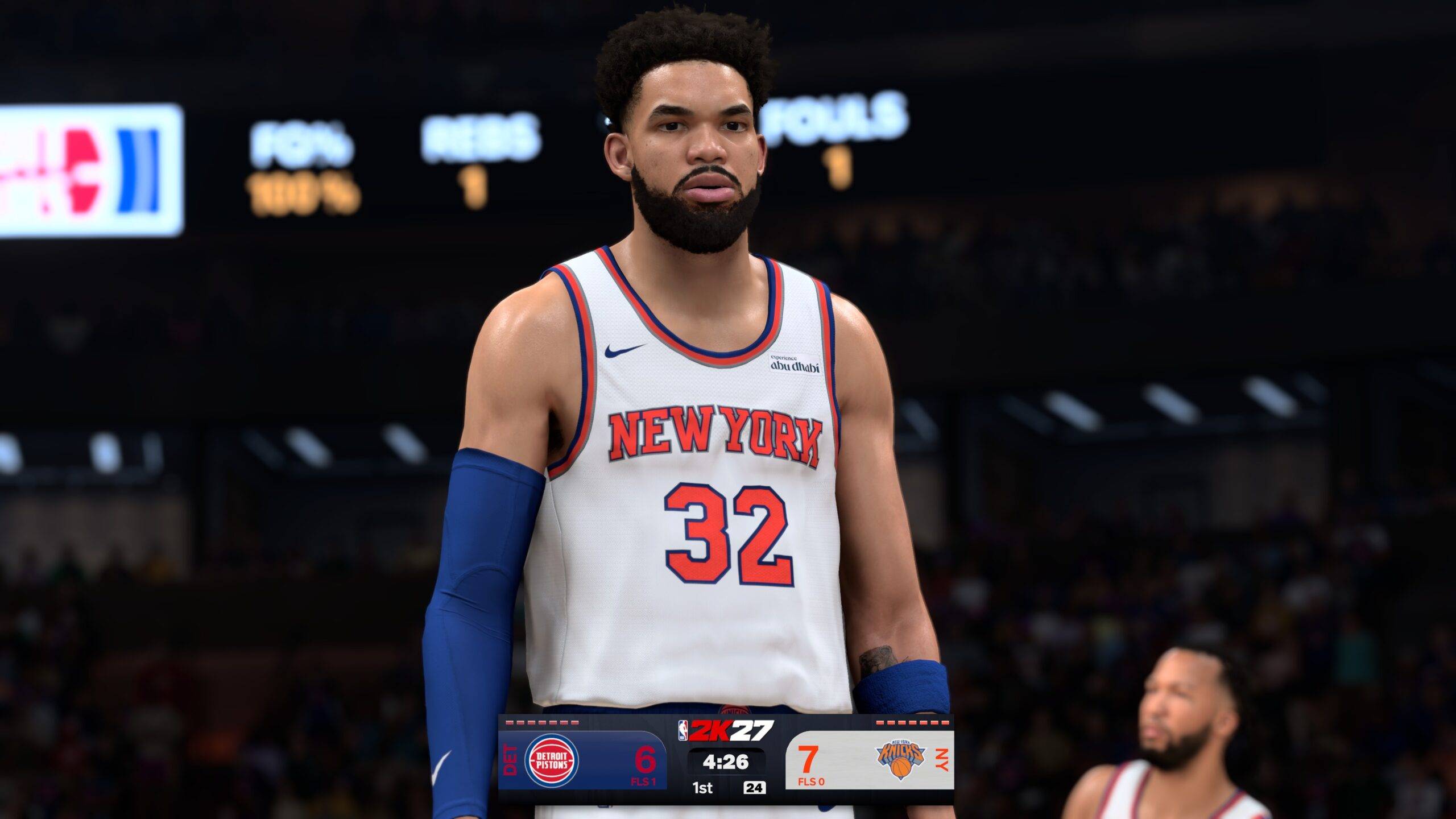
To fix the frame drop issue, Nvidia suggests using DLSS 5 with Frame Generation. All of Nvidia's marketing and PR material shows the frame rate running with Frame Generation enabled.
So we first turned off DLSS 5 and enabled 2X Frame Generation. We got an excellent 183.5 FPS average, with a system latency that remains highly responsive at 31.9 ms.
As for DLSS 5 enabled at 2X Frame Generation, the average framerate plummets to 68.8 FPS, representing a staggering 62% performance loss compared to running without it.
You can look at it from a different angle where 2X Frame Generation was able to almost double the playable frame rate for the game with DLSS 5 enabled. There's no doubt that it's a useful technology, but the latency penalty is something you need to keep in mind.
With DLSS 5 active during Frame Generation, PC Latency balloons to 79.2 ms, adding nearly 50 ms of input delay.
Let's assume you don't enjoy the latency fiasco. We booted Frame Generation from our test and went back to plain and simple DLSS Upscaling.

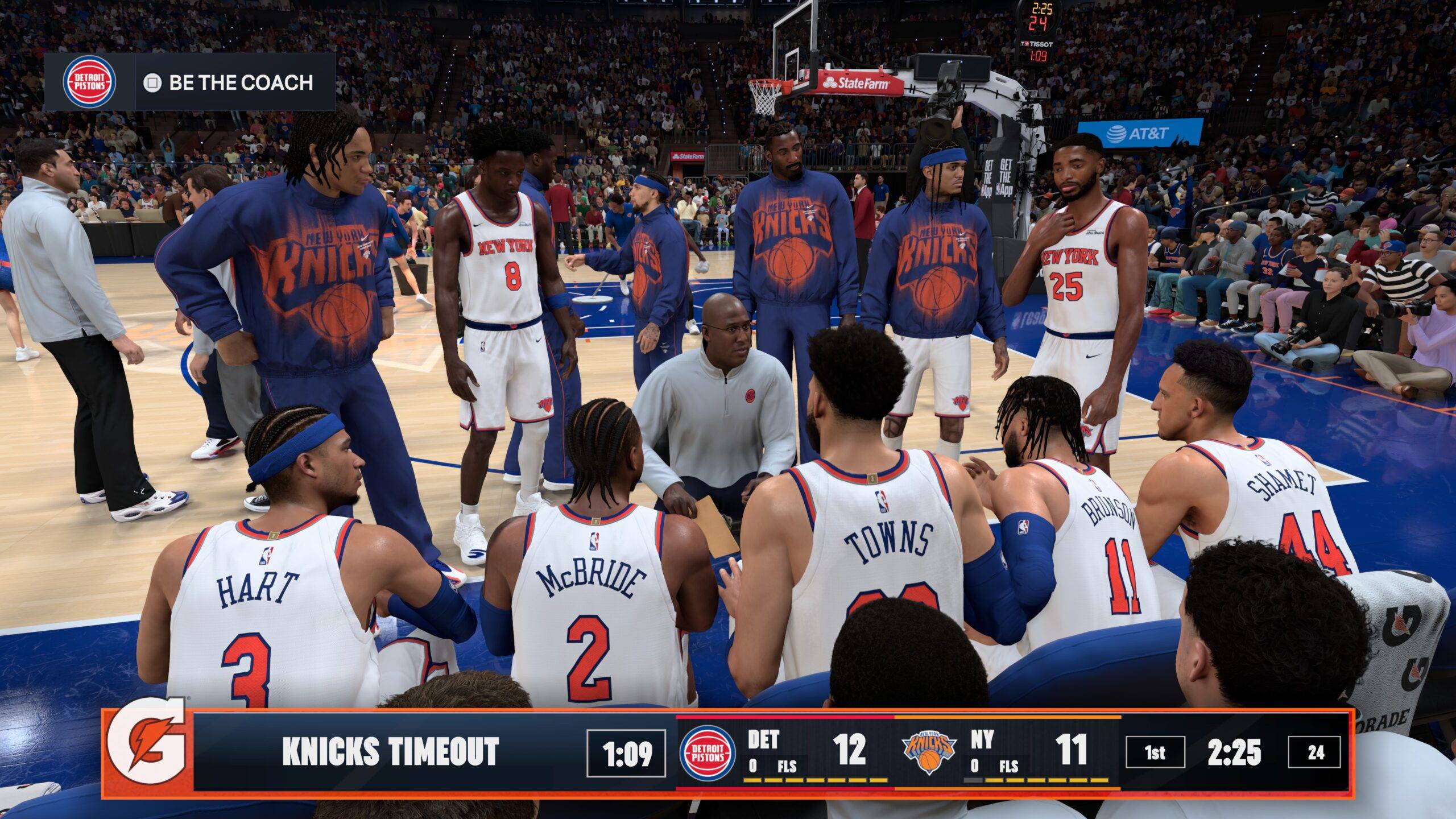
So far, all our tests were done with Upscaling set to DLAA.
After setting DLSS to Quality and turning off DLSS 5, we got a smooth 144FPS average, demonstrating solid engine optimisation when relying on previous-generation upscaling.
With DLSS 5 enabled and Upscaling set to Quality, the performance tanks to a sluggish 40FPS average.
Weirdly enough, there was not much of a frame rate difference between the original setting, where we got around 41.8 FPS average with DLSS 5 enabled with Upscaling set to DLAA as default, and at Quality.
Nvidia told us that 3D-Guided Neural Rendering, aka DLSS 5, happens after the raster image is rendered, and Frame Generation happens after DLSS 5 is rendered.
Take a photo
There's absolutely no doubt in my mind that the image DLSS 5 spits out is a hundred times better than whatever 2K27 artists have done with faces in the game. The ongoing fear with the gaming community is that relying on DLSS 5 too much might make the developers lazy with sculpting and creating closer-to-life 3D models.
However, the visual uplift in jersey material and faces is genuinely good in NBA 2K27, and if anyone says otherwise, they're lying.
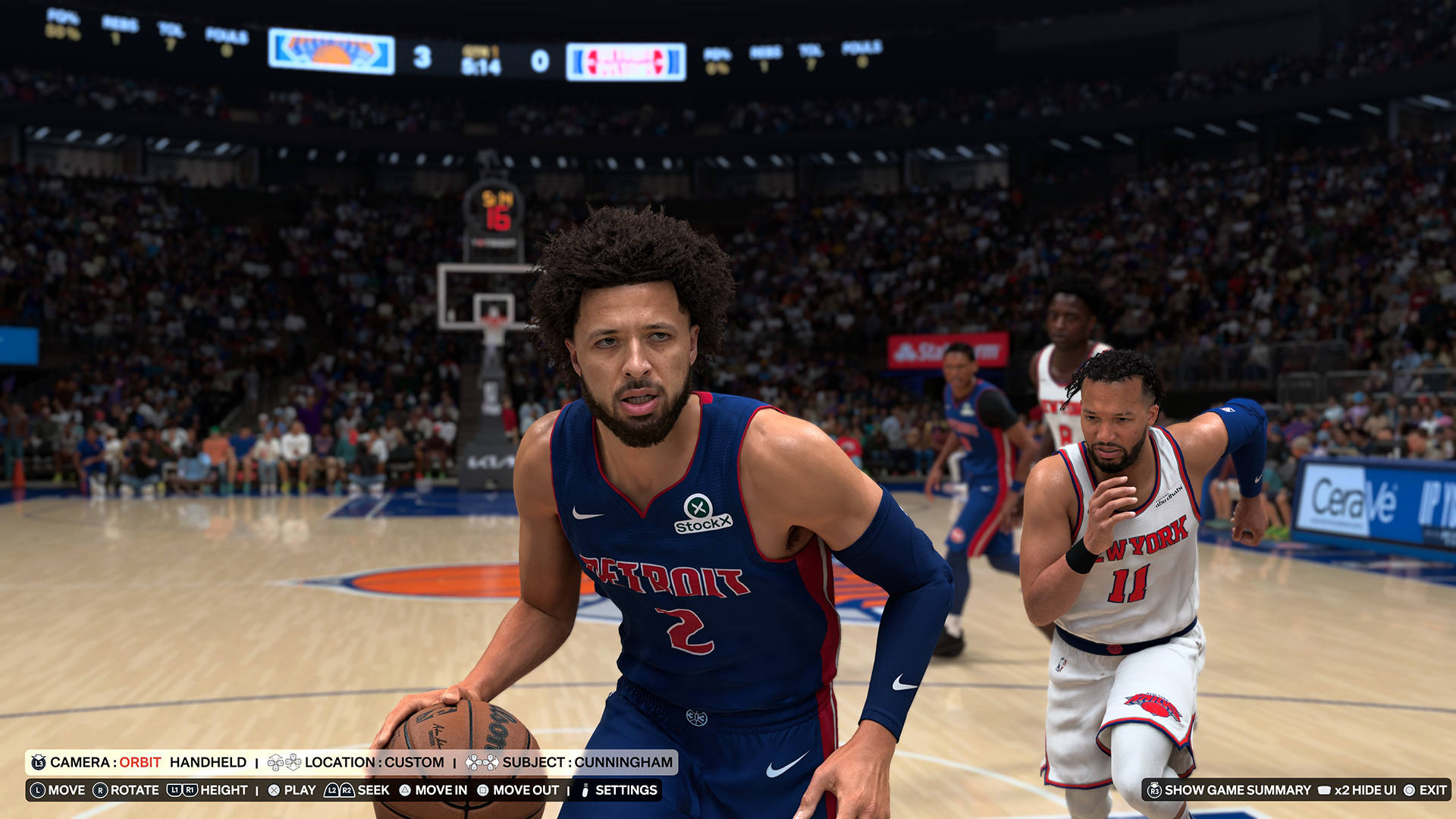
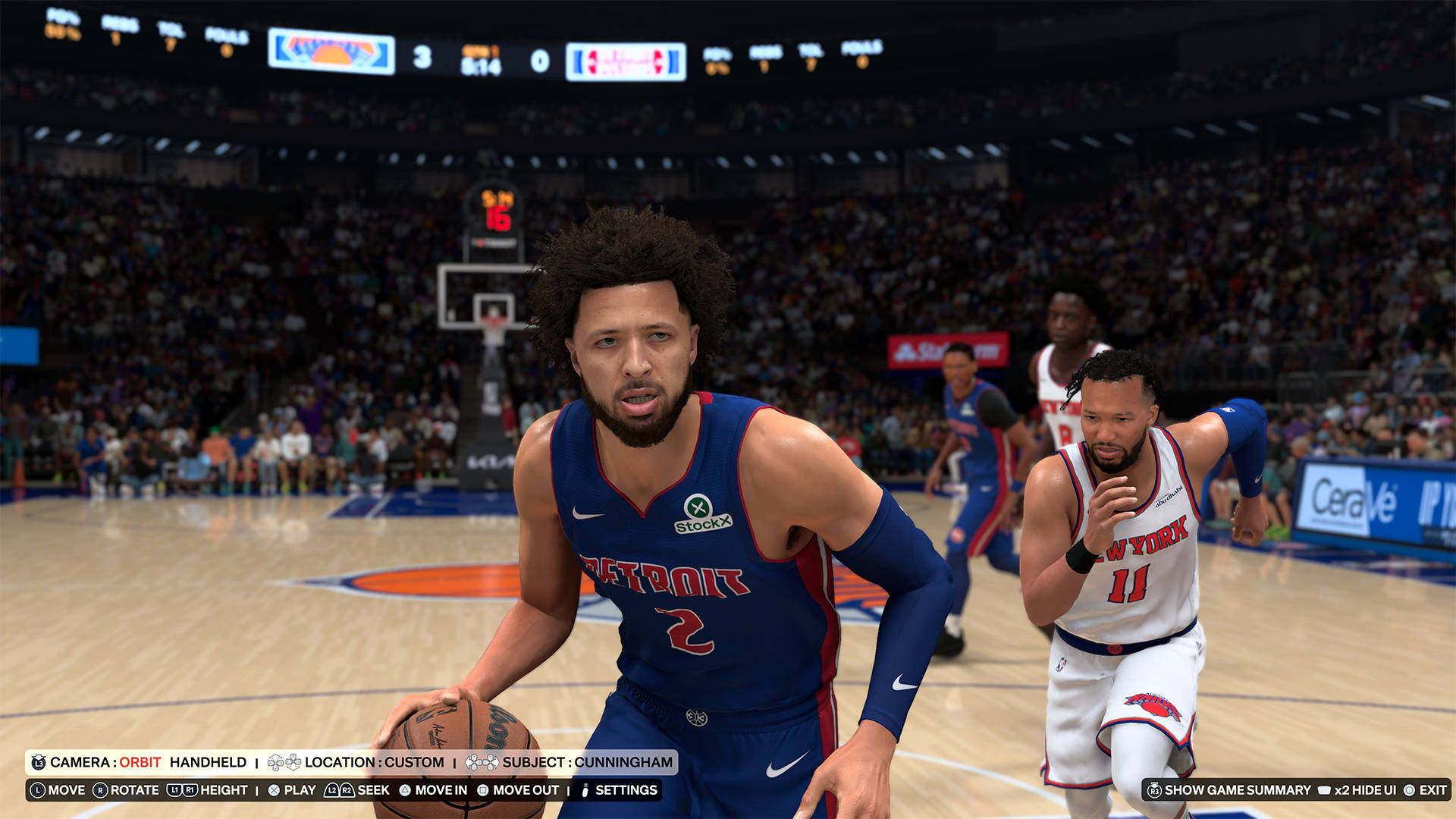
Faces have more realistic skin tones, hair texture and even light interaction with surface scattering. The fact that all of this is happening with a generative model is quite astounding. I assume the same level of detail and lighting without DLSS 5 would melt the most expensive gaming PCs.
So Nvidia isn't too far from the objective. 3D-Guided Neural Rendering exists to achieve photorealism, and that may take time to optimise, just like it did with Ray Tracing.
Verdict
I strongly believe that 3D-Guided Neural Rendering shouldn't be put inside the DLSS category because it might give the wrong impression.
Unlike the previous DLSS technologies, 3D-Guided Neural Rendering isn't exactly a performance-based upscaling technique. It's more of a visual upscaling technique, which can only be treated as a performance-based upscaling technique if the developer actually injects the photoreal render into the raster pipeline.
Meaning, if I could see the rendered performance of a 3D object that looks identical to the Neural Rendered 3D object, I would be able to confirm or deny if 3D-Guided Neural Rendering is actually achieving its goal while eating fewer resources than the original.


However, since the baseline for photorealism isn't ever rendered in games like NBA 2K27 or any other game Nvidia has demoed until now, DLSS 5 remains a performance shin-kicker.
DLSS 5 with 3D-Guided Neural Rendering might look better for immersive games like Alan Wake 2 and Resonance: A Plague Tale Legacy, in my opinion. Typically, games where environmental storytelling and slow-paced gameplay could actually make the DLSS 5 visuals feel welcome.