
Google Pixel 11 Pro Fold
+ Compare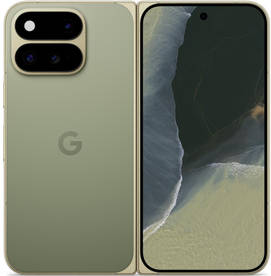

-
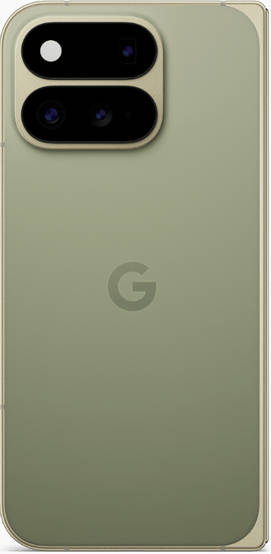
Design14
-
Rear Camera14

-
Front Camera4

-
360° View
![360° View]()
-
UI Screenshot16
![UI Screenshot]()
-
Videos3
![Videos]()


Key Specs
Performance
-
Google Tensor G6 -
Hepta Core (4.11 GHz, Single Core + 3.38 GHz, Quad core + 2.65 GHz, Dual core) -
16 GB RAM, LPDDR5X
Display
-
Main Display - 8 inches (20.32 cm); OLED
- 2076x2152 px
- 120 Hz Refresh Rate
- Bezel-less with punch-hole display
-
Cover Display - 6.3 inches (16 cm); OLED
- 1080x2342 px
- 120 Hz Refresh Rate
- Gorilla Glass Protection
Rear Camera
-
Triple Camera Setup - 48 MP (upto 30x Digital Zoom) Primary Camera
- 10.5 MP Ultra-Wide Angle Camera
- 10.8 MP Telephoto (upto 5x Optical Zoom) Camera
-
LED Flash -
UHD @24/30/60 fps Video Recording
Front Camera
-
10 MP + 10 MP -
Screen flash -
UHD @30/60 fps Video Recording
Battery
-
4806 mAh, Li-ion -
30W Quick Charging; USB Type-C port
General
-
SIM1: Nano, SIM2: eSIM -
5G Supported -
512 GB internal storage, Non Expandable -
Dust Resistant, Water Resistant
Google Pixel 11 Pro Fold Prices in India
 Flipkart
 Croma
Google Pixel 11 Pro Fold Expert Review Summary
Expert Rating:
![Deepak Dhingra]()
Verdict
The Pixel 11 Pro Fold brings noteworthy upgrades as compared to its predecessor, offering improvements in AI and multitasking. The IP68 rating remains a key highlight, and while the new HiLight feature doesn't seem very useful in its current state, the seamless integration of Gemini AI and the undiluted Pixel platform help elevate the overall experience. Overall, the Pixel 11 Pro Fold comes across as a solid entry in the foldables space and is worth a look.
Pros
- Solid build & IP68 rating
- Seamless Gemini integration
- Useful multitasking features
- Seven years of software support
Cons
- Not the thinnest or lightest book-style foldable
- HiLight module doesn't do much
- Can't match rivals in pure number crunching
- Slow charging speeds
Design and displays
+
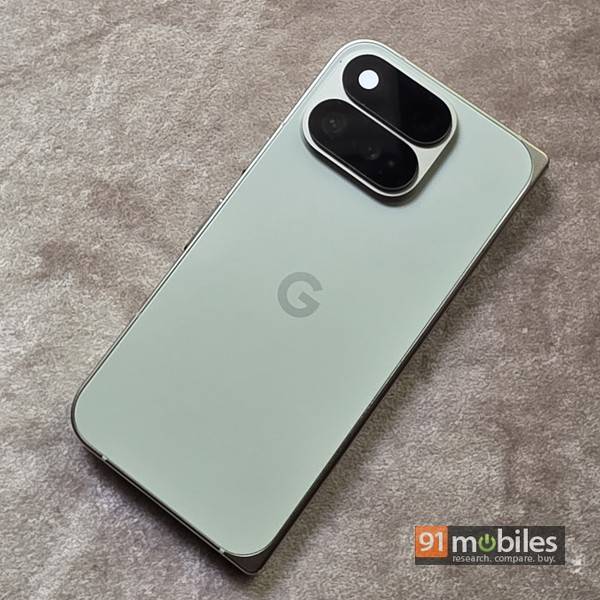
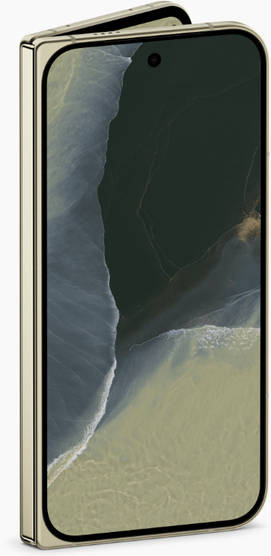
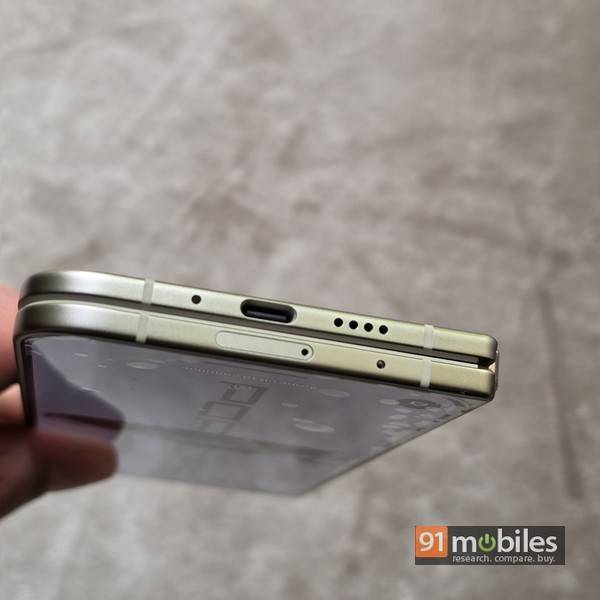
Overall, the Pixel 11 Pro Fold's design language isn't much different from the predecessor, though the camera module on the back is a tad smaller this time. The new phone is also slimmer by a few millimetres, which might not seem like a huge deal, but the reduction in weight from 258g to 239 grams is more noticeable. The IP68 rating stands out as well, especially since other foldables in the market can't match it, at least till the iPhone Duo comes out. The new olive shade on the Pixel 11 Pro Fold looks nice and elegant, and the rear panel has a smooth, satin feel, and the overall fit and finish is excellent. The D-shaped look when the phone is folded results in a more uniform shape with four rounded corners as you open up the phone, and for some reason, the two halves of the phone aren't the same thickness. However, the difference is imperceptible and only visible when you observe closely. The hinge seems solid, and while the phone opens and shuts smoothly, you do need to apply a bit of force.
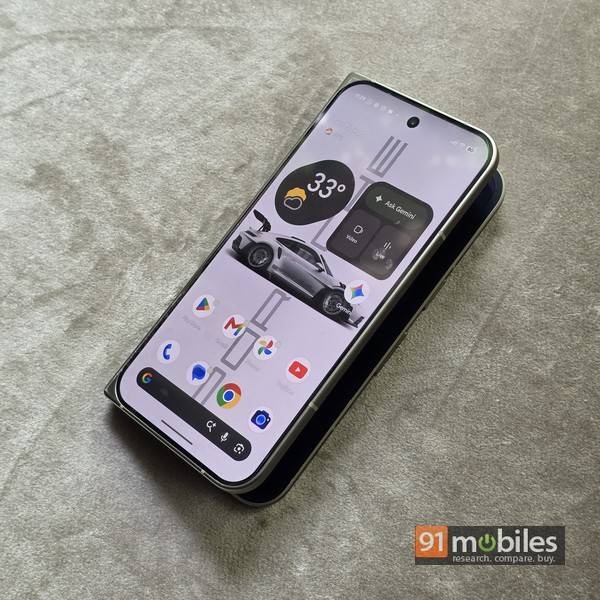
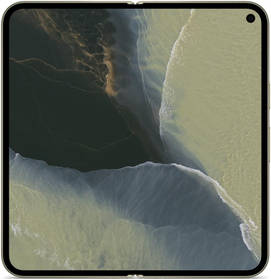
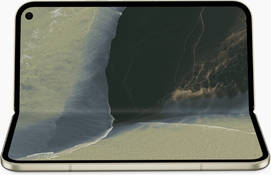
The 6.5-inch cover display is nice and vibrant. The 120Hz OLED display supports HDR, a peak brightness of 3600 nits, and is a treat to use. Unfolding the device reveals the 8-inch main display, which is almost square and is equally adept. The expansive real estate is great for productivity, though videos appear letterboxed with wide black bands on the top and bottom — something that's par for the course for book-style foldables like this. The one thing that doesn't impress is the crease. The crease in the middle of the main display is fairly noticeable, both visually as well as while running your finger across, and that's something Google should address in the next generation as rivals have raced ahead in this regard.
Read More
Cameras
+
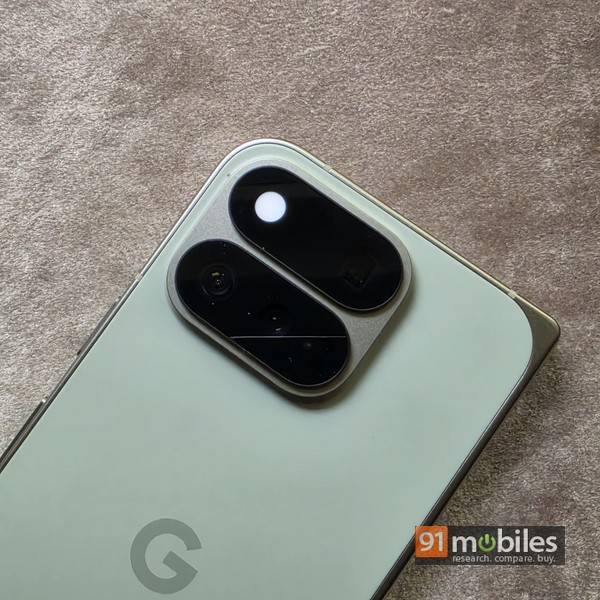
The camera setup seems mostly unchanged from the previous-gen model in terms of hardware — you get a 48MP primary camera which is mated to a 10.5MP ultra-wide and a 10.5MP telephoto that can handle 5x optical zoom. The main screen and cover screen have 10MP selfie cameras. The Pixel 11 Pro Fold takes great photos in most lighting conditions, though when it goes head-to-head with the Samsung Galaxy Z Fold8 Ultra, it falls slightly short. Here are a few samples.
Overall though, most casual users would be fine with the shots the Pixel 11 Pro Fold churns out. AI tools such as Magic Capture and Magic Eraser help elevate the shooting and editing experience further. And since this is a foldable, you can use cover screen preview to get the primary cameras to shoot selfies too. A feature called "Made you look" is quite interesting, as it displays animated cartoon characters on the cover display as you use the main display to frame — it's a fun option to ensure you have your little one's attention as you go trigger-happy shooting their reactions.
Read More
Software
+
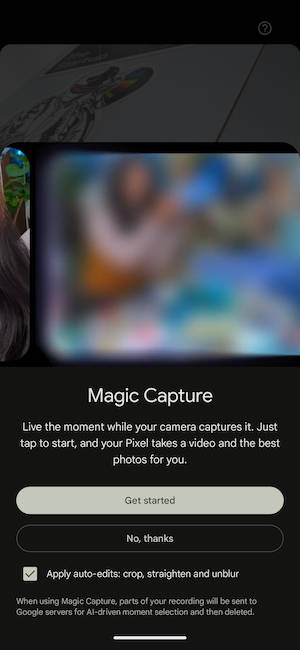
The software experience has been a key differentiator for the Pixel series, and the Pixel 11 series carries that legacy forward nicely. The 11 series brings with it a bunch of noteworthy features, such as Rambler, Magic Captures, Teleprompter, and more. I won't go deep into each one since we've covered them in detail (so feel free to check them out here and jump back into this review), but I do find Rambler and Magic Capture quite useful. Rambler is integrated into Gboard and is a voice-to-text tool, using AI to clean up the text as you speak. Magic Capture, integrated into the camera app, shoots short videos and pulls out a few moments as still shots, giving you both photos and videos of special moments. Using Gemini Intelligence, App Automation can work across over 40 apps and stitch together commands, such as picking up a photo of a landmark from the gallery and then getting an itinerary prepared from a travel app. This isn't brand new, and getting it to work can be a hit-or-miss affair, but it could be the beginning of something that could significantly impact how we use apps in the near future.
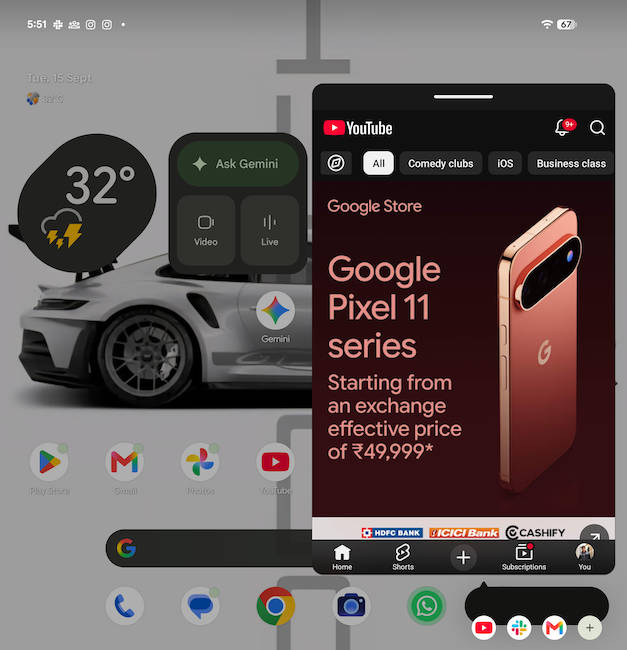
Multitasking features on the Pixel 11 Pro Fold are also quite interesting, and very useful too. In addition to the usual split-screen option that lets you run two apps side by side on the inner display, you also get a feature called Bubbles. This allows you to run additional apps as mini windows that can be docked on either side of the display. Multiple apps can be run on top of each other this way, and you can minimise them onto a small dock at the bottom by swiping downwards. An app from this dock can be opened up again, restoring it back it to its original mini window state. When you fold the device, the same dock and the app icons on it turn into a bubble, which can be dragged to any position on the screen. Tapping the bubble opens up the most recent app in windowed form, and gives you the other running apps on a bar on top, allowing you to switch between them easily. It's a nifty, intuitive way to multitask and have a bunch of apps running together at once, and hopefully, other Android platforms will replicate it for their foldables too.
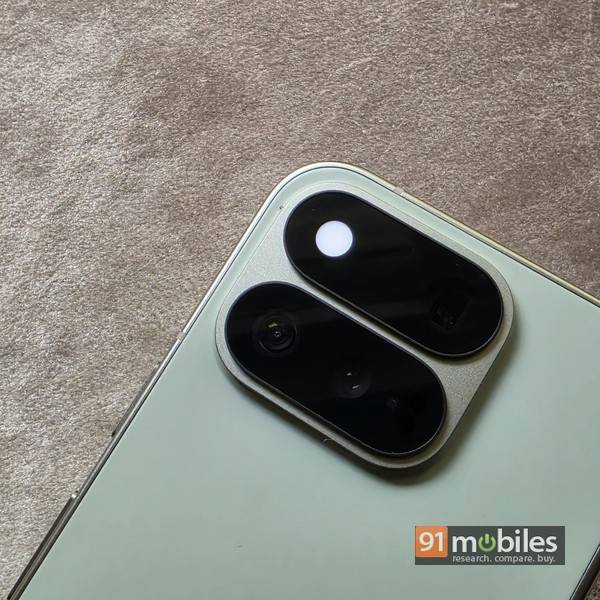
The feature that didn't quite hit the mark is HiLight. A multi-coloured LED on the camera island where the flash is usually found, this light glows when you invoke Gemini, and when assigned to a favourite contact, indicates said contact is calling by flashing the specified colour. The use cases are a tad limited for now, so there's definitely scope here to do more. The hardware is already there, so all it requires is a software patch to add more functionality.
Read More
Performance and battery
+
It seems to me that Google has never really chased numbers, especially benchmark numbers, and therefore, its Tensor chips haven't topped many benchmarks in the past. That continues with the latest Tensor G6. Tuned more for AI and efficiency, it churns out smooth, reliable performance across the board. Benchmark scores might not look amazing, but it delivers where it counts, and in real-life usage I never faced any issues.
Read More
Read full Review

Verdict
The Pixel 11 Pro Fold brings noteworthy upgrades as compared to its predecessor, offering improvements in AI and multitasking. The IP68 rating remains a key highlight, and while the new HiLight feature doesn't seem very useful in its current state, the seamless integration of Gemini AI and the undiluted Pixel platform help elevate the overall experience. Overall, the Pixel 11 Pro Fold comes across as a solid entry in the foldables space and is worth a look.
- Solid build & IP68 rating
- Seamless Gemini integration
- Useful multitasking features
- Seven years of software support
Pros
- Not the thinnest or lightest book-style foldable
- HiLight module doesn't do much
- Can't match rivals in pure number crunching
- Slow charging speeds
Cons
Design and displays
+
Overall, the Pixel 11 Pro Fold's design language isn't much different from the predecessor, though the camera module on the back is a tad smaller this time. The new phone is also slimmer by a few millimetres, which might not seem like a huge deal, but the reduction in weight from 258g to 239 grams is more noticeable. The IP68 rating stands out as well, especially since other foldables in the market can't match it, at least till the iPhone Duo comes out. The new olive shade on the Pixel 11 Pro Fold looks nice and elegant, and the rear panel has a smooth, satin feel, and the overall fit and finish is excellent. The D-shaped look when the phone is folded results in a more uniform shape with four rounded corners as you open up the phone, and for some reason, the two halves of the phone aren't the same thickness. However, the difference is imperceptible and only visible when you observe closely. The hinge seems solid, and while the phone opens and shuts smoothly, you do need to apply a bit of force.
The 6.5-inch cover display is nice and vibrant. The 120Hz OLED display supports HDR, a peak brightness of 3600 nits, and is a treat to use. Unfolding the device reveals the 8-inch main display, which is almost square and is equally adept. The expansive real estate is great for productivity, though videos appear letterboxed with wide black bands on the top and bottom — something that's par for the course for book-style foldables like this. The one thing that doesn't impress is the crease. The crease in the middle of the main display is fairly noticeable, both visually as well as while running your finger across, and that's something Google should address in the next generation as rivals have raced ahead in this regard.
Cameras
+
The camera setup seems mostly unchanged from the previous-gen model in terms of hardware — you get a 48MP primary camera which is mated to a 10.5MP ultra-wide and a 10.5MP telephoto that can handle 5x optical zoom. The main screen and cover screen have 10MP selfie cameras. The Pixel 11 Pro Fold takes great photos in most lighting conditions, though when it goes head-to-head with the Samsung Galaxy Z Fold8 Ultra, it falls slightly short. Here are a few samples.
Overall though, most casual users would be fine with the shots the Pixel 11 Pro Fold churns out. AI tools such as Magic Capture and Magic Eraser help elevate the shooting and editing experience further. And since this is a foldable, you can use cover screen preview to get the primary cameras to shoot selfies too. A feature called "Made you look" is quite interesting, as it displays animated cartoon characters on the cover display as you use the main display to frame — it's a fun option to ensure you have your little one's attention as you go trigger-happy shooting their reactions.
Software
+
The software experience has been a key differentiator for the Pixel series, and the Pixel 11 series carries that legacy forward nicely. The 11 series brings with it a bunch of noteworthy features, such as Rambler, Magic Captures, Teleprompter, and more. I won't go deep into each one since we've covered them in detail (so feel free to check them out here and jump back into this review), but I do find Rambler and Magic Capture quite useful. Rambler is integrated into Gboard and is a voice-to-text tool, using AI to clean up the text as you speak. Magic Capture, integrated into the camera app, shoots short videos and pulls out a few moments as still shots, giving you both photos and videos of special moments. Using Gemini Intelligence, App Automation can work across over 40 apps and stitch together commands, such as picking up a photo of a landmark from the gallery and then getting an itinerary prepared from a travel app. This isn't brand new, and getting it to work can be a hit-or-miss affair, but it could be the beginning of something that could significantly impact how we use apps in the near future.
Multitasking features on the Pixel 11 Pro Fold are also quite interesting, and very useful too. In addition to the usual split-screen option that lets you run two apps side by side on the inner display, you also get a feature called Bubbles. This allows you to run additional apps as mini windows that can be docked on either side of the display. Multiple apps can be run on top of each other this way, and you can minimise them onto a small dock at the bottom by swiping downwards. An app from this dock can be opened up again, restoring it back it to its original mini window state. When you fold the device, the same dock and the app icons on it turn into a bubble, which can be dragged to any position on the screen. Tapping the bubble opens up the most recent app in windowed form, and gives you the other running apps on a bar on top, allowing you to switch between them easily. It's a nifty, intuitive way to multitask and have a bunch of apps running together at once, and hopefully, other Android platforms will replicate it for their foldables too.
The feature that didn't quite hit the mark is HiLight. A multi-coloured LED on the camera island where the flash is usually found, this light glows when you invoke Gemini, and when assigned to a favourite contact, indicates said contact is calling by flashing the specified colour. The use cases are a tad limited for now, so there's definitely scope here to do more. The hardware is already there, so all it requires is a software patch to add more functionality.
Performance and battery
+
It seems to me that Google has never really chased numbers, especially benchmark numbers, and therefore, its Tensor chips haven't topped many benchmarks in the past. That continues with the latest Tensor G6. Tuned more for AI and efficiency, it churns out smooth, reliable performance across the board. Benchmark scores might not look amazing, but it delivers where it counts, and in real-life usage I never faced any issues.
Competitors For Google Pixel 11 Pro Fold
View Alternatives
Popular Comparisons
Google Pixel 11 Pro Fold Specifications
General |
|
|---|---|
| Launch Date | August 12, 2026 (Official) |
| Operating System | Android v17 |
| OS Updates | 7 Year |
| Security Updates | 7 Year |
Performance
(Very Good)
|
||||
|---|---|---|---|---|
| Chipset | Google Tensor G6 View Details | |||
| Processor | Hepta Core (4.11 GHz, Single core, Arm C1-Ultra + 3.38 GHz, Quad core, ARM C1-Pro + 2.65 GHz, Dual core, ARM C1-Pro) | |||
| Architecture | 64 bit | |||
| Fabrication | 2 nm | |||
| Graphics (GPU) | PowerVR CXTP-48-1536 | |||
| RAM | 16 GB | |||
| RAM Type | LPDDR5X | |||
|
Gaming Test Results

* after 30 mins of gaming
|
||||
Benchmark Screenshots
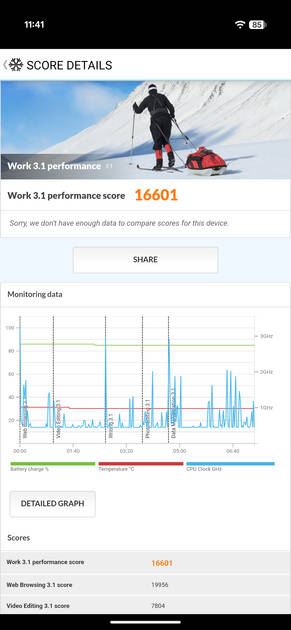
PC Mark Performance
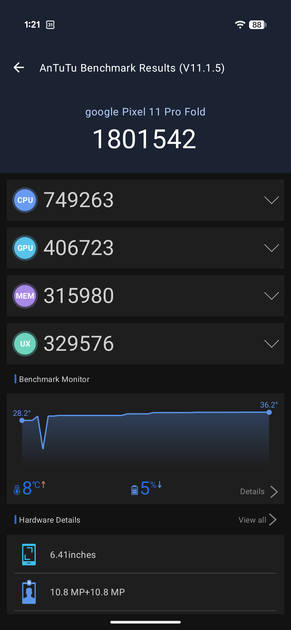
AnTuTu Benchmark
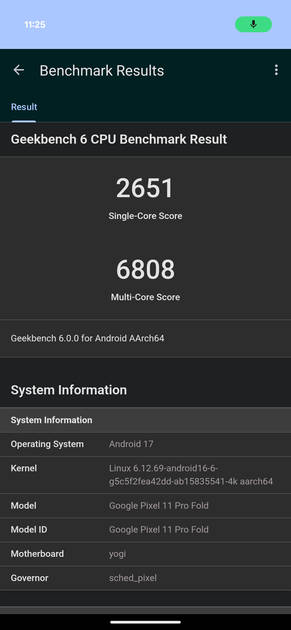
Geekbench6 Benchmark
|

Display
(Best In Class)
|
||||||||||||||
|---|---|---|---|---|---|---|---|---|---|---|---|---|---|---|
| Main Display | ||||||||||||||
| Display Type | OLED | |||||||||||||
| Screen Size | 8 inches (20.32 cm) | |||||||||||||
| Resolution | 2076x2152 px | |||||||||||||
| Peak Brightness | 3600 nits | |||||||||||||
| Refresh Rate | 120 Hz | |||||||||||||
| Pixel Density | 374 ppi | |||||||||||||
| Screen to Body Ratio (calculated) | 88.37 % | |||||||||||||
| Screen Protection | Yes | |||||||||||||
| Bezel-less Display | Yes with punch-hole display | |||||||||||||
| HDR 10 / HDR+ Support | Yes | |||||||||||||
|
Cover Display
|
Design |
|
|---|---|
| Height | 155.2 mm |
| Width | 76 mm |
| Thickness | 10.1 mm |
| Weight | 239 grams |
| Build Material | Back: Gorilla Glass Victus 2 |
| Form Factor | Foldable Touch |
| Dimensions |
Folded: 155.2 x 76 x 10.1 mm Unfolded: 155.2 x 150.4 x 5 mm |
| Water Resistance | Yes, Water resistant, IP68, (up to 30 minutes in a depth of 1.50 meter) |
| Ruggedness | Dust proof |
|
Click to View

|
Rear Camera
(Very Good)
|
||||||||||||||||||||||||
|---|---|---|---|---|---|---|---|---|---|---|---|---|---|---|---|---|---|---|---|---|---|---|---|---|
| Resolution | ||||||||||||||||||||||||
|
||||||||||||||||||||||||
| Autofocus | Yes, Laser Detection Autofocus | |||||||||||||||||||||||
| OIS | Yes | |||||||||||||||||||||||
| Flash | Yes, LED Flash | |||||||||||||||||||||||
| Shooting Modes |
Continuous Shooting High Dynamic Range mode (HDR) Macro Mode |
|||||||||||||||||||||||
| Camera Features |
30 x Digital Zoom Optical Zoom Auto Flash Face detection Touch to focus |
|||||||||||||||||||||||
| Video Recording |
UHD @24/30/60 fps FHD @24/30/60 fps |
|||||||||||||||||||||||
| Video Recording Features | ||||||||||||||||||||||||
Rear Camera Samples
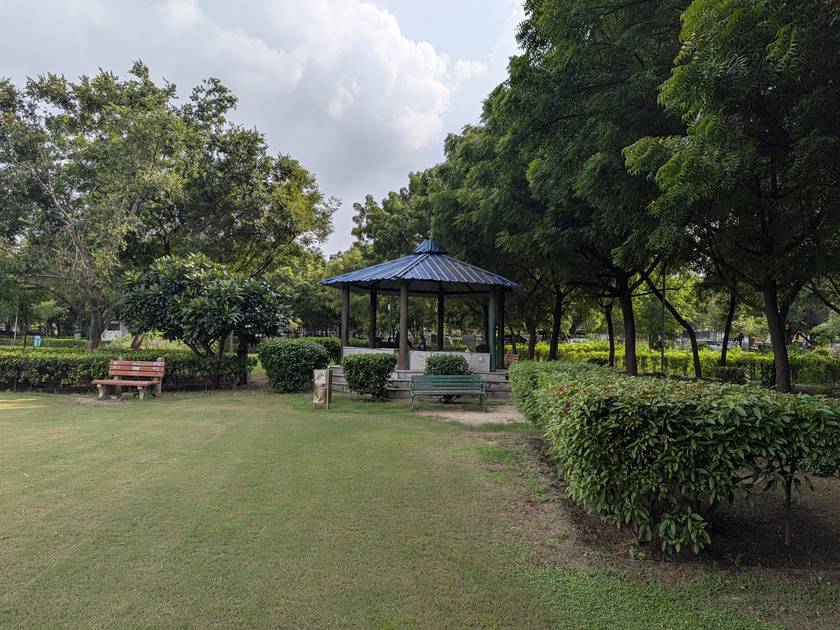
Daylight / HDR Auto
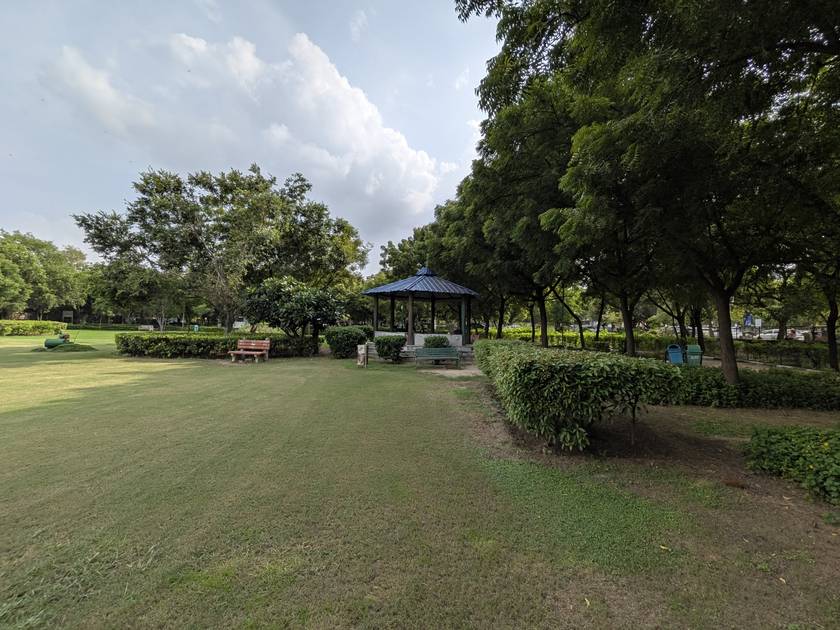
Wide Angle

Max Zoom Supported 30x
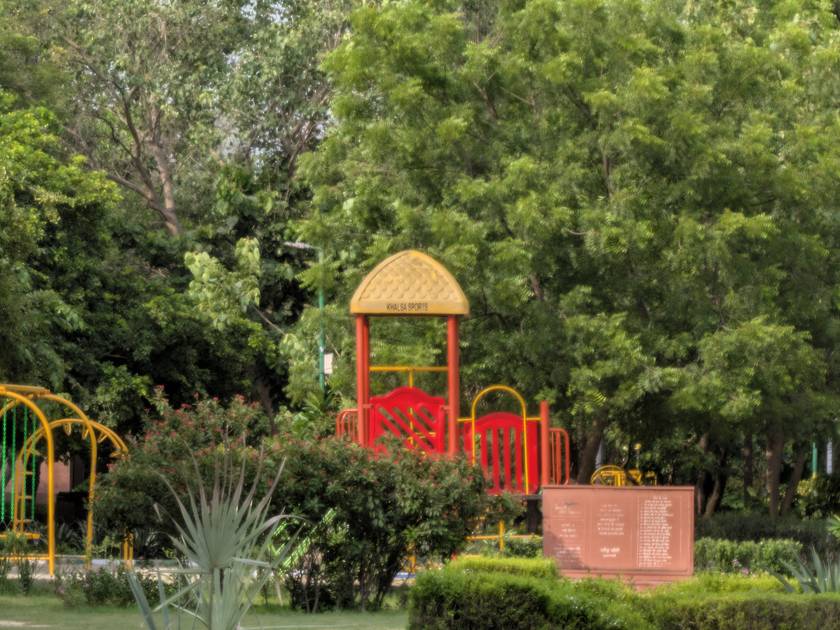
Long Shot 10X
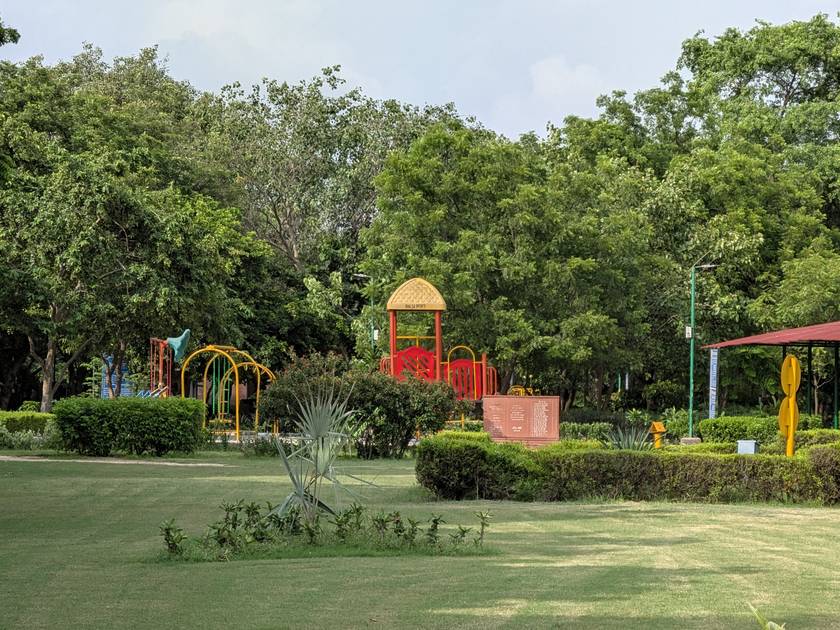
Long Shot 5X
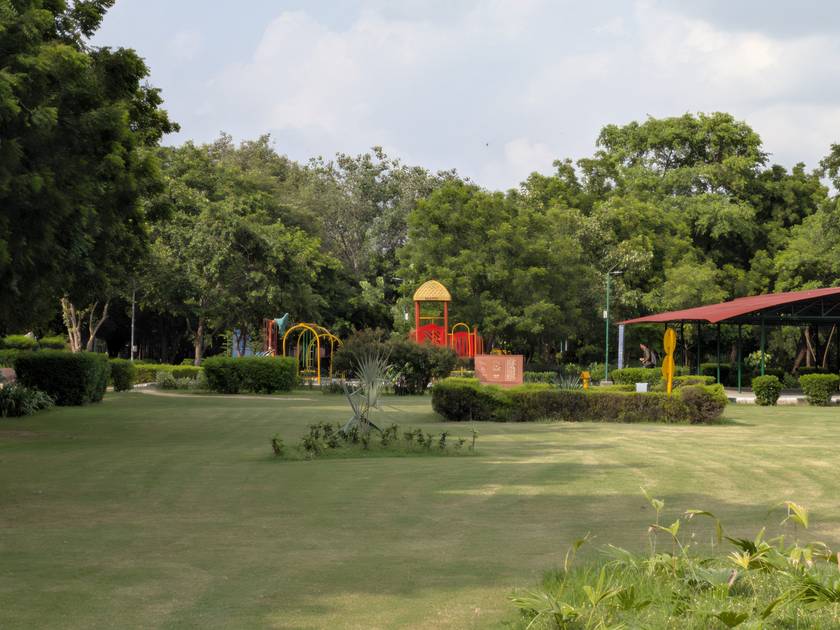
Long Shot 3X
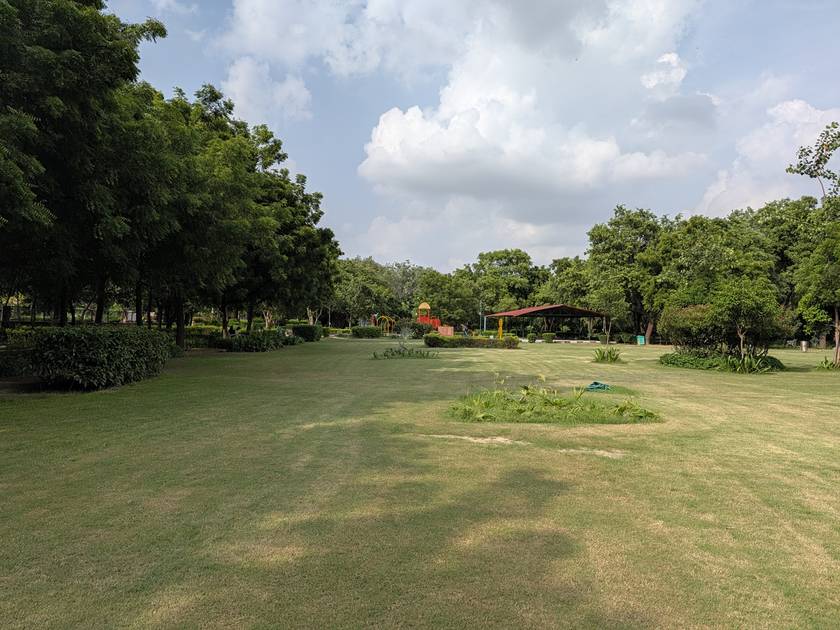
Long Shot 1X
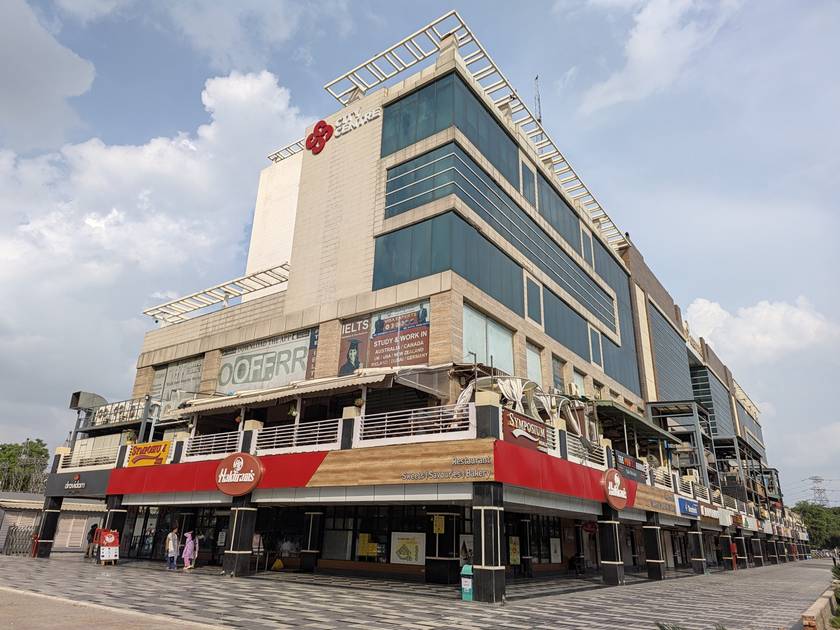
High Res
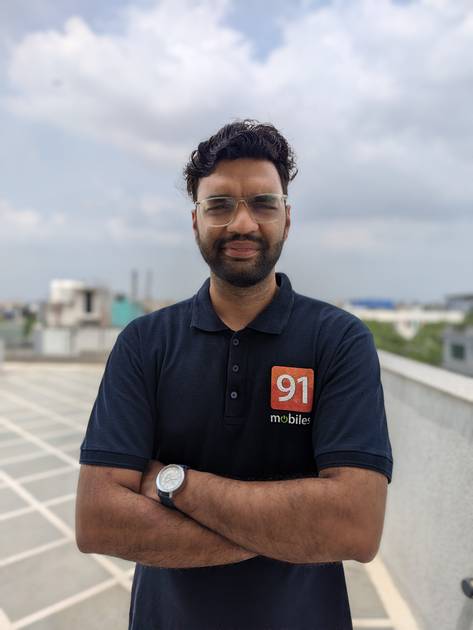
Portrait Shot
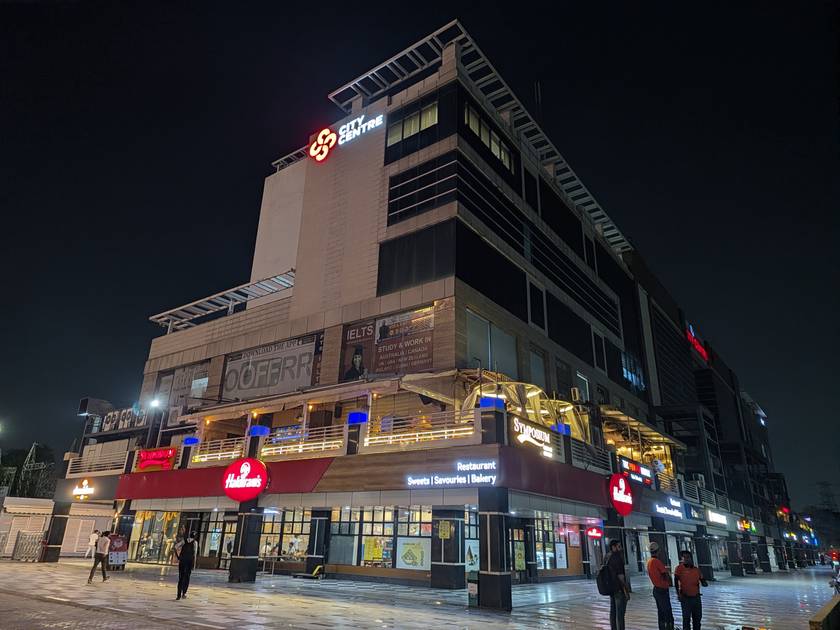
Night Mode OFF
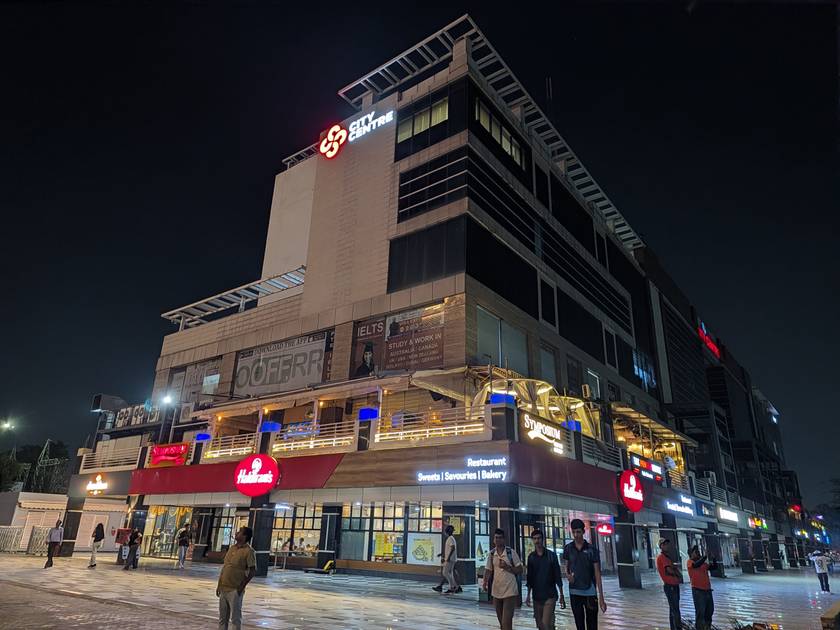
Night Mode ON
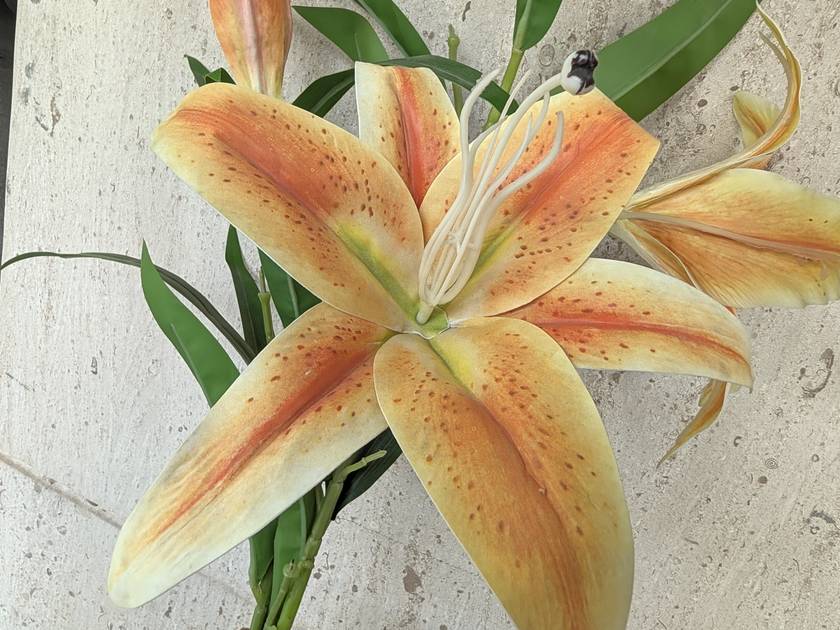
Close Up
Low Light
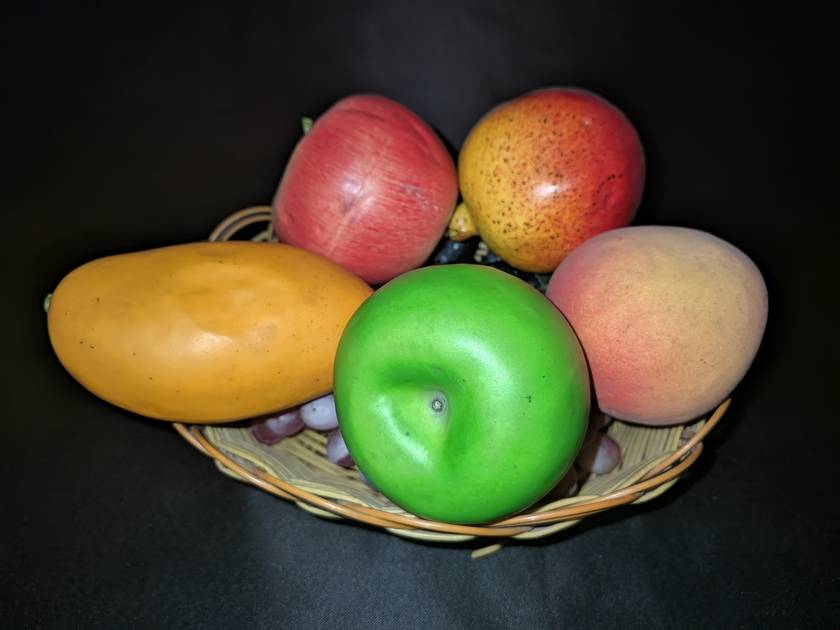
Low Light With Flash
|
Front Camera
(Excellent)
|
|||||||||
|---|---|---|---|---|---|---|---|---|---|
| Resolution | |||||||||
|
|||||||||
| Autofocus | Yes | ||||||||
| Flash | Yes, Screen flash | ||||||||
| Video Recording | UHD @30/60 fps | ||||||||
Front Camera Samples

Selfie

Selfie Portrait
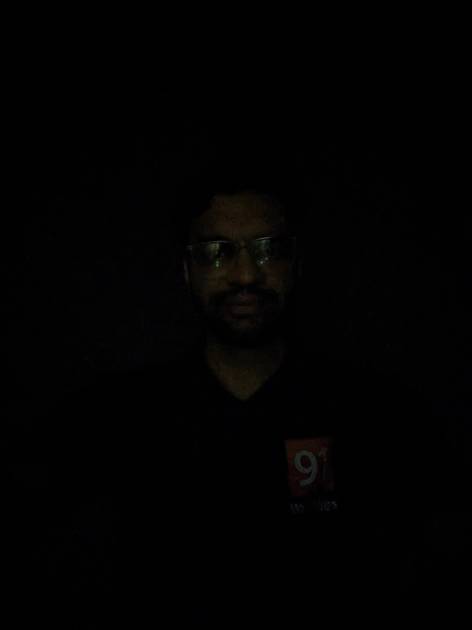
Selfie Low Light
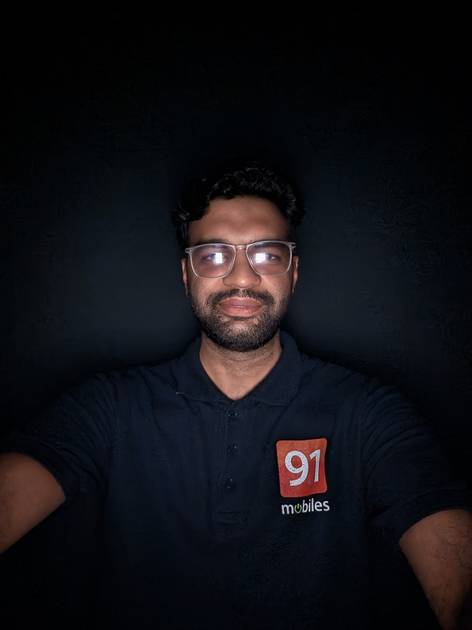
Selfie Low Light With Flash
|
Battery
(Very Good)
|
||||
|---|---|---|---|---|
| Capacity | 4806 mAh | |||
| Battery Type | Li-ion | |||
| Quick Charging | Yes, 30W Quick Charging, 50% in 30 minutes | |||
| Wireless Charging | Yes, 25W Wireless Charging | |||
|
Battery Test Results
|
Storage |
|
|---|---|
| Internal Storage | 512 GB |
| Storage Type | UFS 4.0 |
| Expandable Storage | No |
Network & Connectivity |
|
|---|---|
| SIM Slot(s) | Dual SIM |
| SIM Type | SIM1: Nano, SIM2: eSIM |
| Network Support | 5G, 4G |
| VoLTE | Yes |
| SIM 1 |
5G bands, 4G bands
Expand
|
| SIM 2 |
5G bands, 4G bands
Expand
|
| Wi-Fi | Yes, Wi-Fi 7 (802.11 a/b/g/n/ac/be/ax), MIMO |
| Wi-Fi Features | Wi-Fi Direct, Mobile Hotspot |
| Bluetooth | Yes, v6.0 |
| GPS | Yes with Glonass |
| NFC | Yes |
Multimedia |
|
|---|---|
| Stereo Speakers | Yes |
| Audio Jack | USB Type-C |
Sensors |
|
|---|---|
| Fingerprint Sensor | Yes |
| Fingerprint Sensor Position | Side |
| Fingerprint Sensor Type | Capacitive |
| Other Sensors | Light sensor, Proximity sensor, Accelerometer, Barometer, Compass, Gyroscope |
Recent Stories
Google Pixel 11 Pro Fold Key Highlights
| Processor | Google Tensor G6 |
| RAM & Storage | 16 GB RAM + 512 GB |
| Display | 8", 2076 x 2152 Resolution |
| Rear Camera | 48 MP + 10.5 MP + 10.8 MP |
| Front Camera | 10 MP + 10 MP |
| Battery | 4806 mAh |

Google Pixel 11 Pro Fold Price In India
| Product Name | Store | Price |
|---|---|---|
| Google Pixel 11 Pro Fold (16 GB + 512 GB) | Flipkart | ₹186,999 |
| Google Pixel 11 Pro Fold (16 GB + 512 GB) | Croma | ₹186,999 |
Popular Links
- All Upcoming Phones
- Upcoming Google Phones
- vivo X500
- OPPO Find X10 Pro Max
- OPPO Find X10
- vivo X500 Pro Max
- Nothing Phone 4a
- Samsung Mobiles
- Motorola Mobiles
- vivo Mobiles
- OPPO Mobiles
- Tecno Mobiles
- realme Mobiles
- OnePlus Mobiles