
Google Pixel 8
+ Compare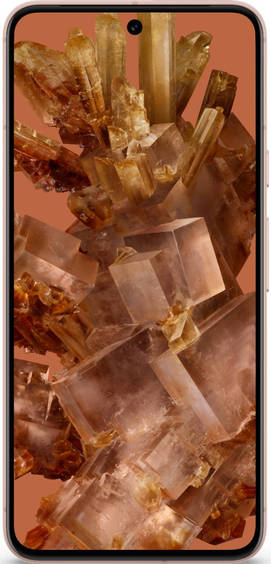
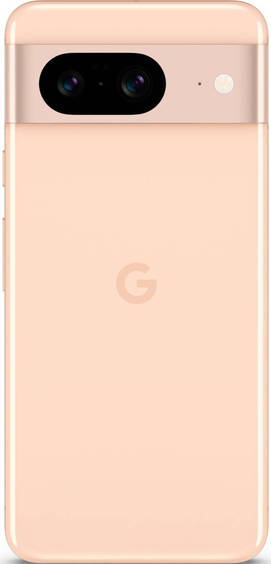

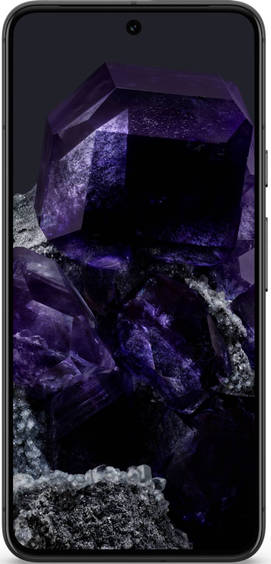
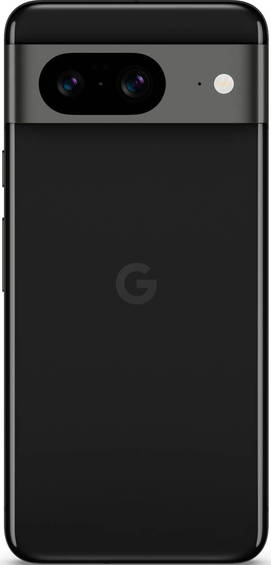

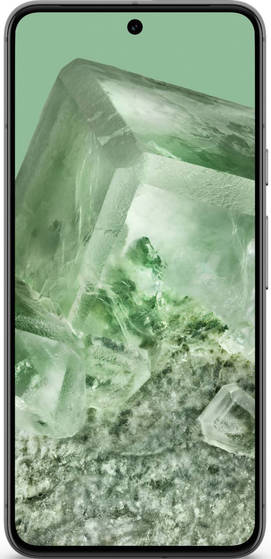
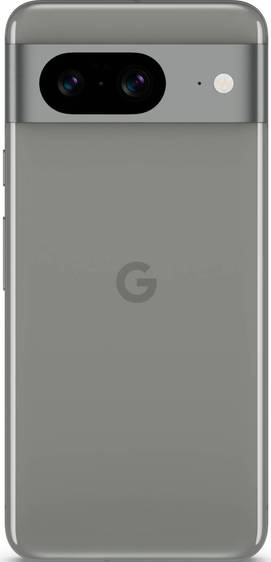

-
Design19

-
Rear Camera12

-
Front Camera4

-
360° View
![360° View]()
-
UI Screenshot16
![UI Screenshot]()
-
Benchmarks3
![Benchmarks]()


Key Specs
Performance
-
Google Tensor G3 -
Nona Core (3 GHz, Single Core + 2.45 GHz, Quad core + 2.15 GHz, Quad core) -
8 GB RAM, LPDDR5X
Display
-
6.2 inches (15.75 cm); OLED -
1080x2400 px (FHD+) -
120 Hz Refresh Rate -
Gorilla Glass Protection -
Bezel-less with punch-hole display
Rear Camera
-
Dual Camera Setup - 50 MP (upto 7x Digital Zoom) Wide Angle Primary Camera
- 12 MP Ultra-Wide Angle Camera
-
Dual LED Flash -
4k @24 fps Video Recording
Front Camera
-
10.5 MP Ultra-Wide Angle Lens -
4k @24 fps Video Recording
Battery
-
4575 mAh, Li-ion -
27W Fast Charging; USB Type-C port
General
-
SIM1: Nano, SIM2: eSIM -
5G Supported -
128 GB / 256 GB internal storage, Non Expandable -
Dust Resistant, Water Resistant
Google Pixel 8 Prices in India
 Amazon
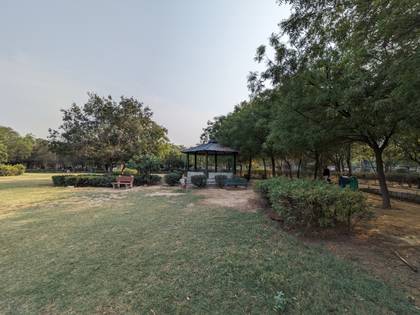
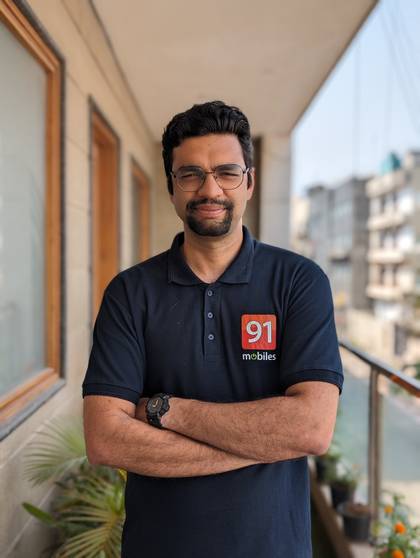
Google Pixel 8 Compare Camera Samples




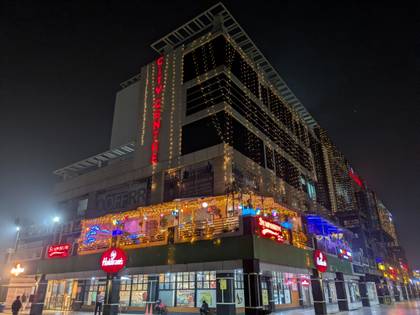

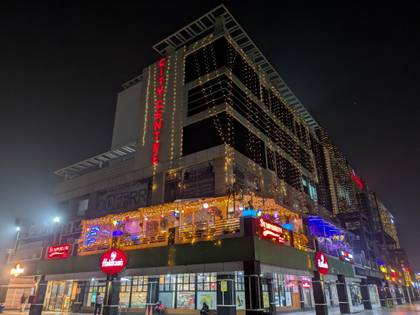




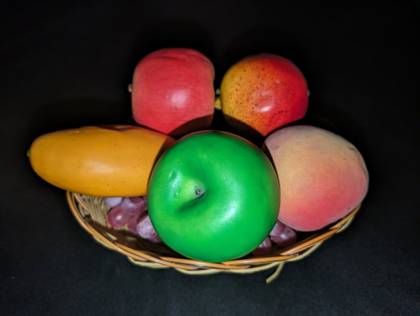
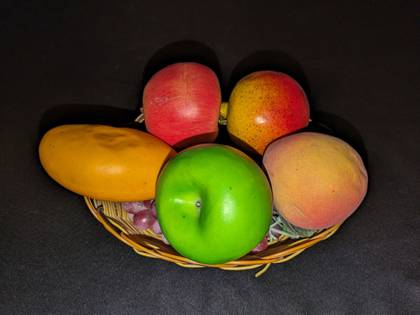

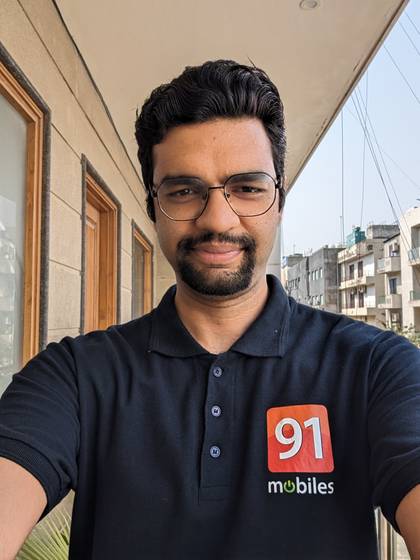
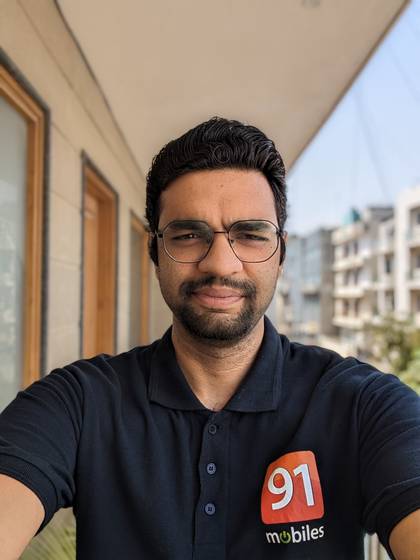
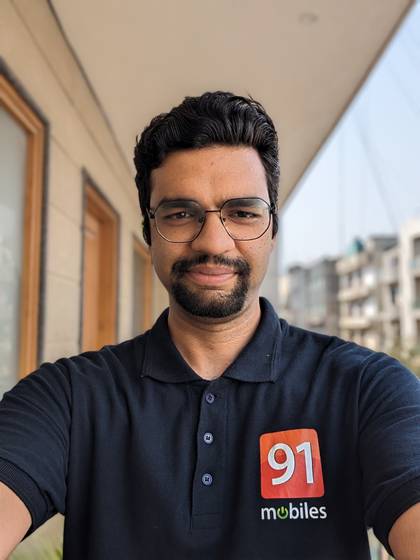





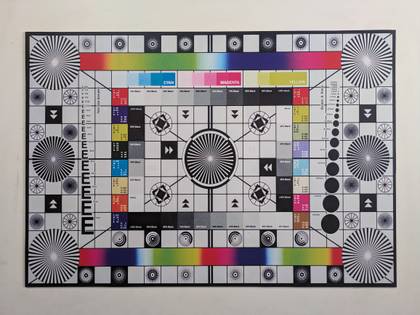
Google Pixel 8 Expert Review Summary
Expert Rating:
![Ashish Kumar]()
Verdict
While the Pixel 8 is a commendable smartphone in its own right, the handset may fall short in comparison to other smartphones in its price range when it comes to performance, viewing experience, and battery life. That being said, the Pixel 8 can be an outstanding choice for camera enthusiasts. It excels in capturing stunning photos, which are further enhanced by AI editing tools that will continue to improve with software updates for years to come.
Pros
- Impressive cameras, AI tools
- Good design
- Respectable battery life
- Amazing software support
Cons
- Slow charging speeds
- Performance could have been better
- Pricey
Design and display
+
The Pixel 8 follows the same design language as its elder sibling the 8 Pro. It boasts rounded corners, a glass back, a recyclable aluminium frame, and a rear camera visor with an oval-shaped cutout for the cameras. However, the regular Pixel 8 is much more compact. In fact, its dimensions are even smaller than last year's Pixel 7 (review) model, making the latest entry-level flagship from Google ideal for single-handed usage.The smartphone comes in three colour variants: Hazel, Obsidian, and Rose. I got the Obsidian colour variant for review. It has a greyish hue and a glossy finish at the back, which is a magnet for fingerprints and smudges. You will have to buy a case separately to avoid stains and save yourself some time cleaning the device every now and then.The Pixel 8 sports a USB Type-C port for charging and data transfer at the bottom edge, along with what looks like two speaker vents. However, only one of them is actually outputting audio. The second vent could be for aesthetics to give the phone a symmetrical look. But, fret not, you still get a stereo experience on the Pixel device, with the secondary speaker placed behind the earpiece atop the display.Speaking of which, the Pixel 8 is equipped with a 6.2-inch OLED display with FHD+ resolution, centred punch-hole, 1200 nits brightness, HDR support, and 120Hz refresh rate. While the display is a definite upgrade from Pixel 7 with a higher refresh rate, brightness, and slimmer bezels, it still doesn't feel flagship-grade. It lacks QHD+ resolution and the battery-friendly LTPO panel, which dynamically refreshes the screen between 1Hz and 120Hz. Both these features have become quite common within the segment.Having said that, you will find the Pixel 8 viewing experience respectable. The colours look vibrant even when viewed from an angle, and the refresh rate can drop down to 60Hz, if not the coveted 1Hz, to save some battery. The sunlight legibility of the phone is also impressive, and it comes with built-in support for HDR content in apps like YouTube and Netflix.The Pixel 8 comes with an in-display fingerprint scanner, which unlocks the smartphone swiftly and without any hiccups.
Read More
Cameras
+
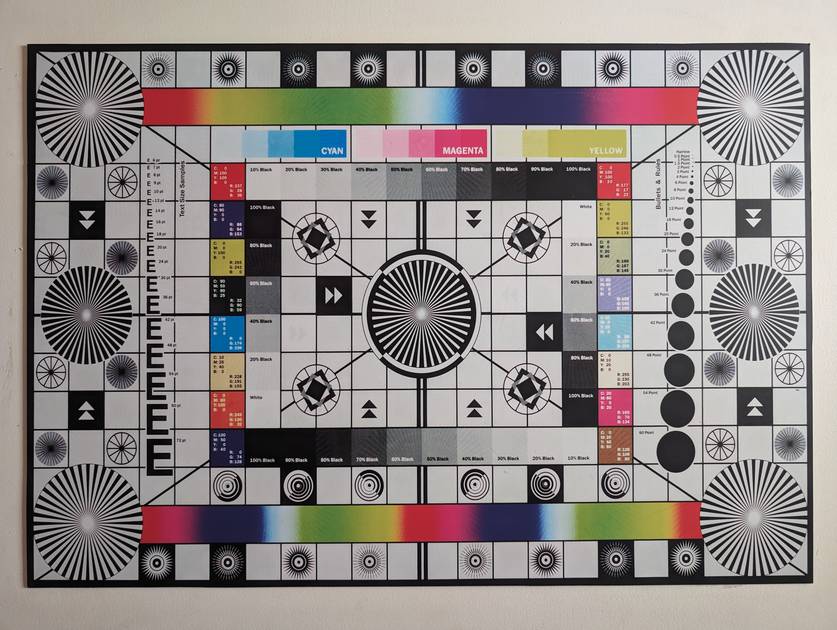
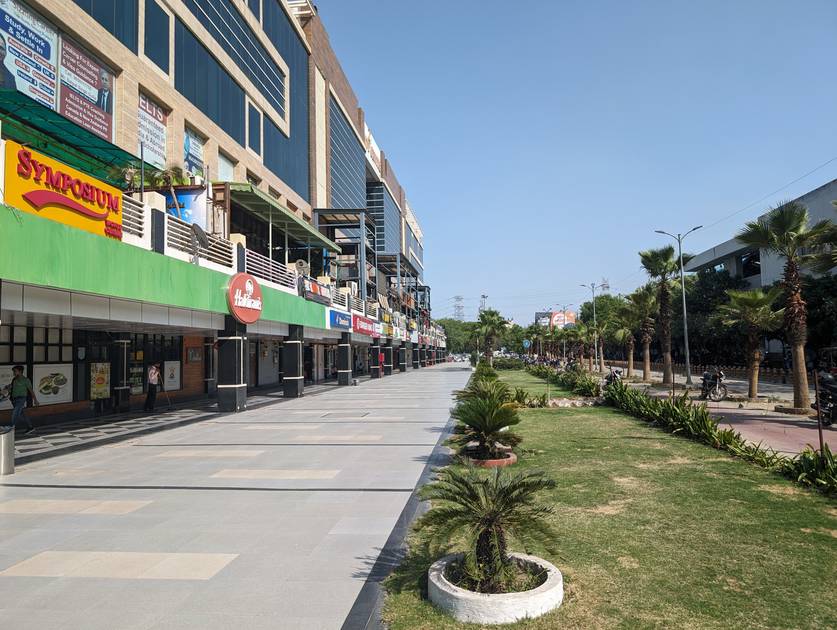
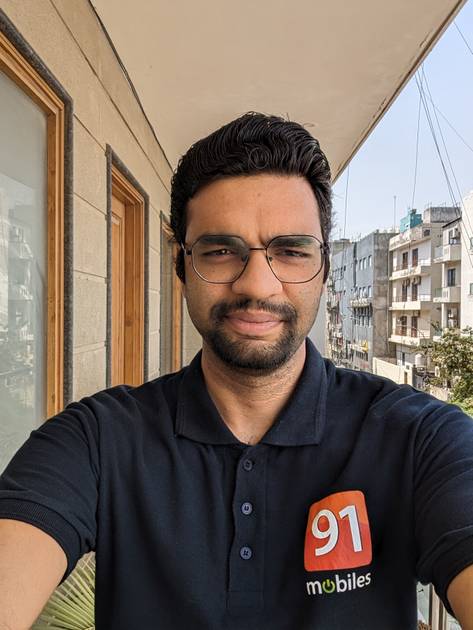
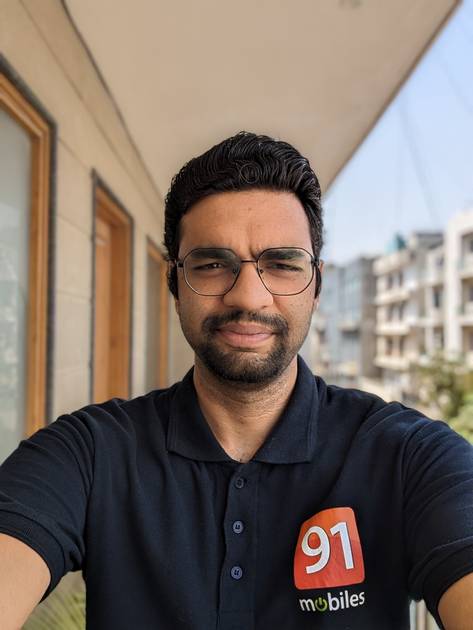
Here, the Pixel 8 boasts the same camera resolutions as last year's model Pixel 7, with a 50MP primary sensor and a 12MP ultra-wide (UW) sensor. However, the 50MP primary sensor aperture size is now wider with f/1.68 as opposed to f/1.85 to let in more light and improve the level of detail whether you capture the images in daylight or low light. Similarly, the 12MP ultra-wide sensor supports a 125.8-degree field-of-view (FoV) instead of 114-degrees. For selfies and video calling, the handset sports a 10.5MP front-facing camera in the punch-hole setup.While the results aren't drastically different, you'll achieve more pleasing results with the Pixel 8. There is a marked reduction in noise across the frame, and the contrast is well-balanced. Additionally, shadows are well preserved, skin tones appear accurate, and the level of detail is exceptionally impressive. The smartphone also seems to be handling colours better than ever before. While they may seem a bit vivid, they still remain close to reality. In essence, you'll truly appreciate the images captured by the Pixel 8's main camera at 1x zoom. However, when you go beyond that, there is a noticeable decline in image quality. The 2x zoom is still acceptable, but anything past that doesn't quite meet the standard.When it comes to ultra-wide shots, there hasn't been much improvement except for the ability to capture more details within the frame. The sharpness around the edges still suffers due to the lower camera resolution. However, the UW sensor now supports auto-focus to capture those beautiful macro shots when the phone is too close to the subject. Moving on to the portraits, the edge detection is spot on and works on almost every subject, whether it is human, animal, or plant. The portrait effect can also be added to images after they are clicked through the Google Photos app.Much like the Pixel 8 Pro, the regular models also come with a bunch of AI editing features such as Best Take, Audio Eraser, and more advanced Magic Eraser. These features are not coming to any of the previous Pixel models. You can read about these features in detail in our Pixel 8 Pro review.In essence, the Pixel 8 series AI features help you make your images and videos better by swapping faces, readjusting subjects in the frame, and cancelling out background noise. They do have a few limitations right now... the images have to backed up to the cloud via Google Photos, for one. Even then, you may encounter situations where Best Take and Magic Eraser features don't work for every photo. I'm hopeful that Google will address this limitation in future software updates.
Read More
Performance and software
+
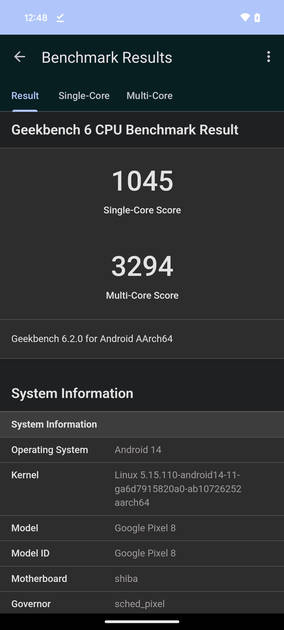
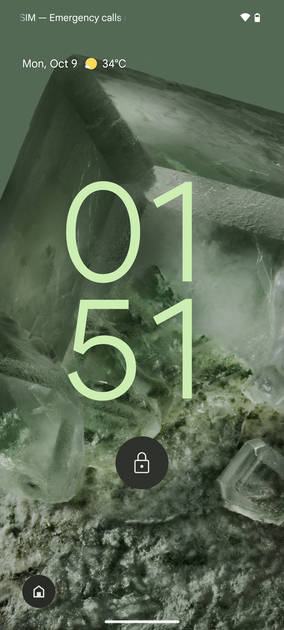
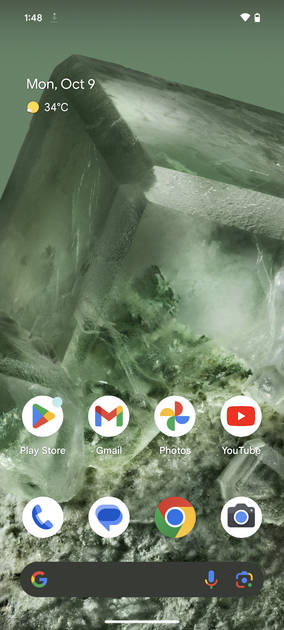
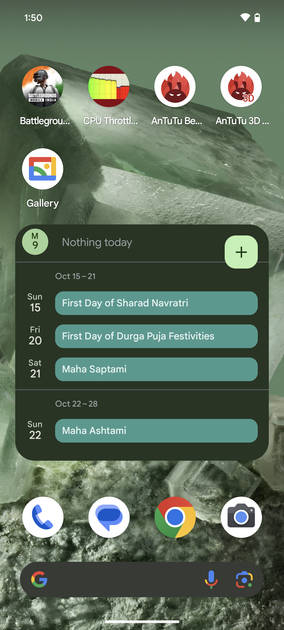
While not the cameras, the performance and software of Pixel 8 and Pixel 8 Pro are very much alike. They both are powered by Google's latest Tensor G3 chipset and run Android 14 with Pixel launcher out of the box. The handset also gets the longest major software update, up to 7 years.It is difficult to ascertain if the device can make it up that far, but what we can tell you right now is that the Pixel 8 offers decent performance. I didn't face any severe lag or performance issues while using the device for everyday use, but it lacks that flagship-level punch and thermal management. While there are no significant heating issues, the handset's back panel can get a bit warm using the device for an extended duration or gaming. This led to some throttling, and you could see it in the phone's CPU throttle test as well where it performed 59 percent of its peak performance while running 50 threads for half an hour.Coming to the benchmark scores, the handset achieved 10,17,180 on AnTuTu, whereas on Geekbench, it delivered 1,045 in the single-core test and 3,294 in the multi-core test. Although these scores may be considered respectable, they fall more into the mid-range category rather than reaching flagship status.As for the software, it remains largely clean, with minimal pre-installed apps beyond those from Google. The user interface (UI) is user-friendly and offers extensive customization options. Moreover, it includes several useful features. Notably, Google Translate facilitates text translation across apps and web pages, while the 'Read Aloud' feature can read content on the screen in multiple languages, greatly enhancing the device's usability.
Read More
Battery and charging speeds
+
Despite its compact size, the Pixel 8 boasts a larger battery compared to its predecessor, the Pixel 7. With a 4,575mAh battery, it provides over 5 hours of screen-on time. This suits users like me who prefer casual usage and don't engage in demanding tasks such as gaming and navigation for extended periods.Whether you're browsing, checking emails, using messaging apps, or playing light games, you won't need to reach for a charger until the end of the day. Even on days with heavy usage, I typically had 20-25 percent battery remaining when going to bed. That's how good Pixel 8's battery life has been for me throughout the usage.When it comes to charging, the Pixel 8 supports speeds up to 27W and 18W charging through Google-certified wired and wireless chargers (sold separately) respectively. I used a third-party wired charger to juice up the device, and it took approximately 1 hour and 23 minutes for a full charge from 0-100 percent.
Read More
Read full Review

Verdict
While the Pixel 8 is a commendable smartphone in its own right, the handset may fall short in comparison to other smartphones in its price range when it comes to performance, viewing experience, and battery life. That being said, the Pixel 8 can be an outstanding choice for camera enthusiasts. It excels in capturing stunning photos, which are further enhanced by AI editing tools that will continue to improve with software updates for years to come.
- Impressive cameras, AI tools
- Good design
- Respectable battery life
- Amazing software support
Pros
- Slow charging speeds
- Performance could have been better
- Pricey
Cons
Design and display
+The Pixel 8 follows the same design language as its elder sibling the 8 Pro. It boasts rounded corners, a glass back, a recyclable aluminium frame, and a rear camera visor with an oval-shaped cutout for the cameras. However, the regular Pixel 8 is much more compact. In fact, its dimensions are even smaller than last year's Pixel 7 (review) model, making the latest entry-level flagship from Google ideal for single-handed usage.The smartphone comes in three colour variants: Hazel, Obsidian, and Rose. I got the Obsidian colour variant for review. It has a greyish hue and a glossy finish at the back, which is a magnet for fingerprints and smudges. You will have to buy a case separately to avoid stains and save yourself some time cleaning the device every now and then.The Pixel 8 sports a USB Type-C port for charging and data transfer at the bottom edge, along with what looks like two speaker vents. However, only one of them is actually outputting audio. The second vent could be for aesthetics to give the phone a symmetrical look. But, fret not, you still get a stereo experience on the Pixel device, with the secondary speaker placed behind the earpiece atop the display.Speaking of which, the Pixel 8 is equipped with a 6.2-inch OLED display with FHD+ resolution, centred punch-hole, 1200 nits brightness, HDR support, and 120Hz refresh rate. While the display is a definite upgrade from Pixel 7 with a higher refresh rate, brightness, and slimmer bezels, it still doesn't feel flagship-grade. It lacks QHD+ resolution and the battery-friendly LTPO panel, which dynamically refreshes the screen between 1Hz and 120Hz. Both these features have become quite common within the segment.Having said that, you will find the Pixel 8 viewing experience respectable. The colours look vibrant even when viewed from an angle, and the refresh rate can drop down to 60Hz, if not the coveted 1Hz, to save some battery. The sunlight legibility of the phone is also impressive, and it comes with built-in support for HDR content in apps like YouTube and Netflix.The Pixel 8 comes with an in-display fingerprint scanner, which unlocks the smartphone swiftly and without any hiccups.
Read MoreCameras
+Here, the Pixel 8 boasts the same camera resolutions as last year's model Pixel 7, with a 50MP primary sensor and a 12MP ultra-wide (UW) sensor. However, the 50MP primary sensor aperture size is now wider with f/1.68 as opposed to f/1.85 to let in more light and improve the level of detail whether you capture the images in daylight or low light. Similarly, the 12MP ultra-wide sensor supports a 125.8-degree field-of-view (FoV) instead of 114-degrees. For selfies and video calling, the handset sports a 10.5MP front-facing camera in the punch-hole setup.While the results aren't drastically different, you'll achieve more pleasing results with the Pixel 8. There is a marked reduction in noise across the frame, and the contrast is well-balanced. Additionally, shadows are well preserved, skin tones appear accurate, and the level of detail is exceptionally impressive. The smartphone also seems to be handling colours better than ever before. While they may seem a bit vivid, they still remain close to reality. In essence, you'll truly appreciate the images captured by the Pixel 8's main camera at 1x zoom. However, when you go beyond that, there is a noticeable decline in image quality. The 2x zoom is still acceptable, but anything past that doesn't quite meet the standard.When it comes to ultra-wide shots, there hasn't been much improvement except for the ability to capture more details within the frame. The sharpness around the edges still suffers due to the lower camera resolution. However, the UW sensor now supports auto-focus to capture those beautiful macro shots when the phone is too close to the subject. Moving on to the portraits, the edge detection is spot on and works on almost every subject, whether it is human, animal, or plant. The portrait effect can also be added to images after they are clicked through the Google Photos app.Much like the Pixel 8 Pro, the regular models also come with a bunch of AI editing features such as Best Take, Audio Eraser, and more advanced Magic Eraser. These features are not coming to any of the previous Pixel models. You can read about these features in detail in our Pixel 8 Pro review.In essence, the Pixel 8 series AI features help you make your images and videos better by swapping faces, readjusting subjects in the frame, and cancelling out background noise. They do have a few limitations right now... the images have to backed up to the cloud via Google Photos, for one. Even then, you may encounter situations where Best Take and Magic Eraser features don't work for every photo. I'm hopeful that Google will address this limitation in future software updates.
Read MorePerformance and software
+While not the cameras, the performance and software of Pixel 8 and Pixel 8 Pro are very much alike. They both are powered by Google's latest Tensor G3 chipset and run Android 14 with Pixel launcher out of the box. The handset also gets the longest major software update, up to 7 years.It is difficult to ascertain if the device can make it up that far, but what we can tell you right now is that the Pixel 8 offers decent performance. I didn't face any severe lag or performance issues while using the device for everyday use, but it lacks that flagship-level punch and thermal management. While there are no significant heating issues, the handset's back panel can get a bit warm using the device for an extended duration or gaming. This led to some throttling, and you could see it in the phone's CPU throttle test as well where it performed 59 percent of its peak performance while running 50 threads for half an hour.Coming to the benchmark scores, the handset achieved 10,17,180 on AnTuTu, whereas on Geekbench, it delivered 1,045 in the single-core test and 3,294 in the multi-core test. Although these scores may be considered respectable, they fall more into the mid-range category rather than reaching flagship status.As for the software, it remains largely clean, with minimal pre-installed apps beyond those from Google. The user interface (UI) is user-friendly and offers extensive customization options. Moreover, it includes several useful features. Notably, Google Translate facilitates text translation across apps and web pages, while the 'Read Aloud' feature can read content on the screen in multiple languages, greatly enhancing the device's usability.
Read MoreBattery and charging speeds
+Despite its compact size, the Pixel 8 boasts a larger battery compared to its predecessor, the Pixel 7. With a 4,575mAh battery, it provides over 5 hours of screen-on time. This suits users like me who prefer casual usage and don't engage in demanding tasks such as gaming and navigation for extended periods.Whether you're browsing, checking emails, using messaging apps, or playing light games, you won't need to reach for a charger until the end of the day. Even on days with heavy usage, I typically had 20-25 percent battery remaining when going to bed. That's how good Pixel 8's battery life has been for me throughout the usage.When it comes to charging, the Pixel 8 supports speeds up to 27W and 18W charging through Google-certified wired and wireless chargers (sold separately) respectively. I used a third-party wired charger to juice up the device, and it took approximately 1 hour and 23 minutes for a full charge from 0-100 percent.
Read MoreCompetitors For Google Pixel 8
View Alternatives





Popular Comparisons
 Google Pixel 8
 Google Pixel 8A
Google Pixel 8
 Google Pixel 10A
Google Pixel 8
 Google Pixel 9A
Google Pixel 8
 Google Pixel 7 Pro 5G
Google Pixel 8
 Motorola Edge 70 Fusion
Google Pixel 8
 Google Pixel 10
Google Pixel 8 Specifications
General |
|
|---|---|
| Launch Date | October 4, 2023 (Official) |
| Operating System | Android v14 |
| OS Updates | 7 Years |
| Security Updates | 7 Years |
Performance
(Very Good)
|
||||
|---|---|---|---|---|
| Chipset | Google Tensor G3 View Details | |||
| Processor | Nona Core (3 GHz, Single core, Cortex X3 + 2.45 GHz, Quad core, Cortex A715 + 2.15 GHz, Quad core, Cortex A510) | |||
| Co-Processor | Titan M2 | |||
| Architecture | 64 bit | |||
| Fabrication | 4 nm | |||
| Graphics (GPU) | Immortalis-G715s MC10 | |||
| RAM | 8 GB | |||
| RAM Type | LPDDR5X | |||
|
Gaming Test Results

* after 30 mins of gaming
|
||||
Benchmark Screenshots
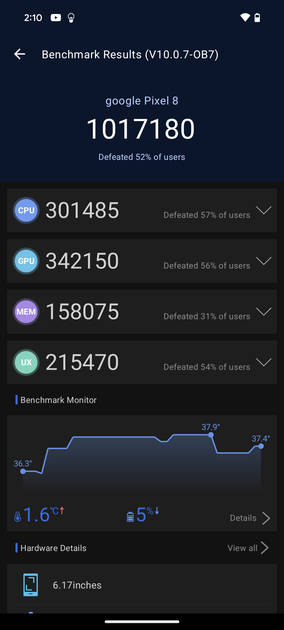
AnTuTu Benchmark
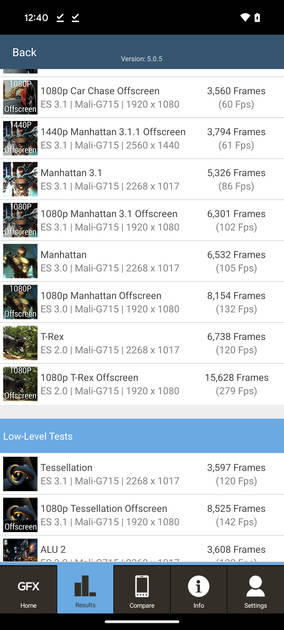
Graphics Benchmark
Geekbench6 Benchmark
|


Display
(Excellent)
|
|
|---|---|
| Display Type | OLED |
| Screen Size | 6.2 inches (15.75 cm) |
| Resolution | 1080x2400 px (FHD+) |
| Peak Brightness | 2000 nits |
| HBM Brightness | 1400 nits |
| Refresh Rate | 120 Hz |
| Aspect Ratio | 20:9 |
| Pixel Density | 424 ppi |
| Screen to Body Ratio (calculated) | 87.1 % |
| Screen Protection | Corning Gorilla Glass Victus, Scratch-resistant glass |
| Bezel-less Display | Yes with punch-hole display |
| HDR 10 / HDR+ Support | Yes, HDR 10+ |
UI Screenshots
Lock Screen
Home Screen
Screen With Widgets
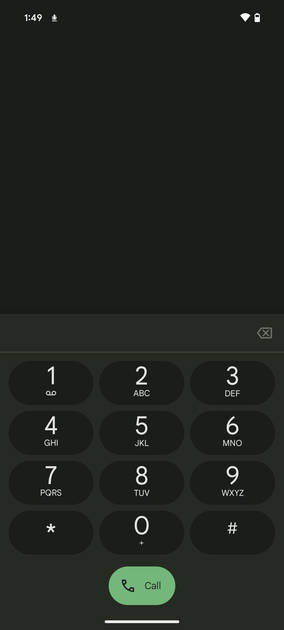
Dialer Screen
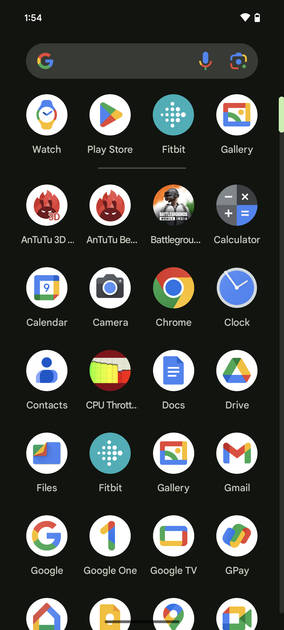
App Drawer
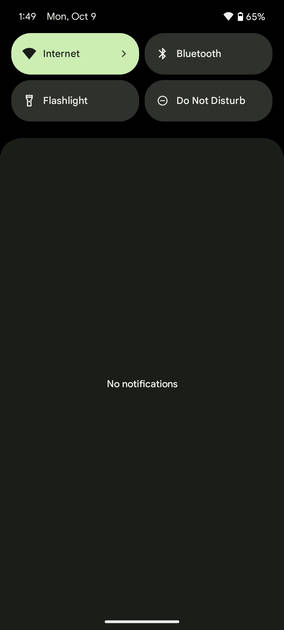
Notification Panel
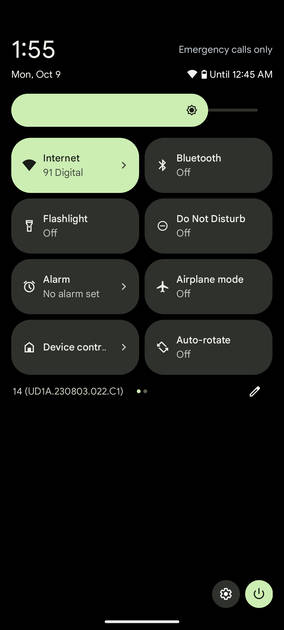
Quick Settings Panel
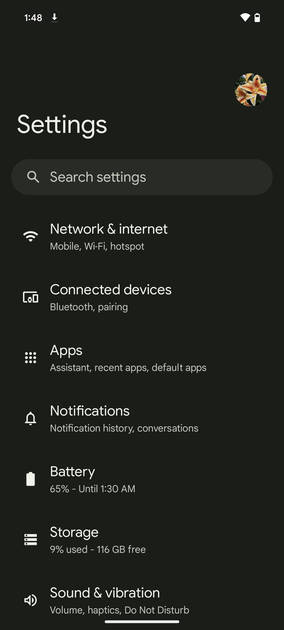
Settings Screen
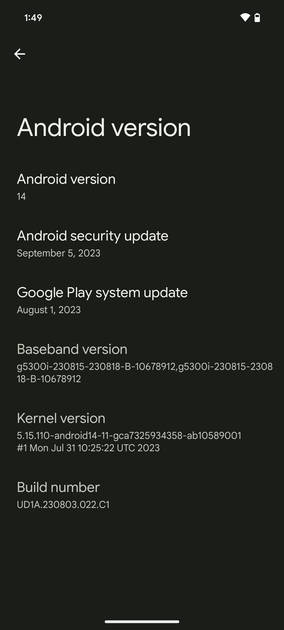
OS Version
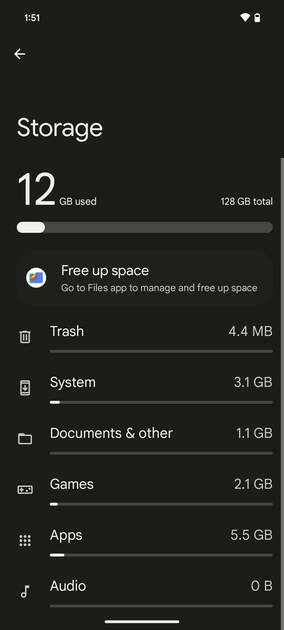
Storage
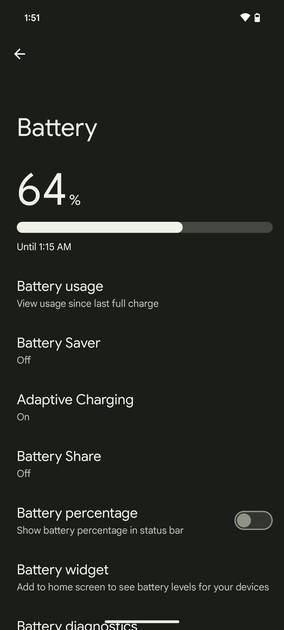
Battery
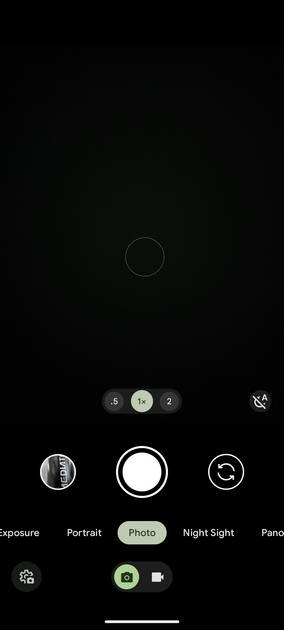
Camera On
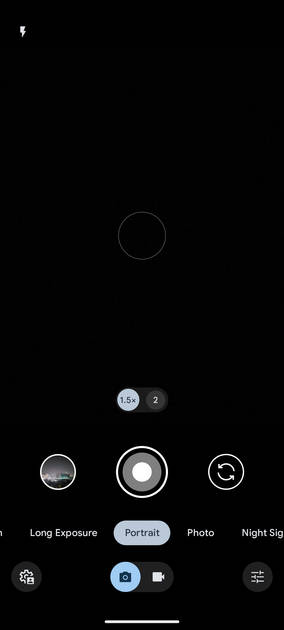
Camera Options
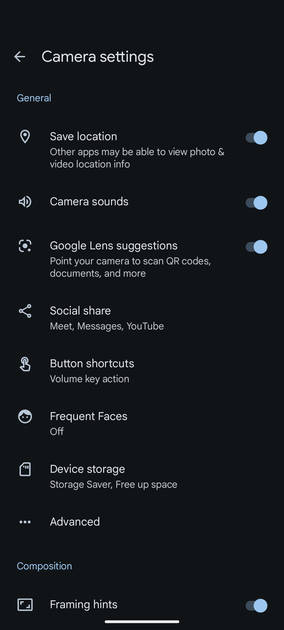
Camera Settings
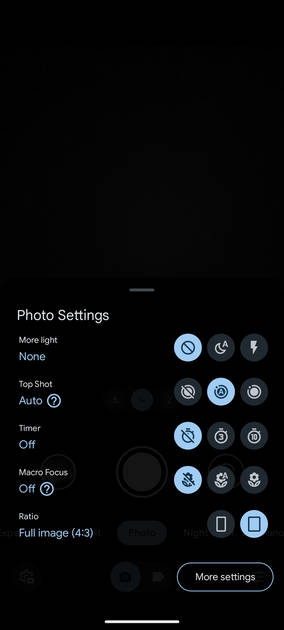
Picture Size Options
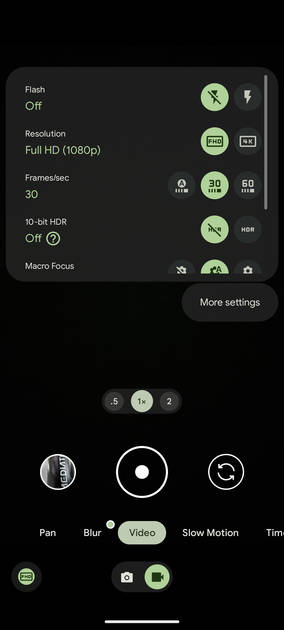
Video Size Options
|
Design |
|
|---|---|
| Height | 150.5 mm |
| Width | 70.8 mm |
| Thickness | 8.9 mm |
| Weight | 187 grams |
| Build Material | Back: Gorilla Glass Victus |
| Water Resistance | Yes, Water resistant, IP68, (up to 30 minutes in a depth of 1.5 meter) |
| Ruggedness | Dust proof |
|
Click to View

|
Rear Camera
(Very Good)
|
|||||||||||||||||||||||||||
|---|---|---|---|---|---|---|---|---|---|---|---|---|---|---|---|---|---|---|---|---|---|---|---|---|---|---|---|
| Resolution | |||||||||||||||||||||||||||
|
|||||||||||||||||||||||||||
| Autofocus | Yes, Phase Detection Autofocus, Laser Autofocus, Motion Autofocus | ||||||||||||||||||||||||||
| OIS | Yes | ||||||||||||||||||||||||||
| Flash | Yes, Dual LED Flash | ||||||||||||||||||||||||||
| Image Resolution | 8150 x 6150 Pixels | ||||||||||||||||||||||||||
| Settings | Exposure compensation, ISO control | ||||||||||||||||||||||||||
| Shooting Modes |
Continuous Shooting High Dynamic Range mode (HDR) Macro Mode |
||||||||||||||||||||||||||
| Camera Features |
7 x Digital Zoom Auto Flash Face detection Touch to focus |
||||||||||||||||||||||||||
| Video Recording |
4k @24 fps Full HD @30 fps |
||||||||||||||||||||||||||
| Video Recording Features |
Slow Motion Video HDR Macro Video Audio Zoom Stereo recording |
||||||||||||||||||||||||||
Rear Camera Samples

Wide Angle
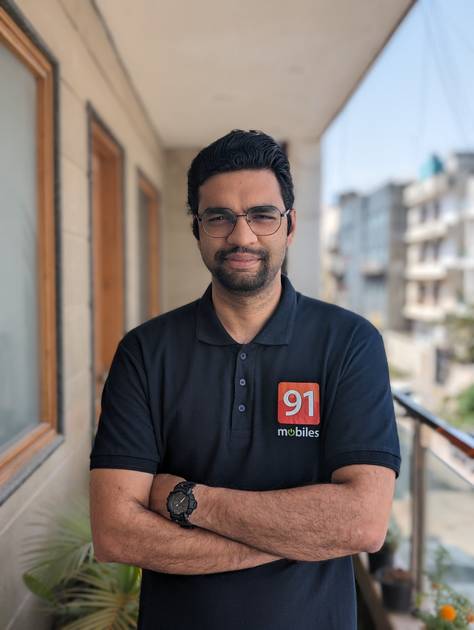
Portrait Shot

Night Mode OFF

Night Mode ON

Close Up
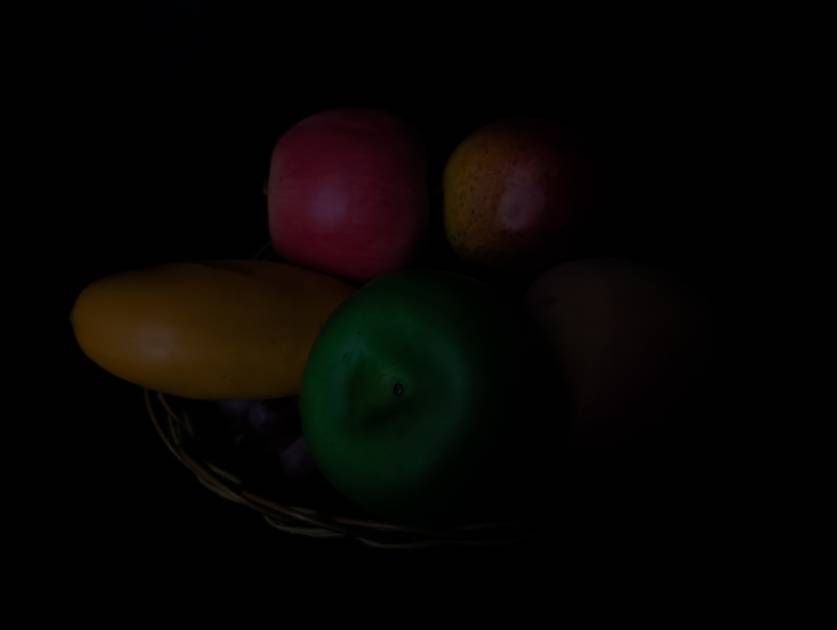
Low Light
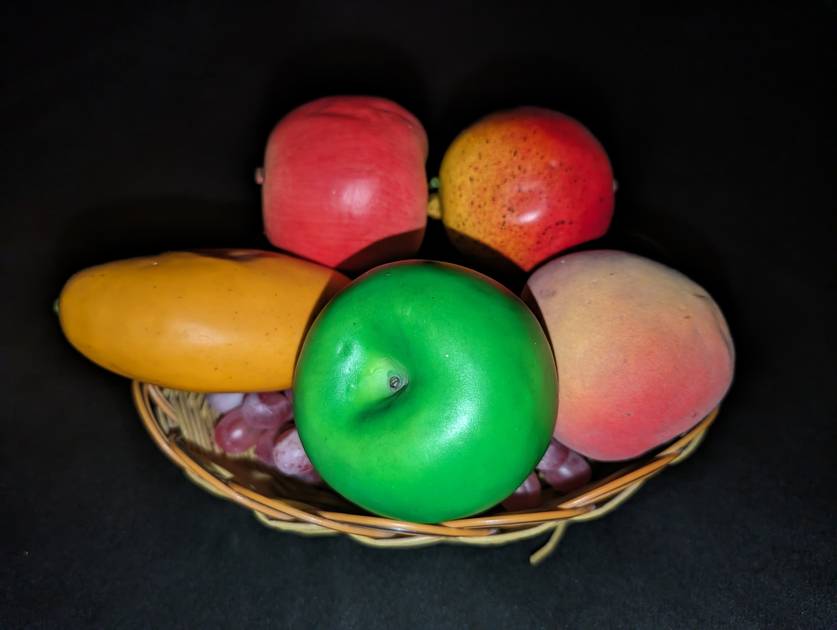
Low Light With Flash
Colour Variance

Daylight Auto / HDR OFF

Daylight / HDR ON
AI ON

Macro
|
Front Camera
(Very Good)
|
||||||||||||||||
|---|---|---|---|---|---|---|---|---|---|---|---|---|---|---|---|---|
| Resolution | ||||||||||||||||
|
||||||||||||||||
| Autofocus | Yes, Phase Detection Autofocus | |||||||||||||||
| Camera Features | Fixed Focus | |||||||||||||||
| Video Recording | 4k @24 fps | |||||||||||||||
Front Camera Samples
Selfie
Selfie Portrait
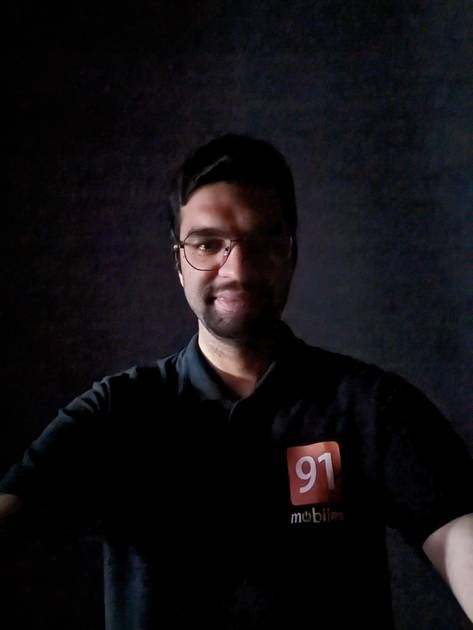
Selfie Low Light

Selfie Low Light With Flash
|
Battery
(Very Good)
|
||
|---|---|---|
| Capacity | 4575 mAh | |
| Battery Type | Li-ion | |
| Quick Charging | Yes, 27W Fast Charging, 50% in 30 minutes | |
| Wireless Charging | Yes, 18W Wireless Charging | |
| Wireless Reverse Charging | Yes | |
|
Battery Test Results
|
Storage |
|
|---|---|
| Internal Storage | 128 GB / 256 GB |
| Storage Type | UFS 3.1 |
| Expandable Storage | No |
Network & Connectivity |
|
|---|---|
| SIM Slot(s) | Dual SIM |
| SIM Type | SIM1: Nano, SIM2: eSIM |
| Network Support | 5G, 4G |
| VoLTE | Yes |
| SIM 1 |
5G bands, 4G bands
Expand
|
| SIM 2 |
5G bands, 4G bands
Expand
|
| Wi-Fi | Yes, Wi-Fi 7 (802.11 a/b/g/n/ac/be/ax) 5GHz 6GHz, MIMO |
| Wi-Fi Features | Mobile Hotspot |
| Bluetooth | Yes, v5.3 |
| GPS | Yes with A-GPS, Glonass |
| NFC | Yes |
Multimedia |
|
|---|---|
| Stereo Speakers | Yes |
| Audio Jack | USB Type-C |
Sensors |
|
|---|---|
| Fingerprint Sensor | Yes |
| Fingerprint Sensor Position | On-screen |
| Fingerprint Sensor Type | Optical |
| Other Sensors | Light sensor, Proximity sensor, Accelerometer, Barometer, Compass, Gyroscope |
Recent Stories

Google Pixel 8 User Reviews
Google Pixel 8 Key Highlights
| Processor | Google Tensor G3 |
| RAM & Storage | 8 GB RAM + 128 GB 8 GB RAM + 256 GB |
| Display | 6.2", 1080 x 2400 Resolution |
| Rear Camera | 50 MP + 12 MP |
| Front Camera | 10.5 MP |
| Battery | 4575 mAh |

Google Pixel 8 Price In India
| Product Name | Store | Price |
|---|---|---|
| Google Pixel 8 (8 GB + 128 GB) | Amazon | ₹36,499 |
| Google Pixel 8 (8 GB + 128 GB) | Flipkart | ₹52,999 |
| Google Pixel 8 (8 GB + 256 GB) | Flipkart | ₹54,999 |
Popular Links
- All Upcoming Phones
- Samsung Galaxy F70 5G
- vivo S2 FE 5G
- OPPO Find X10
- OPPO Find X10 Pro Max
- Infinix GT 50 Pro
- Samsung Mobiles
- Motorola Mobiles
- vivo Mobiles
- OPPO Mobiles
- Tecno Mobiles
- realme Mobiles
- OnePlus Mobiles