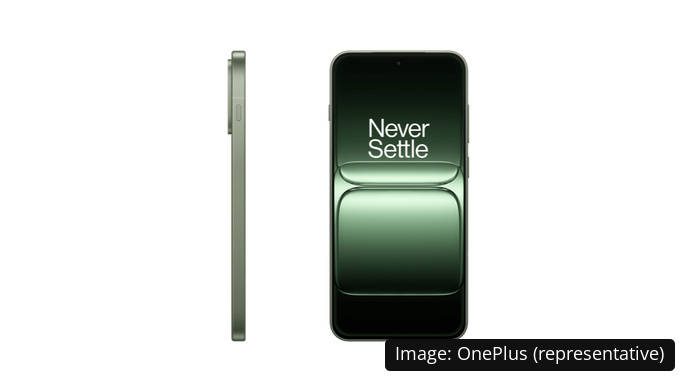
High refresh rates have become an important part of the competition between performance and gaming-focused Android flagships, with brands now pushing beyond the previous 120Hz threshold. OnePlus has been quite aggressive in this area, moving from a 165Hz gaming refresh rate on the OnePlus 15 to a system-wide 165Hz mode and up to 185Hz in supported games on the OnePlus 16. Its next flagship could take that further, while also bringing back a higher-resolution display.
OnePlus 17 display details tipped
Tipster Digital Chat Station has revealed (via) details of a new BOE OLED panel that could be used in an upcoming OnePlus flagship. It reportedly measures 6.89 inches and offers 2K resolution with a refresh rate of up to 240Hz. The panel is also said to feature next-generation LIPO technology for narrower bezels on all four sides, BT.2020 colour gamut and a custom display chip. The tipster hasn’t named the device, but the OnePlus 17 is a possible candidate.
The reported panel would represent a noticeable upgrade over the OnePlus 16’s 6.78-inch BOE X4 OLED screen. The current flagship uses a 1.5K resolution, supports a system-wide refresh rate of up to 165Hz and can reach 185Hz in supported games. The OnePlus 15 before it advertised a 165Hz refresh rate, but that was largely limited to compatible games, with everyday use generally running at up to 120Hz.
OnePlus’ progression suggests a deliberate push towards making high refresh rates available beyond gaming scenarios. The reported 2K resolution would also address the lower resolution used on the last two generations. Digital Chat Station had already hinted at this direction in June, saying OnePlus could move to 240Hz and return to 2K once suitable panels became available without major compromises.
There is competition in this segment, too. The iQOO 16 has already brought a 2K Samsung LEAD OLED panel with a 165Hz refresh rate to the performance flagship category. Samsung’s Galaxy S26 Ultra and Apple’s iPhone 18 Pro Max, meanwhile, continue to use adaptive 120Hz displays. A 240Hz panel would give OnePlus a clear specification advantage, although the difference will depend on how many games and apps can take advantage of it.
The display upgrades also fit OnePlus’s strategy of giving its numbered flagship series a stronger gaming identity. Higher refresh rates are an easy specification to communicate to mobile gamers, while a sharper 2K panel could help the brand appeal to users who want better clarity for everyday content as well. The challenge is delivering both without increasing power consumption or generating excessive heat.
The OnePlus 17 is also tipped to adopt a wider-screen design, and the company could skip a direct successor to the compact OnePlus 15T in favour of a wider phone. Whether this particular BOE panel is intended for the OnePlus 17 remains unclear. The phone is expected around October 2027, leaving plenty of time for its hardware plans to change. For now, buyers should treat the 240Hz panel as an early indication of OnePlus’ roadmap. Its practical value will depend on game support, battery endurance and how well the phone manages heat when running demanding titles.