Apple’s latest iOS 26.4 developer beta adds a new Apple Intelligence feature to Apple Music called Playlist Playground, a tool that builds playlists from simple text prompts. The feature is currently in beta and is expected to reach public testers in the coming weeks.
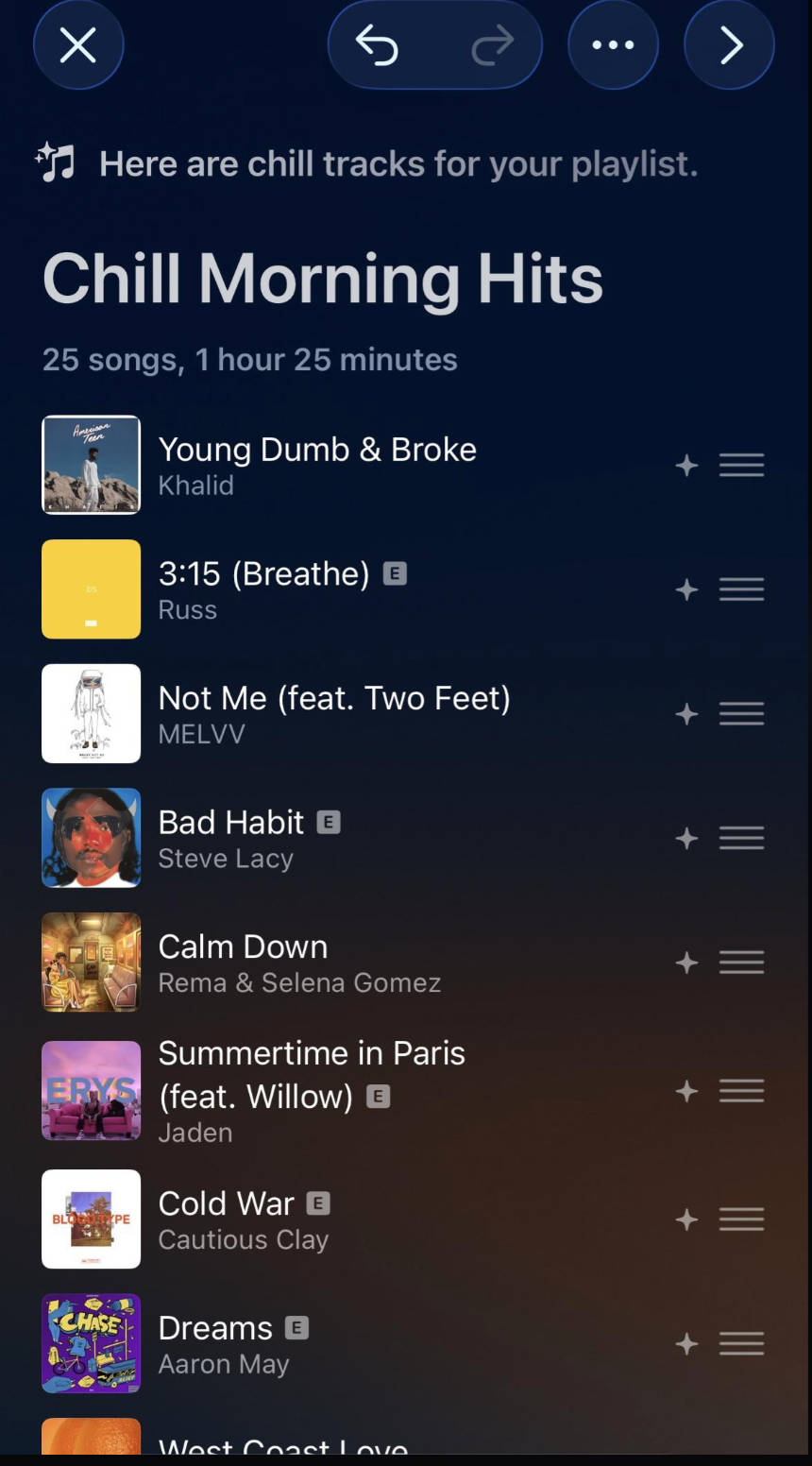
Playlist Playground appears as a new option in the Library tab of the Apple Music app. Users can type a short description — such as workout songs, a relaxed evening mix, or road trip music — and the app generates a playlist to match. Apple has also included preset prompts under ‘New Playlist Ideas’ for users who prefer suggestions. Interestingly, Playlist Playground seems to be working even on iPhones that don’t support Apple Intelligence i.e iPhones before the 15 series.
Once created, playlists can be saved, edited, reordered, or refined with follow-up prompts without starting over. If the option does not appear immediately after updating, Apple notes that the required Apple Intelligence models may still be downloading in the background. Their status can be checked in the Apple Intelligence & Siri section of Settings.
The feature reflects a broader shift in music streaming toward AI-assisted discovery. Apple Music already offers personalised mixes and editorial playlists, but Playlist Playground moves the experience closer to conversational search, where users describe a mood or activity rather than browse by artist or genre.
Spotify has been exploring similar ideas. Its AI Playlist tool also creates playlists from text prompts, while features such as AI DJ and daypart-based recommendations aim to adapt to listening habits throughout the day. Spotify’s advantage lies in its scale and listening data, which help refine suggestions over time. In India, platforms such as JioSaavn and Gaana have focused on curated playlists, mood filters, and algorithmic recommendations rather than text-based playlist creation. Their strength remains regional language catalogues, local content partnerships, and lower subscription prices.
Apple’s Playlist Playground is less about replacing curation and more about simplifying it. Users who know the mood they want but not specific songs may find it faster to generate a playlist with a prompt than to search manually. For subscribers choosing between services, AI tools are becoming another point of comparison. Spotify continues to lead in personalisation and discovery features, Apple is building deeper integration across devices, and local platforms remain competitive on pricing and regional content.
iOS 26.4 is currently available to developers. If Playlist Playground does roll out widely, it may change how some users build playlists, shifting the process from browsing and manual selection to a few lines of text.