Dell 14S launched in India with Intel Core Series 3 processsors and four lively colours


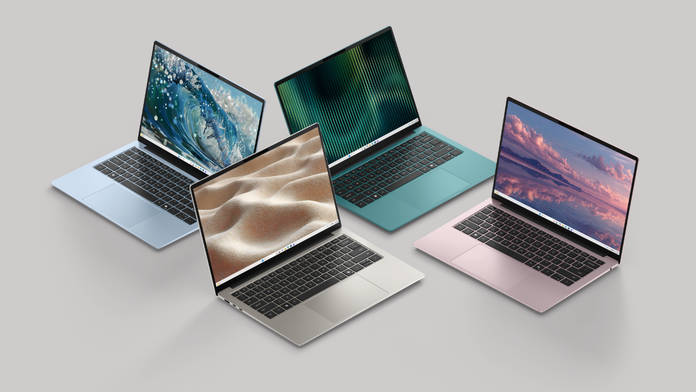
Dell has launched the new Dell 14S in India, targeting students and young professionals who want a lightweight laptop for everyday work and productivity. The machine features an aluminium design in four colour options, the new Intel Core Series 3 processors, and claims a long battery life. Let’s check it out in more detail below.
Table of Contents
Dell 14S price in India and availability
The Dell 14S starts at Rs 79,990 in India. Customers can purchase it through Dell’s official online store and other official retail channels.
| Dell 14S variants | ||
| Rs 79,990 | Rs 1,09,990 | Rs 1,39,990 |
| Intel Core 5 320, 8GB RAM, 512GB SSD | Intel Core 5 320, 16GB RAM, 512GB SSD | Intel Core 7 320, 16GB RAM, 512GB SSD |
| 14-inch IPS, 1920 x 1200, 60Hz, 300nits | 14-inch IPS, 1920 x 1200, 60Hz, 300nits | 14-inch IPS, 2880 x 1800, 120Hz, 450nits |
The introductory offers include:
Show Full Article
- Zero-down payment and zero-interest financing through select banks and NBFCs.
- Instant credit card discounts of up to Rs 10,000 with one year of Accidental Damage Protection for Rs 499.
Dell 14S features and specifications
The Dell 14S focuses on portability and everyday usability, with an aluminium chassis that measures 13.5mm in thickness and weighs as little as 1.15kg. You can choose from four colour options: Linen, Dusty Rose, Washed Denim and Velvet Green. The lightweight build and different finishes give it a more personal look, particularly for students and young professionals who carry their laptops around regularly.


Dell offers Intel Core 5 320 and Core 7 350 Series 3 processors, both of which feature six CPU cores and an integrated NPU. The Core 5 offers 16 TOPS of AI performance, while the Core 7 goes up a smidge to 17 TOPS. The laptop supports up to 16GB of LPDDR5X memory and up to 1TB of SSD storage. These processors are suitable for everyday performance and power efficiency rather than heavy workloads. This means the Dell 14S is intended to be an office work, browsing, studying and light multitasking machine.
Display options include two 14-inch panels with a 16:10 aspect ratio. The base and mid-tier Core 5 configurations feature a 1920 x 1200 resolution and a 60Hz refresh rate with 300 nits of brightness. Dell calls this a 2K display, but its resolution is closer to FHD (1080o), with some extra vertical space due to 16:10 aspect ratio. The more expensive Core 7 configuration gets a 2.8K (2880 x 1800) panel with a 120Hz refresh rate and up to 450 nits of brightness.


Battery life is another major focus, with Dell claiming up to 21 hours of Netflix streaming on a single charge. The efficient six-core processors and LPDDR5X memory should help the laptop use less power than traditional Windows machines with last-gen processors. Dell also uses a high-density 750ED PNCM battery, which it claims runs cooler under load and retains its capacity over time. Actual battery life will naturally depend on the configuration and usage.
Connectivity is fairly basic for a laptop at this price. Dell provides two USB-C 3.2 Gen 2 ports with DisplayPort 1.4 and Power Delivery, an HDMI 1.4 port and a 3.5mm audio jack. There is no Thunderbolt support, which could disappoint users who rely on high-speed external storage and advanced docking stations. The laptop also includes Wi-Fi 6E, Bluetooth 5.4, a 1080p webcam, dual-array microphones and stereo speakers with Dolby Atmos.
Should you buy the Dell 14S?
The Dell 14S has a clear idea of its position in the market, with its Rs 79,990 base variant competing directly with Apple’s MacBook Neo. Its aluminium design, lightweight build and focus on battery life make it a good option for students and professionals who mainly need a machine for everyday work and Windows platform. The base model’s 8GB soldered RAM, however, is a limitation, much like the MacBook Neo, so the 16GB variant is worth considering if you have the funds to spare.
The higher configurations, particularly the Rs 1,39,990 Core 7 model, compete with premium Windows laptops such as the ASUS Zenbook 14 and Lenovo Yoga 7i series. These alternatives offer sharper OLED displays and higher memory options, while the Yoga also gets a convertible design with touchscreen and pen support. The Zenbook 14 starts at around Rs 1.28 lakh, while the Yoga 7i starts at around Rs 1.11 lakh.
Dell’s advantage could lie in its battery efficiency, with its newer Intel processors and LPDDR5X memory designed to deliver longer runtimes. Its four colour options also make it a more personable device. Snapdragon-powered Windows laptops are another alternative for battery-conscious buyers, although there’s a non-zero chance you may run into a compatibility issue with some legacy software.