
A new kind of phishing scam targeting car owners has begun circulating through SMS, disguised as traffic e-challan notices. These messages closely mimic official challan alerts, which seem to be an attempt to trick car owners into clicking fraudulent links and sharing sensitive information. We received two such messages, and more are expected to have been sent to users.
One such message reads: “A Traffic Challan BH5065678749 of Rs.3000 has been issued against your vehicle on 08-12-2025. To view and download challan please visit https://echallan.live/app.” While the format appears convincing, the link leads to a nonexistent page. The redirected website doesn’t show anything suspicious, but there are chances that such links may take users to a suspicious website and get sensitive information like their bank details, card information, or OTPs.
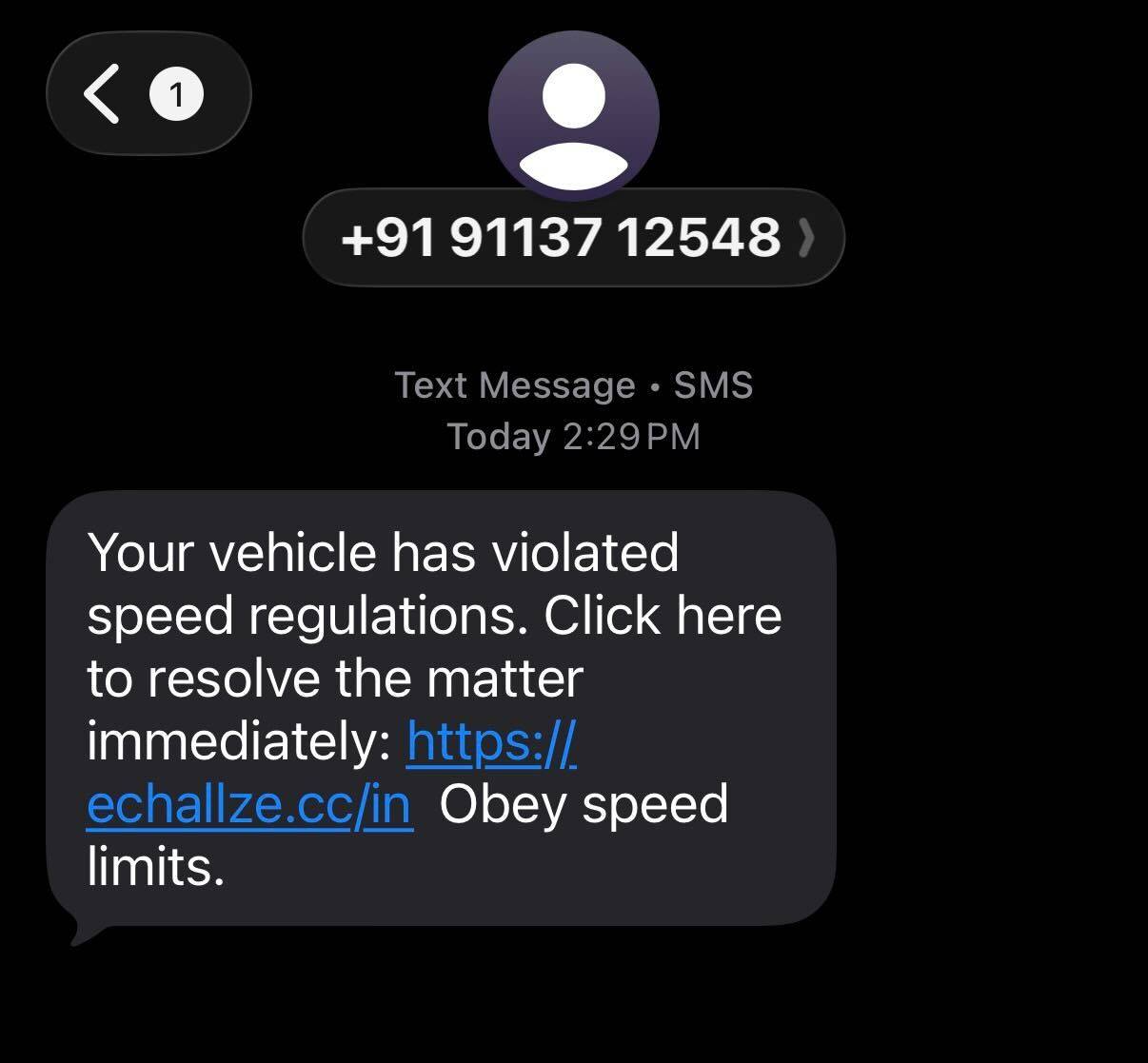
Such scams have a high potential to work by creating urgency and fear of penalties, as many car owners, anxious to settle what looks like an official fine, may click the link without verifying its authenticity. A key red flag in this message is that it does not mention the vehicle registration number, which is always included in genuine e-challan communications. Real alerts also originate from verified government sender IDs such as DDCSMS or official state traffic authority channels, and never from random mobile numbers.
Banks like American Express have started sending an advisory stating: “Beware of Fake e-Challan Scams – Scammers are sending fake e-Challans that may contain fraudulent links to compromise your banking, Card or personal information. Please validate merchant name and amount in the OTP message before making a payment.” This suggests that the e-challan scam is widespread and targeting several users. The National Crime Investigation Bureau (NCIB) had also shared a post on X earlier this month warning users of the e-challan scam.
If you’ve also received a similar message, then double-check the message. If it seems suspicious, then don’t click on the link, and obviously don’t share any sensitive information. You can check if your vehicle has been issued any e-challans through verified platforms like the government portal “https://echallan.parivahan.gov.in/index/check-challan-status. Here, you can check dues using your vehicle number or driving licence details. You can also view legitimate challans directly within the CRED app, which pulls data from authorised sources and does not require clicking third-party links.
In short, keep these things in mind:
- A real challan will always mention your vehicle number.
- The message should come from an official account.
- You can cross-check the challan details on the Parivahan portal.
- You can also check through apps like CRED.
That said, there could be some highly advanced scams where even your vehicle number is mentioned in the SMS, making it seem legitimate. It’s still advisable to cross-check the challan details through authorised platforms.