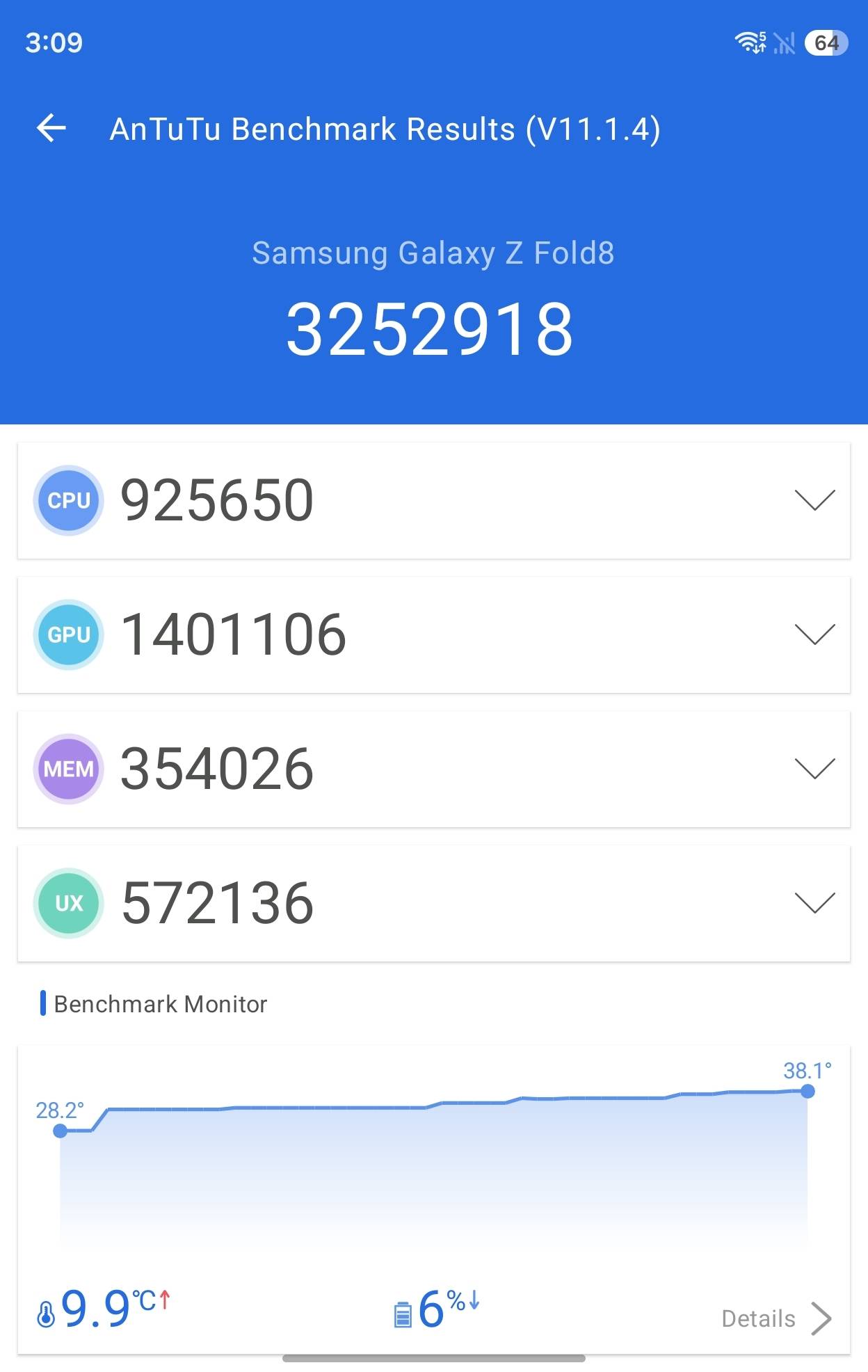
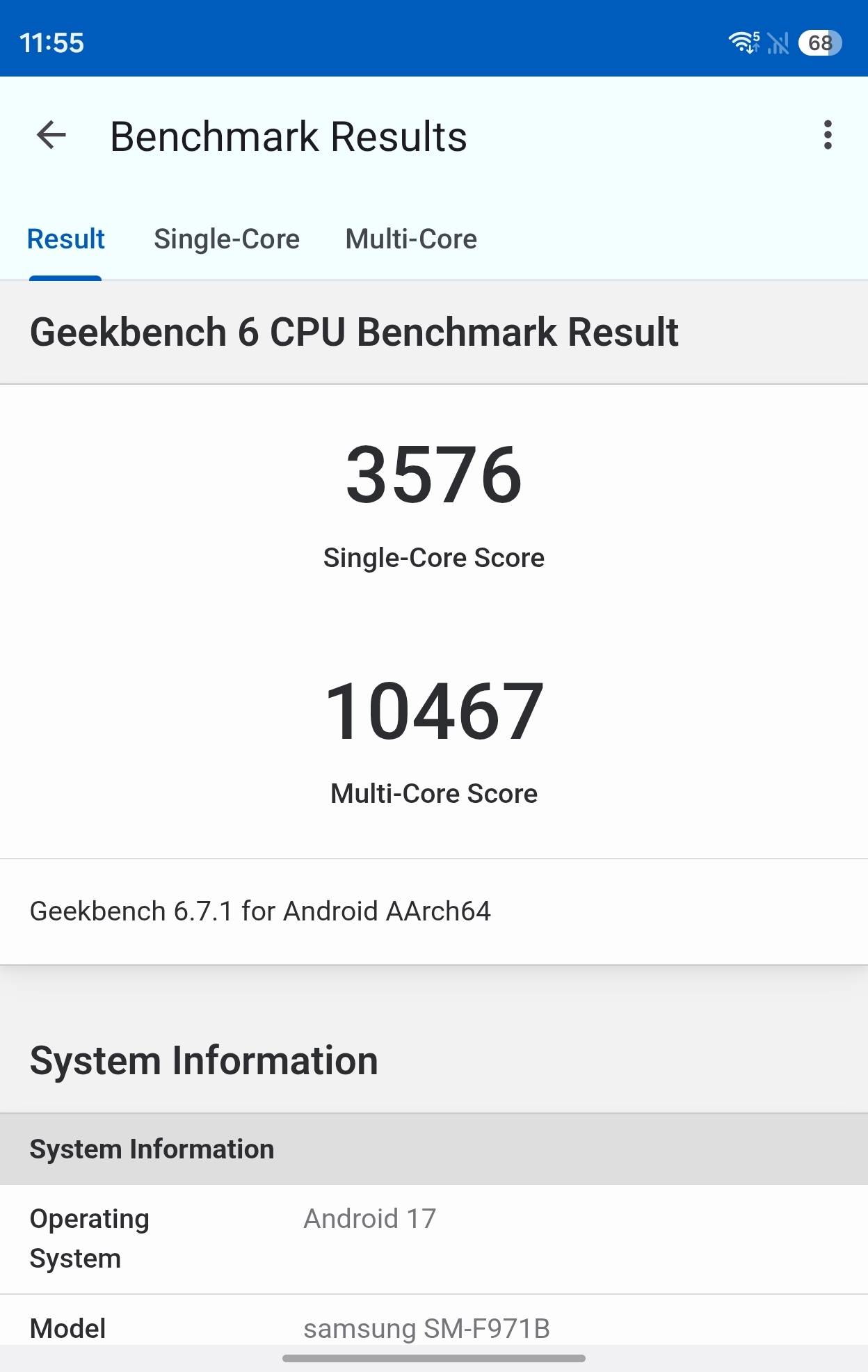
If you’ve been waiting for the festive season to buy a foldable, there’s a case for moving a little sooner this year. Smartphone prices are already under pressure from a global memory shortage, a weaker rupee and higher logistics costs linked to the conflict around the Gulf. At the same time, the latest crop of foldables has arrived with some pretty cool upgrades – from Samsung’s new Fold8 form factor to Google’s more AI-focused Pixel 11 Pro Fold and Motorola’s lower-priced Razr Fold.
It doesn’t necessarily mean prices will spike before Diwali, or that festive sales won’t still bring attractive offers. But with several cost pressures moving in the wrong direction at the same time, waiting purely for a sale may not be the safest bet.
Table of Contents
Memory shortage
The biggest problem is sitting inside almost every smartphone: memory. The global AI boom has redirected significant memory manufacturing capacity towards high-bandwidth memory used in data centres. That has squeezed the supply of DRAM and NAND used in phones and pushed up component costs. Counterpoint-linked industry data suggests memory costs have already contributed to smartphone price increases of around 15 percent in India, while IDC expects average smartphone selling prices globally to rise further in 2027.
This matters even more for foldables because they sit at the premium end of the market. A typical flagship foldable carries substantial amounts of RAM and storage, often across higher configurations, so rising memory costs have a more noticeable impact on the bill of materials. More importantly, this doesn’t look like a shortage that will simply disappear by the festive season. Industry forecasts suggest memory supply could remain tight well into 2027 as manufacturers continue prioritising AI-related demand. That makes the usual wait-for-Diwali strategy a little less recommended this year.
Rupee depreciation and shipping costs
Memory isn’t the only pressure on smartphone prices. The rupee has remained weak against the dollar, which matters in a market where a large portion of the smartphone supply chain is dollar-denominated. The conflict around the Gulf is another variable as disruption around the Strait of Hormuz has affected shipping routes and increased freight and war-risk costs. Indian businesses have reported significant increases in landed costs on some routes, while freight rates have also risen.
Brands can absorb some of these increases or adjust their margins, so it would be premature to assume every additional cost will simply appear on the retail price. But manufacturers are dealing with higher component, currency and logistics costs simultaneously. That makes a large festive-season price cut harder to guarantee than it would be in a normal year.
Buying the right foldable at the right time
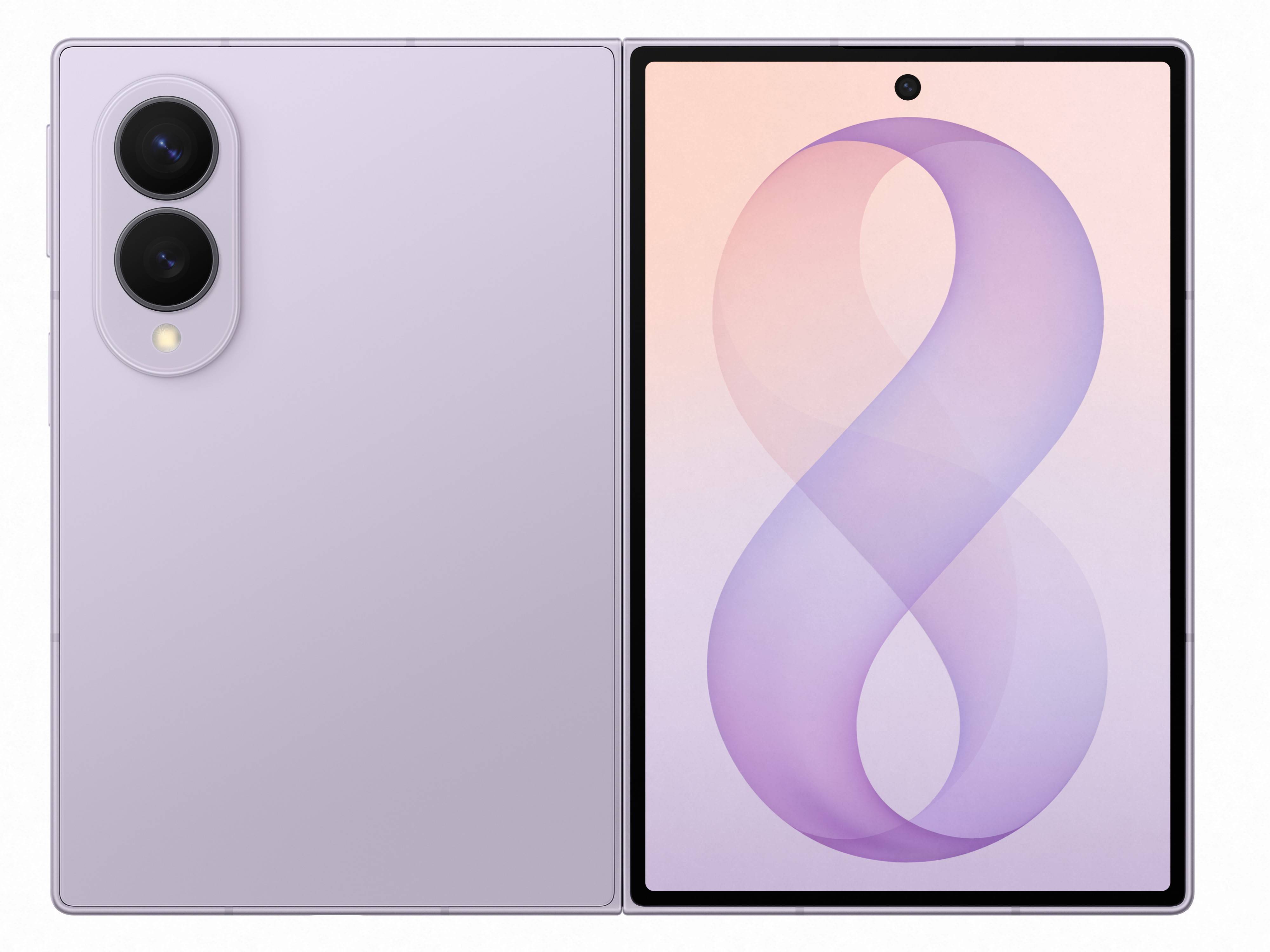
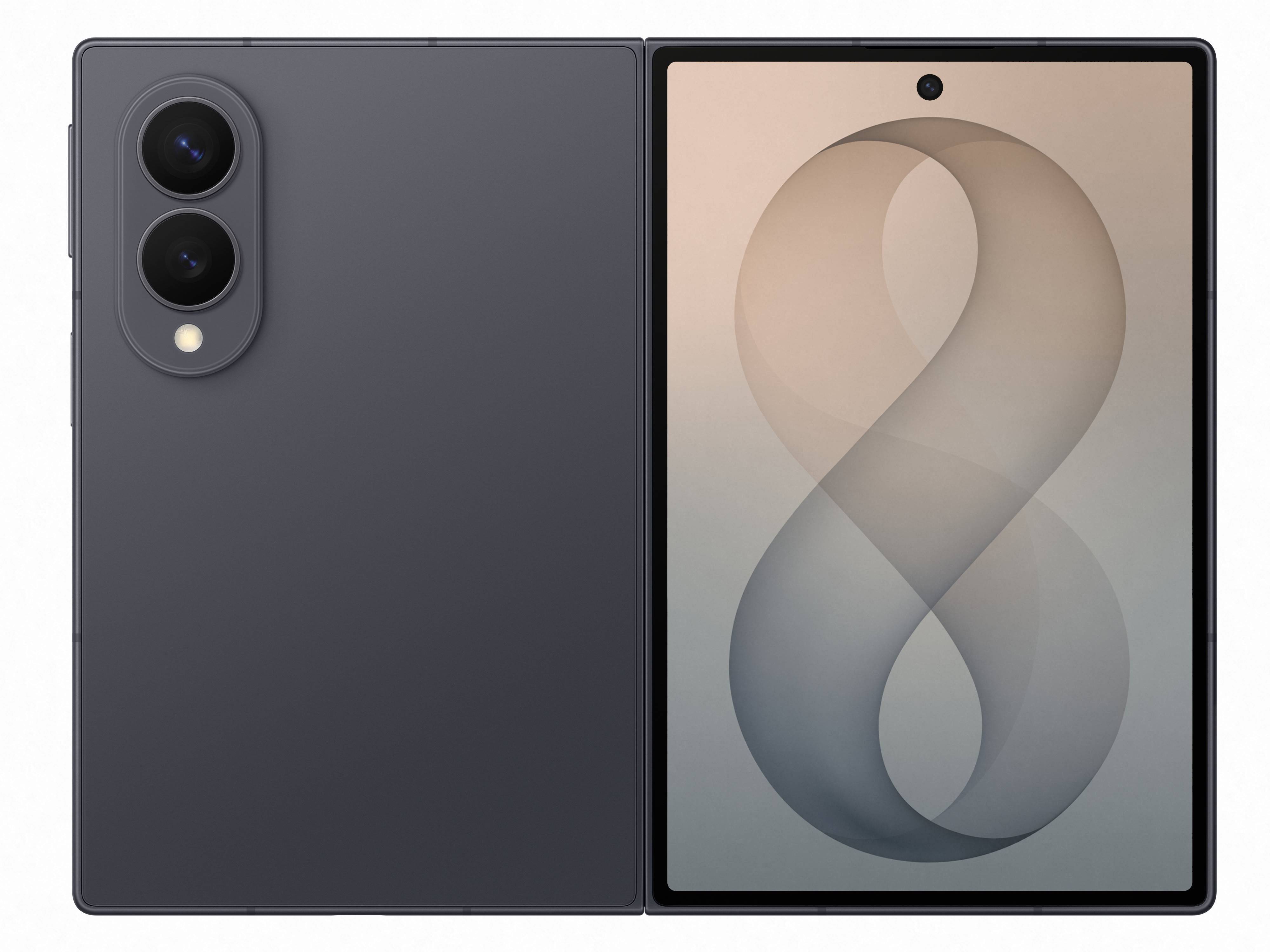
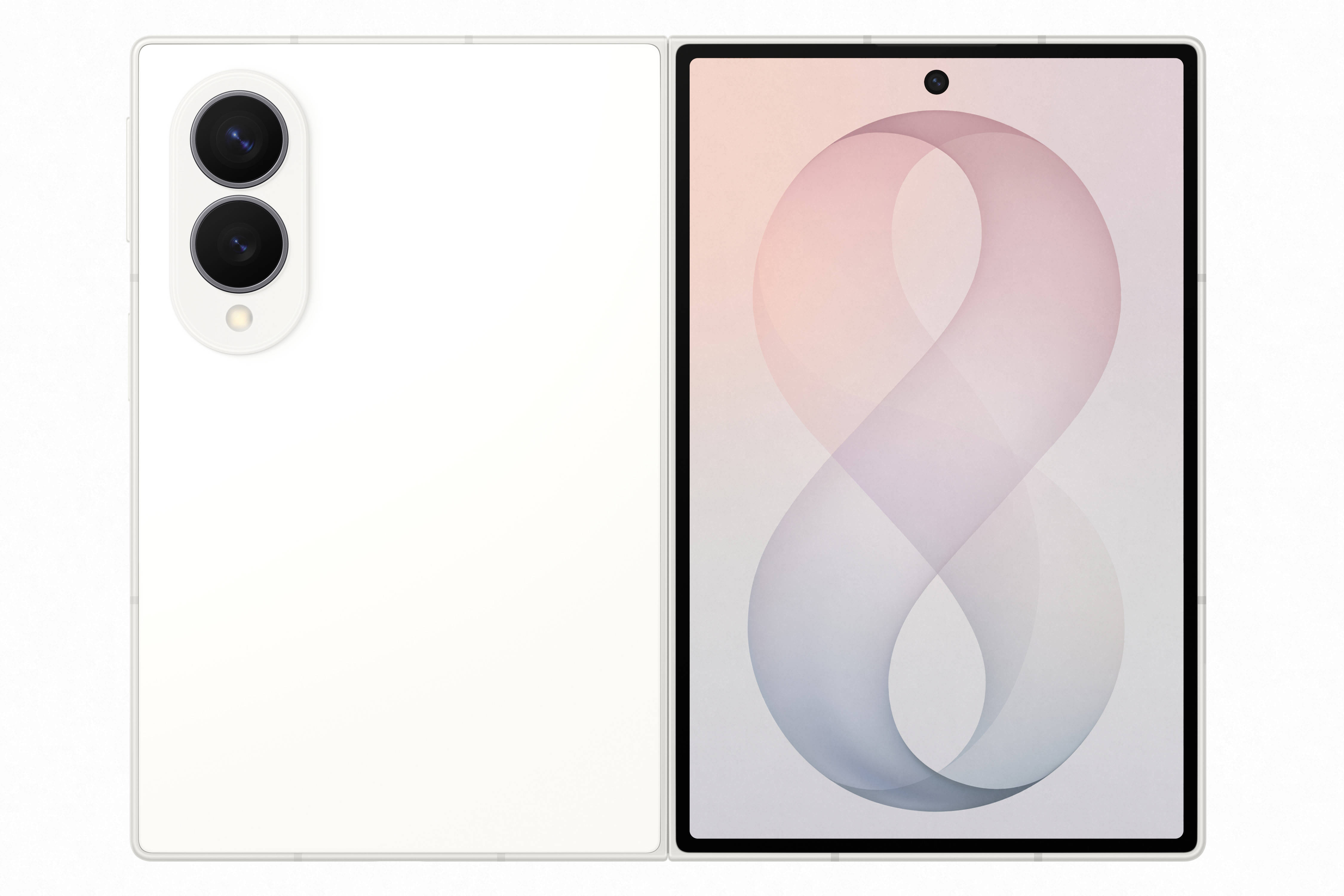
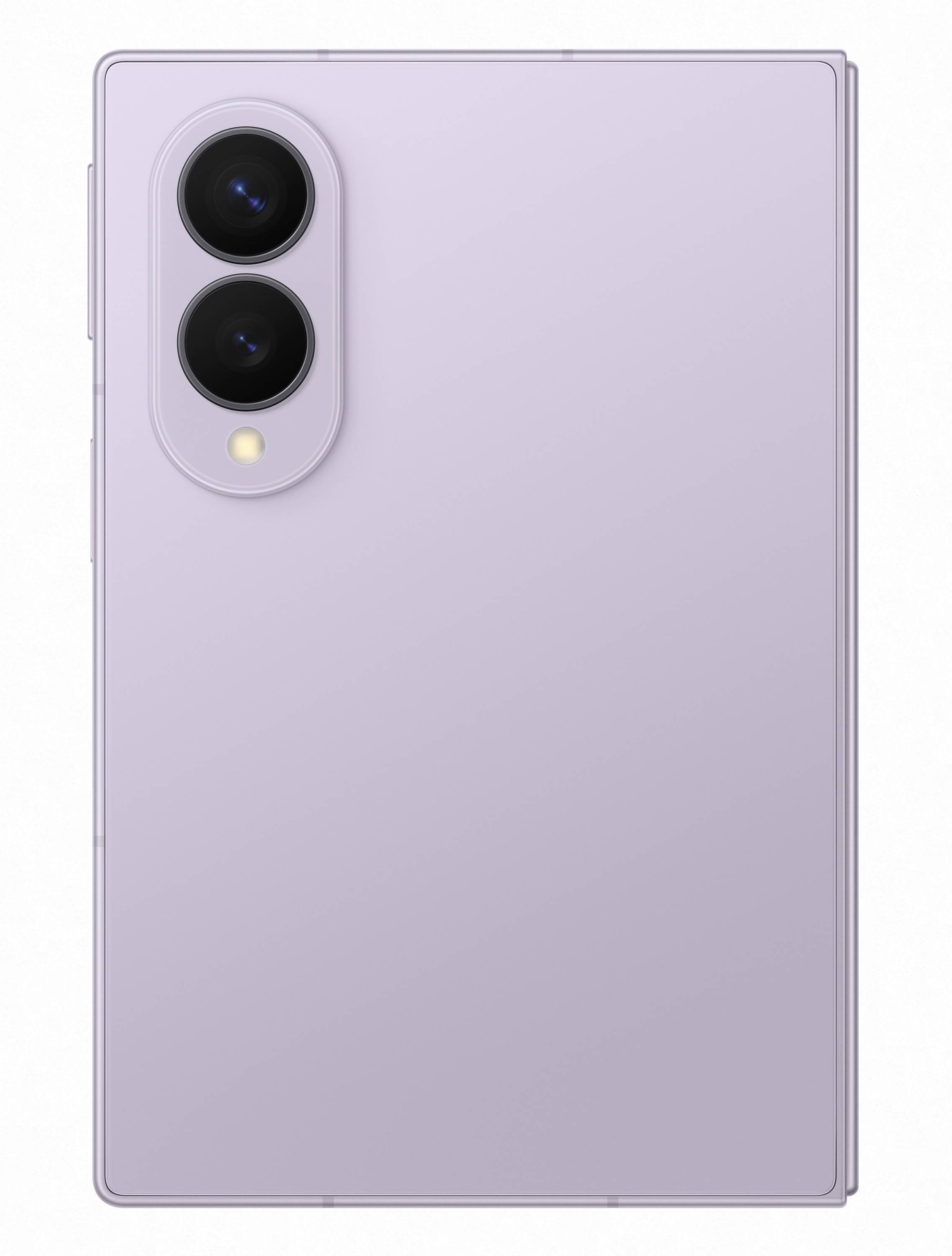
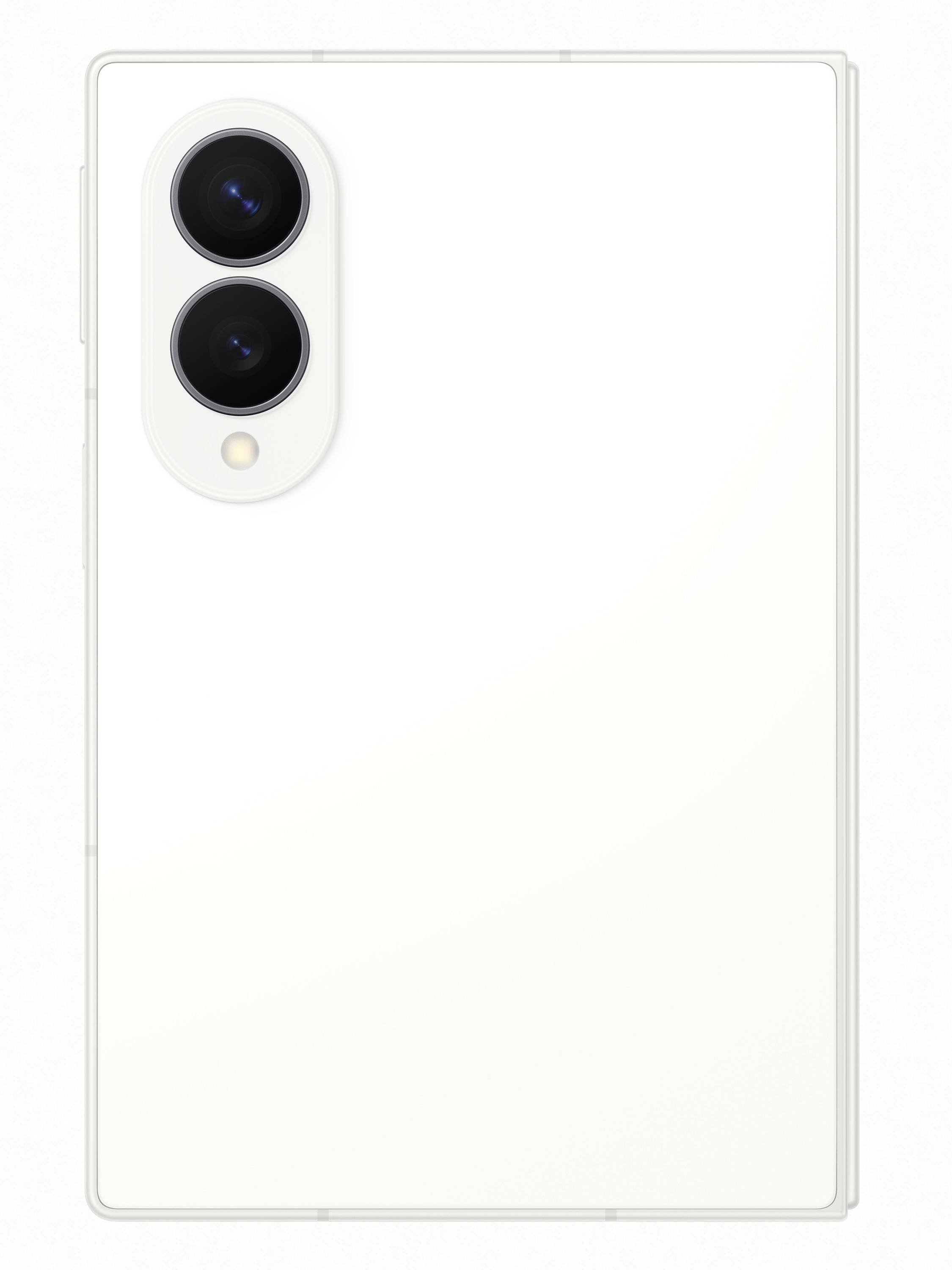
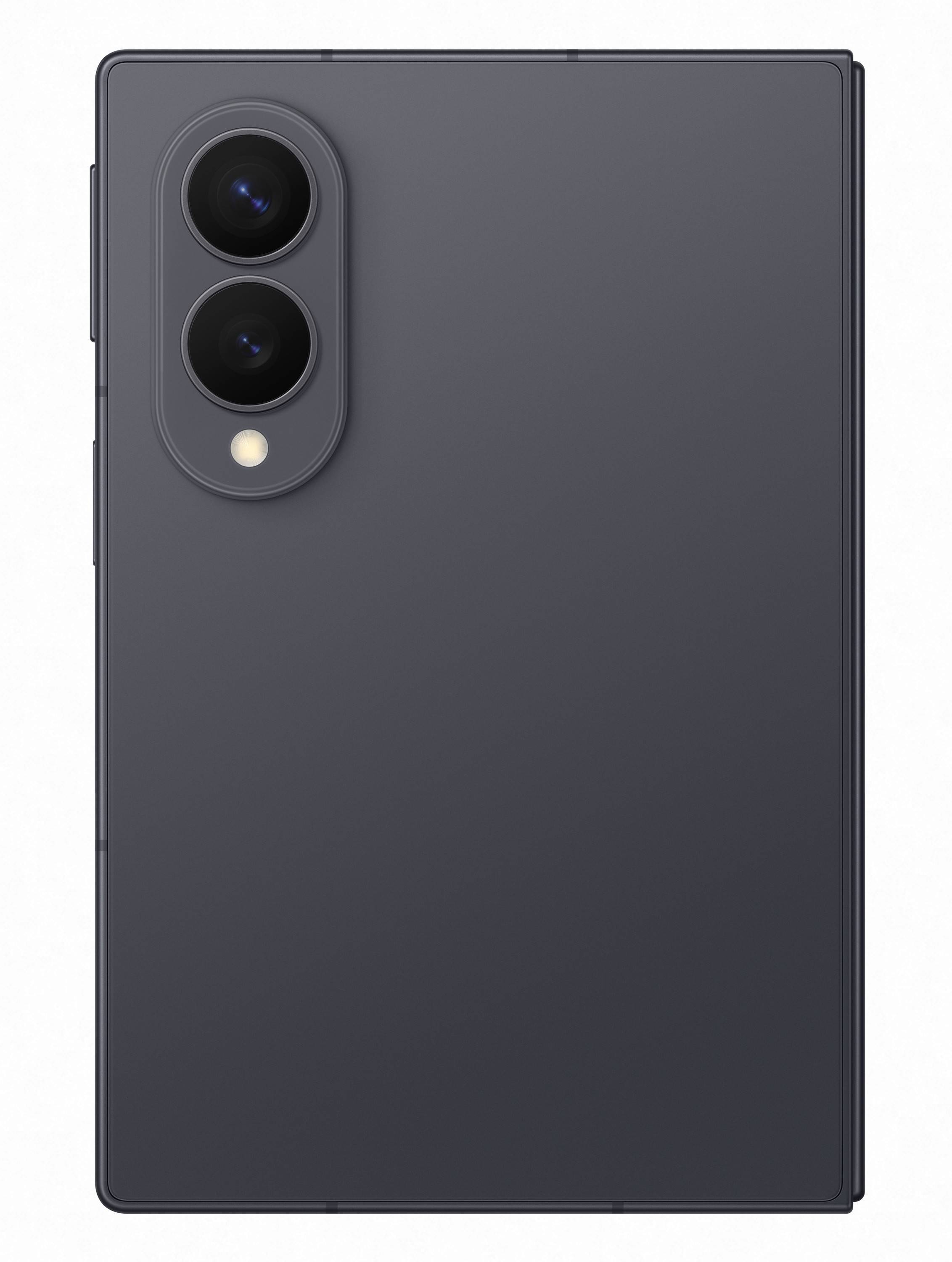
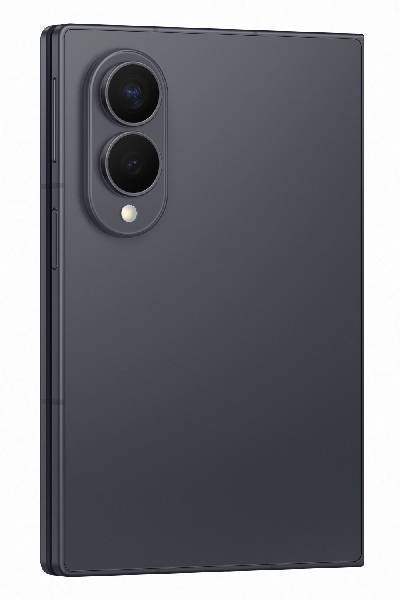
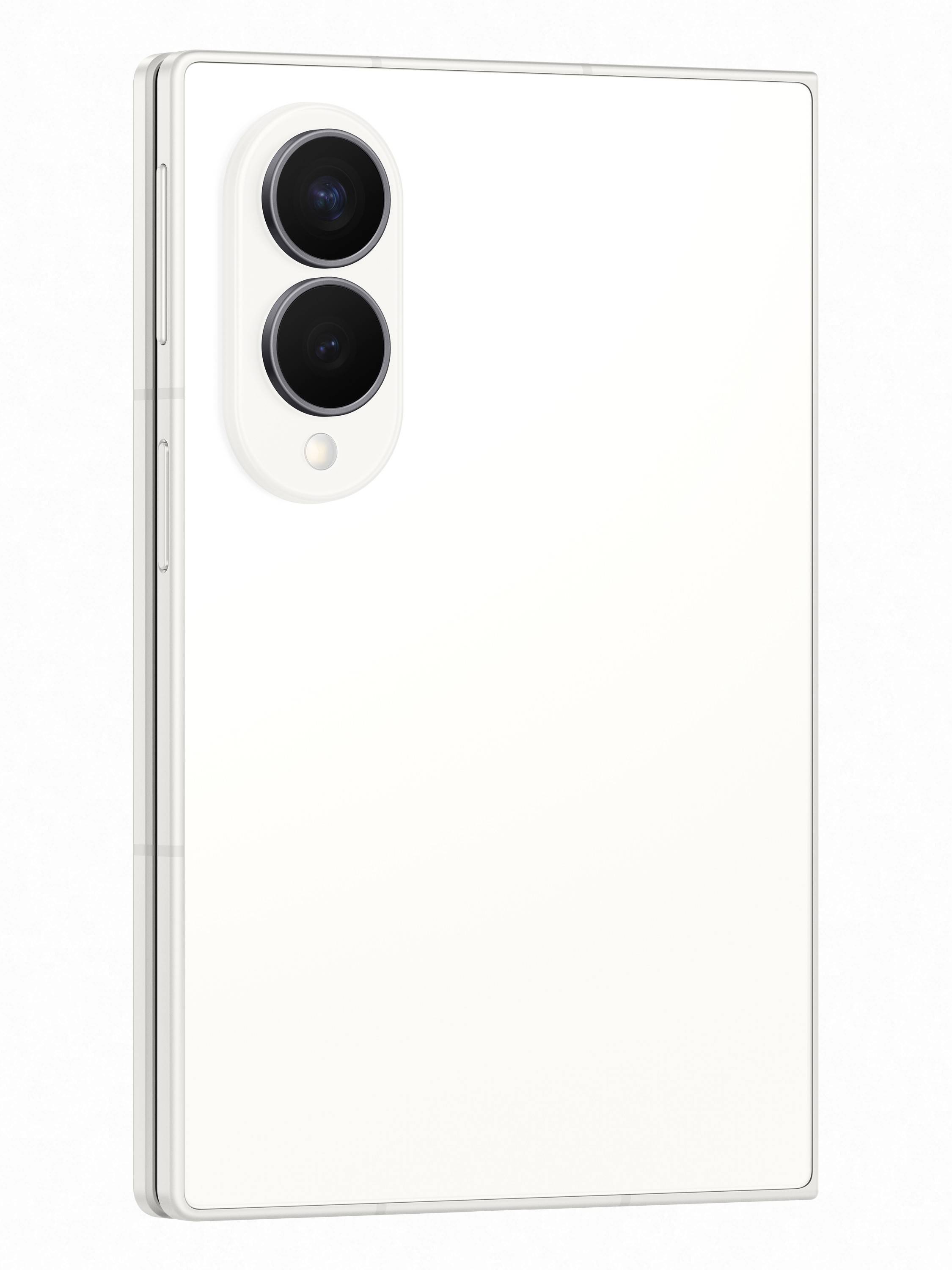
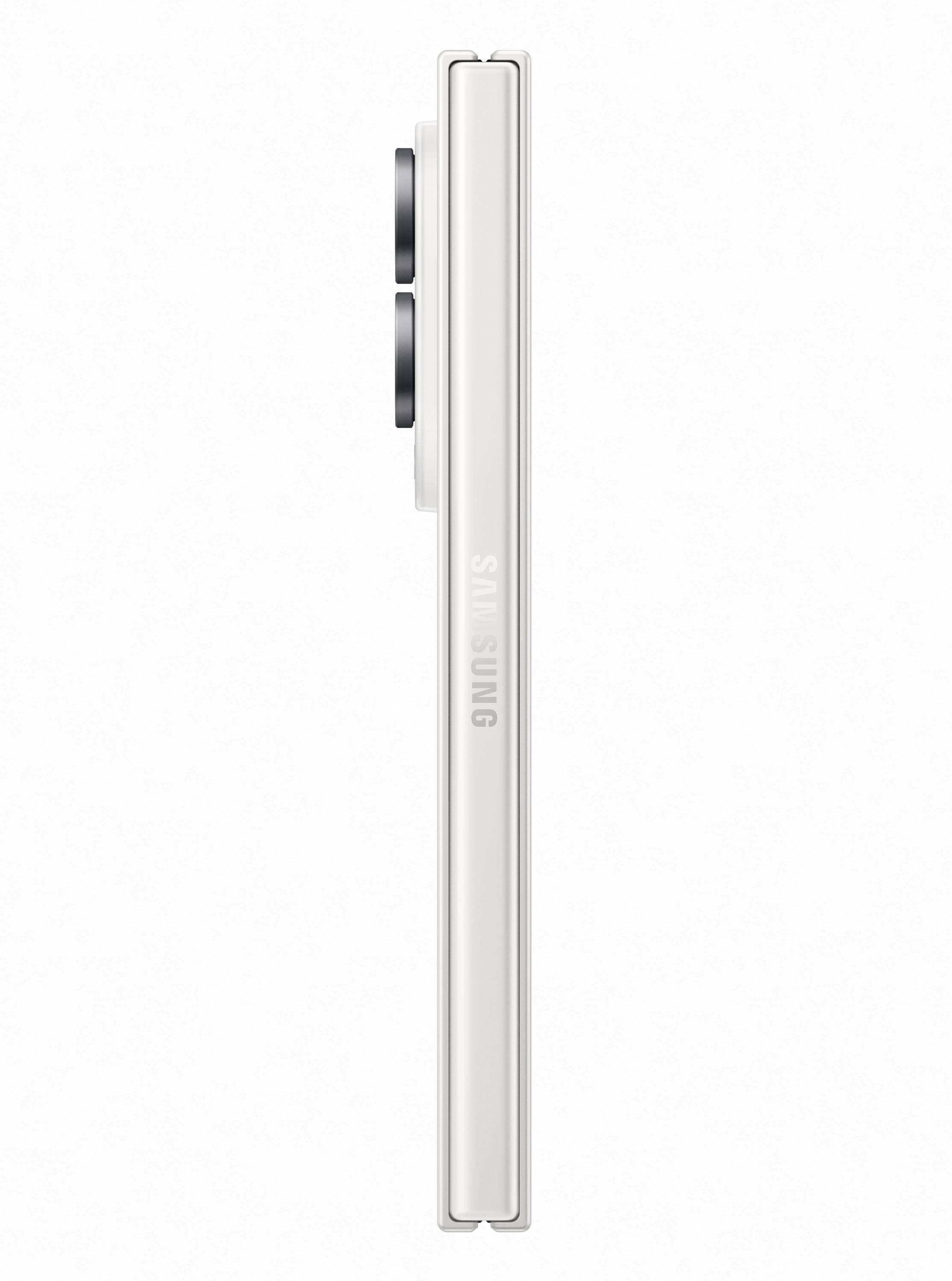
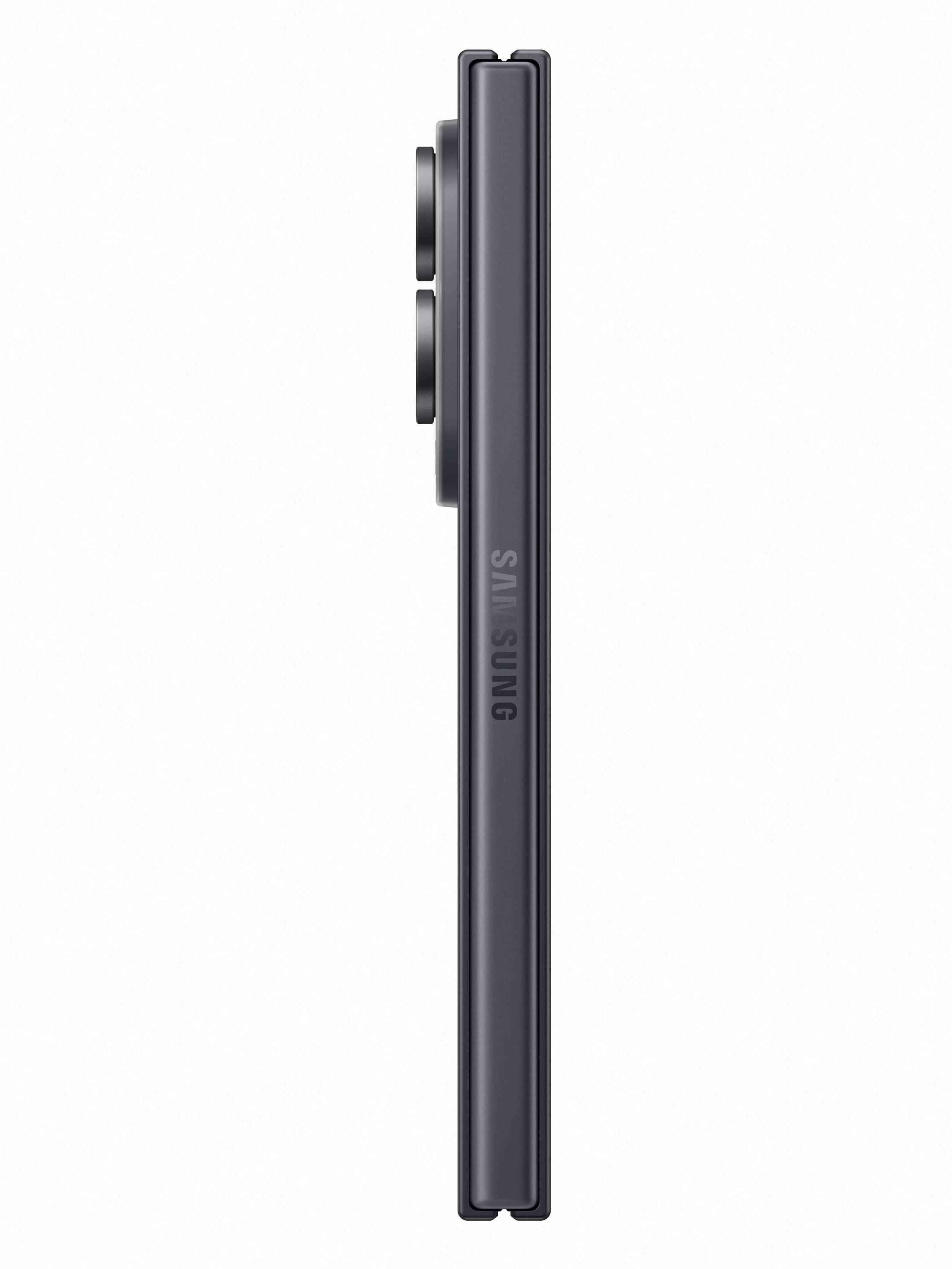
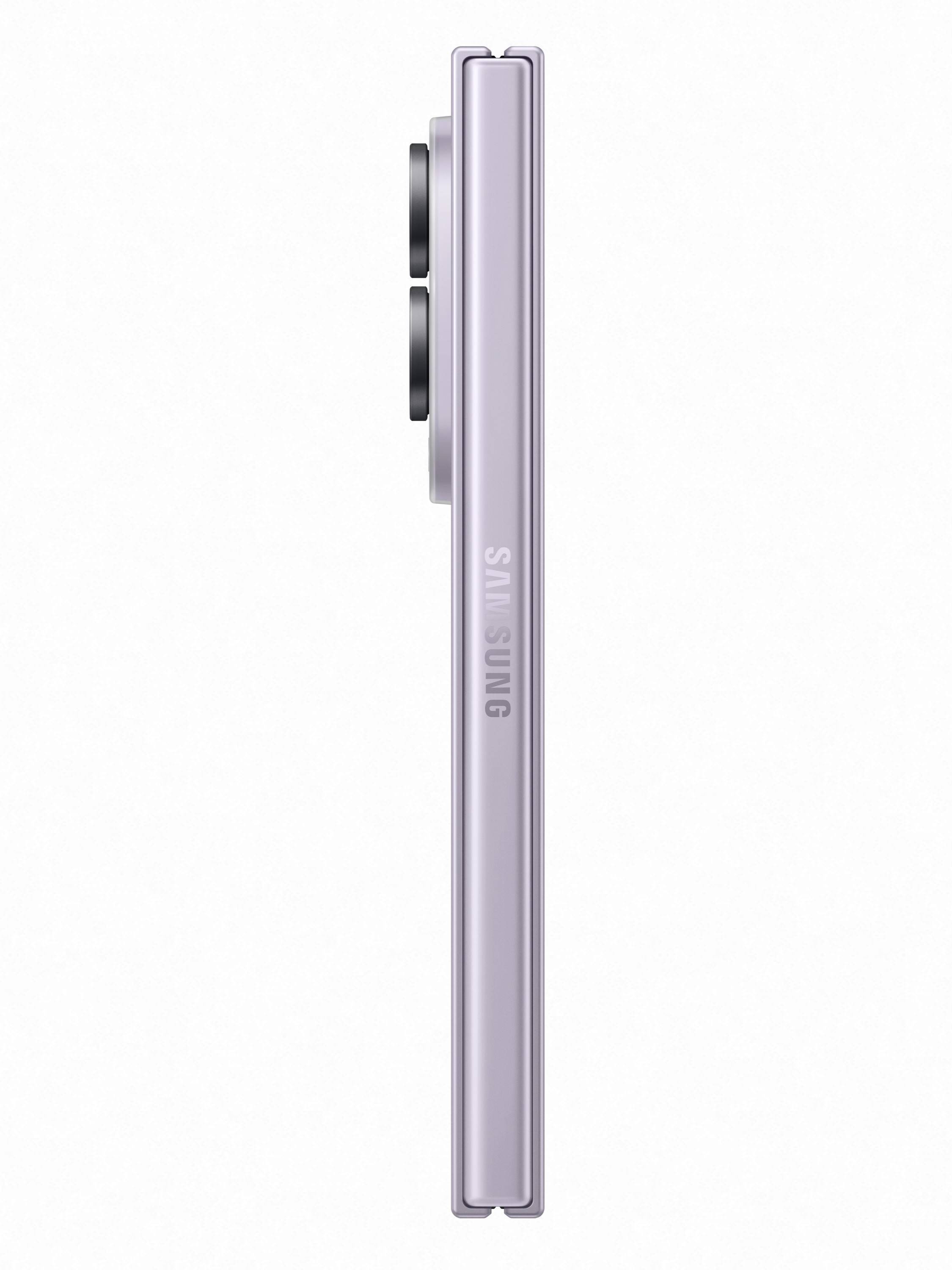
Samsung’s latest Galaxy Z Fold range is one reason the current buying window is worth considering. The Samsung Galaxy Z Fold8 (review) starts at Rs 1,79,999 in India, while the Galaxy Z Fold8 Ultra (review) starts at Rs 1,99,999. The Ultra is interesting for buyers who have been holding out for a more refined large-screen foldable. It measures 8.9 mm when folded and weighs 215 grams, while offering an 8-inch inner display, Snapdragon 8 Elite Gen 5 for Galaxy and a 200MP primary camera.
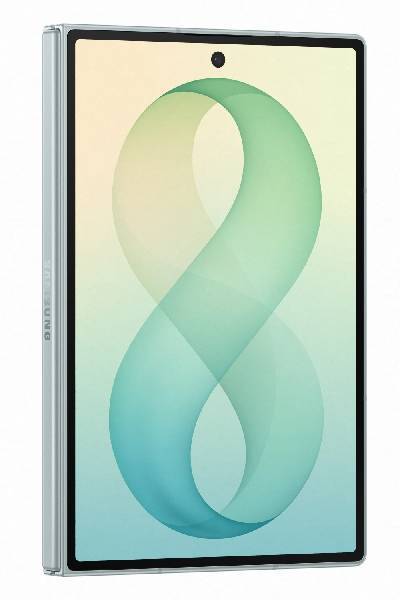
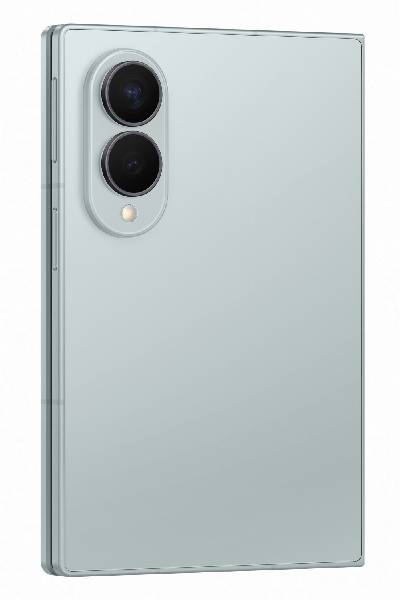
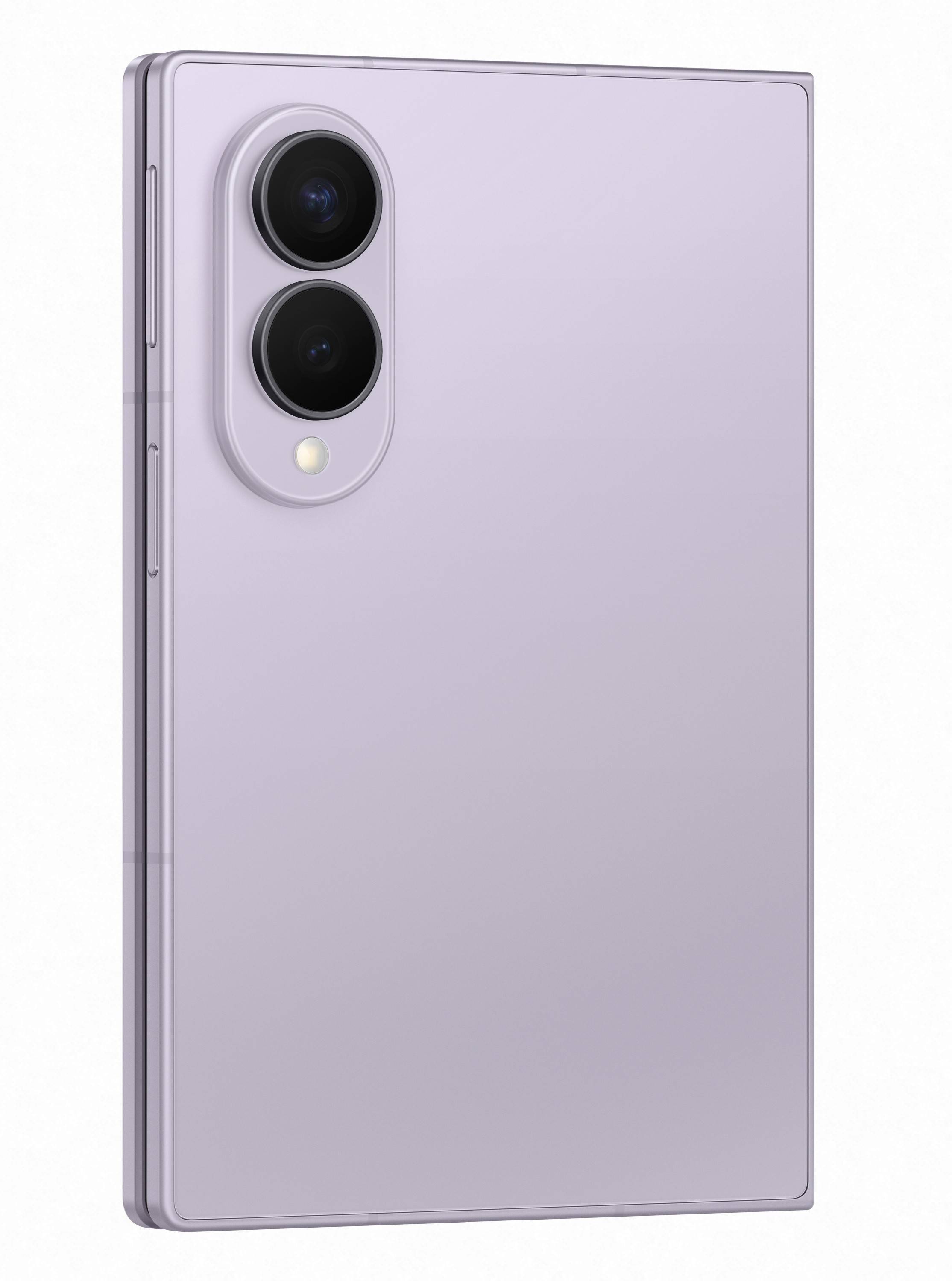
There is also a more immediate reason to consider Samsung’s current generation. The regular Galaxy Z Fold8 introduces a new form factor for the series, with a wider inner display and a different aspect ratio aimed at making the phone more comfortable to use both folded and unfolded. It also weighs 201 gms, making it the lightest Galaxy Z Fold yet. That is a genuine improvement for a category where weight has long been one of the compromises buyers have had to accept.
The Fold8 Ultra takes the more conventional route of packing in as much flagship hardware as possible. At Rs 1,99,999, it remains just below Rs 2 lakh, while bringing the 8-inch display, 200MP primary camera and 45W wired charging. Neither phone is inexpensive, but the latest generation makes the case for buying a foldable today stronger than it was a few years ago. The hardware is getting thinner and lighter, the software is more mature, and the large-screen experience is no longer quite as experimental.
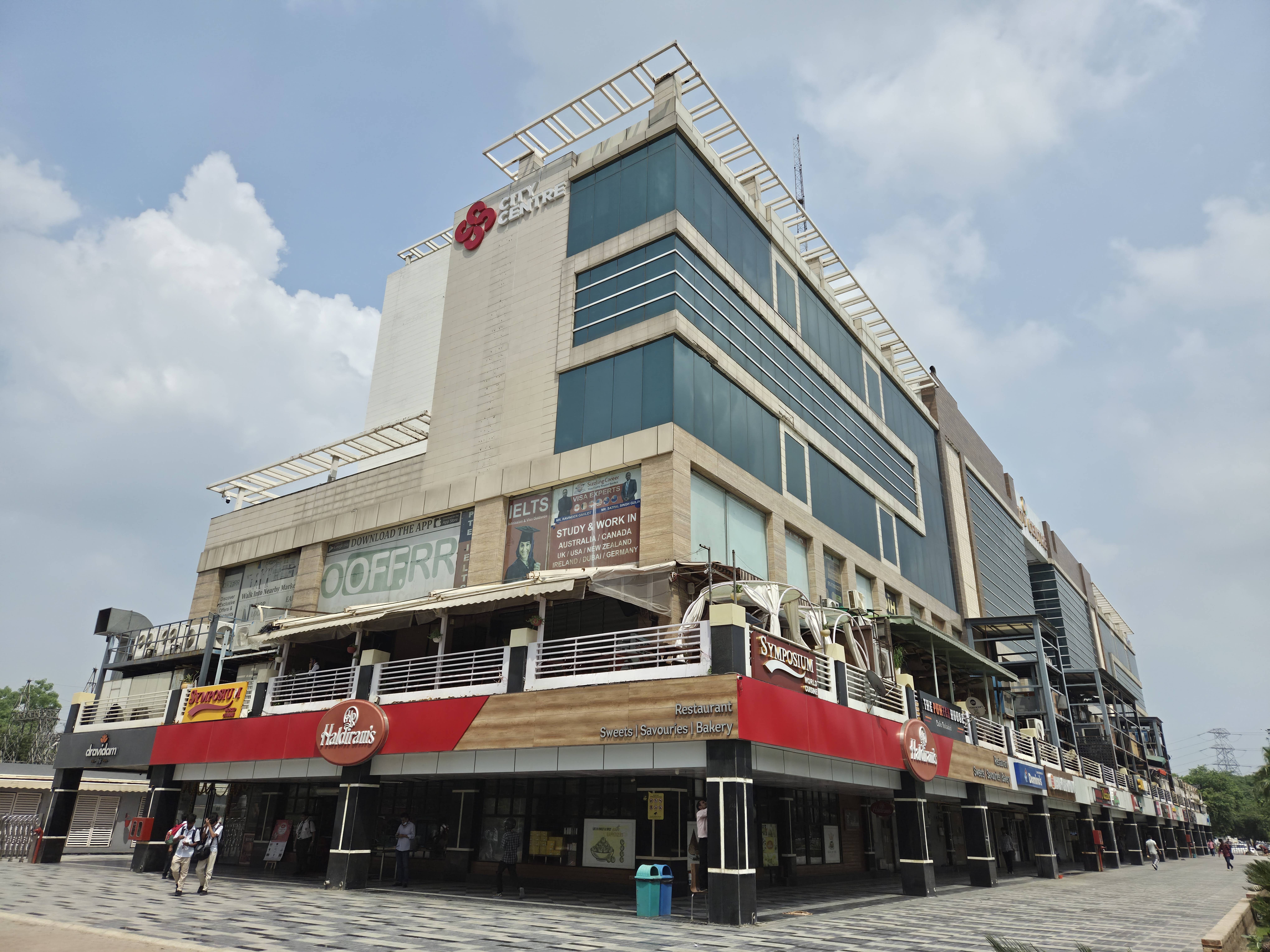
Samsung isn’t the only brand making a case for buying a foldable now. Google’s Pixel 11 Pro Fold has launched in India at Rs 1,86,999, while Motorola’s Razr Fold (review) offers another option at a considerably lower price. The Pixel has some advantages, including a 5x optical telephoto camera and brighter 3,600-nit displays, but Samsung’s Galaxy Z Fold8 Ultra remains ahead in several hardware areas that matter for a premium foldable. It’s thinner and lighter, has a larger battery and faster wired charging, and its 200MP primary and 50MP ultrawide cameras are considerably more ambitious.
Google is putting Gemini at the centre of the Pixel experience, while Samsung has built its AI features around contextual assistance and the multi-window workflows that have become central to the Galaxy Z Fold experience. Motorola’s Razr Fold, meanwhile, brings the price of entry down for the segment. That makes it worth considering for buyers who primarily want a foldable form factor without moving towards the Rs 2 lakh bracket. But there is now a broader spread of options rather than one obvious choice in the category.
Should you wait for the festive sale?
Normally, waiting for Diwali would be sensible advice. Older flagships tend to get discounts, exchange bonuses and bank offers, and foldables are no exception. This year, however, there are enough variables working in the opposite direction to make waiting purely for a discount less attractive. Rising memory costs, a weak rupee and higher logistics expenses could force brands to protect their margins by raising prices or limiting the depth of discounts.
If you already know you want a foldable and have a budget of Rs 1.5 lakh to Rs 2 lakh, the current generation gives you plenty of choice. The Galaxy Z Fold8 introduces a changed form factor, while the Fold8 Ultra pushes Samsung’s flagship foldable hardware further. Now is probably a better time to buy than to wait purely for Diwali discounts. The market has enough cost pressure working against lower prices, and the latest generation of foldables is already mature enough to make the upgrade worthwhile.
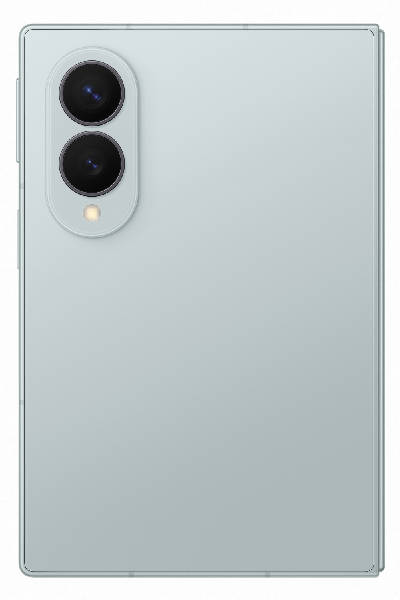
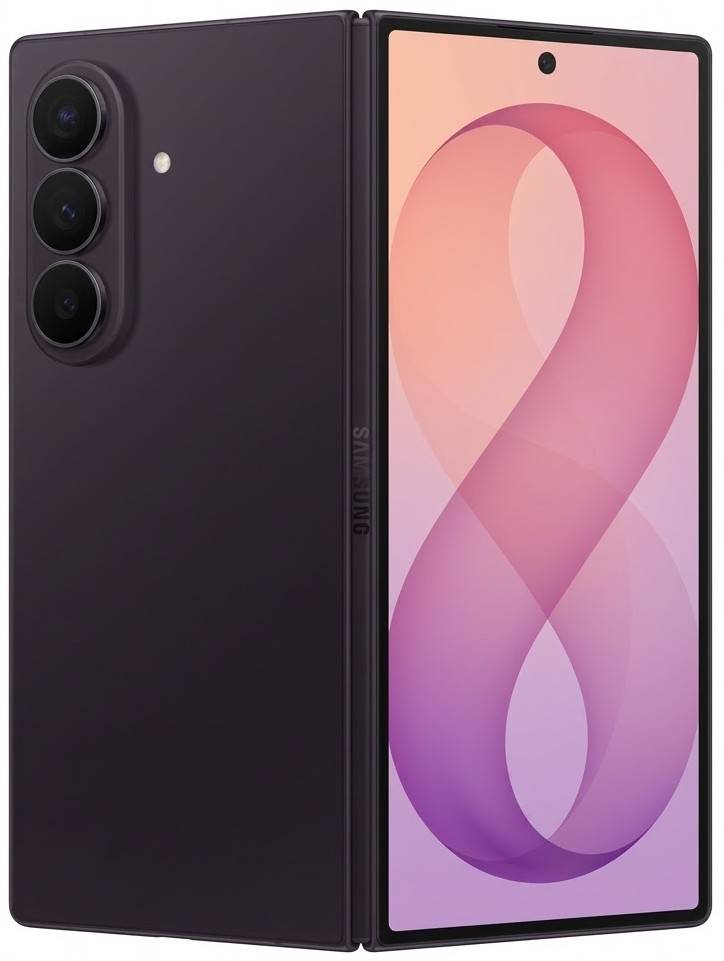
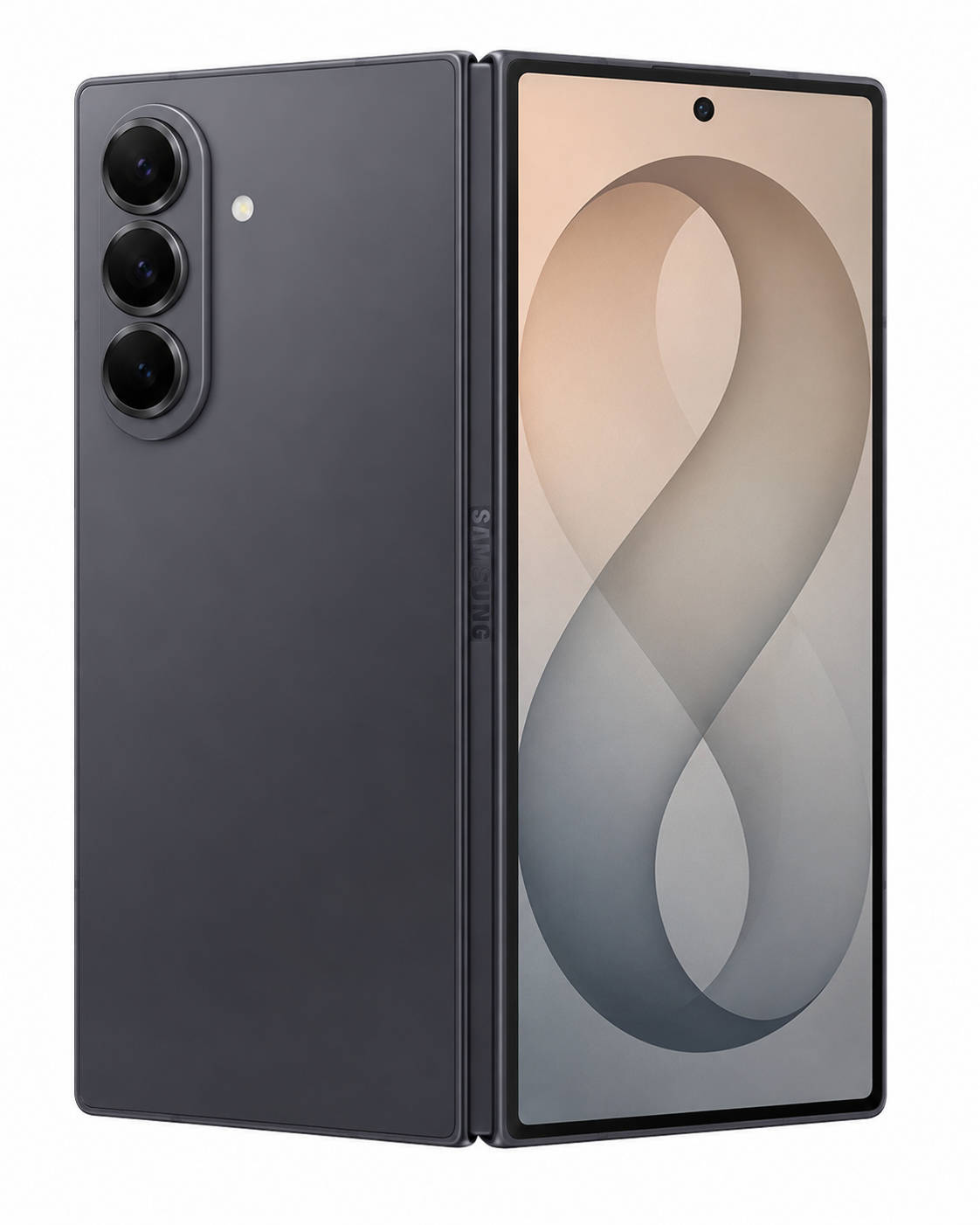
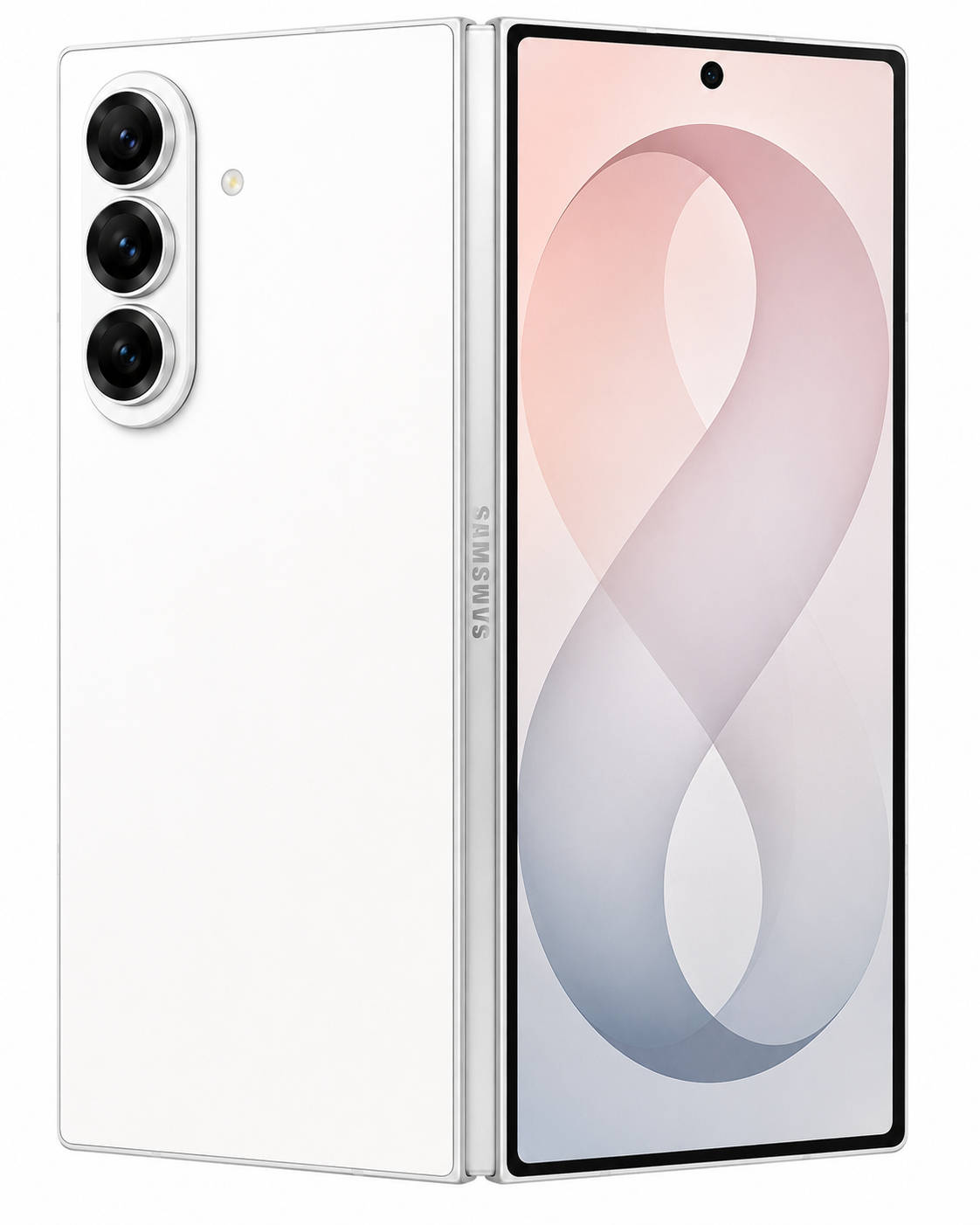
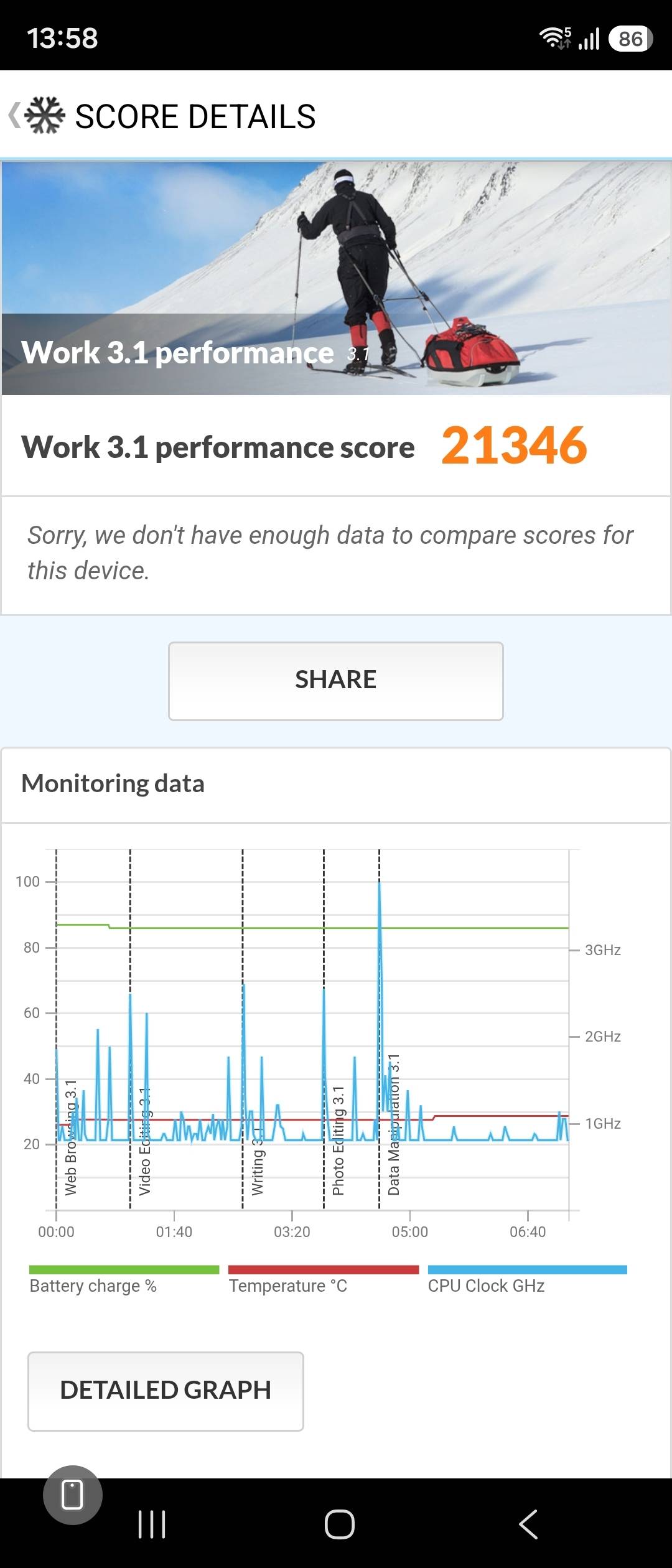
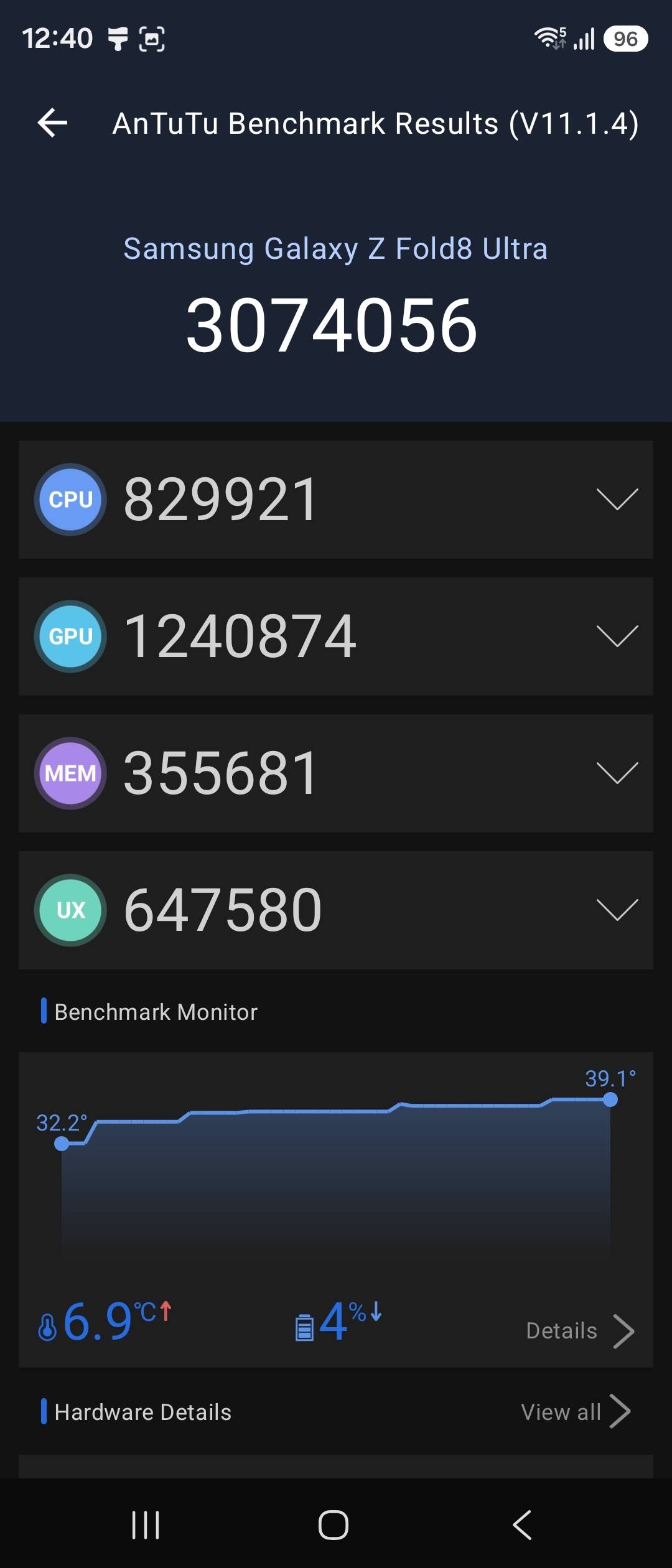
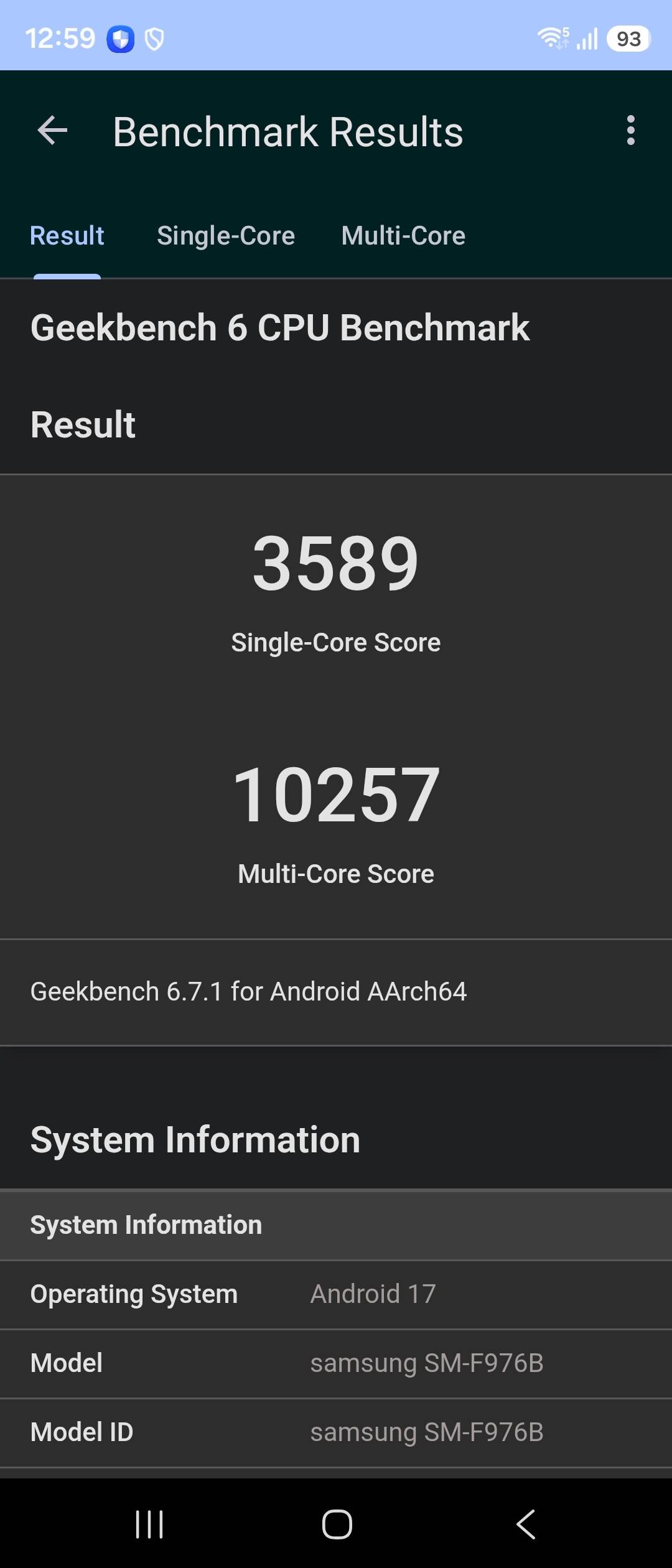
Samsung Galaxy Z Fold 8 Ultra Images


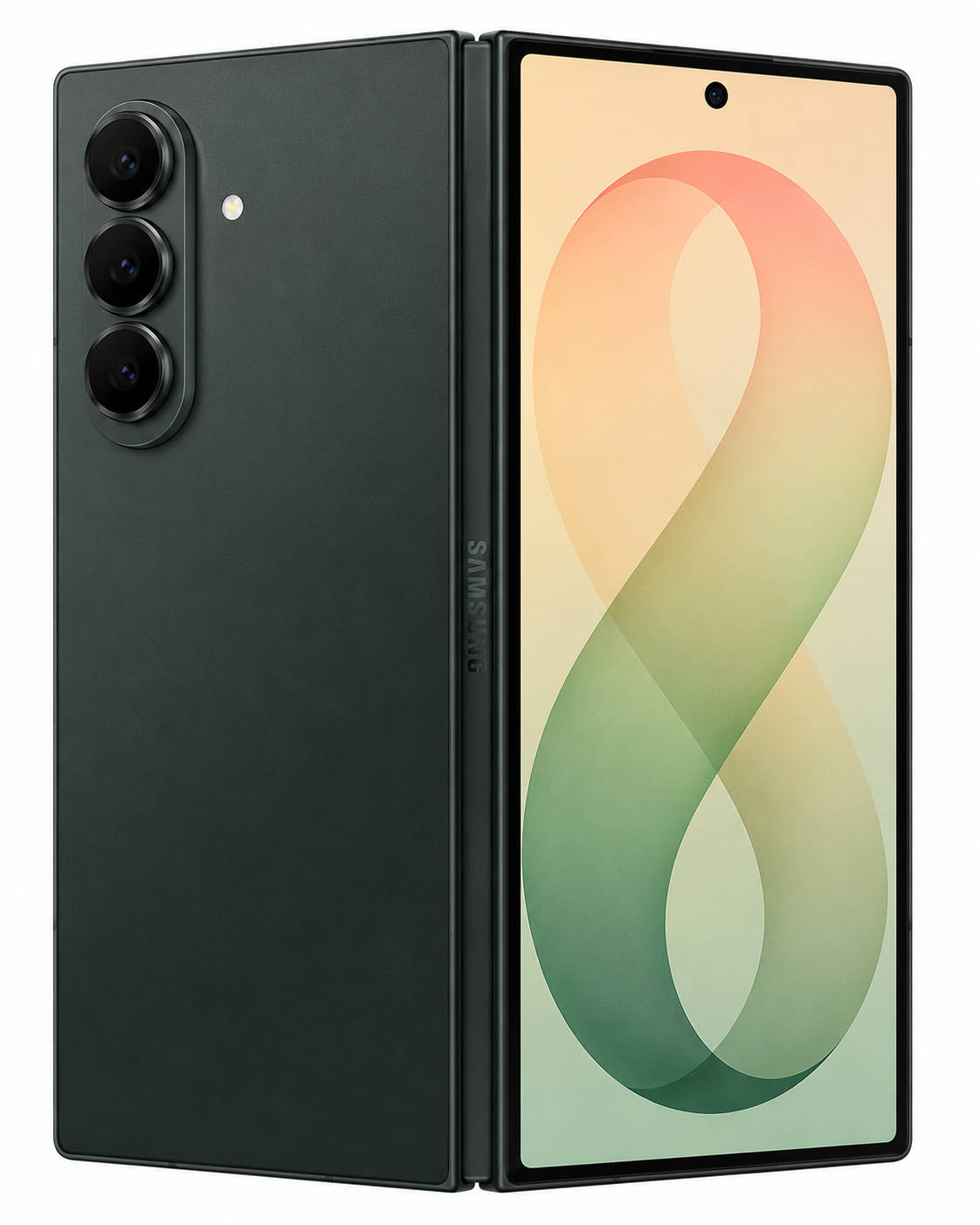












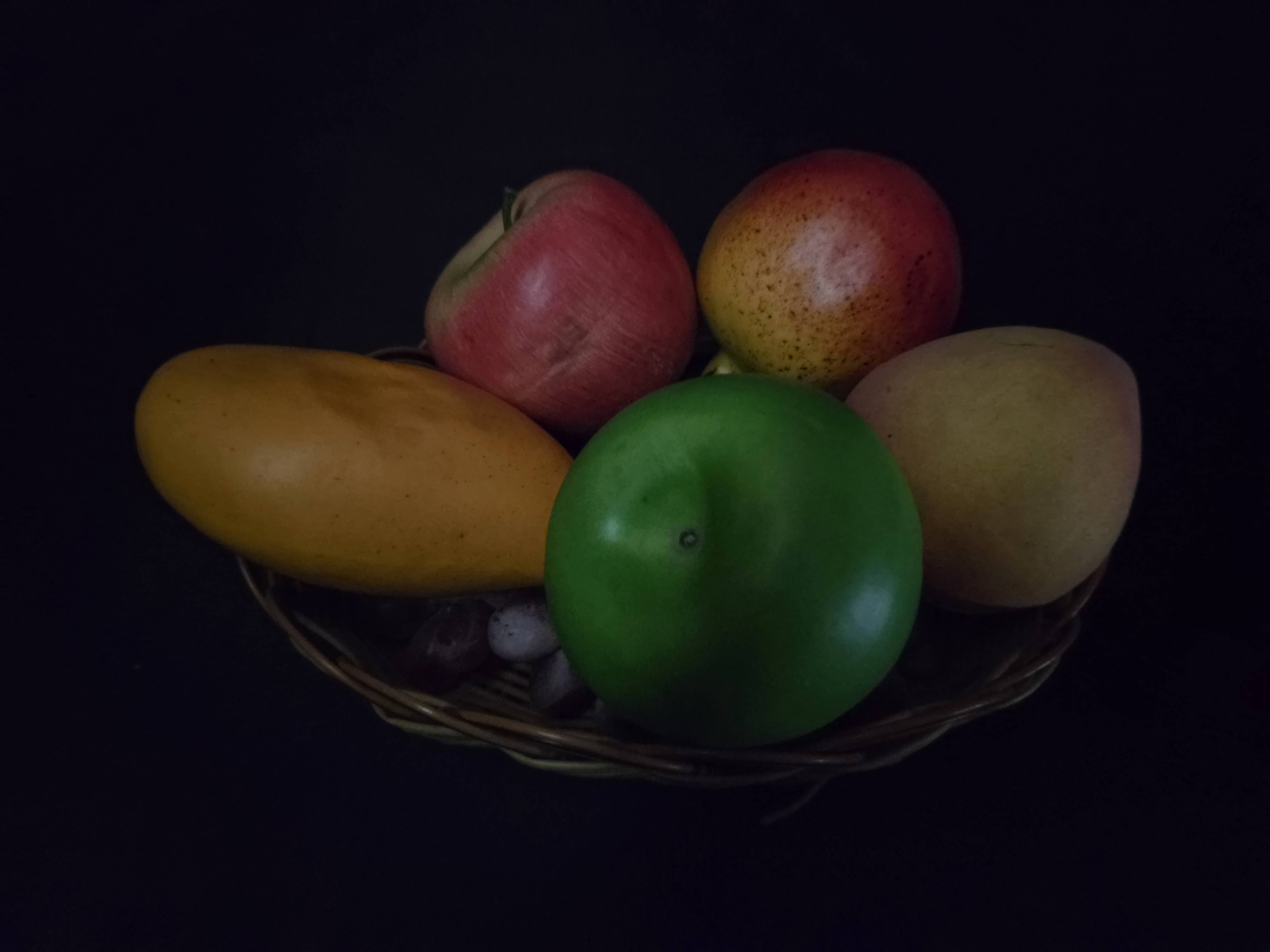
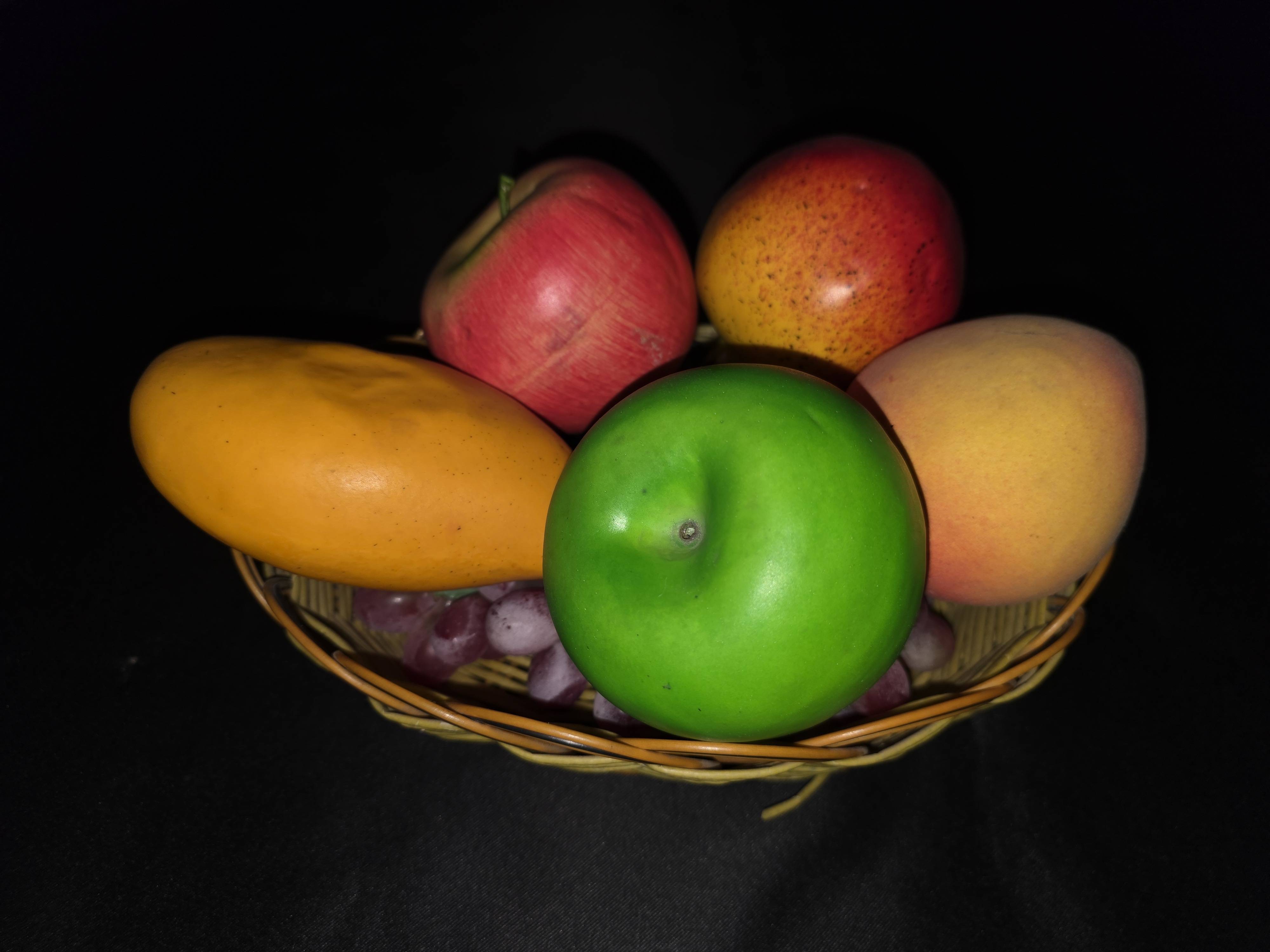





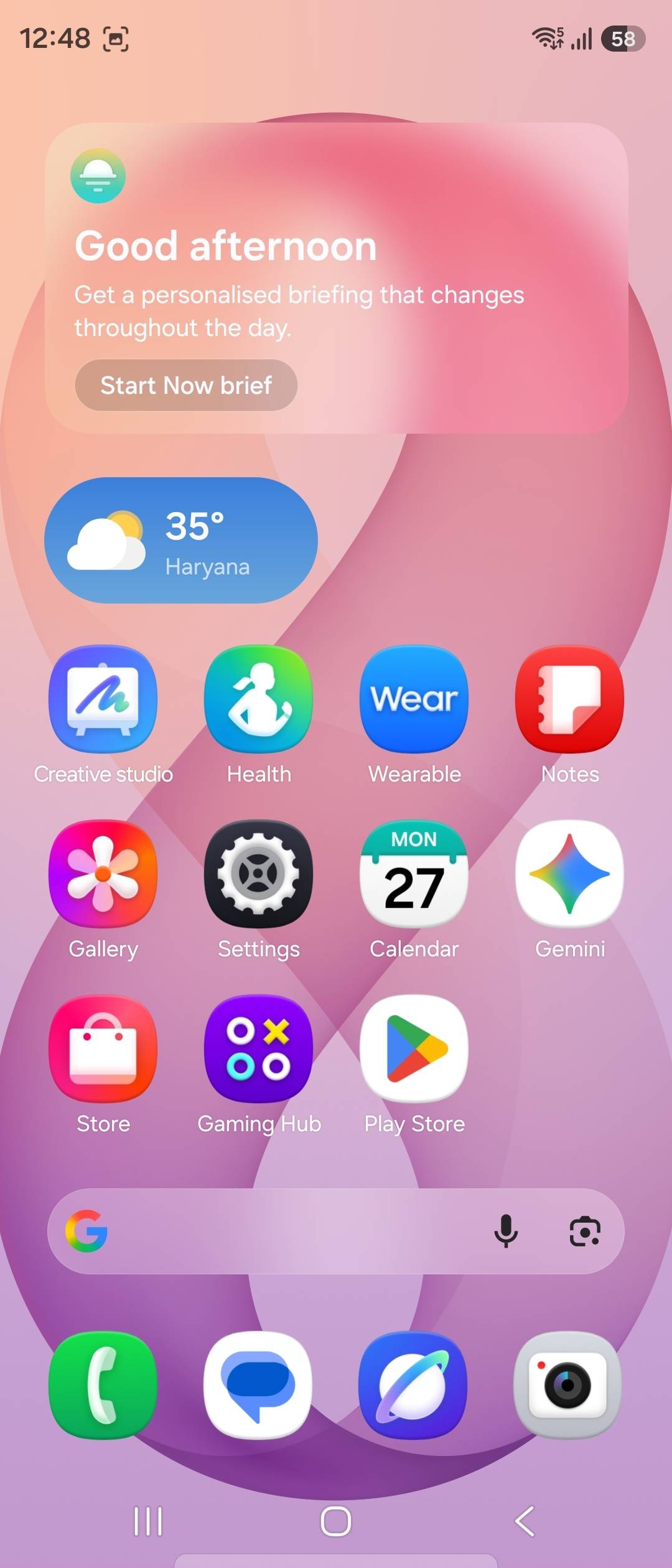


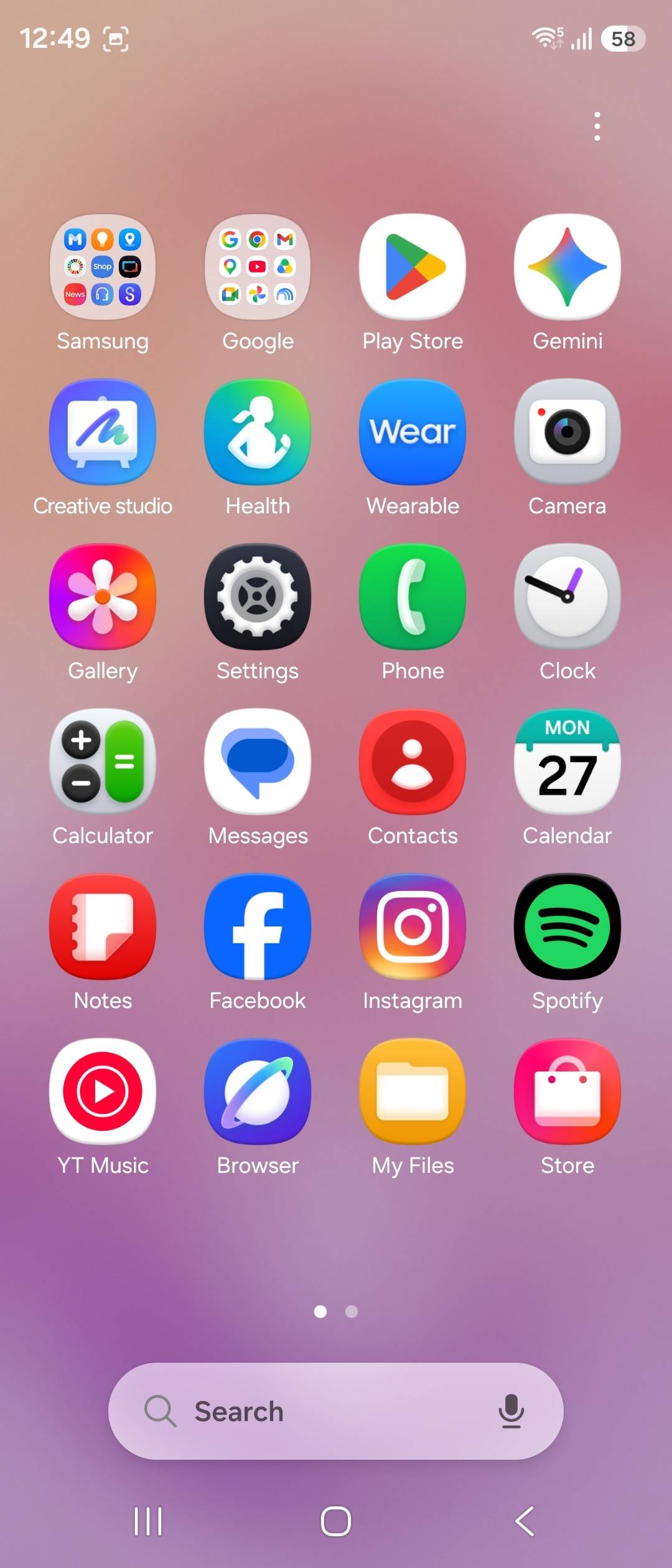

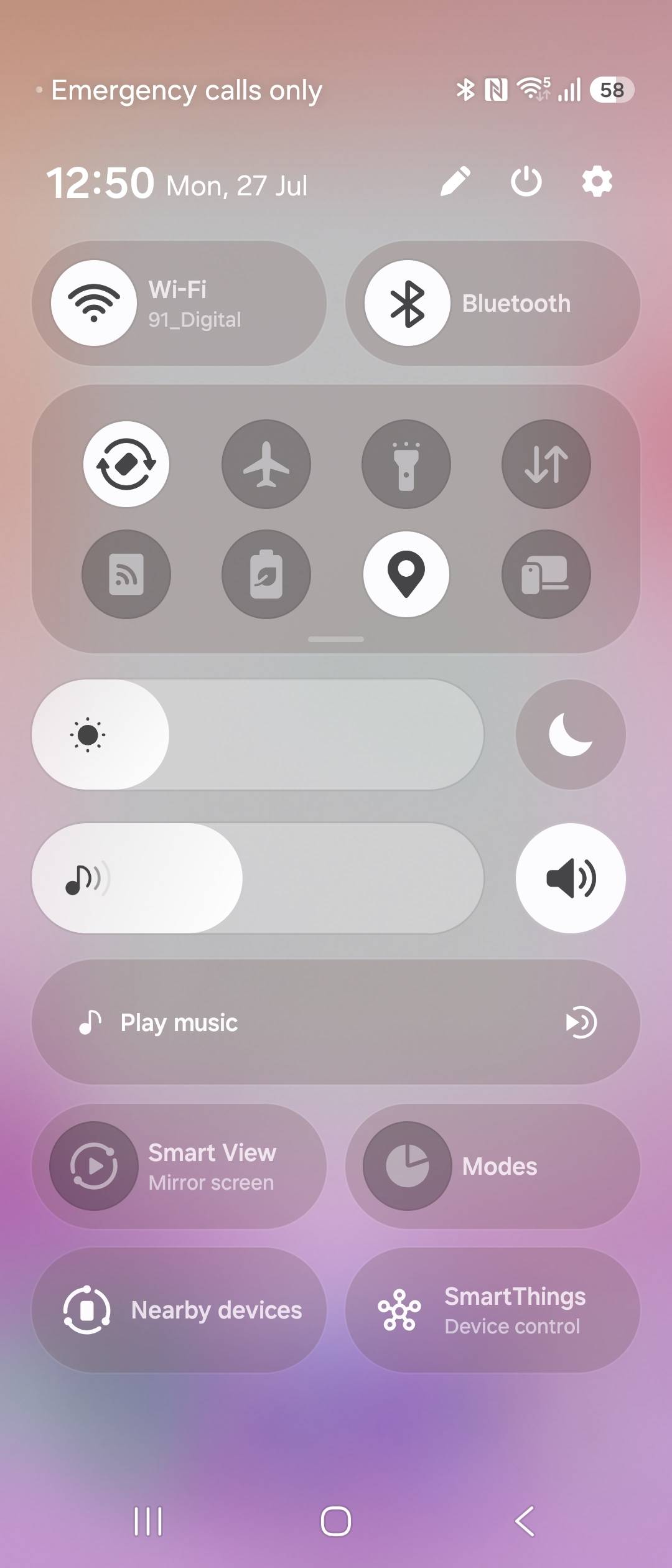
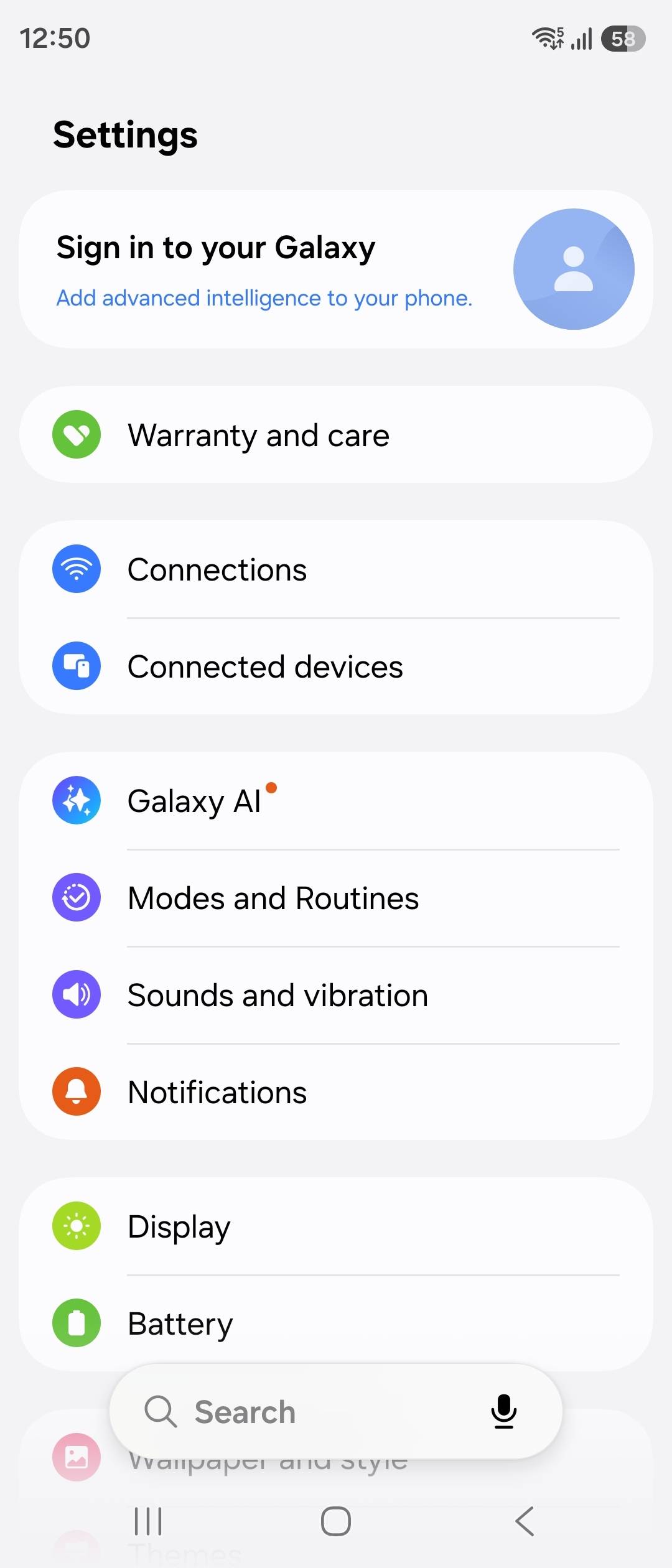
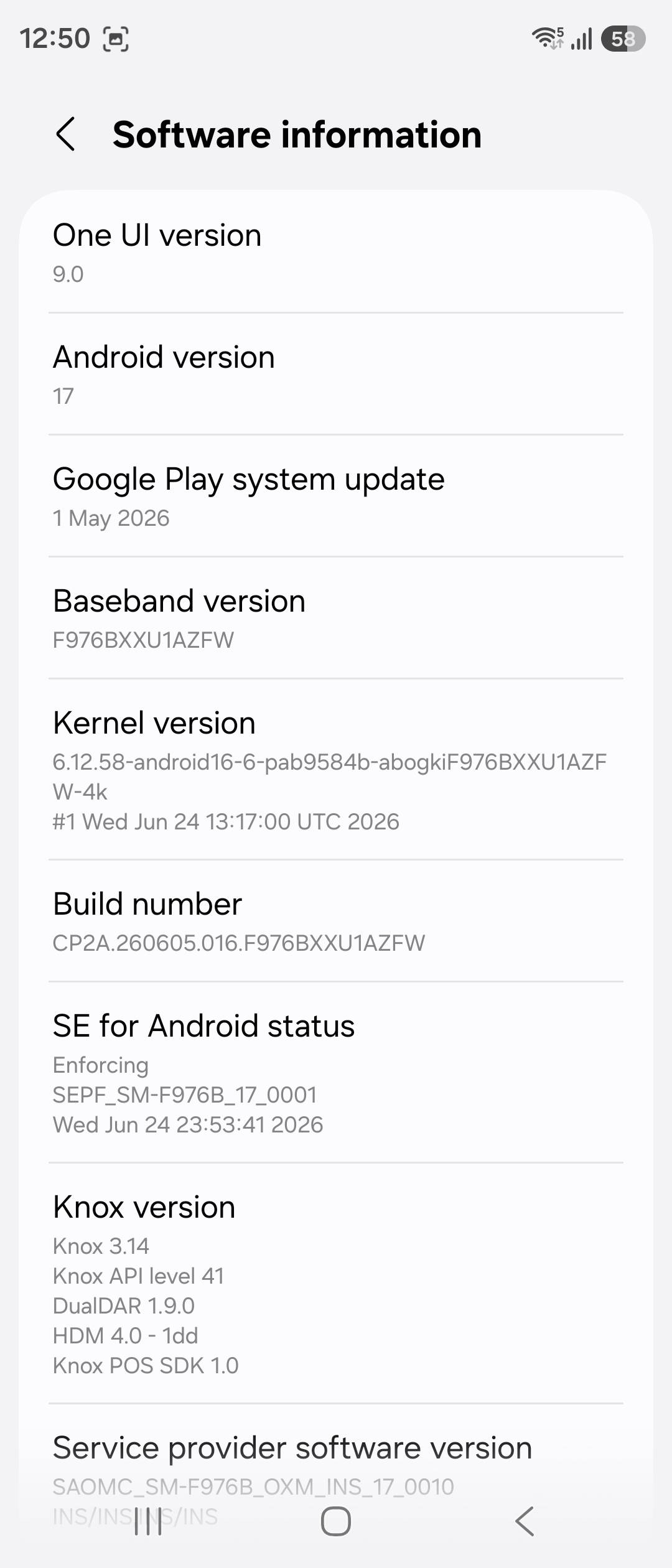
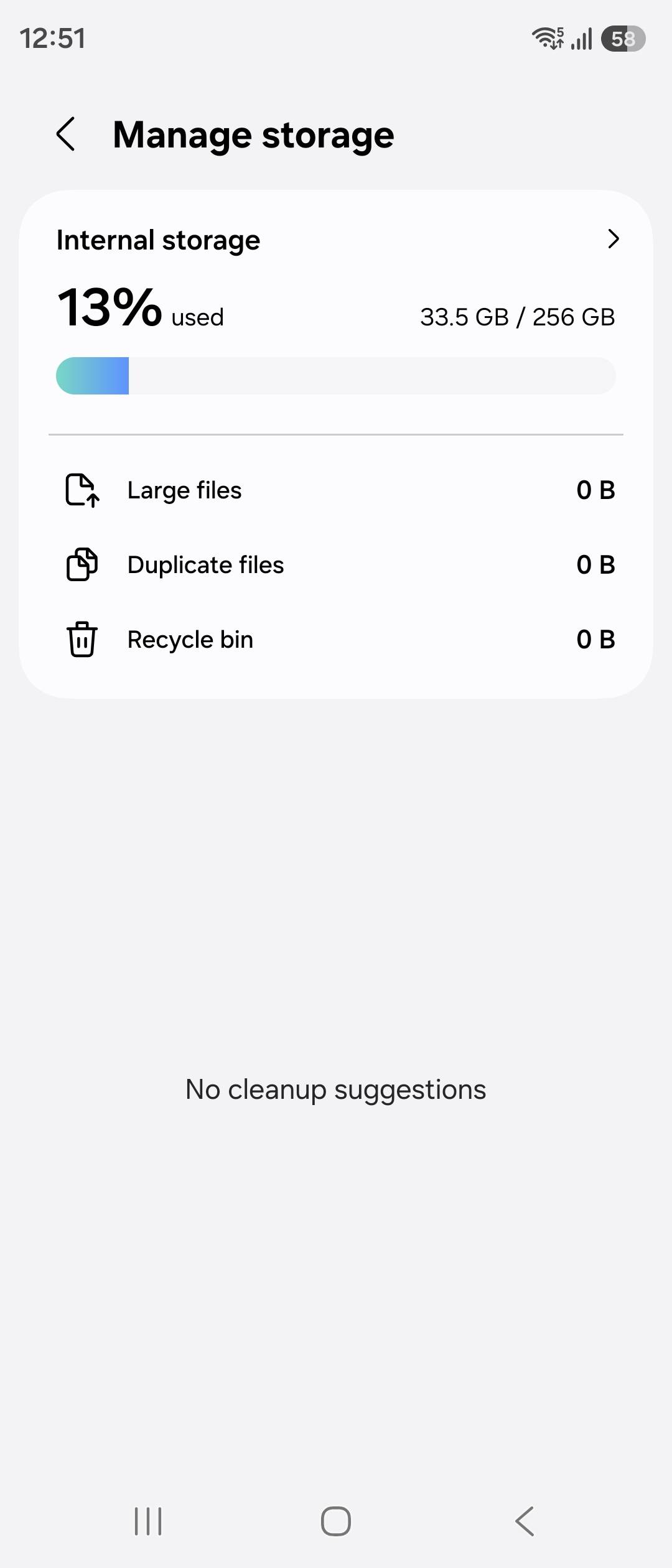
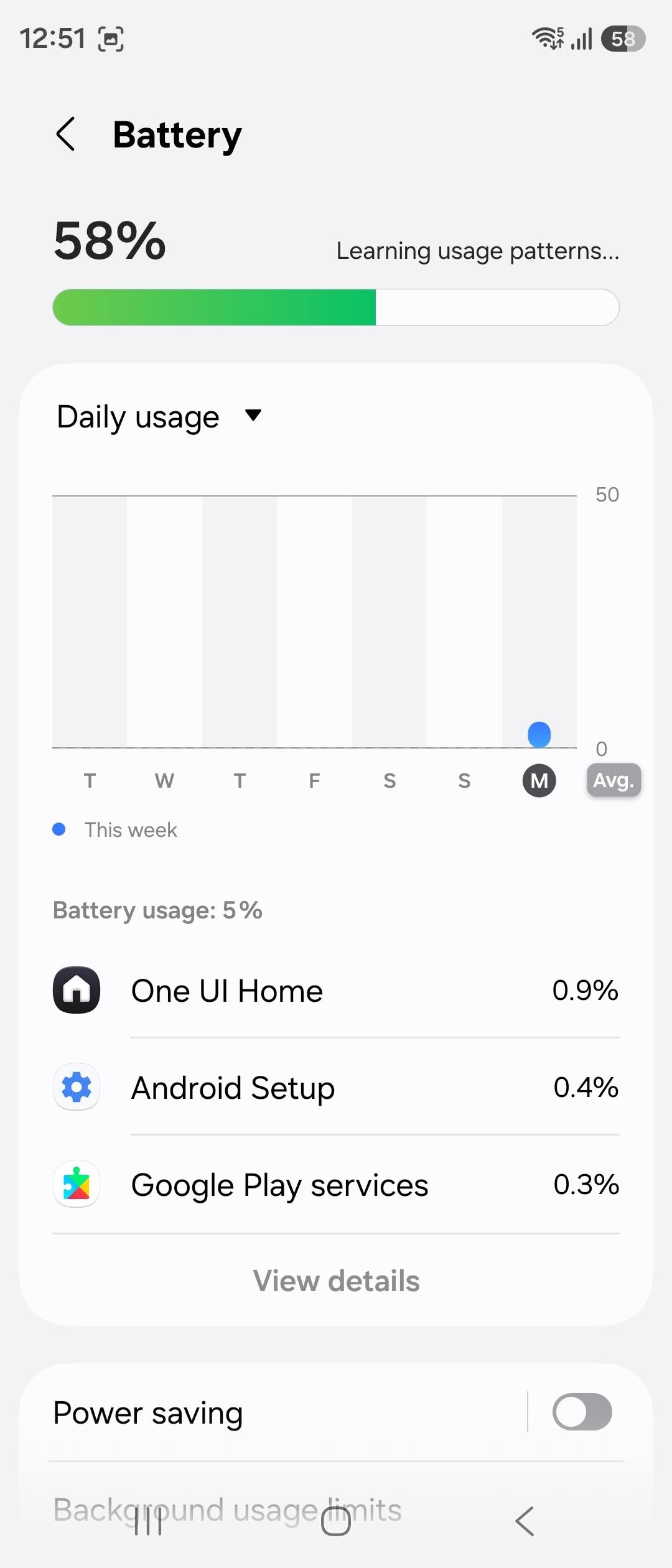



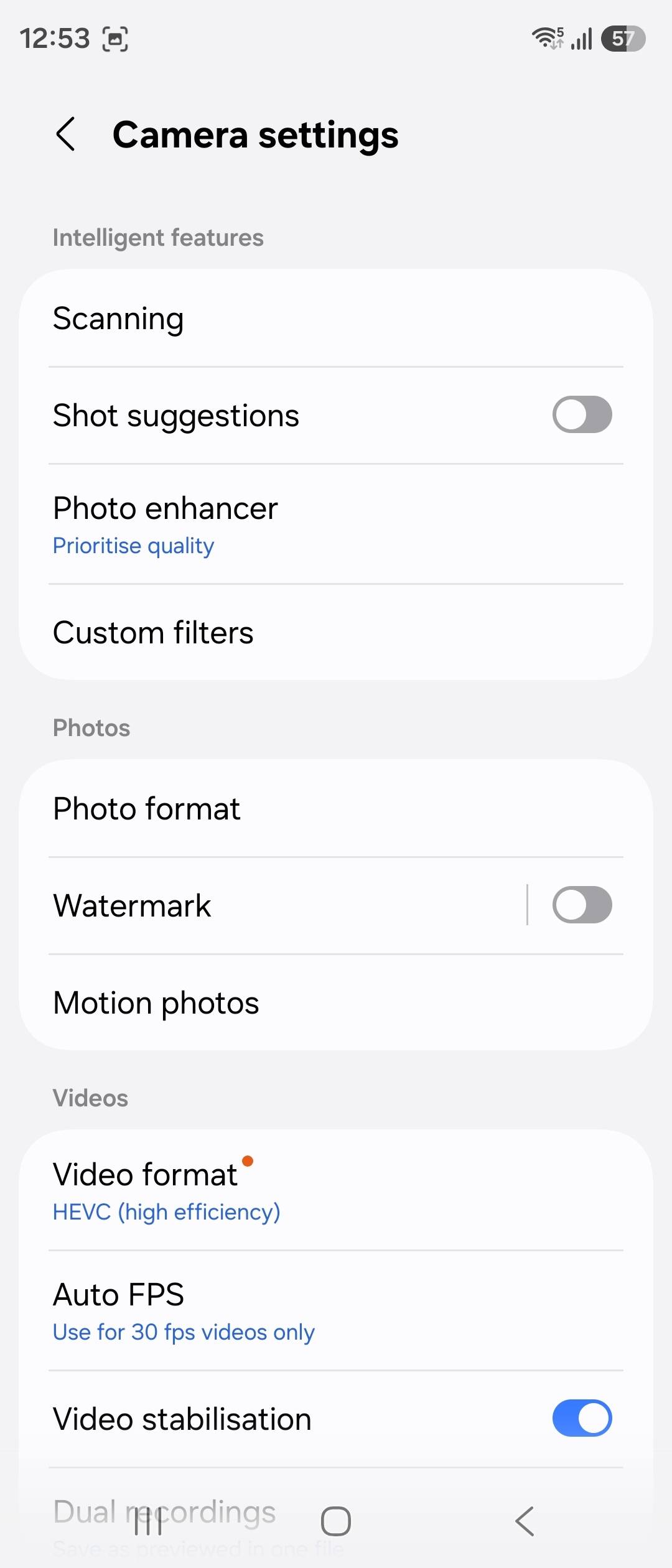



















Samsung Galaxy Z Fold 8 Images