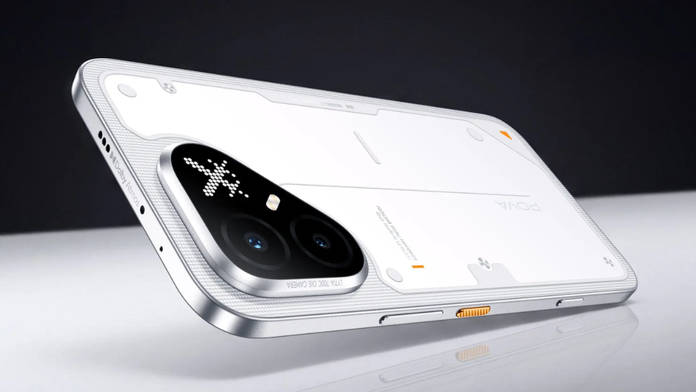
Following the release of the POVA 8 two months ago, the company has today pulled the curtain off the POVA 8 Pro, which features improved display and performance capabilities. Apart from that, the phone retains the signature sci-fi appearance, with intricate elements on the rear and an even larger Alive Matrix Display than on the POVA 8. With the MediaTek Dimensity 7400 Ultimate, a 50MP Sony LYT700c, and a decently sized 6,500mAh battery, the POVA 8 Pro is aimed at users seeking a balanced smartphone in the Rs 40,000 segment, while flaunting a distinct design.
POVA 8 Pro price, sale, availability
The POVA 8 Pro starts at Rs 49,999 for the base 8GB RAM and 256GB storage, while the 12GB RAM with 512GB storage variant will sell for Rs 54,999. The phone will be available to purchase starting August 21st at noon on Flipkart and offline retail stores.
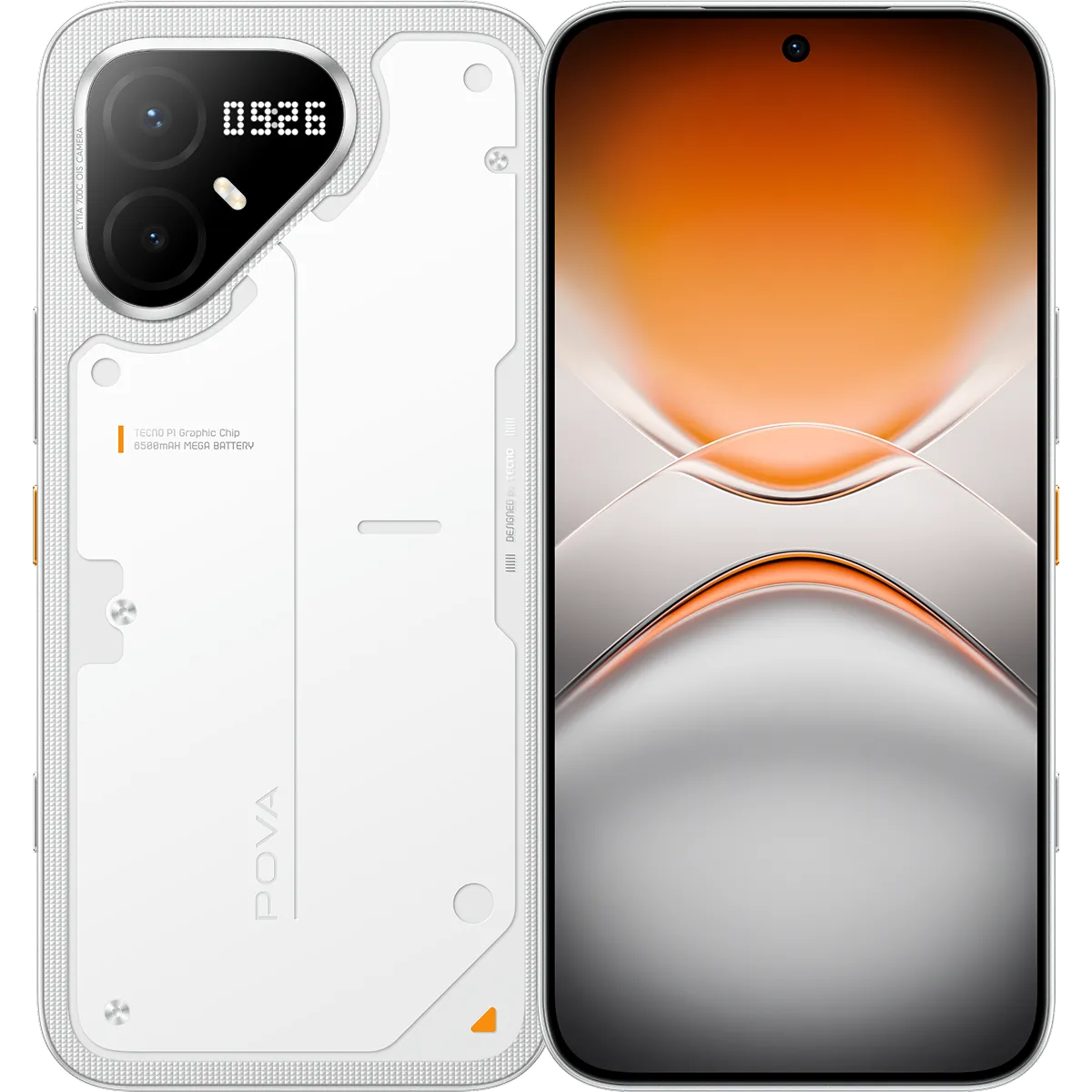
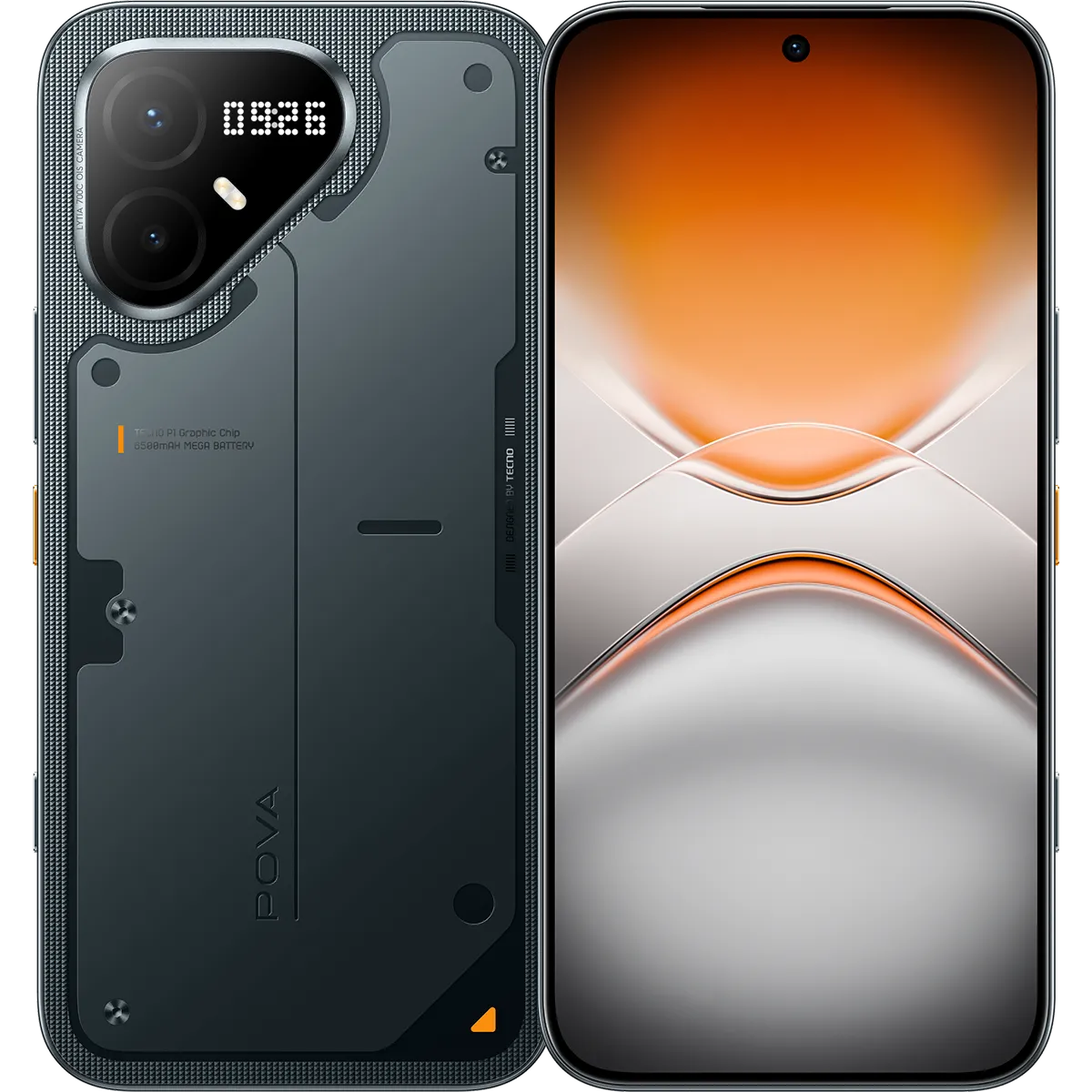
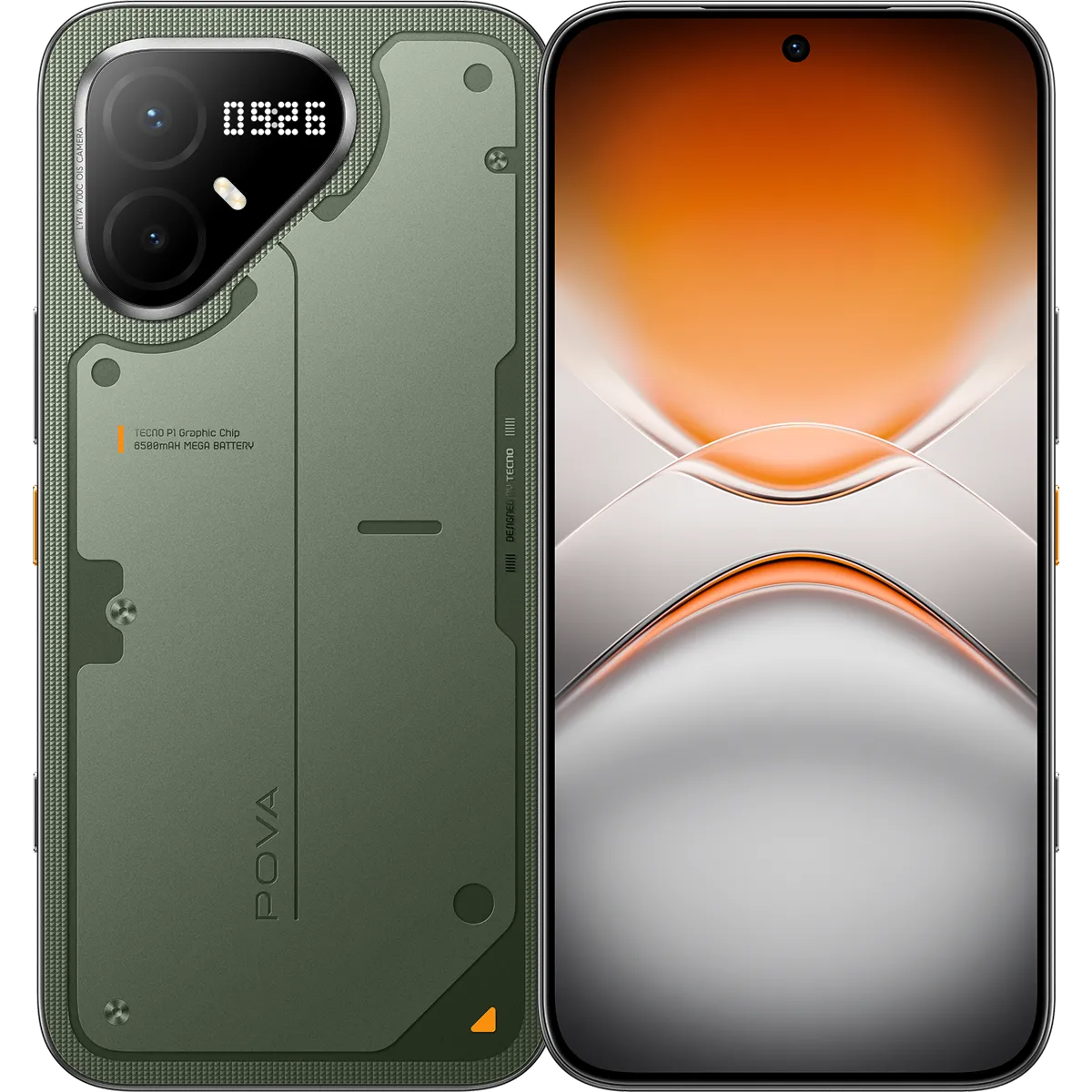
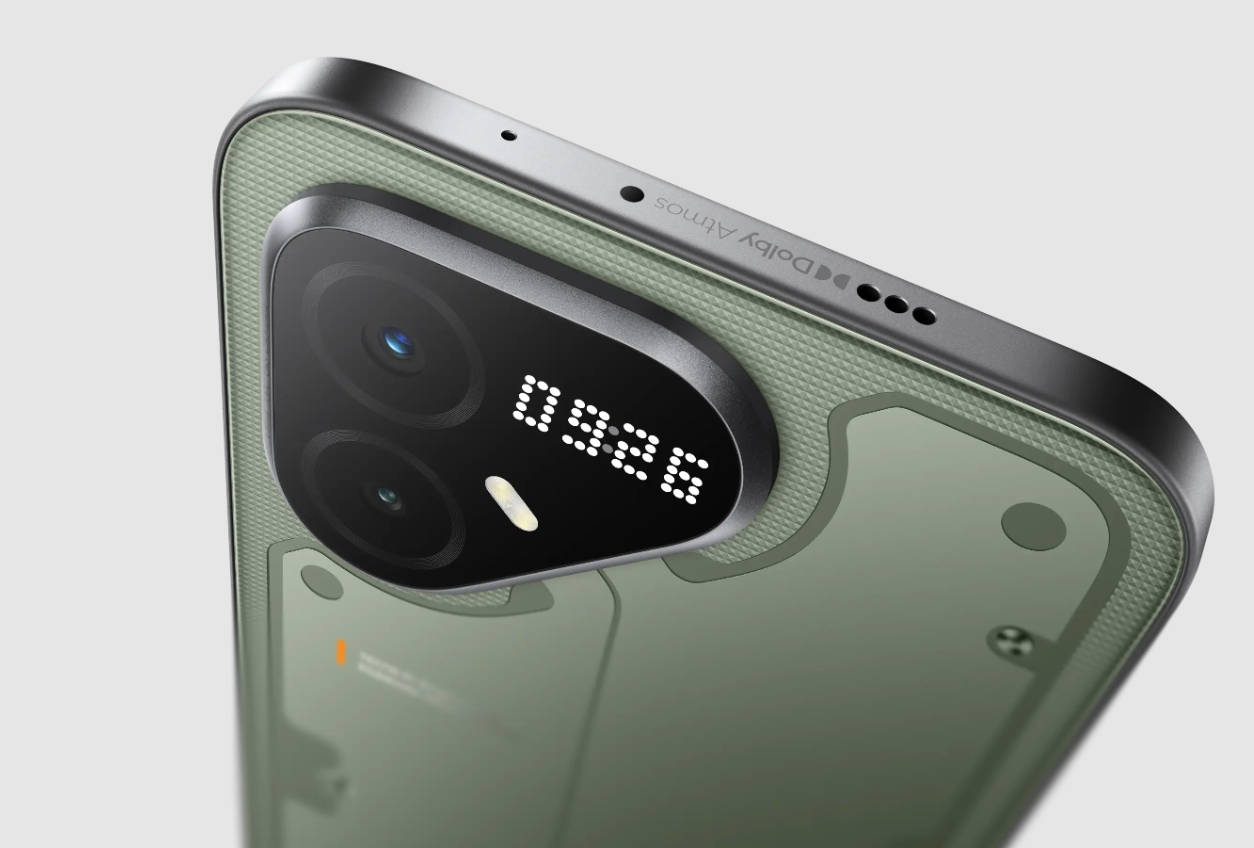
The colour options for the POVA 8 Pro include Arc White, Graphite Black, and Tundra Green, all featuring small patterns and designs on the rear for a stand-out look.
What the POVA 8 Pro offers
Kicking things off with the display, the POVA 8 Pro gets a 6.78-inch 1.5K AMOLED panel with up to a 144Hz refresh rate and 4,500nits peak brightness. Compared to the likes of the OnePlus Nord 6 and POCO X8 Pro Max, the display specifications appear to be on par with the competition.
The POVA 8 Pro is powered by the MediaTek Dimensity 7400 Ultimate, which is paired with UFS 2.2 storage and LPDDR5X RAM. Based on our recent experience with phones powered by the MediaTek Dimensity 7400, such as the Realme P4 Power and Redmi Note 15 Pro, one can expect the POVA 8 Pro to run without any hiccups during daily tasks, such as scrolling through social media apps, web browsing, or even playing medium-intensive games for long periods.
On to the optics, the POVA 8 Pro offers a 50MP 1/1.56-inch Sony LYTIA 600c sensor paired with an 8MP ultrawide lens with a 111-degree field of view. While the primary camera sensor on board is superior to, say, the OnePlus Nord 6 (50MP 1/2-inch main), it remains to be seen how well the company has tuned it to deliver sharp results with a balanced dynamic range. On the front, the phone houses a 13MP selfie shooter.
The POVA 8 Pro boots Android 16 out of the box with HiOS 16 layered on top. This is POVA’s proprietary skin, featuring a light, glass-based user interface with tons of AI features. The smartphone is promised two OS upgrades along with three years of security updates. Fueling the phone is a 6,500mAh battery with 45W fast charging support.
What sets the POVA 8 Pro apart is its design and appearance. The build is IP69K-rated and features SGS 5-Star drop resistance, meaning it can withstand and absorb shocks from drops up to a certain limit. Coming to the Active Matrix Display, as on the POVA 8, users can be notified of messages, alerts, and calls when the phone is placed face down. Apart from that, users can also add custom interfaces to be displayed when the phone is flipped. The display also lights up and shows specific icons when the phone is playing music or charging.
Is the POVA 8 Pro worth considering?
With the MediaTek Dimensity 7400 Ultimate, a capable 50MP LYTIA 700c primary camera, an IP69K-rated build, and a stand-out design, the POVA 8 Pro is certainly amongst the balanced smartphones out there. However, its rivals under Rs 50,000, such as the OnePlus Nord 6 and POCO X8 Pro Max, offer the Qualcomm Snapdragon 8s Gen 4 and MediaTek Dimensity 9500s chipsets, respectively.
These are flagship-grade chipsets boasting powerful CPUs and GPUs and will certainly offer a better gaming experience than the Dimensity 7400 Ultimate, if gaming is one of your top priorities. Furthermore, it also misses out on a telephoto despite featuring a decently sized primary camera sensor. For users seeking detailed long-range zoom shots and portraits, the Motorola Edge 70 Pro+ and Nothing Phone (4a) Pro could be a better fit.
All in all, if you wish to stand out with a smartphone that looks stylish and futuristic, the POVA 8 Pro could be worth considering. However, don’t expect the device to deliver extraordinary performance results compared to current rivals under Rs 50,000.