Google Fitbit Air certified by BIS, expected to launch in India soon


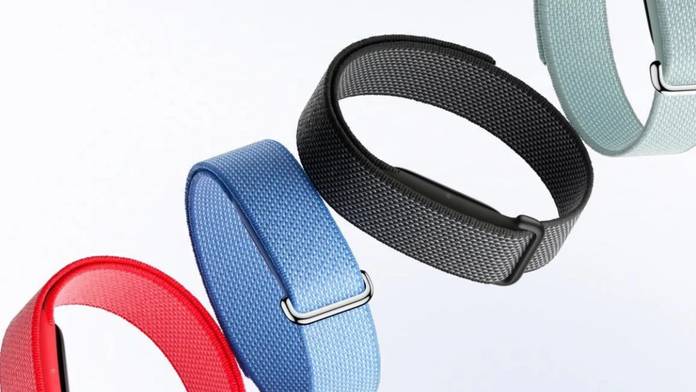
Google’s newly launched Fitbit Air could soon make its way to India. It’s the first screenless fitness band by Fitbit under Google, marking a notable shift from the display-equipped devices that have long defined the Fitbit lineup. Fitbit is already known for its fitness-focused devices, and the new Air model is designed for users who want distraction-free workouts. Fitbit Air has surfaced on the Bureau of Indian Standards (BIS) certification database, suggesting a possible India launch.
Google Fitbit Air BIS listing
While Google has not officially announced plans to bring the Fitbit Air to India, the BIS listing suggests preparations for a local debut may already be underway. 91mobiles has spotted the Google product on the BIS database with the model number GW968. This model number belongs to the Fitbit Air, as confirmed through its product support page. There’s no official announcement from Google yet, but the BIS listing strongly suggests the wearable could make its India debut soon.
Show Full Article


Fitbit Air specifications, features
The company introduced the Fitbit Air last month as its first screenless fitness tracker. Unlike traditional fitness bands that rely on screens for notifications, workout stats, and health metrics, the Fitbit Air takes a minimalist approach. The device does away with both a display and physical buttons, instead using subtle haptic feedback for alerts. Users can access health insights, activity data, and coaching features through the Google Health app, positioning the tracker as a more passive and distraction-free wearable.

The Fitbit Air supports 24/7 heart-rate monitoring, heart rhythm tracking with atrial fibrillation (Afib) alerts, blood oxygen (SpO2) monitoring, resting heart-rate measurement, and heart-rate variability tracking. Sleep monitoring features include sleep stage analysis and duration tracking, while activity tracking covers automatic workout detection, manual exercise logging, and guided fitness sessions through Google Health Coach.
Google says the device weighs just 12 grams and is around 25 percent smaller than the Fitbit Luxe, making it one of the lightest wearables in the company’s portfolio. The lightweight design is intended to improve comfort during both workouts and overnight sleep tracking.
Battery life is rated at up to seven days on a single charge. Fast-charging support can deliver enough power for a full day’s use in around five minutes. The tracker features a polycarbonate construction, 50-metre water resistance, and a small status indicator light.
The fitness tracker comes in a breathable Performance Loop, a sweat-resistant Active Band, and the Elevated Modern Band designed for everyday wear. Google has also introduced a special-edition version co-designed with NBA star Stephen Curry, featuring a rye-brown finish with orange accents and an airflow-focused inner texture.
This approach is similar to products such as the Whoop strap, which also prioritises continuous health monitoring over on-device interactions. However, Google’s offering arrives at a significantly lower price point and retains the familiar Fitbit ecosystem, potentially making advanced health tracking more accessible to mainstream users.
In the US, the Fitbit Air is priced at $99.99 (Rs 9,500 approx), while the Stephen Curry edition costs $129.99 (Rs 12,300 approx). Both variants include a three-month trial of Google Health Premium, although core fitness and health-tracking features remain available without a subscription. Pricing would differ in India, but it’s still expected to be more accessible than the Whoop band, which is available at around Rs 30,000 through third-party sellers.
For now, the BIS certification serves as the strongest indication yet that Google is preparing to expand the Fitbit Air’s availability beyond its initial launch markets. If you’ve been planning to get a screenless fitness tracker, you might want to wait for the Fitbit Air.