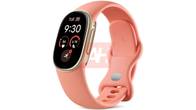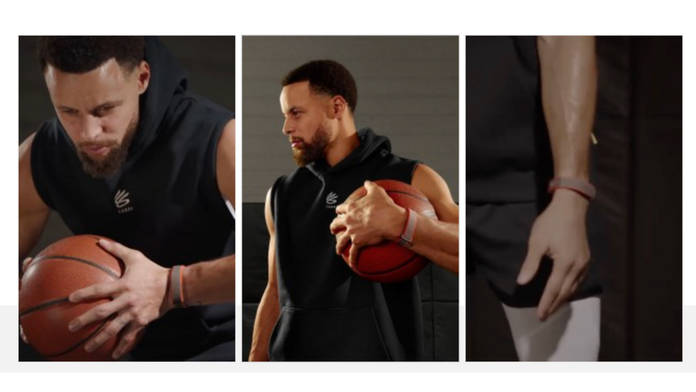
Google appears to be working on a new kind of Fitbit device, one without a screen, as it looks to take on fitness bands like Whoop. The device was recently spotted on the wrist of NBA player Stephen Curry in a teaser video posted on Instagram, offering an early look at what the company may be planning.
The short clip, shared by Curry on Instagram, shows the player training while wearing a slim band, followed by the line “a new relationship with your health” and a Google logo. The official Fitbit account also responded to the post, adding to speculation that this will be part of the Fitbit lineup. Curry, who partnered with Google last year as a Performance Advisor across health and Pixel products, is likely to play a role in promoting the device when it launches.
Google’s screen-less Fitbit
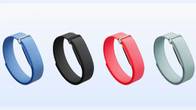
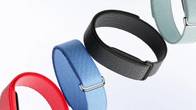
While smartwatches remain popular, there’s a growing category of users who want health tracking without constant notifications or screens. That’s where screen-free devices come in. Products like the Oura Ring and bracelet-style trackers such as Polar Loop focus on passive tracking, recovery data, and long battery life rather than apps and displays. The band seen on Curry is similar. It appears slim, with a braided fabric design and a metal clasp, closer in style to Whoop than a traditional Fitbit. There’s no visible display, suggesting the experience will rely on syncing with a smartphone app instead.
A report from Bloomberg indicates that Google’s approach could differ slightly from Whoop’s model. While Whoop bundles its hardware with a subscription, Google is expected to sell the band separately and then offer a paid subscription for advanced features. Basic tracking may be available without a subscription, but deeper insights, potentially including AI-driven coaching, could sit behind a paywall. That structure may appeal to users who want flexibility, and also reflects a broader shift toward subscription-based health platforms.
Pricing and launch timelines are still unclear, but Fitbit devices have typically stayed in the more accessible range compared to premium wearables. If Google keeps the entry price reasonable, this could open up the screen-free category to a wider audience. Whoop is generally available around Rs 18,000 upwards on Flipkart, for context.
In terms of competition, the space is still relatively niche but growing. Whoop targets serious fitness users with recovery-focused insights, while smart rings appeal to those who prefer minimal, unobtrusive wearables. A Fitbit-branded band could offer passive tracking in a more familiar form factor.
If the goal is to track health in the background without another screen to manage, devices like this make sense. If real-time stats, notifications, and apps matter more, a smartwatch or even a traditional fitness band remains the better fit. More details are expected in the coming months.