India’s PC market grew by 12% in 2026, but commercial sales are leaving consumers behind


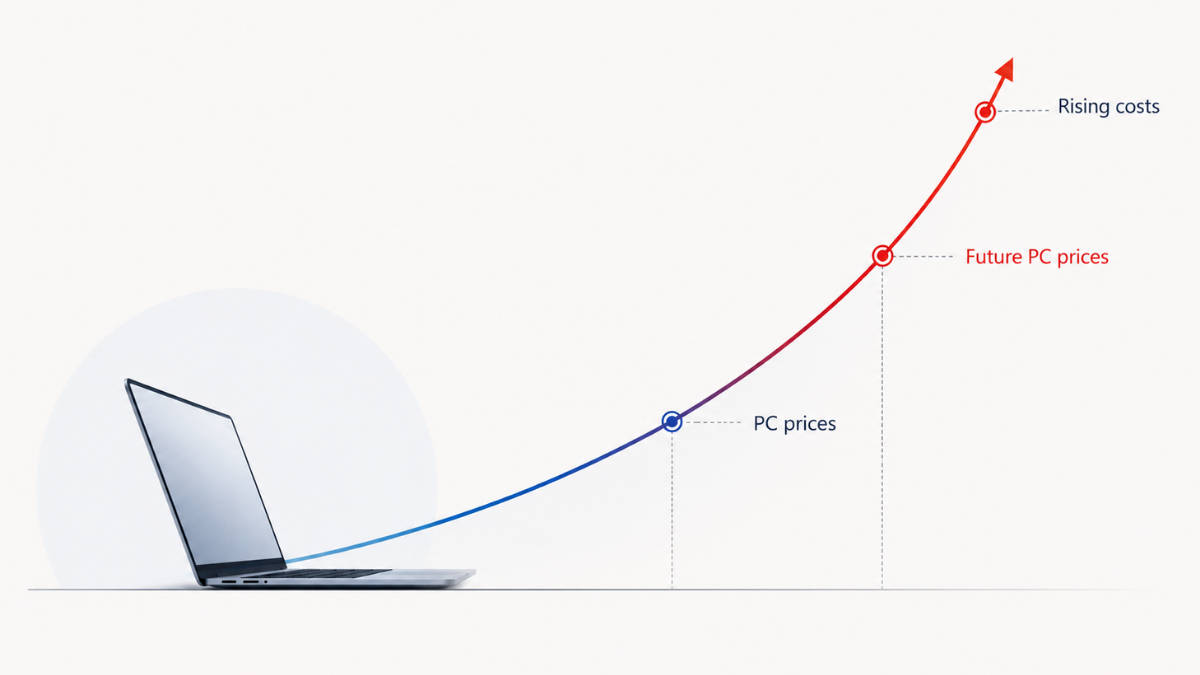
India’s PC market continued to grow in the second quarter of 2026, with shipments rising 12.1 percent year-on-year to 3.9 million units, according to IDC. The growth, however, was a lot stronger among commercial buyers than consumers, as businesses brought forward purchases amid rising component and device prices. Here’s a look at what drove the market and what it could mean for PC buyers in the coming months.
Table of Contents
Commercial buyers are driving PC growth
According to IDC’s report, India shipped 2.2 million PCs to commercial buyers in Q2 2026, up 16.6 percent from the same period last year. That’s much higher than the 6.6 percent growth seen in the consumer segment.
| Product Category | Growth |
| Notebooks | +14.0% |
| Workstations | +11.2% |
| Desktops | +7.7% |
| Premium notebooks (>$1,000) | +78.7% |
| Premium notebooks – consumer | +99.0% |
| Premium notebooks – commercial | +63.3% |
| AI notebooks (total) | +109.9% |
One likely reason for that is fairly simple: PCs are getting more expensive. With RAM, SSDs and other components becoming costlier, businesses that already need to refresh their computers have little reason to wait. Buying earlier lets them lock in today’s prices before another increase hits.
SMBs appear to be following a similar approach, with shipments to the segment growing 21 percent during the quarter. Government and education purchases were also quite high, growing 17.6 percent and 24.8 percent, respectively. Here’s how the biggest PC makers performed:
| PC brand | Market Share | YOY Commercial Shipment Growth |
| HP | 29.4% | 12.9% |
| Lenovo | 20.3% | 13.1% |
| Acer | 14.8% | 25.1% |
| Dell | 14.1% | 14.9% |
| ASUS | 7.7% | 120.1% |
HP continues to lead the market, while Lenovo holds second place. ASUS saw the biggest jump among the major brands, although that comes from a much smaller base. Acer also had a particularly good quarter, helped by big government and education orders.
Another angle to this story is that retailers and distributors are also stocking up. This is partly because they expect PCs to become more expensive and partly to prepare for the upcoming festive sales. So some of the growth we’re seeing isn’t necessarily people suddenly needing more PCs. It’s businesses and the supply chain getting trying to get ahead of the price surges.
Consumer PC demand grows, but more slowly
The consumer segment shipped 1.7 million PCs in Q2 2026, up 6.6 percent year-on-year. That’s substantially slower than the 16.6 percent growth recorded by commercial shipments. Premium PCs have continued to do well, with notebooks priced above $1,000 growing 78.7 percent.
AI PC shipments also jumped 109.9 percent, although that can be explained. Most new premium laptops now come with AI-capable processors and dedicated NPUs by default, so the category is naturally expanding as consumers upgrade to newer hardware. The picture was quite different for some of the bigger Windows PC brands:
- HP: Consumer shipments down 3.5%
- Lenovo: Consumer shipments up 10.6%
- Acer: Consumer shipments down 7.6%
- Dell: Consumer shipments up 337.1%
- ASUS: Consumer shipments down 0.8%
Among the major brands, HP’s consumer shipments fell 3.5 percent, while Lenovo grew 12.4 percent and Acer declined by 7.6 percent. Dell posted a huge 337.1 percent jump, although IDC notes that this was helped by a particularly weak base last year. ASUS was largely flat, declining by 0.8 percent.
Overall, the numbers seem to suggest that consumers are still buying PCs, but at a more cautious pace, especially as higher component costs continue to push prices upwards. It’s also possible some percentage of buyers who may have initially been looking at the $600-$800 range could be moving up to more expensive models instead, choosing to future-proof their hardware rather than risk paying even higher prices later.
What could the future be for consumers?
IDC expects the PC market to come under more pressure towards the end of 2026 as current inventory builds and early commercial purchases begin to normalise. Consumer demand is expected to slow further as higher prices make buyers more cautious, while commercial demand could plateau once businesses have completed their early purchases. IDC sees 2027 as a potentially challenging year if component costs remain elevated.
Consumers across the world are facing the brunt of this hardware scarcity, and as usual, we’re often the ones who end up paying more. AI’s growing demand for RAM and storage is already making almost every device that uses these components more expensive. If reports from memory manufacturers and AI companies are proven true, this may not ease anytime soon, with some forecasts pointing to shortages lasting until 2028 or even 2030.
We’ve dealt with hardware shortages before, particularly with GPUs and semiconductors. The difference this time is that RAM and storage are fundamental parts to almost every personal computing device. If prices stay high for years, consumers may lose the freedom to upgrade or replace their hardware like they could before.
For now, we say it’s worth getting more out of what you already own. Most mid-range PCs and laptops (around Rs 50,000-80,000) from the last three to five years are still very capable, so there’s little reason to upgrade if you don’t need to. Used and refurbished machines, repairs and component upgrades could all become more attractive as new hardware gets more expensive.
There’s no certainty that this situation will resolve anytime soon, so we should be prepared for things to get much worse before they get better. If you need a new PC, buying now makes more sense if you can afford to. If you don’t, taking care of the one you already own is important.