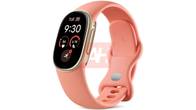
Google has launched the Fitbit Edge, its first repairable fitness tracker, bringing a replaceable battery and modular internal design to a category where devices are often replaced rather than repaired. The new tracker combines this repair-friendly approach with an AMOLED display, built-in GPS and ECG monitoring, while retaining a slim, lightweight design. It sits between the screenless Fitbit Air and the more advanced Pixel Watch 5, offering a middle ground for users who want on-wrist fitness data without a full-fledged smartwatch.
Google Fitbit Edge specifications and features
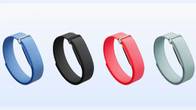
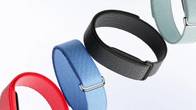
The Fitbit Edge features a 1.34-inch AMOLED display with an oval-shaped design and a recycled aluminium case. It measures 11.5 mm in thickness and weighs 17.7 gms, making it suitable for wearing throughout the day and while sleeping. A physical side button provides quick access to workout controls, while a pinch mechanism allows users to change the bands.
Google claims up to seven days of battery life with the always-on display disabled, dropping to around two days with it enabled. A full charge takes approximately 90 minutes. The tracker has an IP68 rating and supports built-in GPS, an altimeter, automatic activity detection for up to 100 workouts, ECG, SpO2 monitoring, continuous heart rate tracking and sleep analysis. It also offers everyday features such as Google Maps, YouTube Music controls, Find My Phone, and call and message notifications. The device is compatible with Android phones and iPhones.
The Edge also introduces Google’s Health Guardian features, which include blood pressure and insulin resistance trend insights, alongside high and low heart rate alerts. Google says these trends can help users identify changes in their health patterns. They aren’t a substitute for medical diagnosis, and some personalised guidance requires a Google Health Premium subscription.
The Fitbit Edge costs USD 179.99 (around Rs 17,000) in the US, with three months of Google Health Premium included. It is available for pre-order ahead of its October 27th retail release. Google hasn’t confirmed an India launch, although tipster Debayan Roy suggests it could cost around Rs 22,000 if it arrives here.
Fitbit Edge vs Fitbit Air: what’s the difference?
The Fitbit Air recently launched in India at Rs 13,999. It focuses on discreet health and sleep tracking without a screen, making it suitable for users who prefer a simpler wearable. The Edge adds a display, built-in GPS, ECG readings and on-wrist workout metrics, making it more useful for runners and people who want to track activities without carrying their phone. Its replaceable battery is another practical advantage, potentially extending the device’s usable life. However, it does not offer the full app experience of a smartwatch such as the Pixel Watch 5.
At the tipped price, the Edge would be considerably more expensive than the Fitbit Air. Buyers who mainly want sleep and health tracking may find the Air sufficient, while runners and fitness enthusiasts could benefit from the Edge’s GPS, display and ECG features. Its repairable design is a welcome step, but the final Indian price and the cost of ongoing premium features will determine how compelling it is.