iPad prices are up 25–40%. Are Android tablets next?


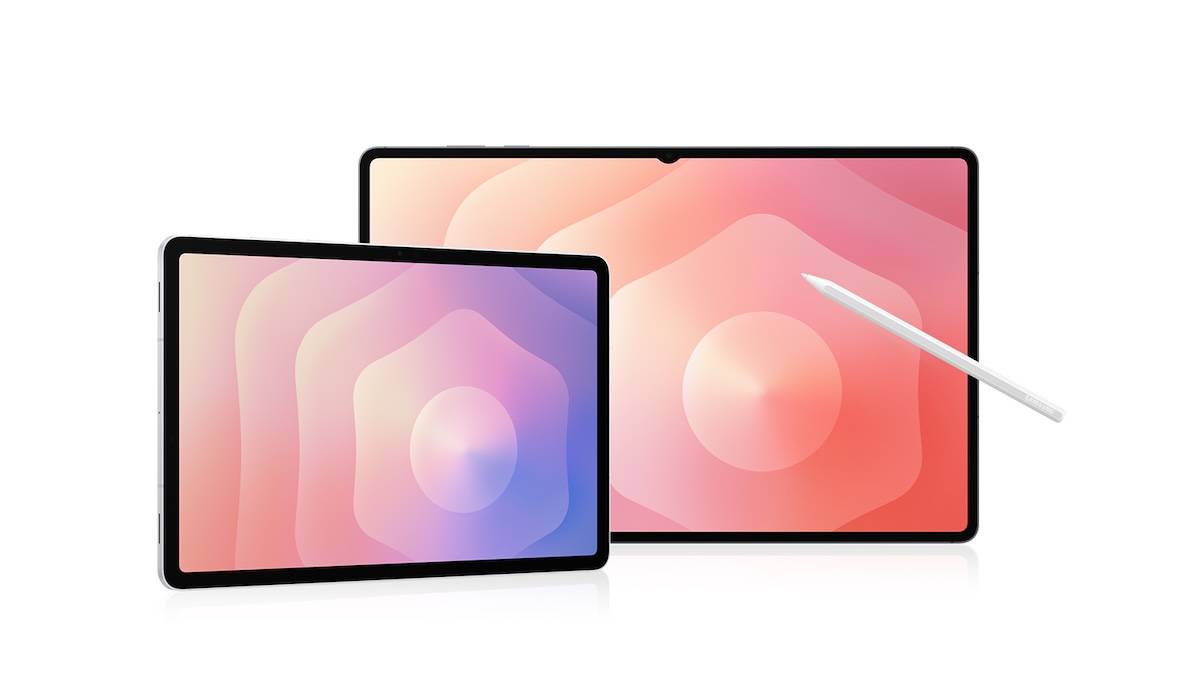
Apple recently hiked the prices of its iPads and MacBooks due to the global memory supply crunch caused by AI data centres. That’s right, it’s no longer just smartphones that are being affected by this crisis. Interestingly, Apple has yet to raise the prices of its iPhones, while Android OEMs like Samsung and OnePlus have yet to raise the prices of their tablets. So, while this might be the best time to buy the iPhone, it is also the best time to buy an Android tablet like the Galaxy Tab S11 or the OnePlus Pad 4 before the inevitable happens.
The global memory and storage crunch that has been quietly reshaping consumer electronics pricing all year has now hit tablets in a significant way. Apple raised prices across its entire iPad lineup in India, with increases ranging from 25% on the base iPad to nearly 40% on the iPad Air, and the underlying cause has nothing to do with new features or product refreshes. It is the same AI-driven demand surge for NAND flash and RAM that has already pushed up smartphone prices multiple times this year.
Table of Contents
Apple’s recent price hike
Apple’s revised iPad prices went live on its official India store recently, and the numbers are stark. The iPad 11th Gen has gone from Rs 39,900 to Rs 49,900, a Rs 10,000 increase overnight. The iPad Mini jumped from Rs 49,900 to Rs 69,900. The iPad Air moved from Rs 64,900 to Rs 89,900. The iPad Pro, already the most expensive option, climbed from Rs 99,900 to Rs 1,39,900.
| iPads | New Price | Old Price |
| iPad 11th Gen | Rs 49,900 | Rs 39,900 |
| iPad Mini | Rs 69,900 | Rs 49,900 |
| iPad Air | Rs 89,900 | Rs 64,900 |
| iPad Pro | Rs 1,39,900 | Rs 99,900 |
Apple has explicitly said that the increases are driven by rising costs of memory and storage components, describing the current situation as “unprecedented”. The rapid expansion of AI data centres has created a surge in NAND flash and RAM demand that the supply chain simply has not caught up with, and device manufacturers are passing those costs downstream.
Crucially, this is not an Apple-specific problem. Smartphone brands have already raised prices multiple times since the start of 2026 for the same reason. Tablets were next in line, and Apple, which sources large volumes of high-grade memory for its devices, has moved first.
Where Android tablets stand right now
Android OEMs are yet to make a major move in the tablet space. While Xiaomi did increase the price of its Pad 8 by Rs 2,000 a couple of weeks ago, brands like OnePlus have not. Samsung, currently the largest Android tablet maker in India, has also not raised prices on its Galaxy Tab lineup. That gap between Samsung and Apple pricing, already meaningful before these hikes, has now widened considerably.
The Tab S10 FE starts at Rs 46,999, compared to an iPad Air that now starts at Rs 89,900. The Tab S10 Lite at Rs 34,999 sits well below the newly priced iPad 11th Gen at Rs 49,900. Even at the premium end, the Tab S11 Ultra at Rs 1,19,999 undercuts the iPad Pro’s new Rs 1,39,900 entry point by a meaningful margin.
| Samsung Galaxy Tab | Current Price | Comparable iPad | Current Price |
| Galaxy Tab S10 Lite | Rs 34,999 | iPad 11th Gen | Rs 49,900 |
| Galaxy Tab S10 FE | Rs 46,999 | iPad Air 11″ | Rs 89,900 |
| Galaxy Tab S11 | Rs 86,999 | iPad Pro 11″ | Rs 1,39,900 |
| Galaxy Tab S11 Ultra | Rs 1,19,999 | iPad Pro 13″ | Rs 1,39,900 |
To be clear, price alone does not make a tablet better. The iPad Pro is an excellent flagship device for certain professional workflows, and iPadOS has genuine productivity advantages that Android tablets are still closing the gap on. But for a large segment of Indian buyers, such as students, content consumers, and working professionals who don’t live inside the Apple ecosystem, the value equation has shifted sharply in Samsung’s favour now.
Will Samsung hike its tablet prices?
Samsung has not announced any price increases yet. But the memory and storage components that go into Galaxy Tabs are sourced from the same global supply chain that has pushed Apple to act. The cost pressures that moved iPad prices 25–40% overnight are not unique to Apple; they are structural, industry-wide, and ongoing.
Samsung might pull the trigger sooner or later, so if you’ve been looking for a Galaxy Tab, the best time to pick one up is right now. Every month that passes without a price revision on Galaxy Tabs is, in effect, a window that may not stay open indefinitely.