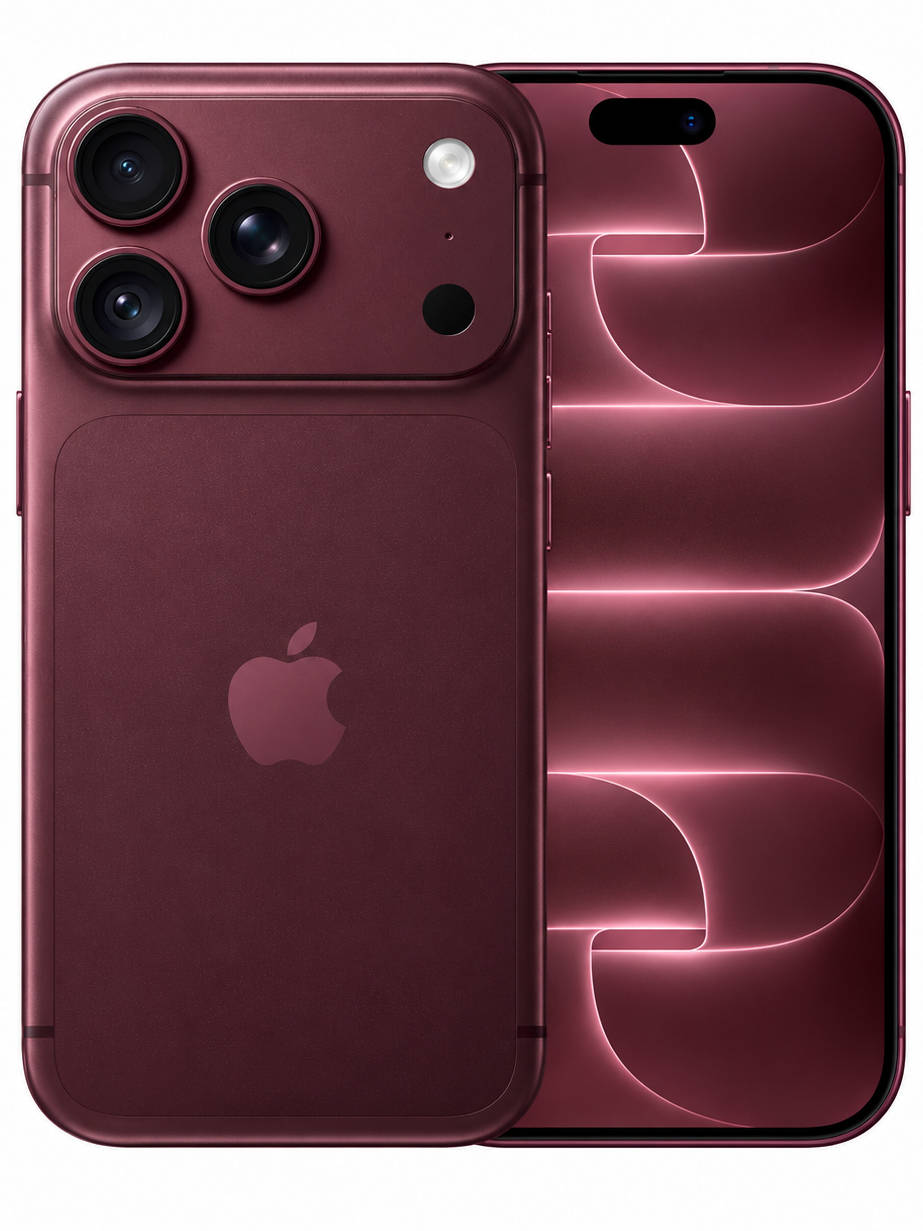
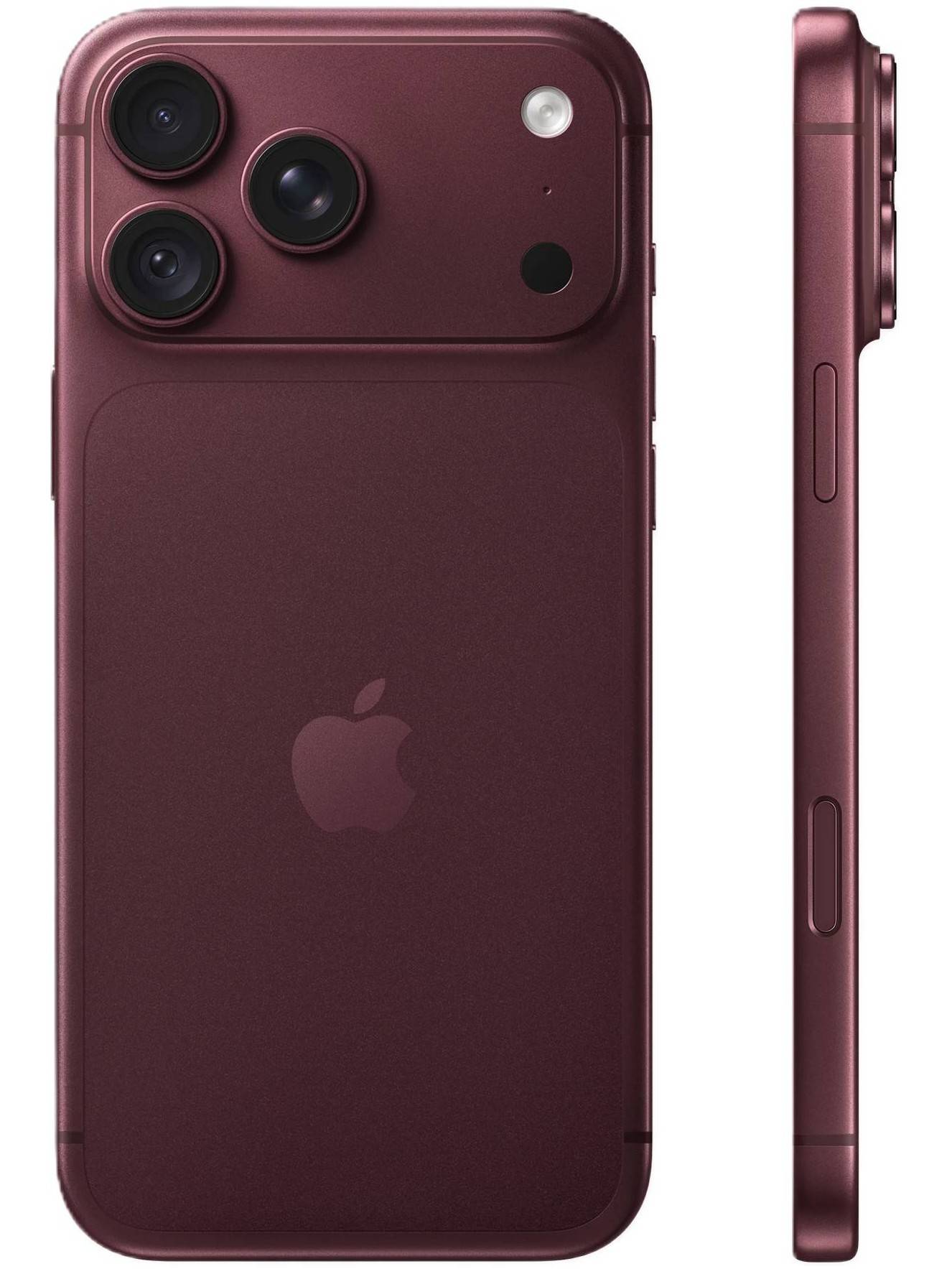
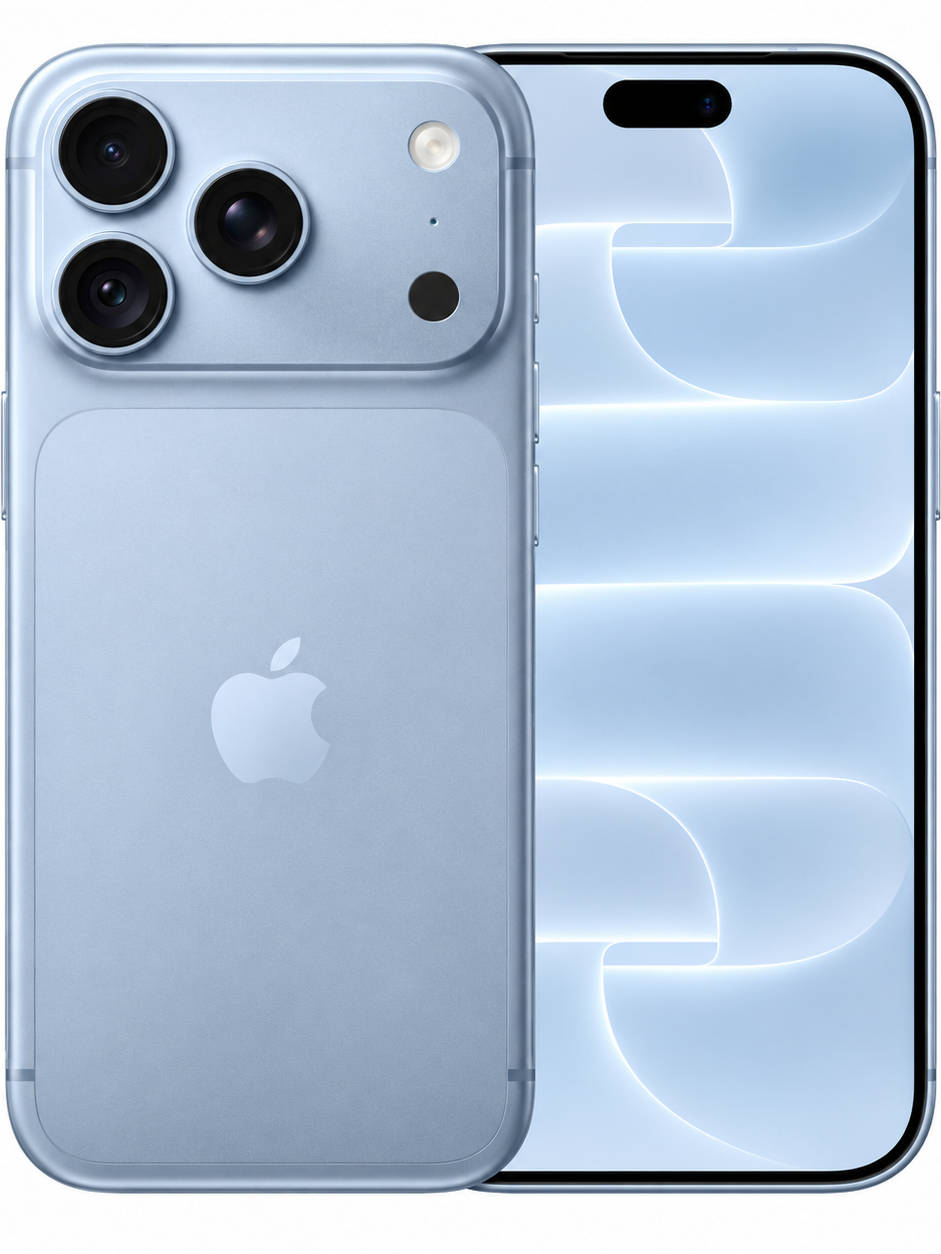
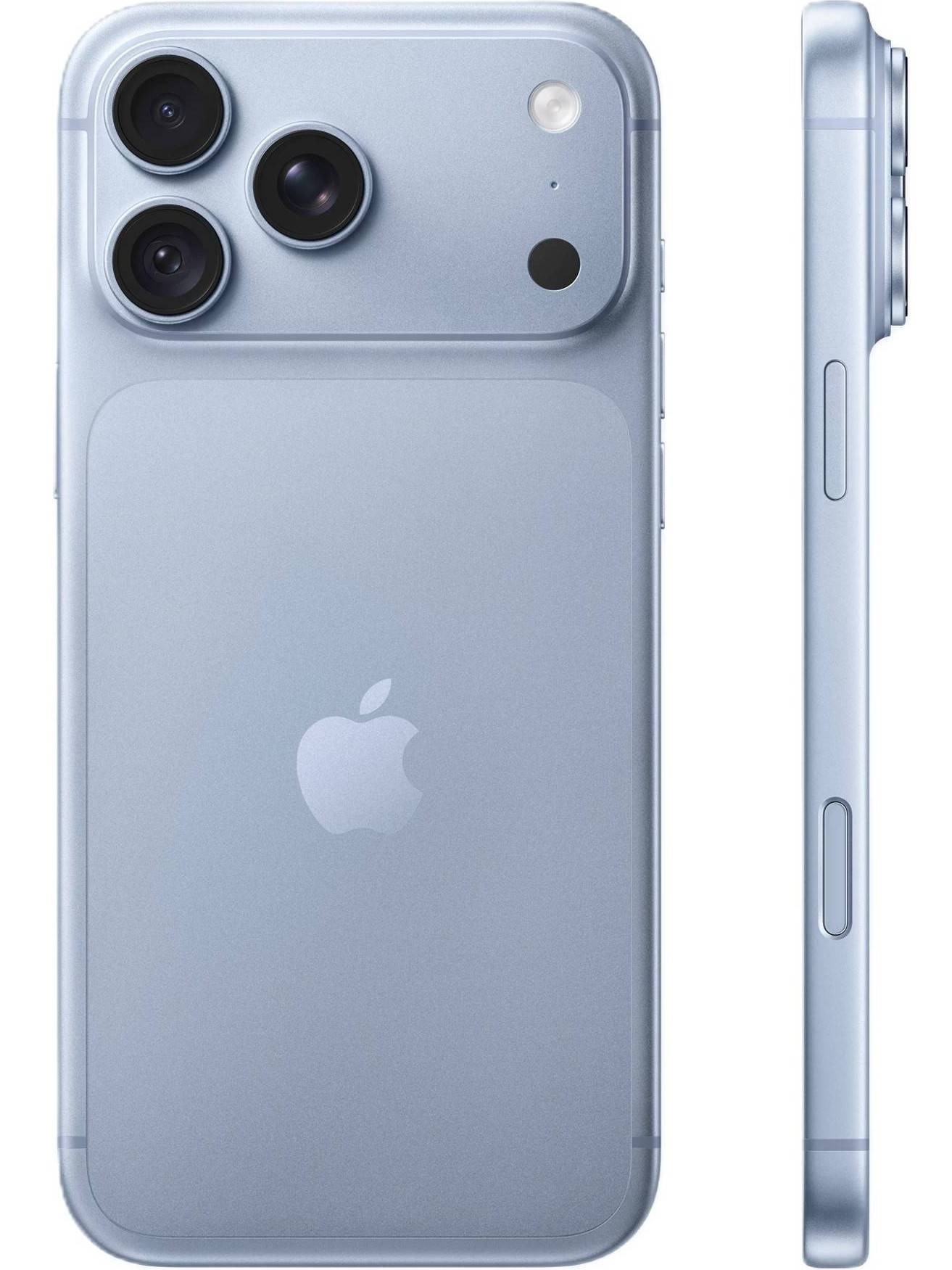
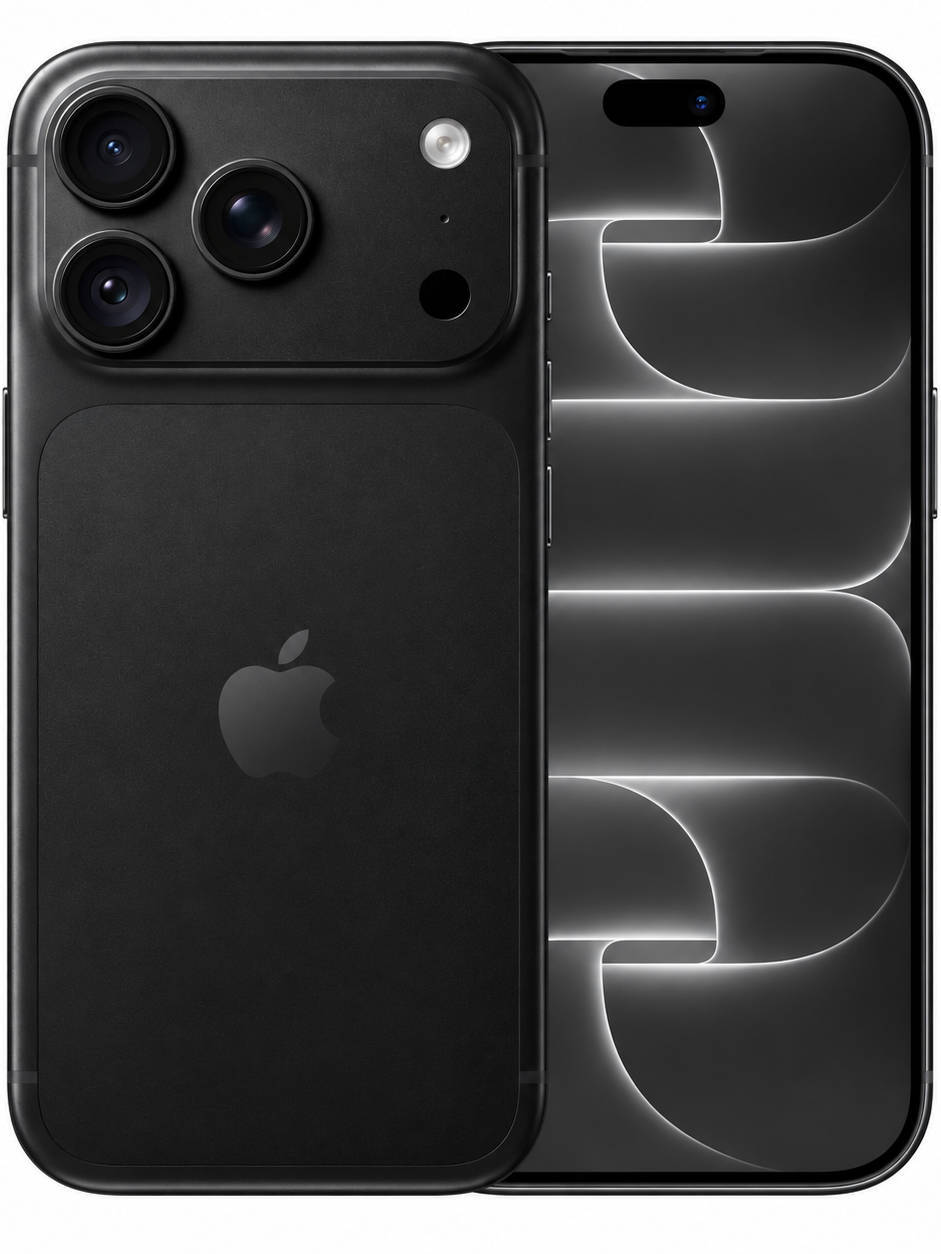
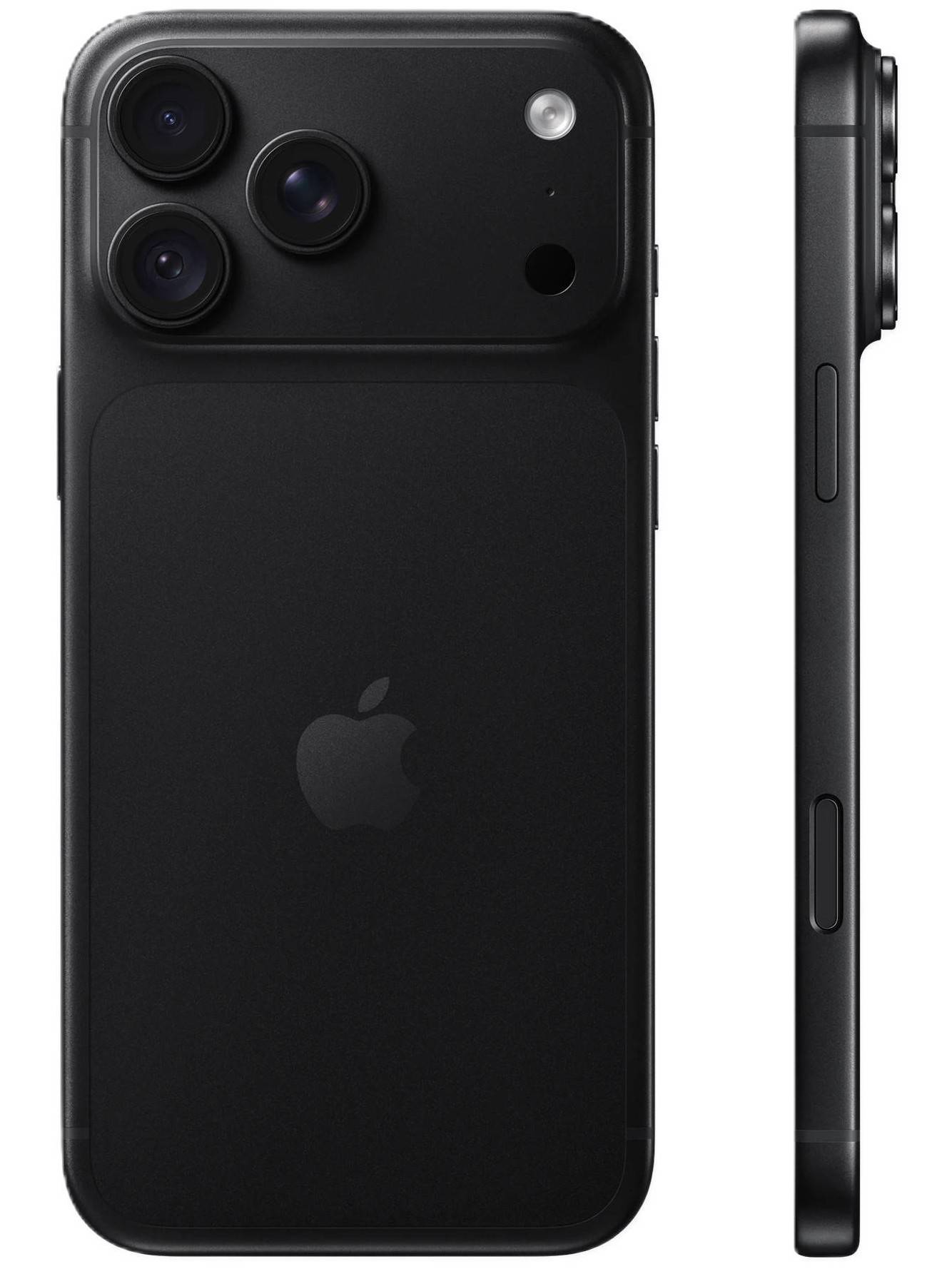
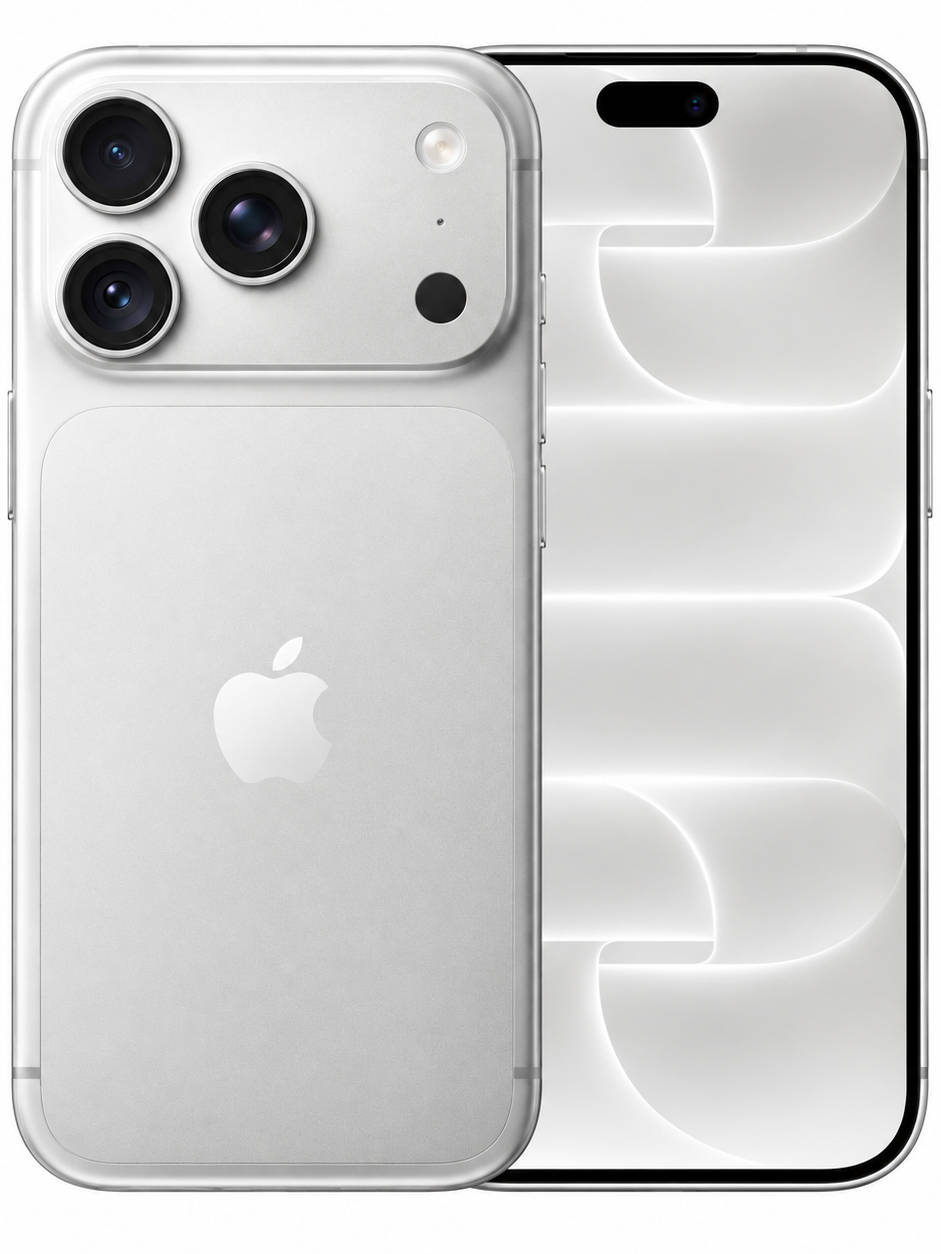
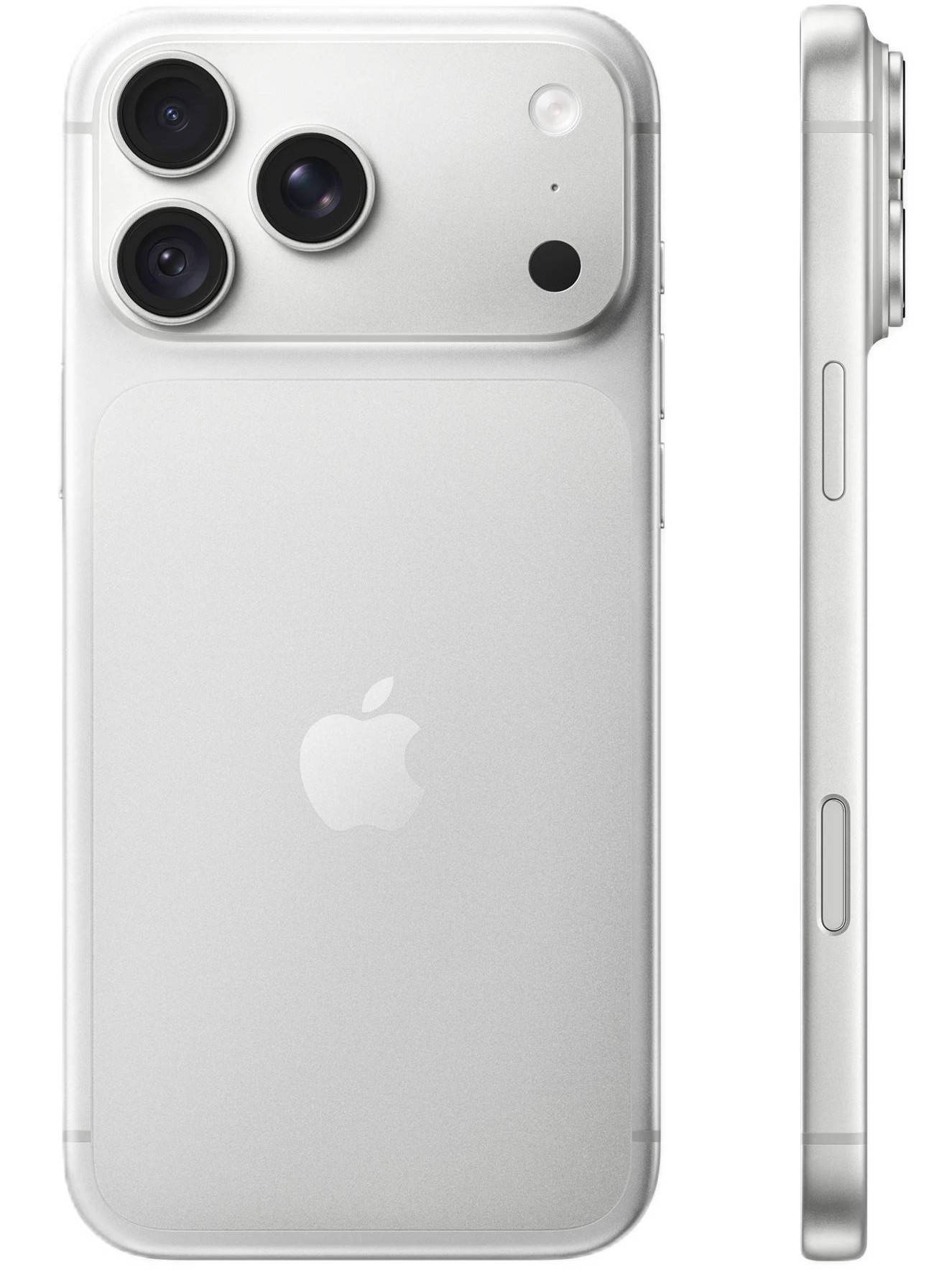
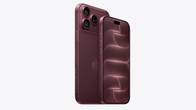
Apple’s highest-capacity iPhone 18 Pro models appear to be making an unusual storage trade-off. The 1TB and 2TB versions reportedly use slower QLC flash memory, unlike the 256GB and 512GB models, which use faster TLC memory. Tests suggest the difference can become significant when the phone is handling large amounts of data continuously, although it is unlikely to affect everyday tasks.
This is also a change from last year’s iPhone 17 Pro and Pro Max, which used TLC storage across their 1TB and 2TB configurations.
iPhone 18 Pro storage slows down once caches fill up
The difference comes down to how much data each type of flash cell can store. TLC stores three bits of data per cell, while QLC stores four. QLC allows manufacturers to fit more storage into the same physical space, potentially reducing the cost and footprint of high-capacity storage, but the trade-off is lower sustained performance.
According to tests by Bilibili channel Homolab, the 1TB iPhone 18 Pro Max uses QLC storage with multiple layers of caching designed to mask that limitation. When the phone is writing data, it first uses an SLC cache that can reach around 3,000MB/s. Once that fills, writing moves to a TLC cache at around 578MB/s. After both caches are exhausted, the phone writes directly to the underlying QLC storage.
At that point, sustained write speeds reportedly fall to 79.4MB/s, with dips as low as 25.6MB/s. The situation becomes more pronounced as the storage fills up. At 60 percent capacity, Homolab measured the SLC cache at just 58GB, while direct QLC writes reportedly averaged around 45MB/s and could briefly fall to 1.1MB/s.
Apple hasn’t explained the change, so the reason remains speculative. One likely factor is the rising cost and supply pressure around NAND flash and other memory components, particularly as Apple expands the iPhone’s higher-capacity storage options. QLC can provide more storage density, potentially allowing Apple to produce 1TB and 2TB models more efficiently without increasing the physical space allocated to NAND.
There is another practical consideration: most users will not continuously write hundreds of gigabytes of data. The SLC and TLC caches can therefore hide much of QLC’s slower underlying speed during normal use. That could allow Apple to offer larger storage capacities without a noticeable difference for typical users. However, it’s worth noting that this is an inference, not a reason Apple has officially given.
Does the slower storage matter in everyday use?
The QLC model was also reportedly 38 percent slower in 4K random reads than the 512GB TLC model at low queue depths. The difference narrowed to 12 percent under heavier workloads, but the QLC version remained slower. These are synthetic tests that deliberately stress the storage, so most users browsing, messaging, gaming or taking regular photos are unlikely to notice the difference. The trade-off is more relevant to people recording 4K or ProRes video, transferring very large files or restoring large backups.
For most buyers, the extra capacity of the 1TB and 2TB models will matter more than the underlying NAND type. However, professionals paying a premium for the highest-capacity iPhone may want to factor in the storage technology too, especially if their reason for buying 1TB or 2TB is to handle large files rather than simply keep more photos and apps on the phone.
Apple iPhone 18 Pro Images