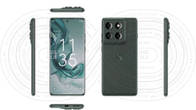
The Motorola Signature 27 has been one of the most anticipated smartphones since it was first unveiled in September. The handset has now officially launched globally, with its India debut expected later this month. It succeeds the original Motorola Signature, and how!
The smartphone is powered by the flagship Snapdragon 8 Elite Extreme Gen 6 SoC, replacing the sub-flagship chipset on its predecessor. The handset also features a 200MP periscope telephoto camera, positioning it as a strong contender in the premium camera-centric smartphone segment. Other notable upgrades include an improved main camera, a larger battery and the new ArcticMesh Cooling system. The Signature 27 also introduces GrapheneOS for enhanced privacy protection, a first for a non-Pixel smartphone.
All this sounds promising, but for the smartphone to be a reliable proposition, Motorola needs to get the fundamentals right – something its predecessor, the original Signature, fell short on. As we noted in our review and subsequent revisit, the handset fell short on three key fronts, and I really hope Motorola has addressed these with the Signature 27.
Table of Contents
Timely updates
When the original Motorola Signature launched, it was widely praised for its software support promise. We shared that enthusiasm, especially considering that Motorola was only the third Android smartphone manufacturer, after Google and Samsung, in India to commit to seven major Android OS upgrades and seven years of security updates. This was no small feat and would instil confidence in buyers, knowing that their smartphone would remain relevant for years to come with access to the latest features and security improvements.
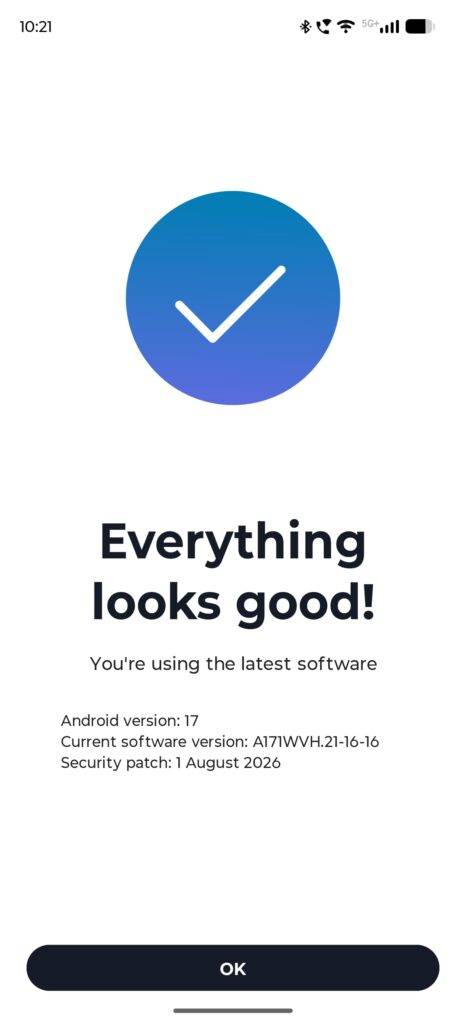
With such a lofty promise, you wouldn’t expect the smartphone to be running the same security patch seven months after its launch. Yet, that was precisely the case with the Motorola Signature. While this isn’t unheard of in the Android smartphone segment, Motorola was positioning itself alongside Google and Samsung, both of which are fairly consistent with their monthly security updates. This was an opportunity it couldn’t afford to miss.
Beyond keeping the phone secure, software updates also bring new features, another area where the Motorola Signature fell short. I remember that when I revisited the smartphone, it lacked dynamic clock widgets, improved notification controls and expanded customisation options, all of which were introduced with the newer Motorola Edge 70 Max. At the time of writing this article, the Motorola Signature had received its first major OS upgrade, Android 17, but its security update has been due since August.
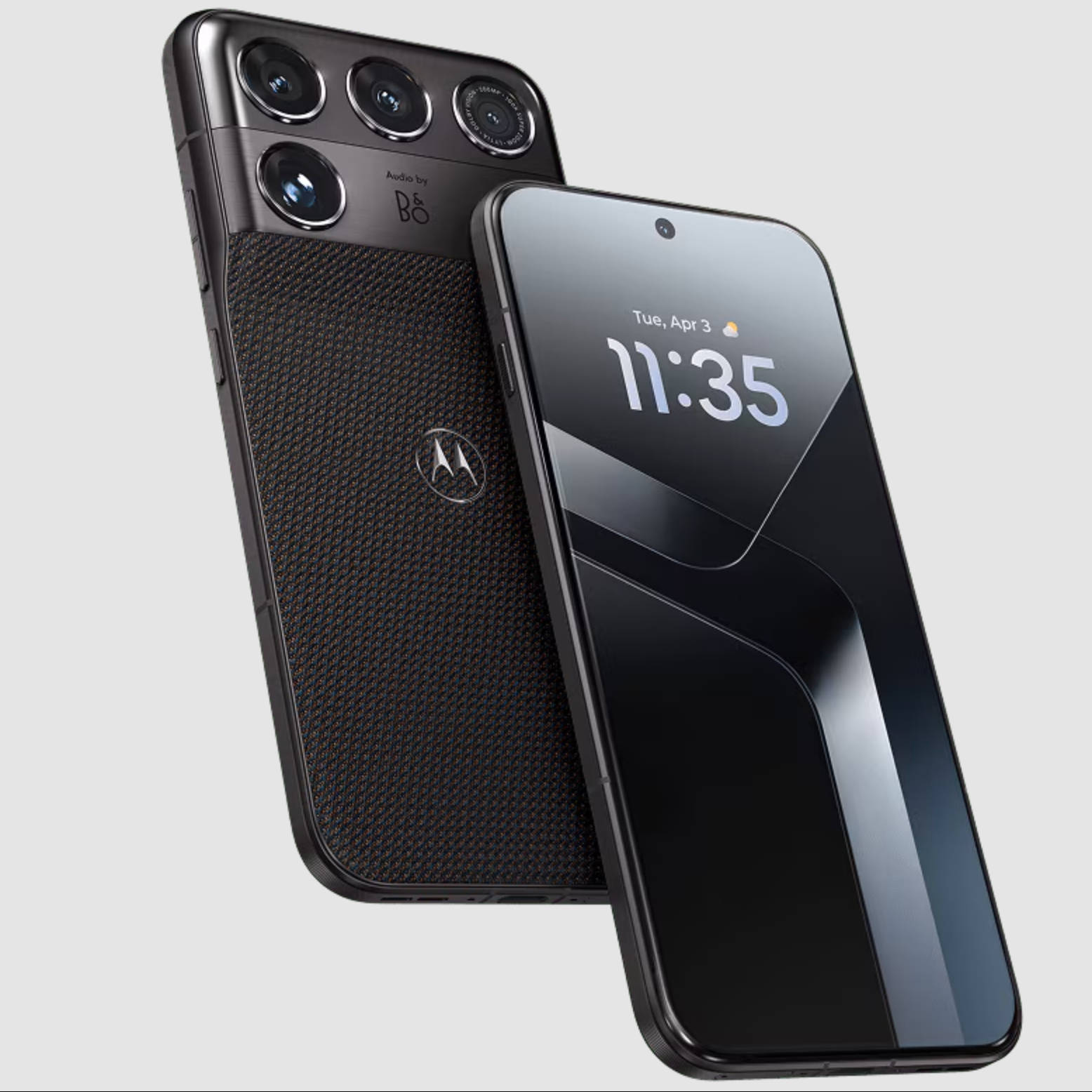
The Motorola Signature 27 has also been promised seven major OS upgrades, but pulled back on security updates from monthly to bi-monthly, which is fine as long the updates are stable, and more importantly, timely.
Display improvements
- 6.8-inch Extreme AMOLED Duo
- 1.5K Super HD resolution
- up to 120Hz refresh rate
- LTPO panel
- 3,000 nits HBM and 12,000 nits peak brightness
- 19.5:9 aspect ratio
- HDR10+ certification
- Corning Gorilla Glass 3 Ceramic
The Motorola Signature 27’s display specifications are every bit impressive, and they are coming from the original Motorola Signature, which also featured a capable 6.8-inch Extreme AMOLED display with 1.5K Super HD resolution, HDR10+ support and an even higher 165Hz refresh rate. The handset delivered an excellent viewing experience, and I have no doubt the Signature 27 will be any different.
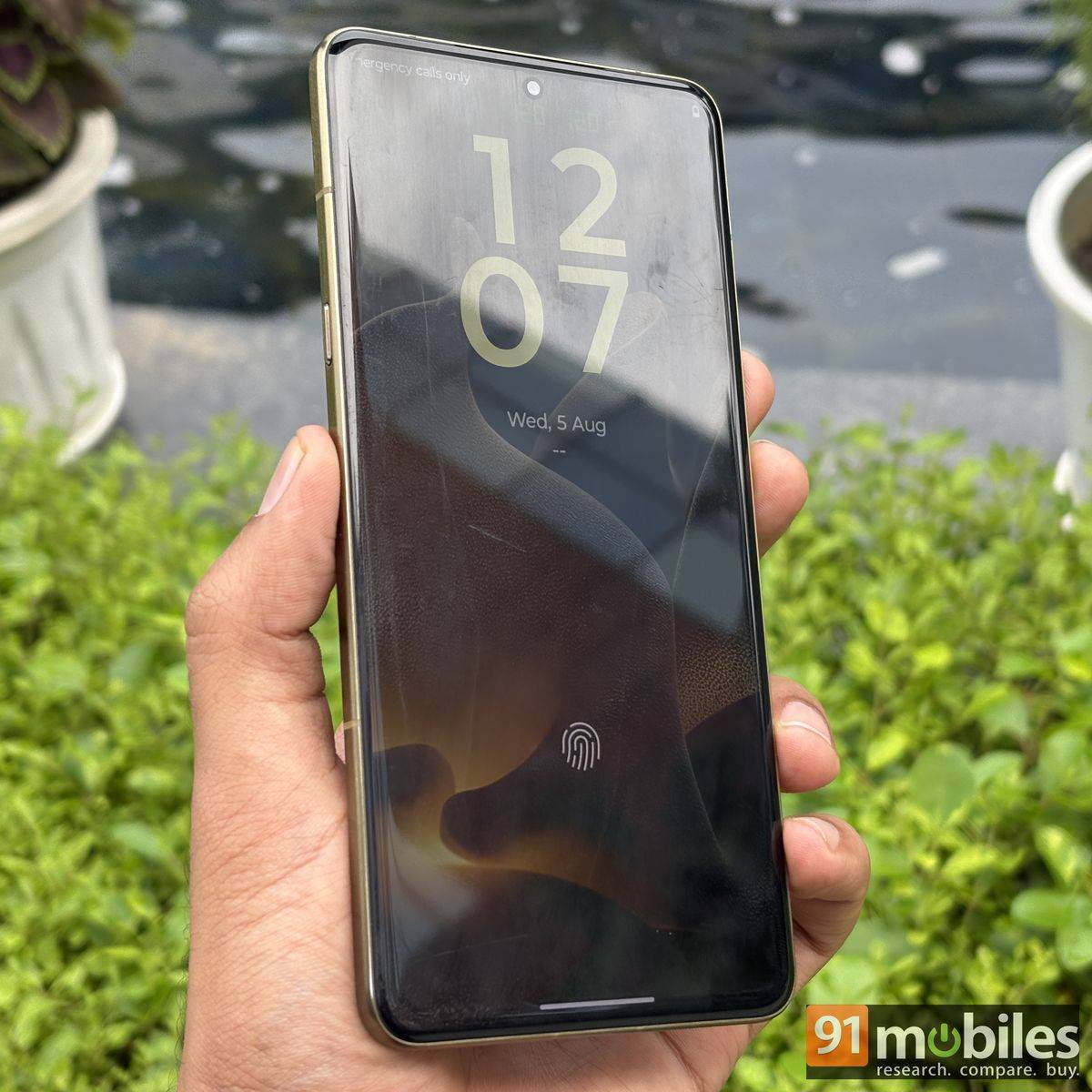
That said, I had two reservations about the original Signature: its refresh rate and display protection. Despite supporting a 165Hz refresh rate, the display was limited to 120Hz, not reaching its peak even while playing games. Additionally, despite featuring flagship-grade Corning Gorilla Glass Victus 2 protection, the screen proved susceptible to scratches even with careful use.
Hopefully, the new Corning Gorilla Glass 3 Ceramic protection on the Motorola Signature 27 will offer better resistance to everyday scratches. I don’t mind Motorola dropping the refresh rate from 165Hz to 120Hz on the Signature 27, as long as it can consistently deliver the claimed refresh rate across the UI, supported apps and compatible games.
Battery endurance
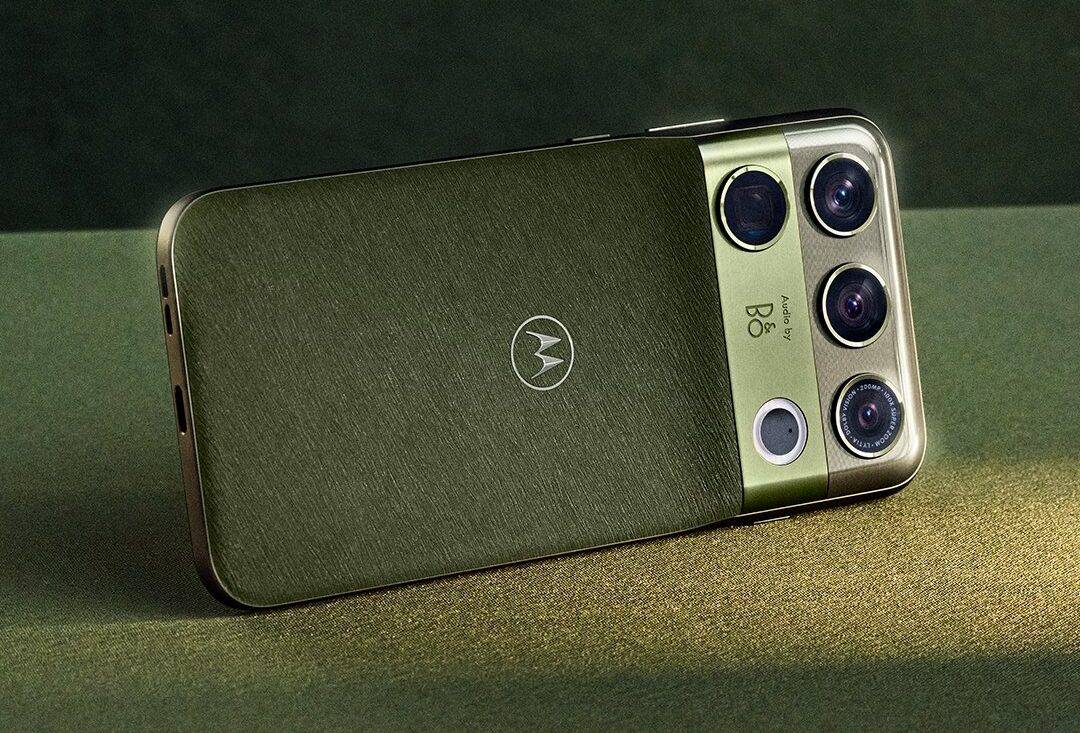
Motorola has upgraded the Signature 27’s battery capacity to 7,000mAh, up from 5,200mAh on its predecessor. The increased capacity should address one of our major concerns with the original Signature, which struggled to keep up with competitors offering larger batteries. While it managed to last close to a day with regular usage, heavy usage often pushed it to its limits. The larger battery on the Signature 27 is still playing catch-up with some contemporary smartphones, but it is a welcome improvement.
That said, battery capacity alone doesn’t determine endurance; the 2nm chipset, which should be more power-efficient, and, more importantly, optimisation play an equally important role. Apple, for instance, has demonstrated this for years, delivering impressive battery life despite using relatively modest capacities. If Motorola gets the optimisation right, the Signature 27 could strike the right balance, combining the endurance benefits of a 7,000mAh battery with the ergonomics of its sleek profile.
Verdict
These factors may not define the success of the Motorola Signature 27, but they will certainly play a crucial role in complementing its promising hardware. The flagship chipset, upgraded cooling system and promising camera setup make it a compelling proposition. However, these upgrades will count for little if the phone delivers average battery endurance, the display remains susceptible to scratches, or Motorola fails to keep its software up to date.
Ultimately, it is these fundamentals that will determine whether the Signature 27 lives up to its flagship promise.
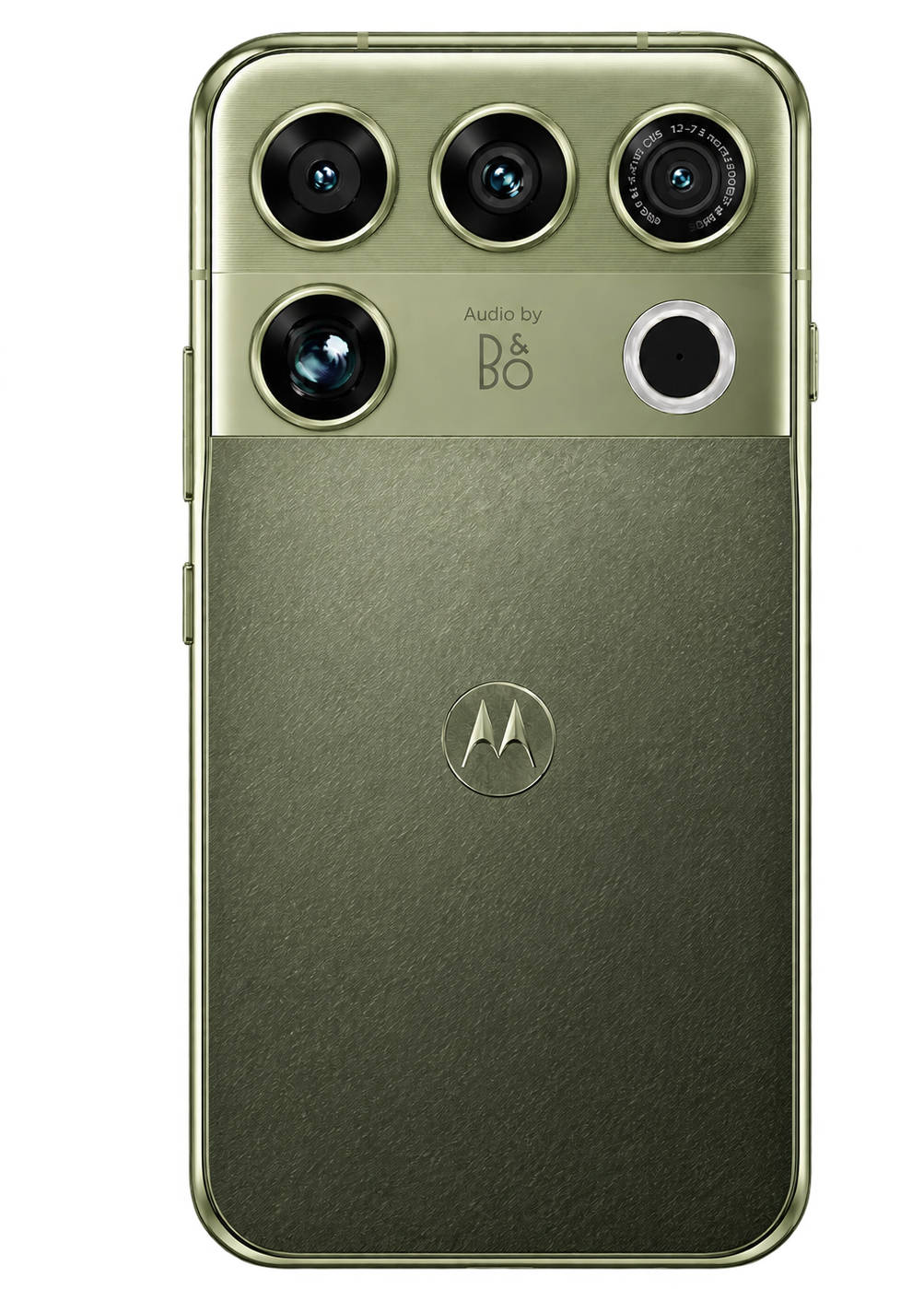
Motorola Signature 27 Images

| Expected Price: | N/A |
| Release Date: | (Expected) |
| Variant: | 12 GB RAM |
| Phone Status: | Upcoming Phone |