Lava has confirmed that the Lava Virat Curve will launch in India on September 21st at 12 PM IST as the fourth smartphone in its new Virat lineup. The upcoming model joins the Virat V1 4G, Virat V1 5G, and Virat V1 Pro 5G, while introducing a more premium-looking curved design and a rear display element that sets it apart from the rest of the series.
Lava Virat Curve specifications and features
Lava has revealed the key hardware specifications ahead of launch. The Virat Curve will feature a 6.67-inch 3D curved AMOLED display with Full-HD+ resolution, a 120Hz refresh rate, 1.07 billion colours, 100 percent DCI-P3 colour gamut, and up to 1,100 nits peak brightness. Powering the phone will be the MediaTek Dimensity 7100 processor paired with 6GB RAM and 128GB storage. It will run Android 16 out of the box, with Lava promising two years of OS updates and three years of security updates.
For photography, the phone gets a 50MP Sony IMX752 primary camera with f/1.8 aperture and support for up to 2K 30fps video recording. Completing the package is a sizeable 6,000mAh battery with 45W wired fast charging, making it one of the more battery-focused offerings in its segment.
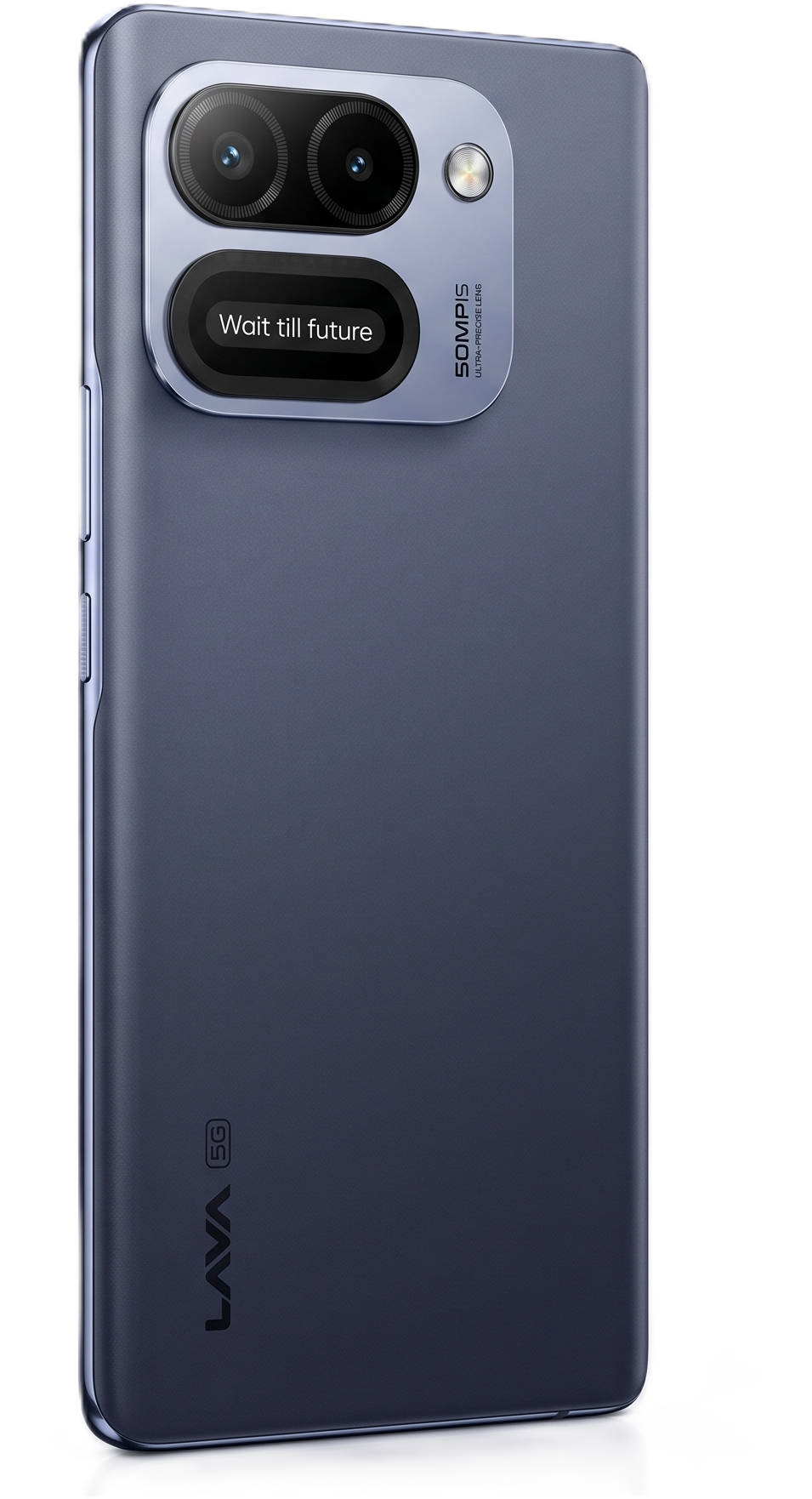
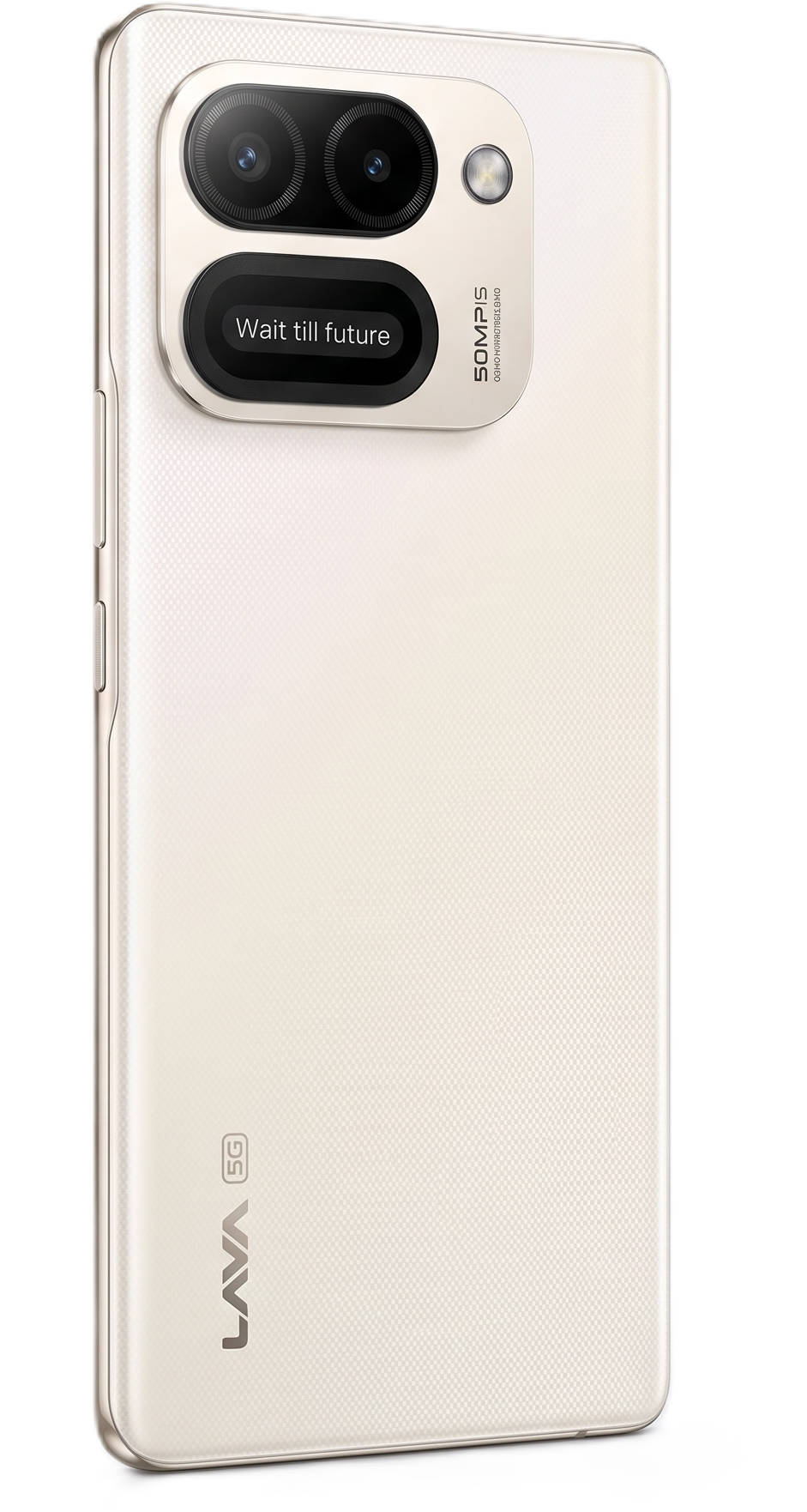
The phone features curved front and rear panels with a vegan leather finish, a rectangular camera module, IP64 dust and splash resistance, and a USB Type-C port alongside the speaker grille and SIM tray. It will be available through Flipkart in Heritage Indigo and Makrana Ivory colour options.
Lava Virat Curve Mini Display
The biggest talking point is the Mini Display embedded within the rear camera island. Rather than being purely decorative, Lava says it can display the company’s logo, battery percentage, volume level, time, emojis, custom text messages, and notifications. This puts the Virat Curve among a growing number of smartphones experimenting with secondary rear interfaces.
In the segment, Infinix recently introduced its Active Matrix Display on the Infinix Hot 70 Pro, which also uses the rear panel to communicate alerts and visual information, while Nothing has built an entire identity around its Glyph Interface and newer Glyph Matrix, offering notifications, timers, volume indicators, progress tracking, and interactive utilities through programmable lights and matrix-style displays. Lava’s Mini Display appears to focus more on glanceable information and personalisation than the broader interactive ecosystem offered by Nothing’s Glyph platform. Among Lava phones, the Lava Agni 3 in 2024 itself came with a rear secondary display that acted as a camera viewfinder, gave you quick music controls and showed notifications and the time.
The Lava Virat series starts at Rs 9,999 for the Lava Virat V1 4G. The Curve is expected to be the top model of the series considering its feature set and should cross the Rs 20,000 price point, as per our estimation. While the curved AMOLED screen, large battery, and rear Mini Display give the Virat Curve a distinctive identity, pricing will ultimately determine its competitiveness. Buyers considering phones from brands like Nothing or Infinix may find Lava’s rear display an interesting alternative, especially if they want notification and customisation features without moving into a higher price bracket.
Lava Virat Curve 5G Images


| Expected Price: | N/A |
| Release Date: | (Expected) |
| Variant: | 6 GB RAM |
| Phone Status: | Upcoming Phone |