Motorola debuts its first book-style foldable, the Motorola Razr Fold, at CES 2026


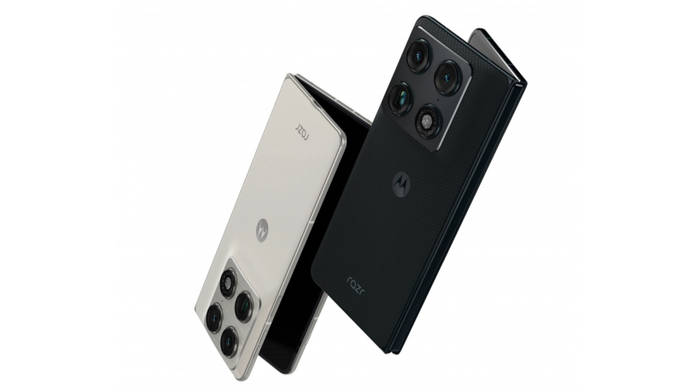
Motorola has been making flip phones for years, longer than the age of a sizeable number of readers of this article (hello OG Razr). But at its CES 2026 keynote, the Lenovo-owned brand finally unveiled the Razr Fold, its first phone that opens like a book. This marks a shift in direction for Motorola, which has spent the past few years almost entirely focused on clamshell-style Razr flip phones.
However, even though the company formally unveiled the device, details are still limited. Motorola has not yet shared pricing or a release date, so this is more of a first look than a full launch. The Razr Fold goes for a clean, familiar book-style look with curved edges, a sturdy hinge, and a rear camera bump that feels at home with Motorola’s current lineup. It has a tall, narrow shape similar to Samsung’s Z Fold design, compared to wider passport-style options. Colour-wise, you get two classic Pantone shades, Blackened Blue with a textured, woven back, and Lily White, ditching the more out-there options of the flip Razrs for a more mature vibe.
Show Full Article
With the hardware, the Razr Fold looks promising. It has a 6.6-inch outer display that unfolds into an 8.1-inch inner screen, making it slightly larger than many competing foldables sold in the market these days. Motorola says the inner panel is an LTPO display with 2K resolution, which should allow smoother refresh rates and better power efficiency.


Cameras are a focus though. The Razr Fold includes three 50MP rear cameras, including a Sony LYTIA main sensor, a periscope telephoto with 3x optical zoom, and an ultra-wide camera. On the front, there is a 32MP camera on the cover screen and a 20MP sensor on the inner display, aimed at video calls. Support for Dolby Vision video recording adds a bit of extra appeal for people who care about mobile video.
One standout feature is stylus support. The Razr Fold works with the Moto Pen Ultra, something you still do not get on devices like the Galaxy Z Fold 7 or Pixel 10 Pro Fold. It is not yet clear whether the stylus will be included in the box or sold separately, but for note-taking and sketching, it could be a real advantage.
Motorola has not shared exact thickness specs for the Razr Fold yet, but early hands-on reports from CES describe it as “noticeably slimmer” than the Google Pixel 10 Pro Fold (10.8mm folded), with a comfortable feel despite the large 6.6-inch outer and 8.1-inch inner screens. That puts it in the same league as category leaders like the Samsung Galaxy Z Fold 7 at 8.9 mm folded or the Honor Magic V5 at 8.8 mm, helping it avoid the chunky vibe many foldables still have. Once full measurements are revealed, we’ll know if Motorola can truly challenge the thinnest options on the market.


On the software side, Motorola is predictably leaning into AI. The Razr Fold runs Android with on-device AI features such as Catch Me Up for notification summaries and Next Move for context-based suggestions. These sit under Qira, a new AI platform Motorola and Lenovo plan to bring to multiple devices. The company also showed off a concept wearable called Project Maxwell at CES, hinting at where its AI ecosystem might head next and putting it closer to conversations around new AI hardware from players like OpenAI.
For now, the Razr Fold is more one to watch than one to buy. Key details like price, battery capacity, and chipset are still missing, which makes it hard to judge its value against Samsung and Google’s foldables. If Motorola can price it competitively and deliver solid battery life, the mix of stylus support, large screens, and AI features could help it stand out. If not, the more established options from Samsung and Google will likely remain the safer choice. But with Samsung now showing off multi-fold concepts, Motorola will need to do more than just offer another regular foldable.