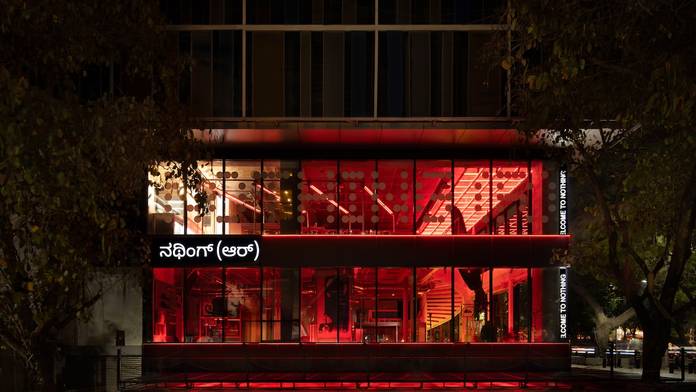
If there were lingering doubts about Nothing’s long-term ambitions in India after the Phone (3), this should put them to rest. On February 14th, 2026, the London-based consumer tech brand inaugurated its first flagship store in India, a 5,032 sq ft space on 100 Feet Road, Indiranagar, Bengaluru. The store was opened by CEO Carl Pei alongside co-founder and India President Akis Evangelidis, signalling what the company calls a “significant step” in its India expansion.
India, after all, isn’t just another growth market for Nothing. It’s the brand’s largest single user base globally, and according to Counterpoint Research, it has been the fastest-growing smartphone brand in the country for seven of the last eight quarters .
This store is clearly meant to match that momentum.
Table of Contents
Not a retail store. A brand stage.
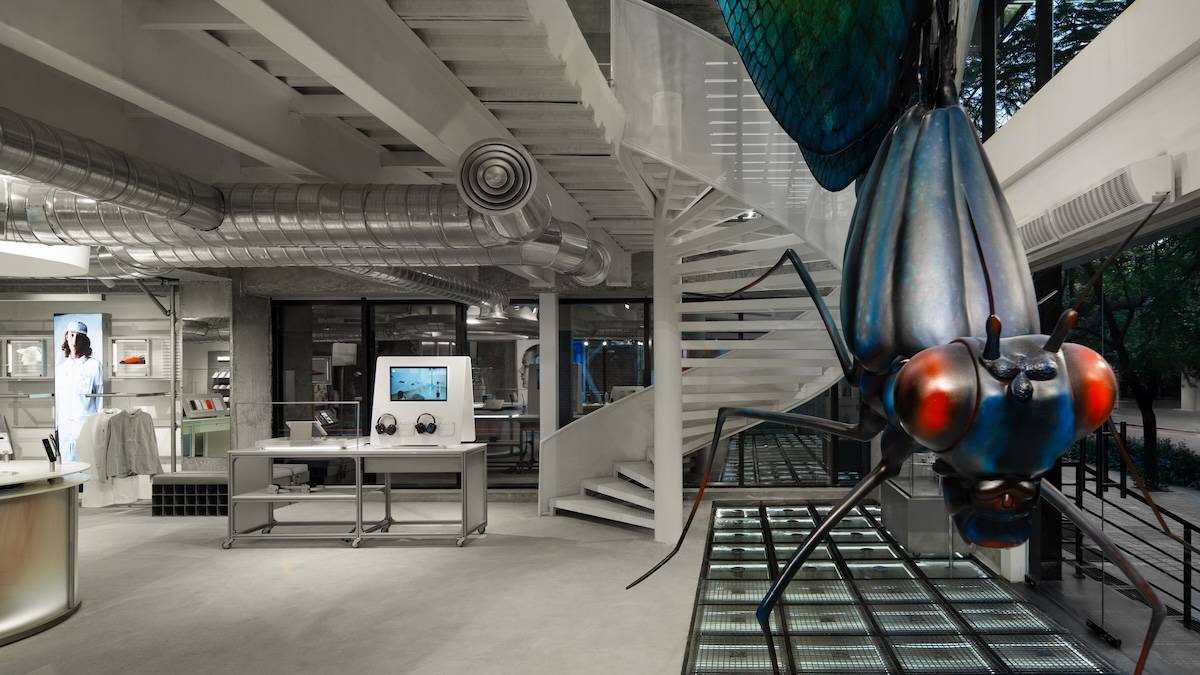
Step inside and you’re immediately greeted by a massive suspended dragonfly, equal parts art installation and photo magnet. Carl Pei says the choice wasn’t deeply strategic (“it looks badass,” he quips), but it fits the mood: bold, slightly irreverent, and very on-brand.
The larger philosophy, however, is deliberate.
Now, Pei believes that the format is getting predictable.
The Bengaluru flagship represents what Nothing sees as the next phase — a hybrid space where the KPI isn’t just sales.
Retro-futurism, raw materials, and radical transparency
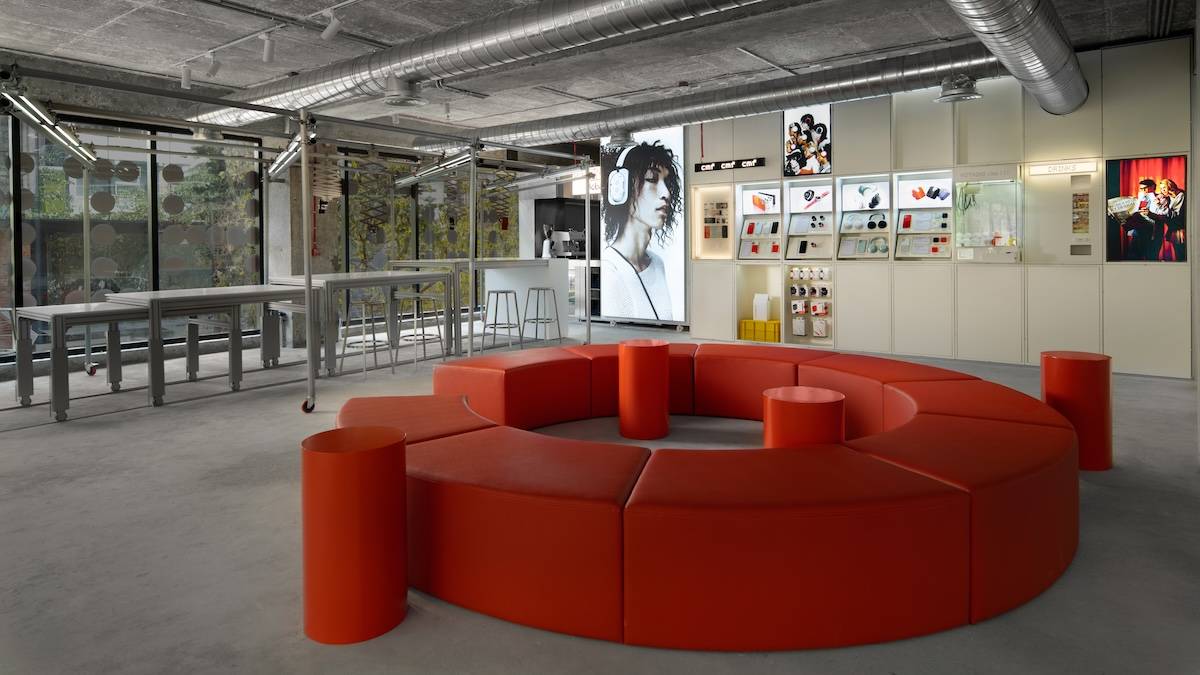
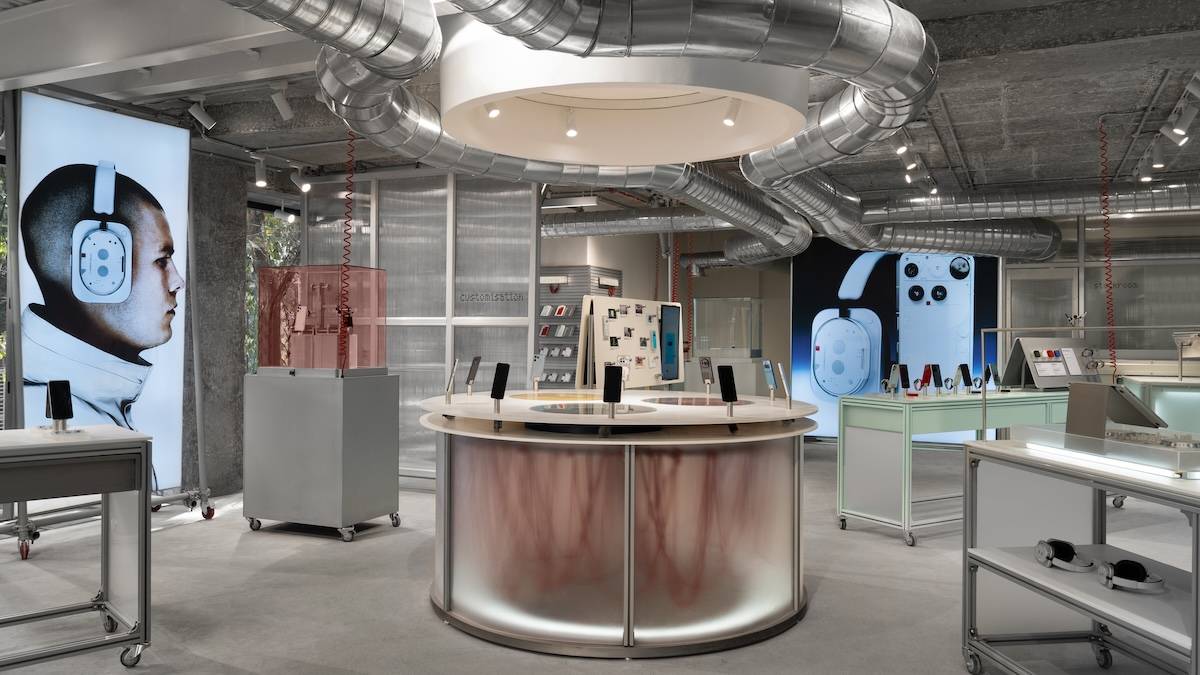
Spanning over 5,000 sq ft, the space brings together Nothing and CMF products alongside official merchandise, including apparel. But what stands out isn’t just what’s on display — it’s how the store is designed.
Drawing inspiration from 1970s assembly lines and workshops, the aesthetic leans into retro-futurism. Concrete, aluminium, steel, and glass are left intentionally raw and exposed. The structure isn’t hidden; it’s celebrated. Transparency, a key part of Nothing’s product design language, extends to the architecture itself.
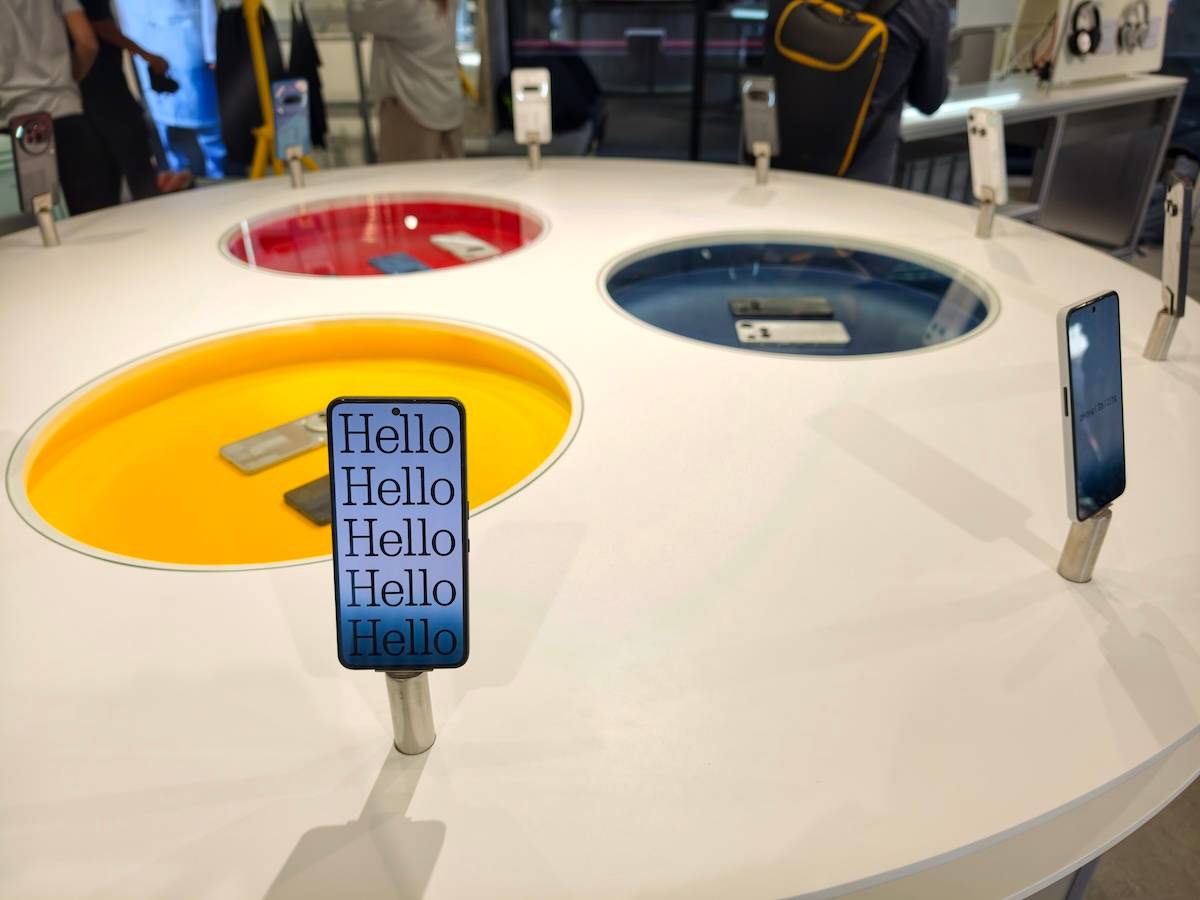
Tables are on wheels. Layouts can change overnight. The downstairs area can be cleared out entirely for community events. Much of the furniture is locally sourced and handmade, reinforcing the experimental, workshop-like vibe.
There are also durability demos — water pressure tests, scratch tests, cable stress trials — mirroring the company’s R&D processes. A conveyor-belt-style product display nods to factory production lines, turning the act of purchase into theatre.
And then there are the playful touches: vending machines, claw games, and interactive installations.
Built for creators, not just customers
One of the most telling additions is a dedicated creator studio inside the store. Visitors can shoot unboxing videos and hands-on content with professional lighting and camera setups . There’s also laser engraving for customised products available exclusively at this location, along with T-shirt printing and merchandise.
Akis Evangelidis summed it up best in the official announcement: this is “more than just a point of transaction.” The goal is to build understanding, trust, and long-term relationships with the Indian community.
In other words, the store is as much about storytelling as it is about selling.
Why Bengaluru?
When asked about the choice of city, Pei downplayed any hyper-analytical demographic modelling. “You’re overestimating our data,” he laughed during the interaction. The reasoning was simple: users are here, sales are here, and it felt right.
That instinct aligns with Bengaluru’s design-forward, startup-heavy culture. For a brand that positions itself as rebellious, design-led, and community-first, Indiranagar feels like a natural fit.
The flagship follows Nothing’s Soho, London store and precedes upcoming locations in New York City and Tokyo — placing Bengaluru firmly on the brand’s global retail roadmap.
 Betting big on India
Nothing calls itself the only new smartphone company to emerge in the last decade, backed by over USD 450 million in funding and more than 11,000 community investors. India has been central to that rise.
Opening a flagship here, not in a mall, but on one of Bengaluru’s most high-visibility high streets, signals confidence. It also reflects a shift in how the brand sees physical retail: not as a necessary overhead, but as a cultural touchpoint. The store operates daily from 11:00 AM to 9:00 PM. But if Pei’s “photo KPI” theory holds true, its impact may extend far beyond those hours, and far beyond Indiranagar.
For Nothing, the store is a new chapter in India, built on design, community, and a dragonfly that refuses to go unnoticed.