


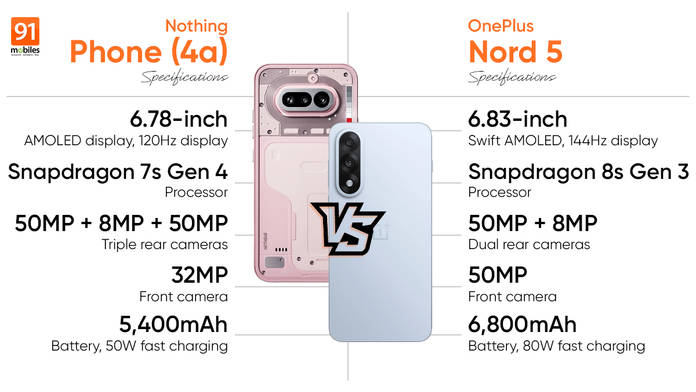
The Nothing Phone (4a) (review) is now available for sale across India. If you’re unsure whether it’s the better pick over the similarly priced OnePlus Nord 5 (review), this comparison should help you decide. Since both phones weren’t used side by side, this Nothing Phone (4a) vs OnePlus Nord 5 comparison looks at their specifications individually and evaluates how each device performed in real-world usage during our reviews.
So without any further ado, let’s get to the comparison, starting with the price.
Table of Contents
Same price, different perks
The Nothing Phone (4a) and OnePlus Nord 5 both come with a sticker price of Rs 31,999 for the base 8GB RAM + 128GB storage variant. The mid and top-end configurations of both phones are priced at Rs 34,999 and Rs 37,999, respectively.
However, the OnePlus Nord 5 offers a slight advantage in higher tiers. Its mid variant comes with 12GB RAM, compared to 8GB on the Phone (4a). The top-end Nord 5 model also offers 512GB storage, which is double the maximum 256GB storage available on the Nothing Phone (4a). Nothing caps the storage on both the mid and top variants at 256GB.
Design: bold vs minimal
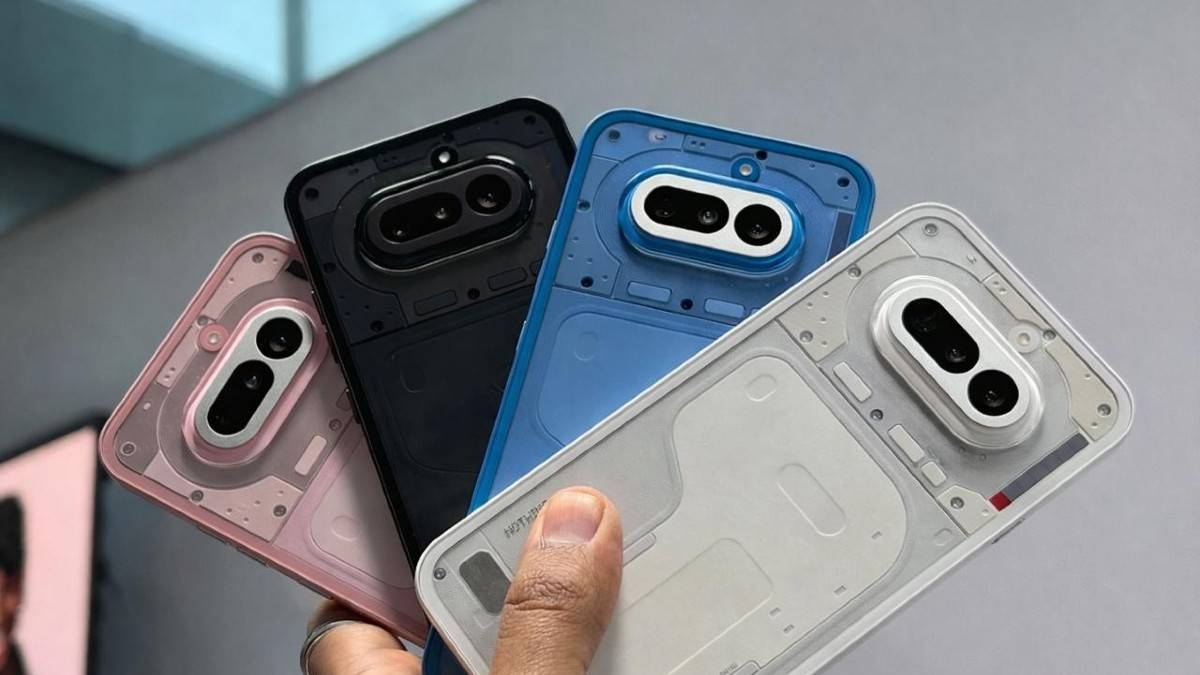
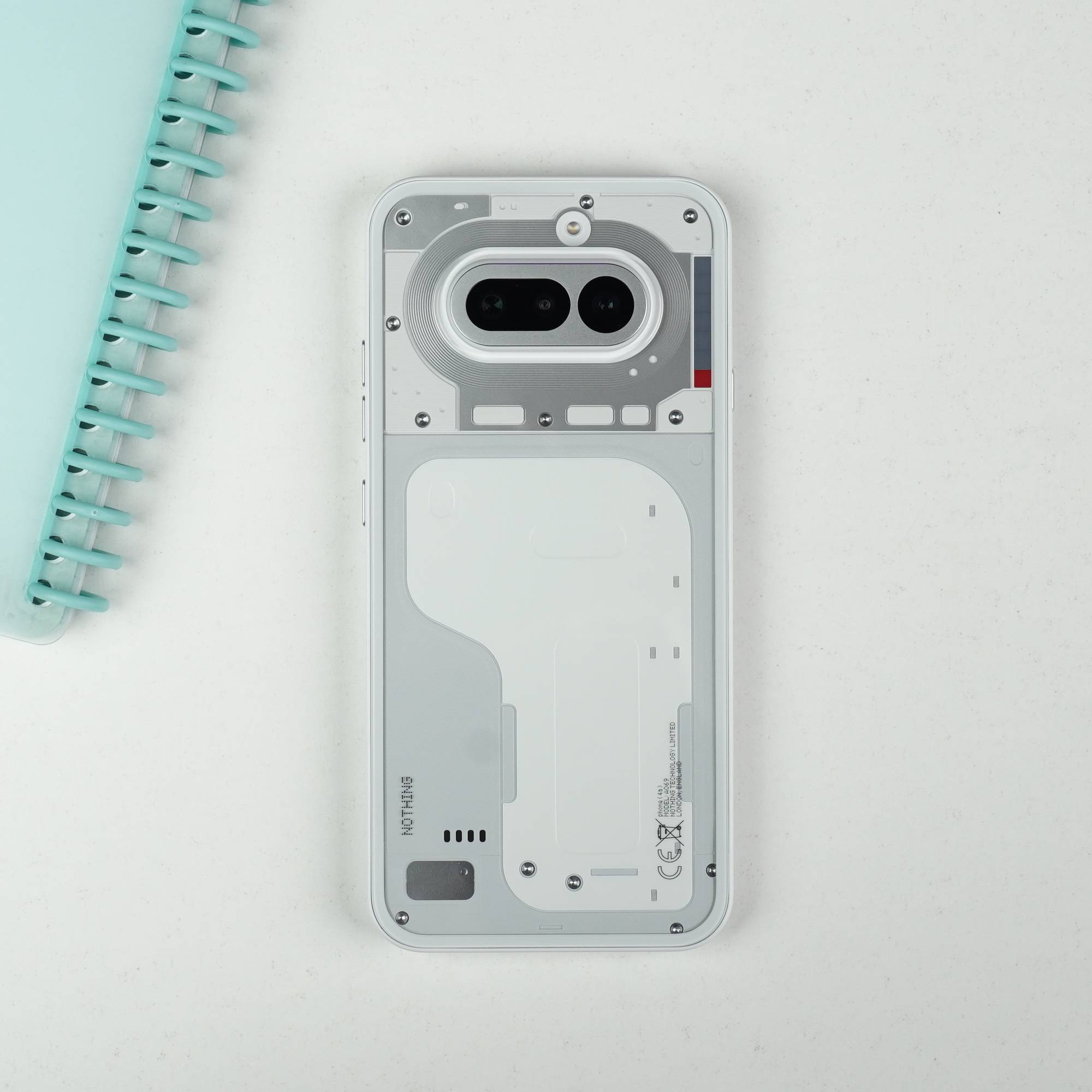
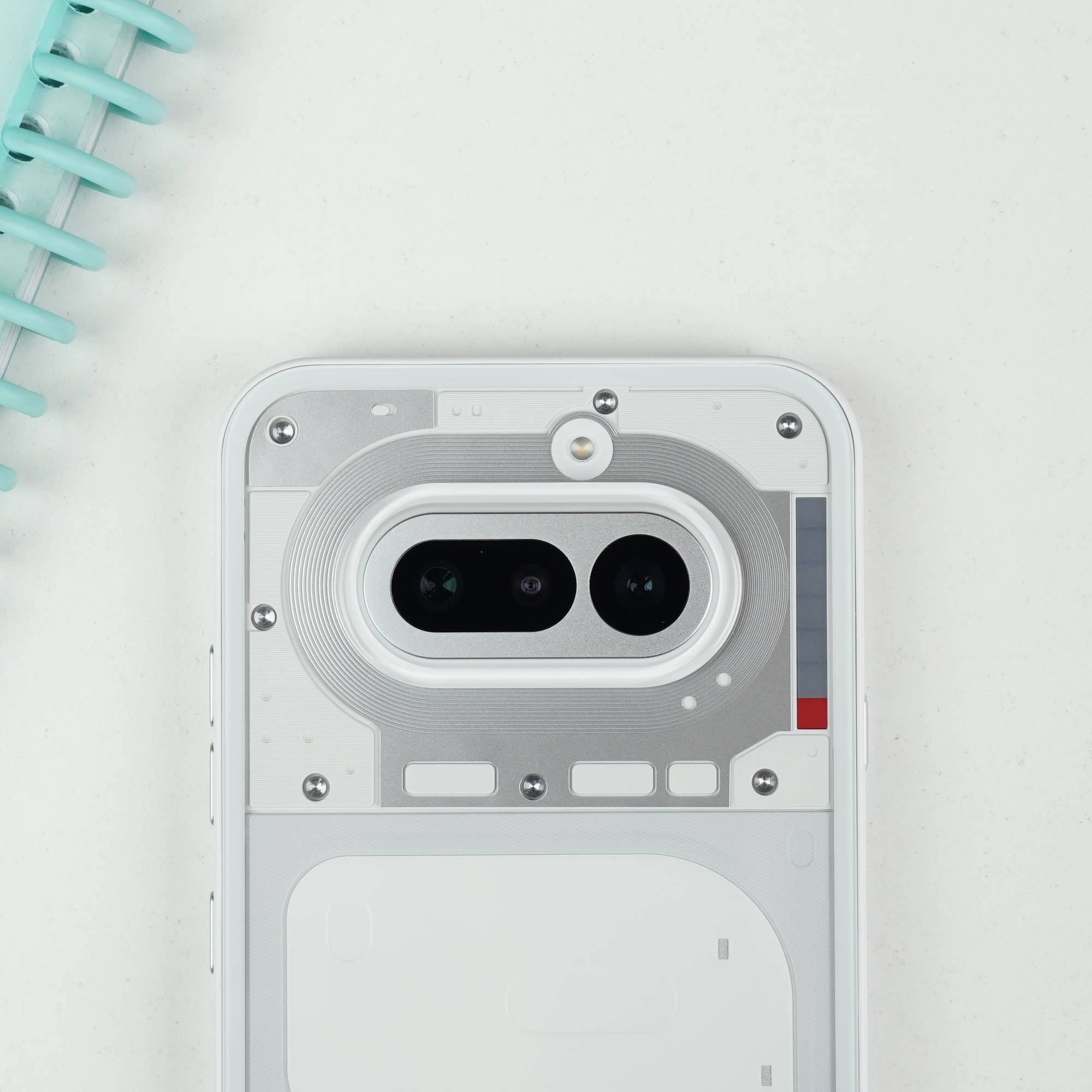
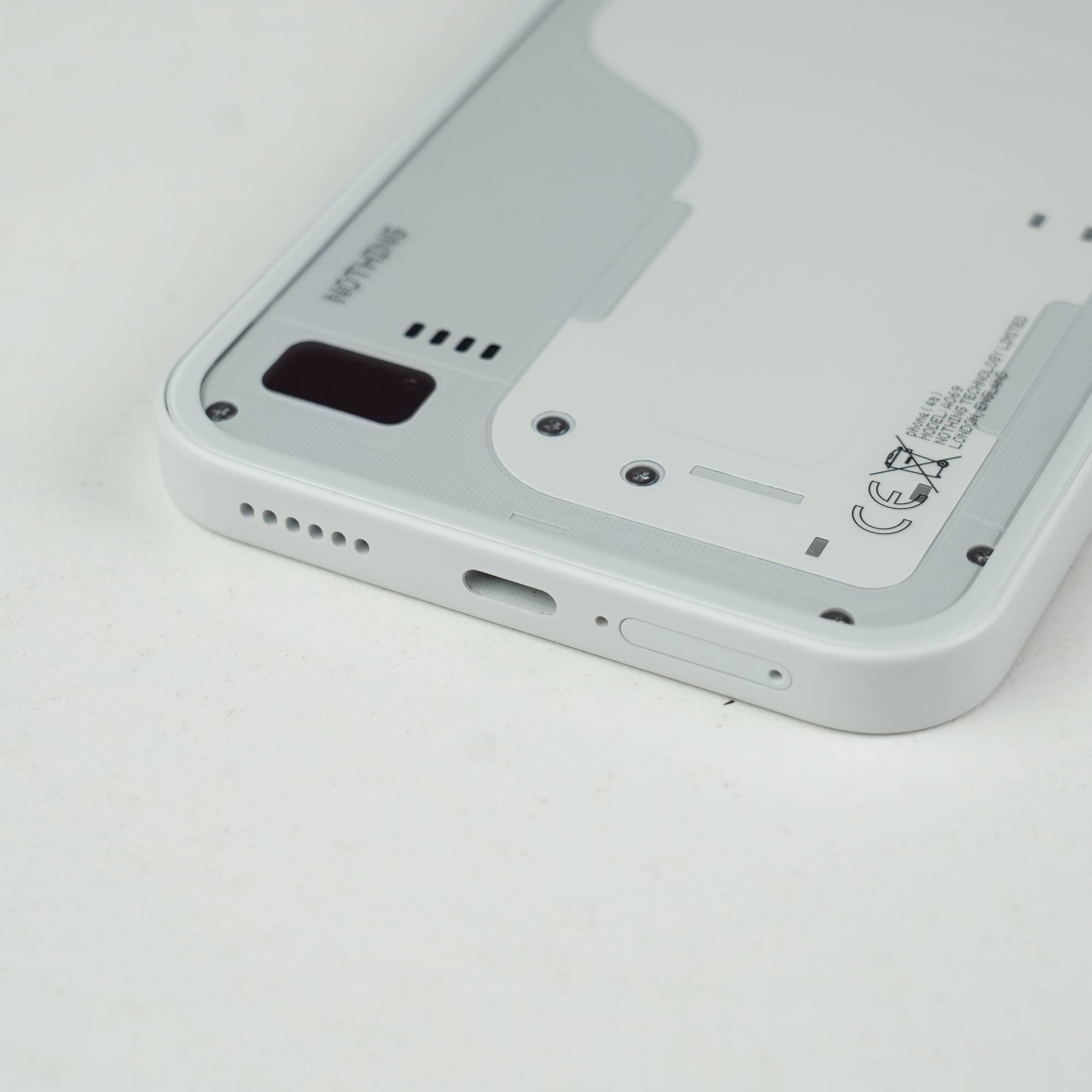
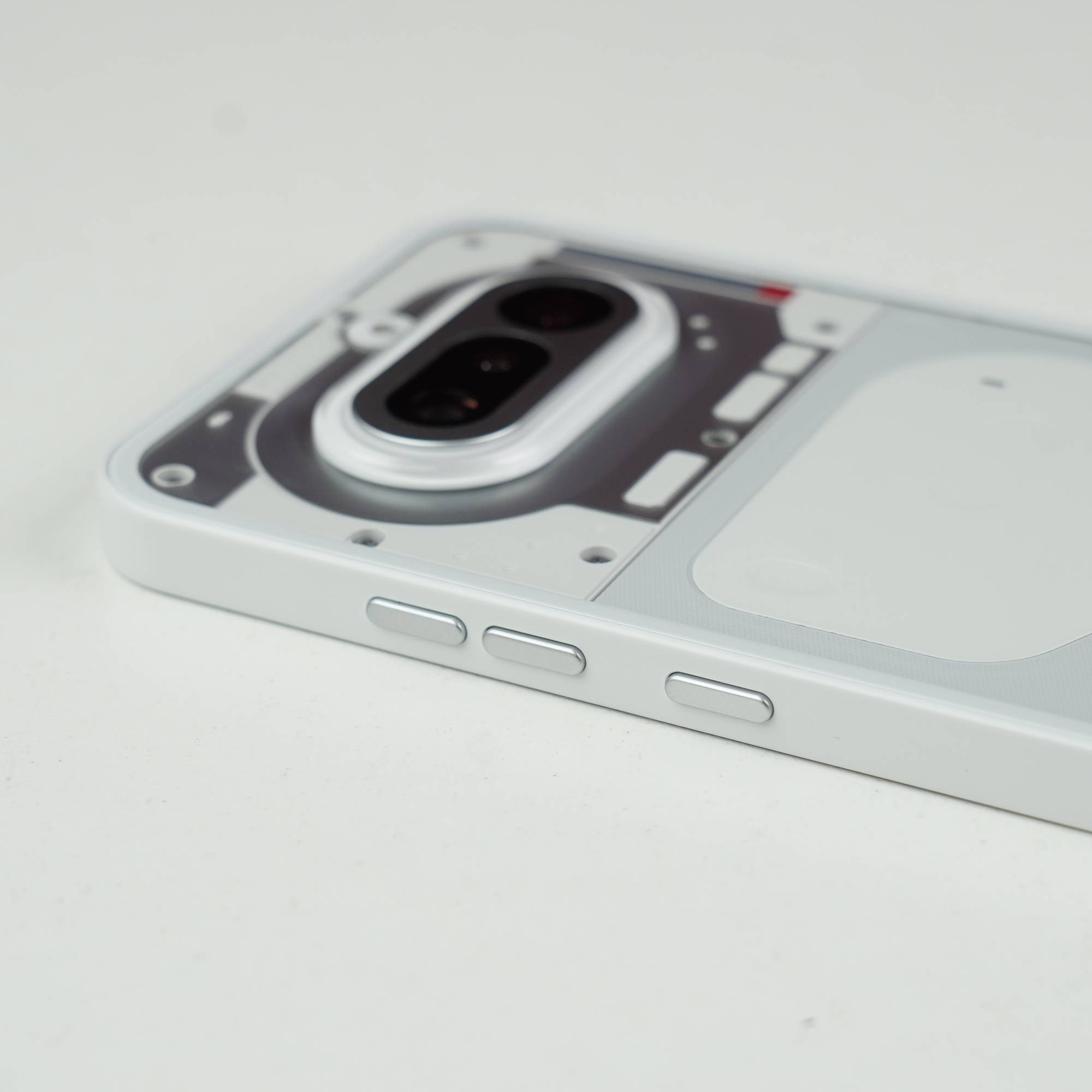
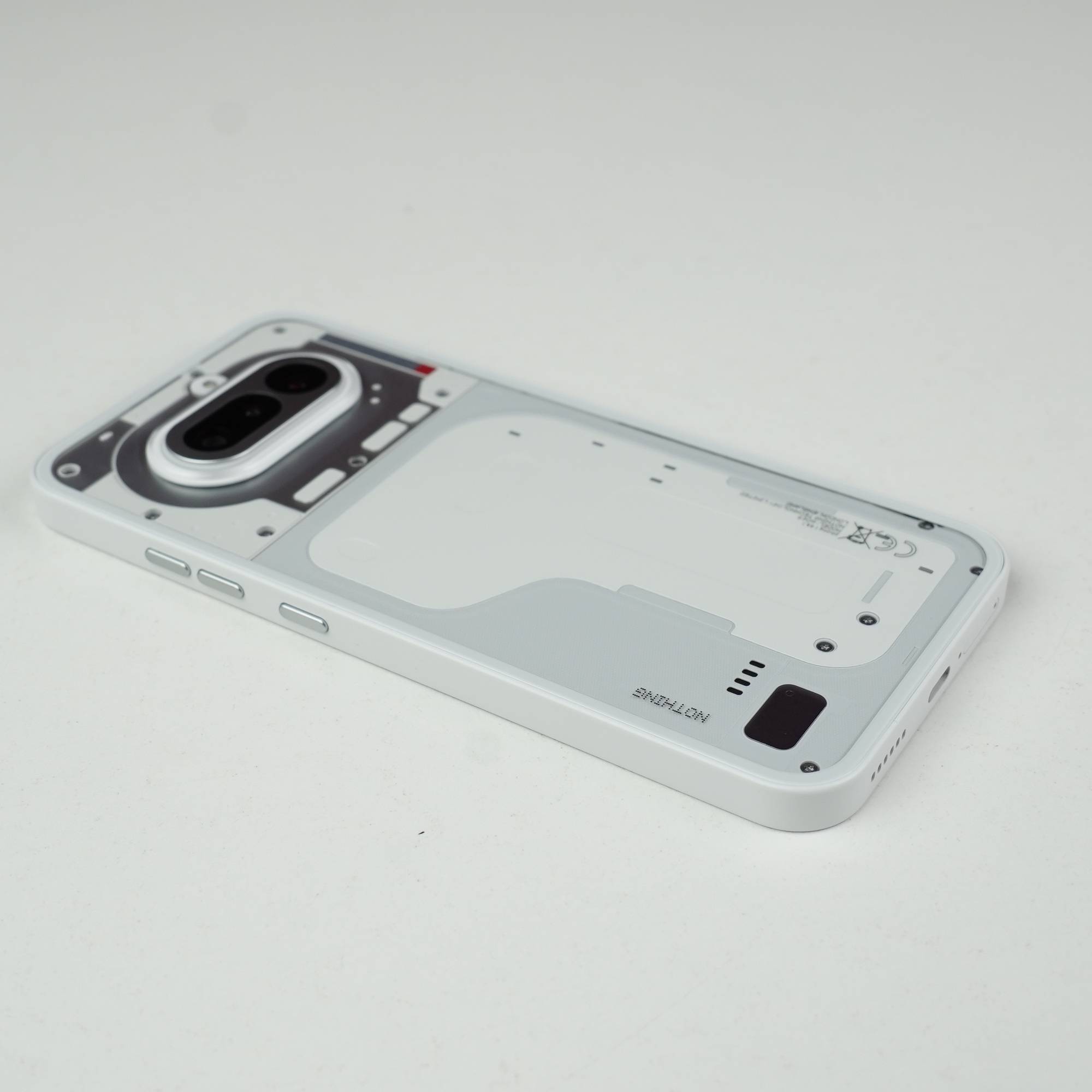
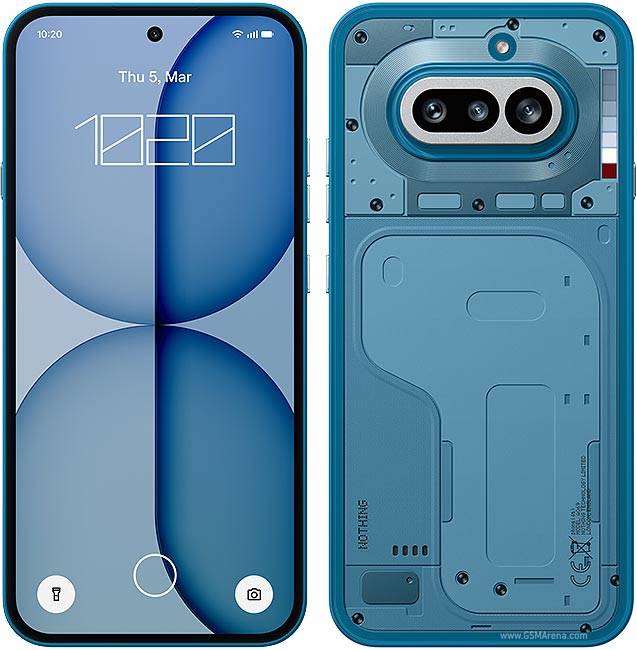
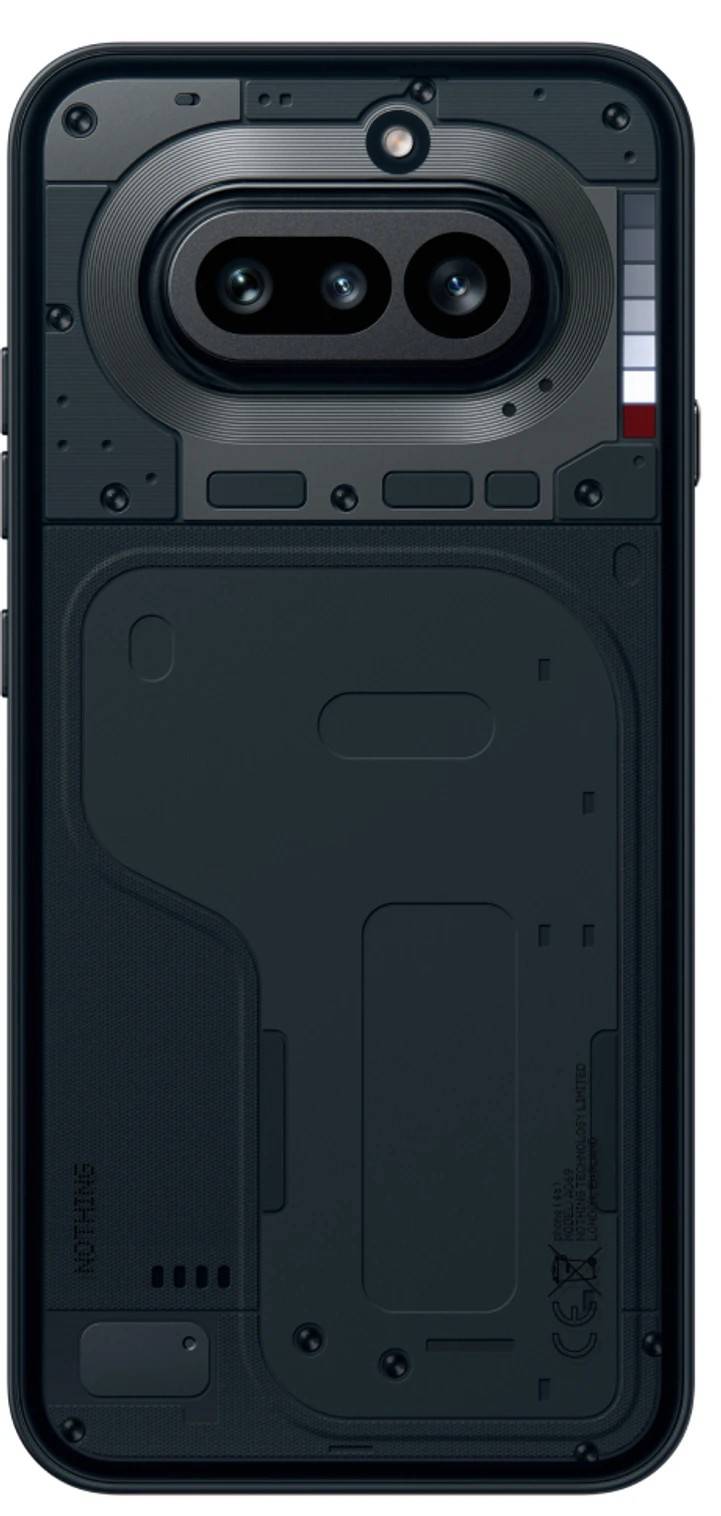
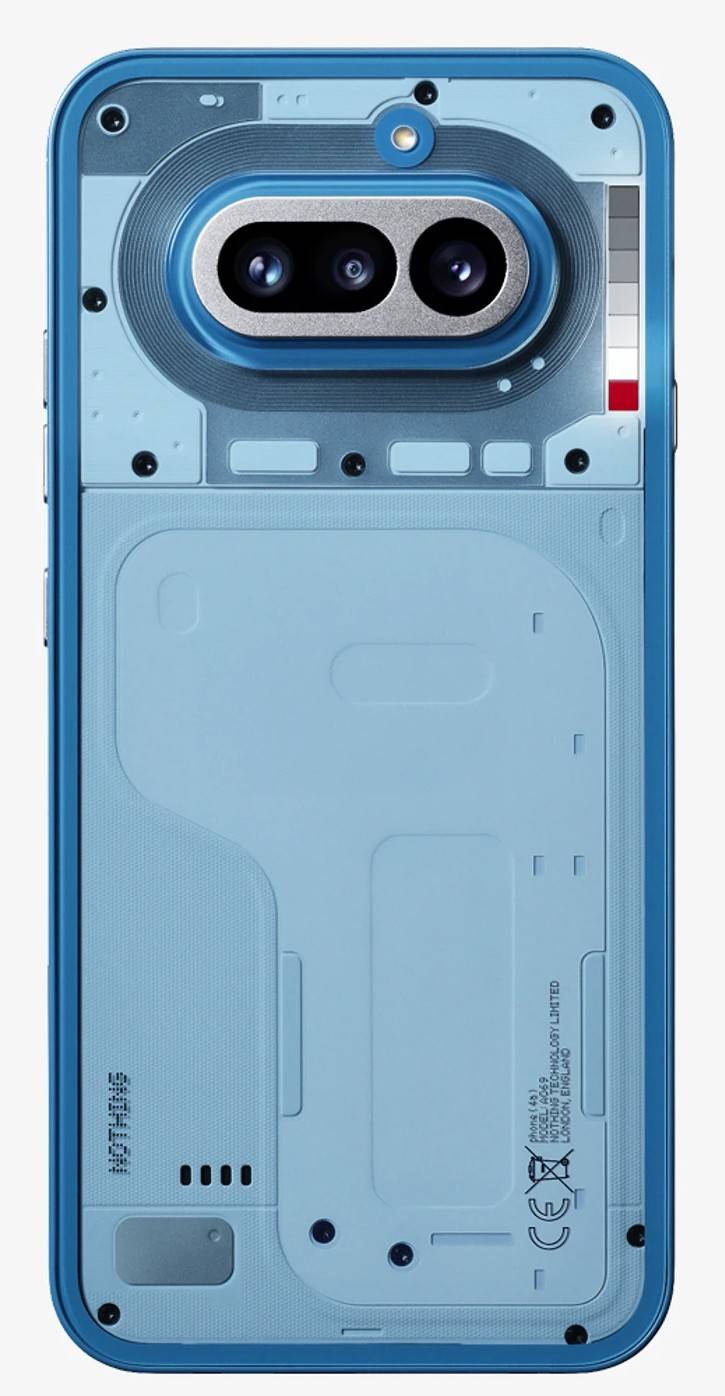
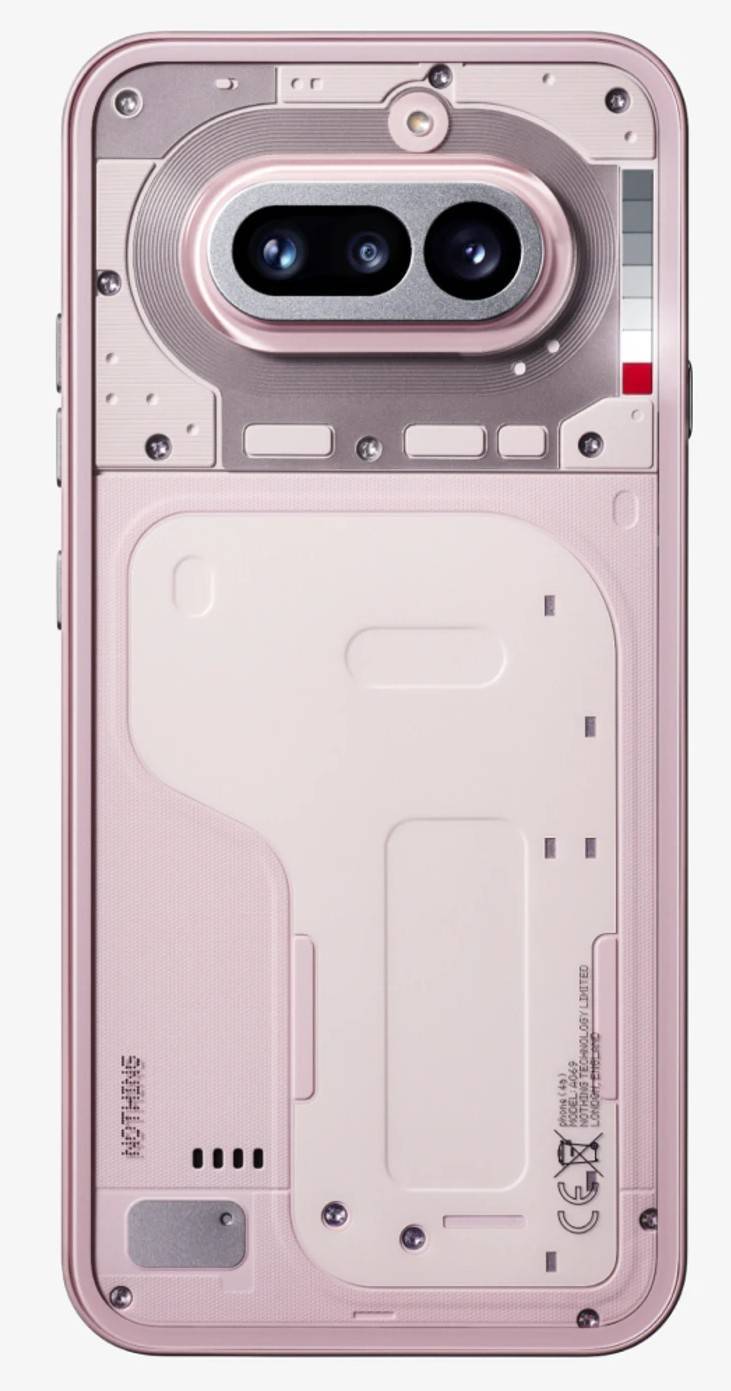
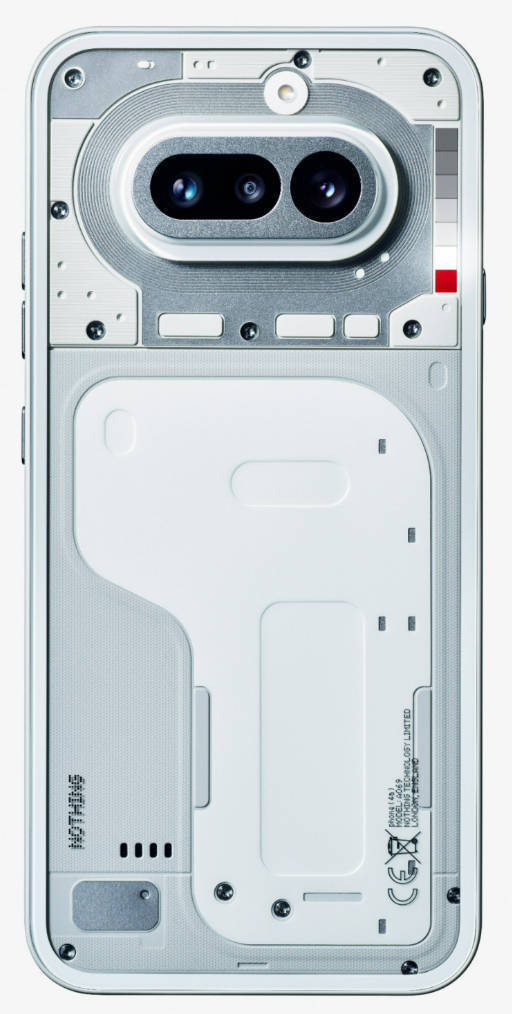
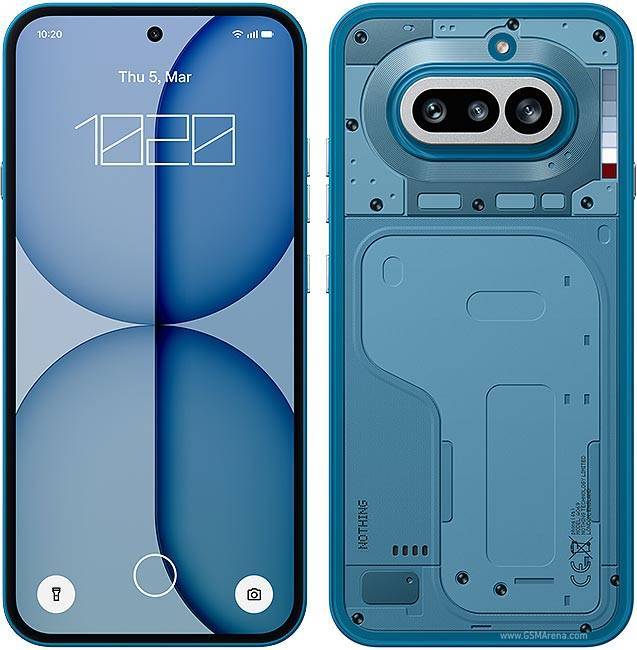
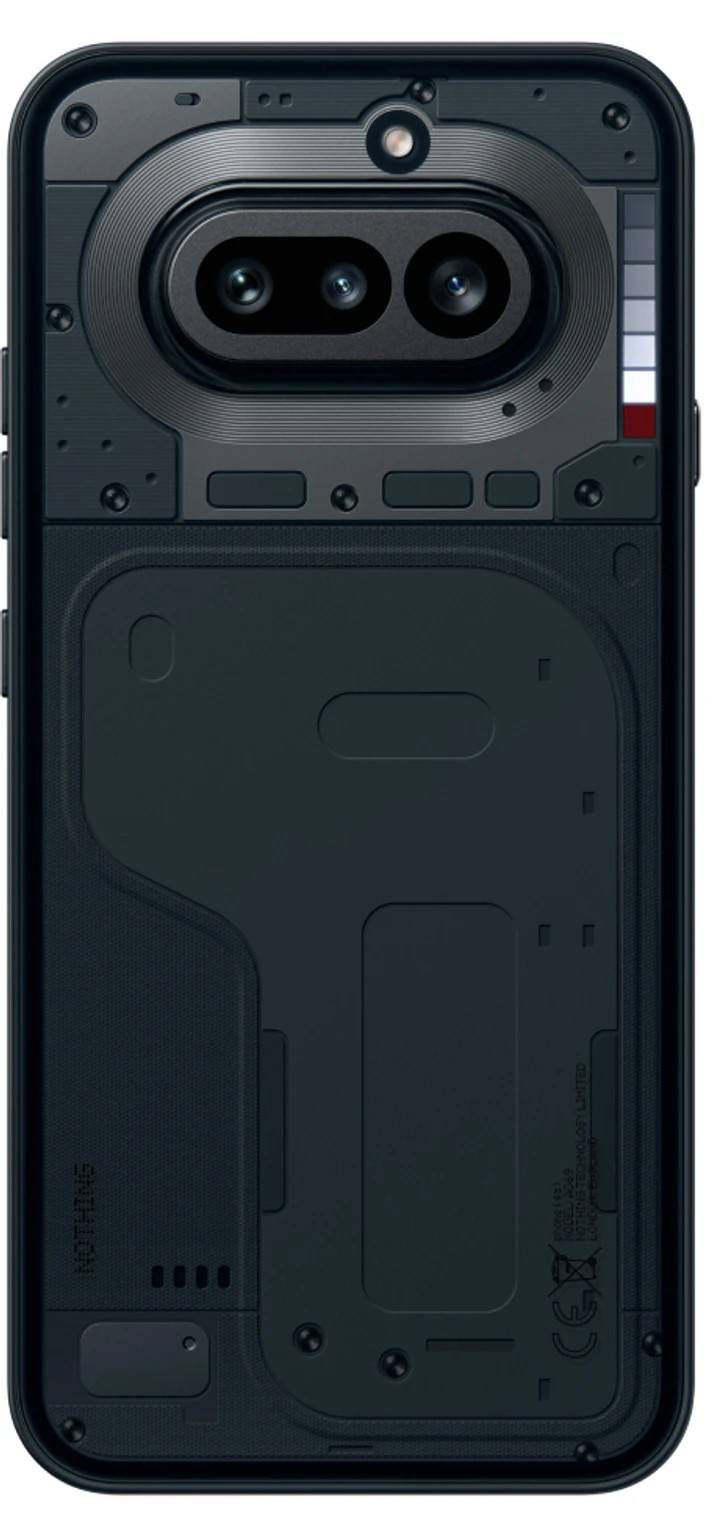
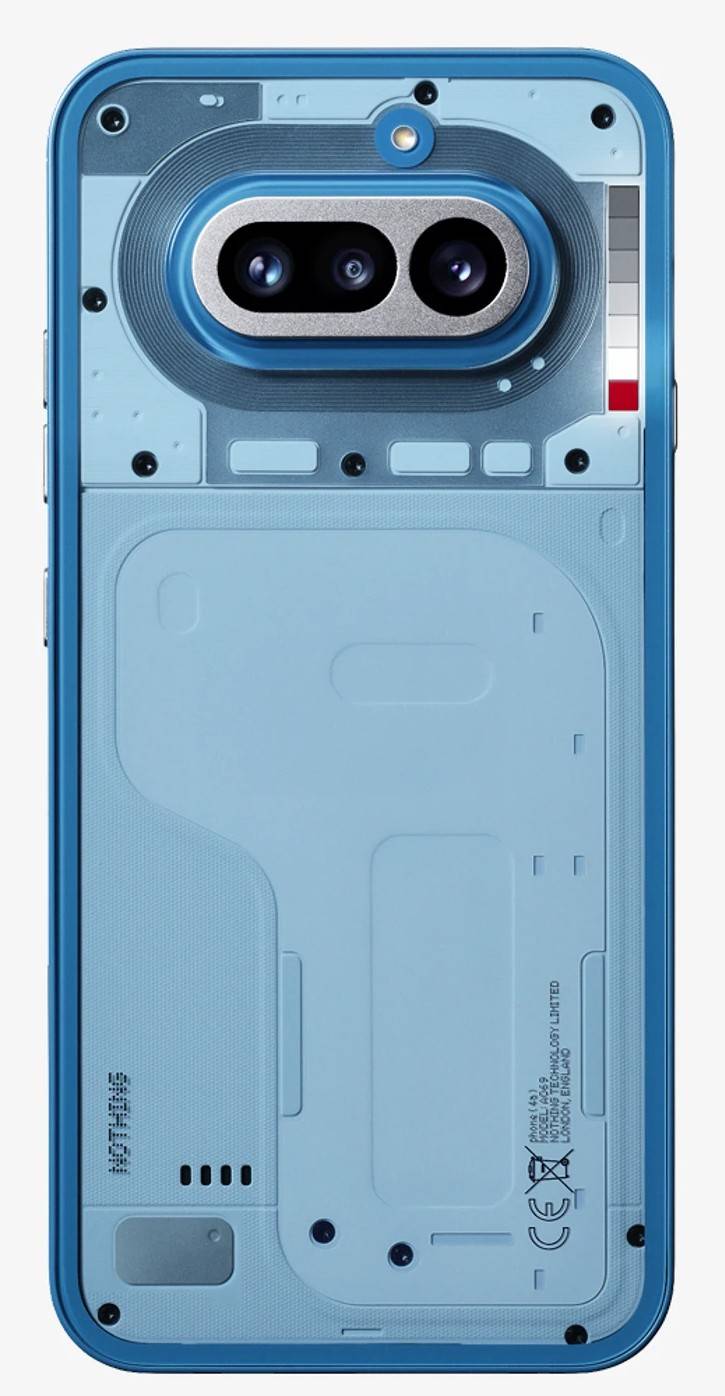
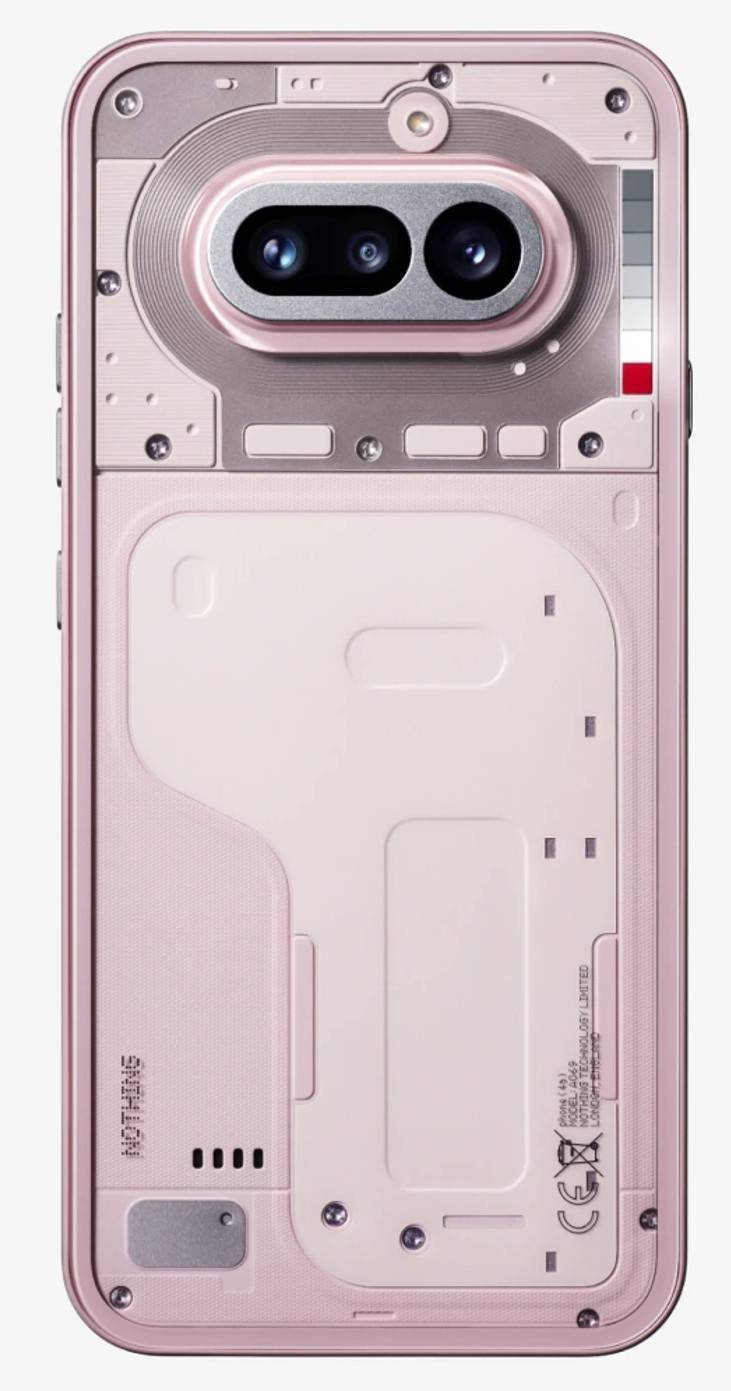
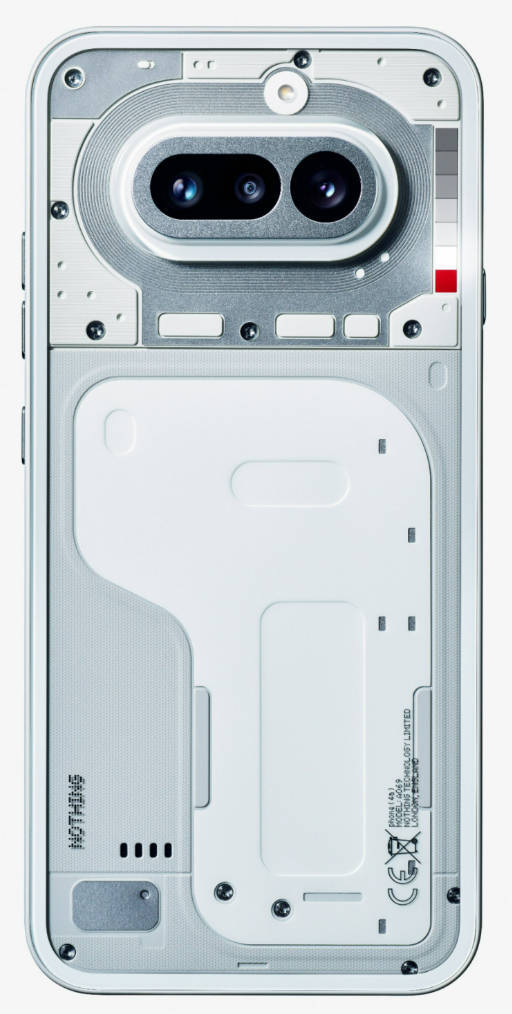
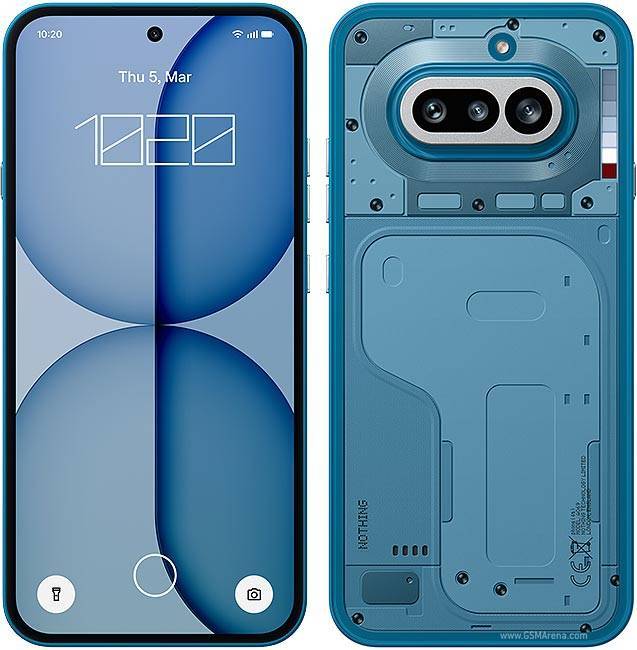
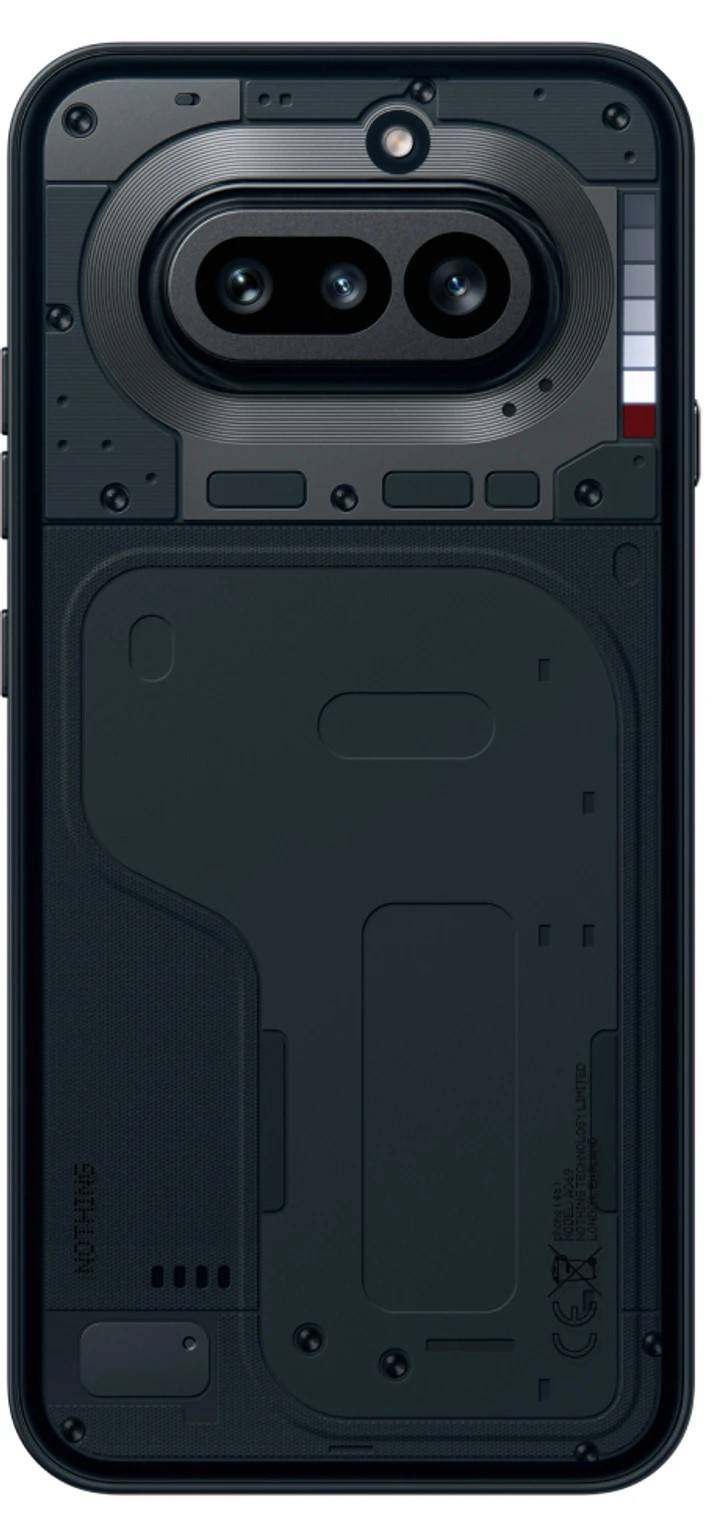
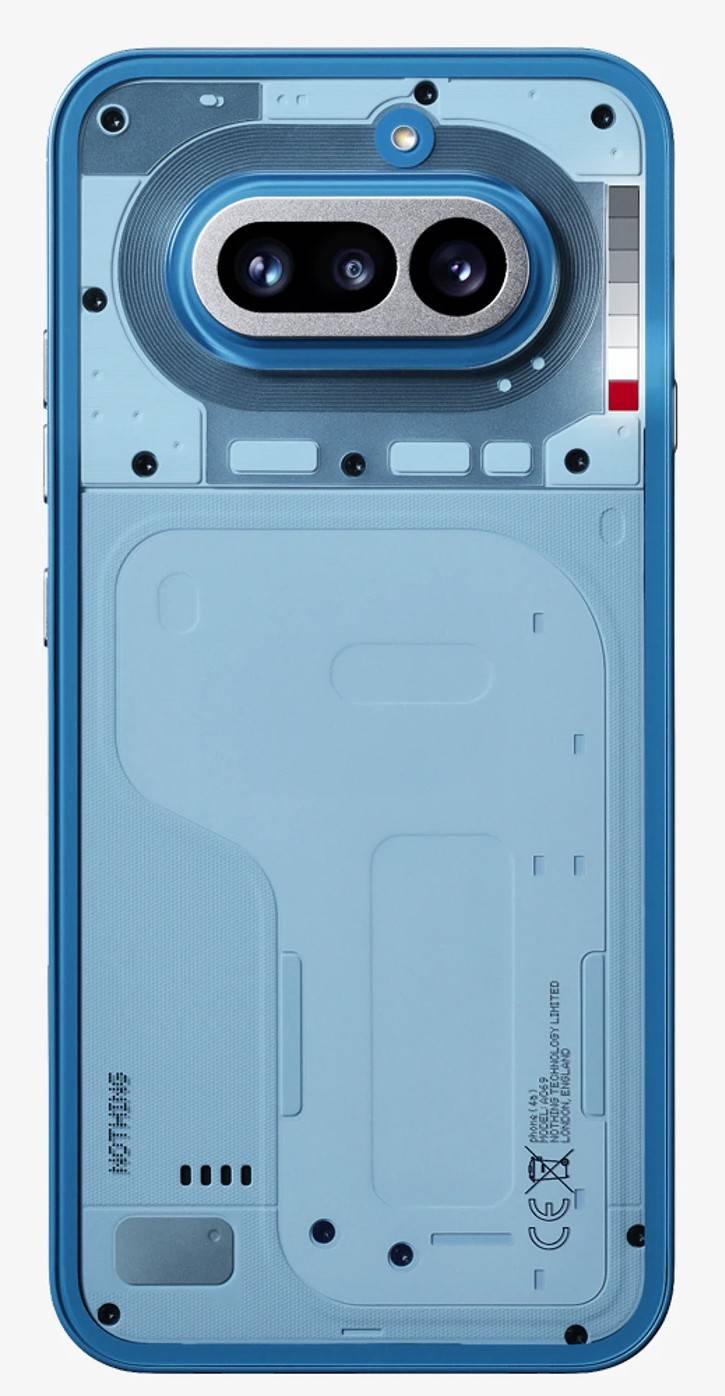
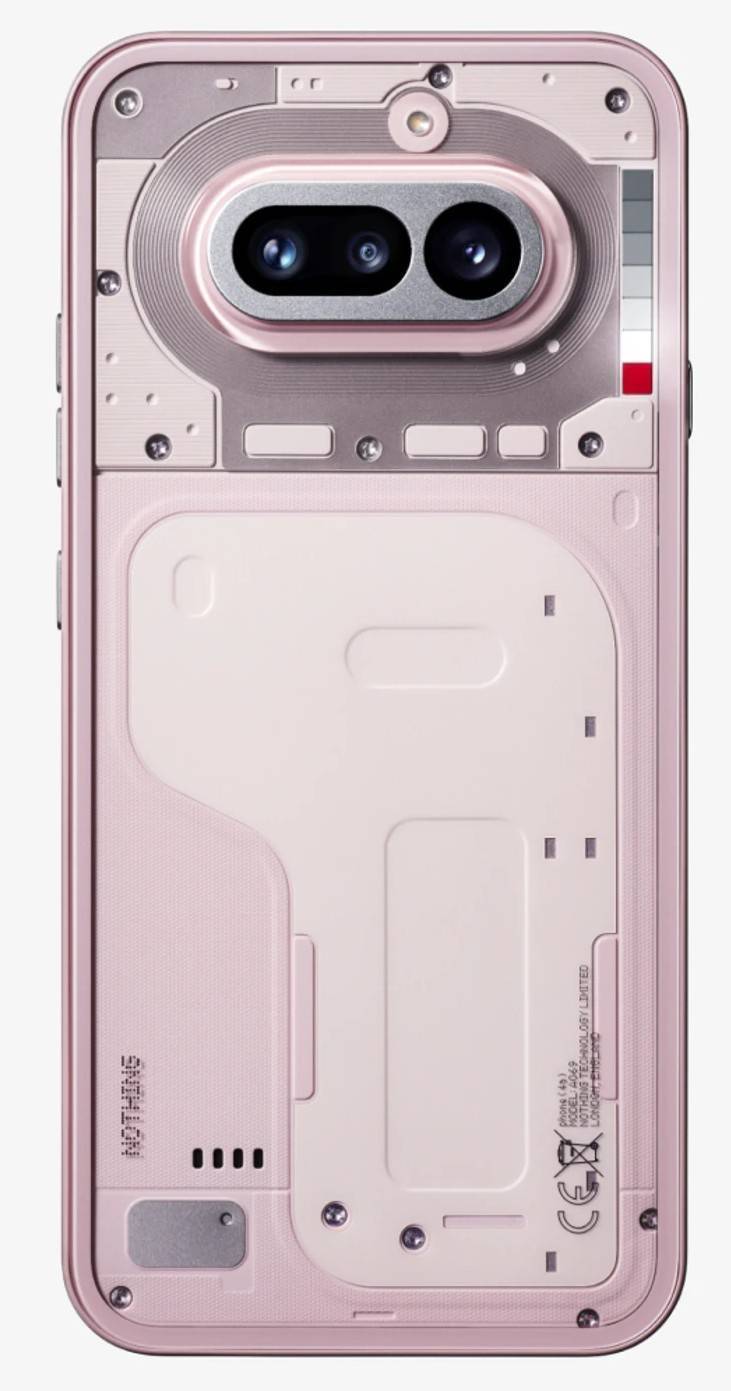
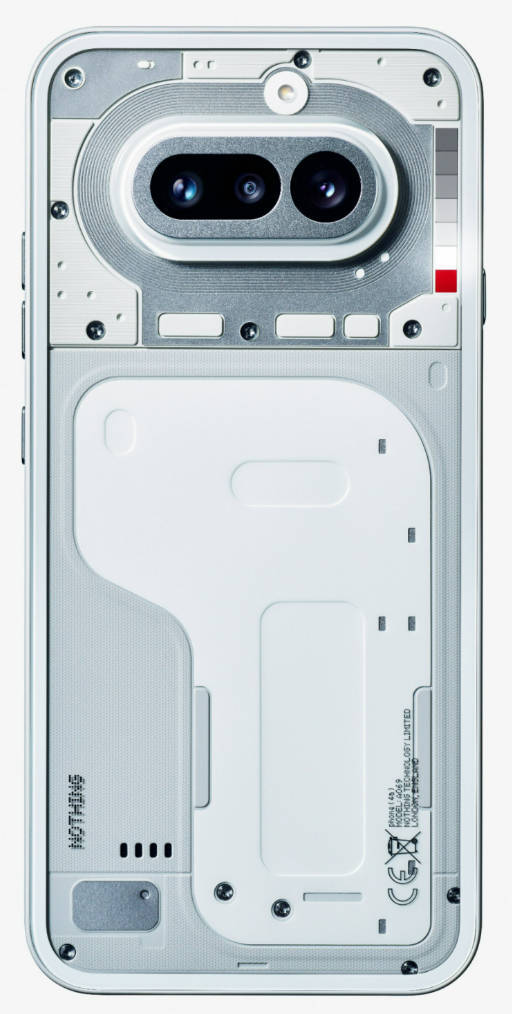
When it comes to design, the Nothing Phone (4a) stands out with its transparent back panel and Glyph Bar, both of which give the device a distinctive look that easily grabs attention. The Glyph Bar, made up of six white LED segments and a red indicator light, isn’t just for aesthetics; it also serves as a visual alert system for notifications, recording status, and more. The smartphone also comes with an interesting Pink colourway, apart from Blue, White, and Black.
The OnePlus Nord 5, on the other hand, takes a more straightforward approach to design and colour options. The back panel features a pill-shaped camera module and the OnePlus logo, without any standout visual elements. That said, the handset does have a matte finish, which does a better job of resisting fingerprints and smudges compared to the Phone (4a). There isn’t a pink colour on this, but you can get the Nord 5 in Dry Ice, Marble Sands, and Phantom Grey colours.
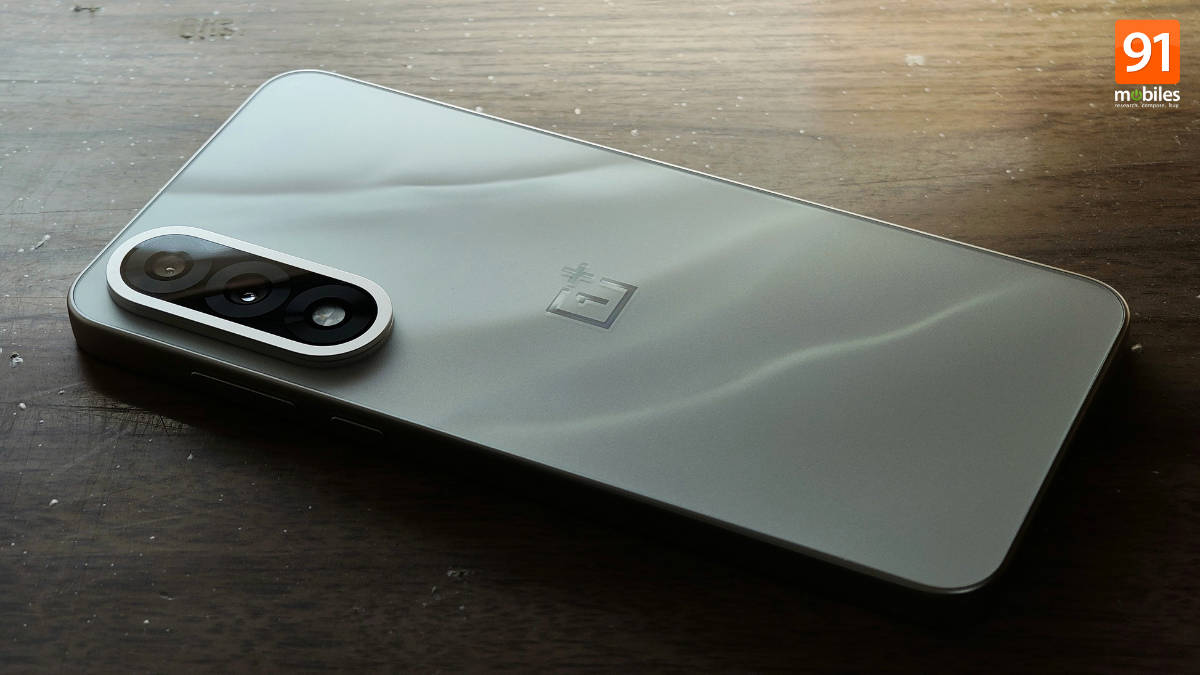
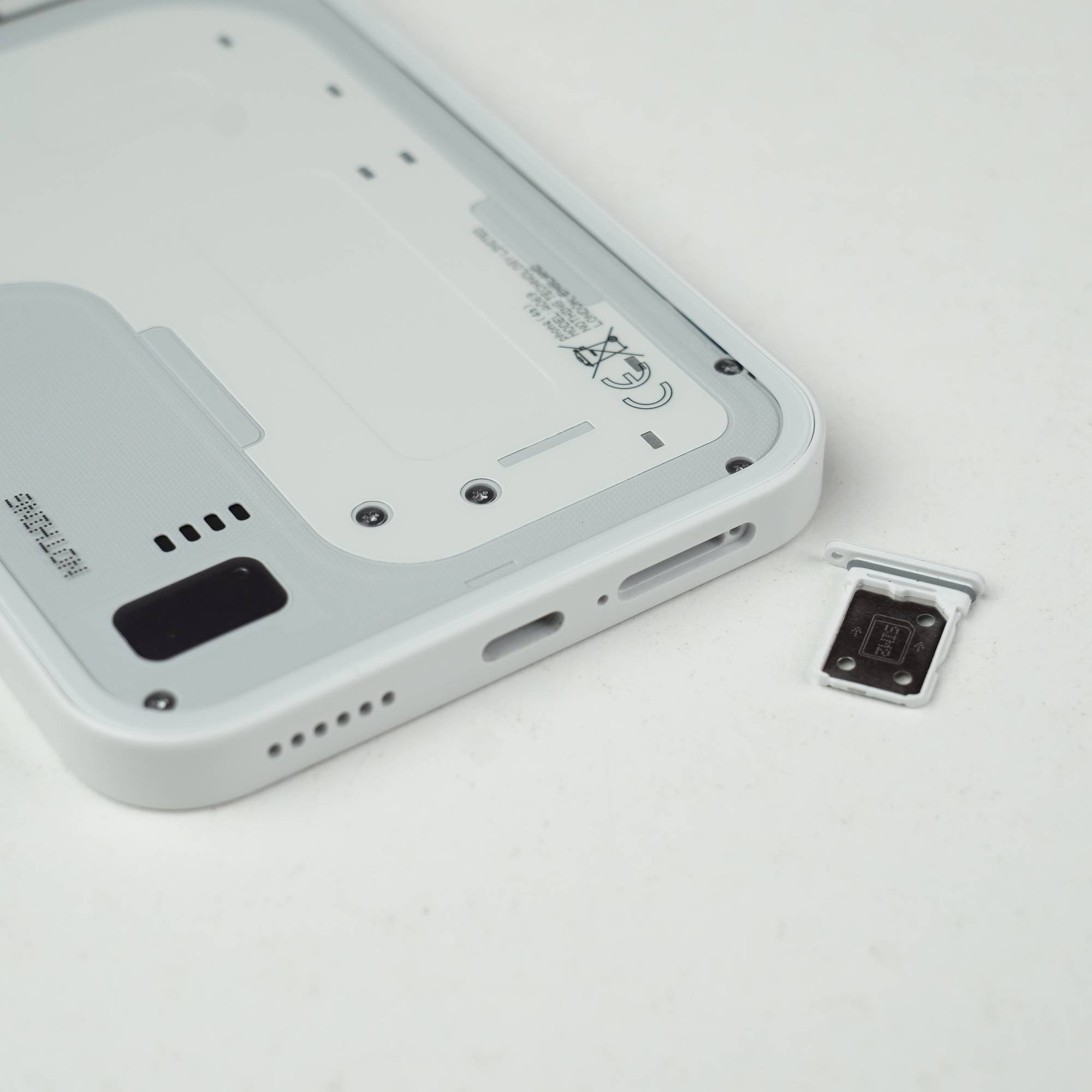
Both smartphones feature a plastic unibody design with flat edges and offer a similar level of overall durability. The only real difference lies in their IP ratings; the OnePlus Nord 5 is rated IP65, while the Nothing Phone (4a) comes with an IP64 rating.
In terms of size, the two devices are nearly identical and far from compact. However, the Phone (4a) is around 7 grams lighter than the Nord 5, which weighs 211 grams. In practice, however, this is a minor difference and unlikely to have any noticeable impact in day-to-day use.
One gets a brighter display, the other smoother
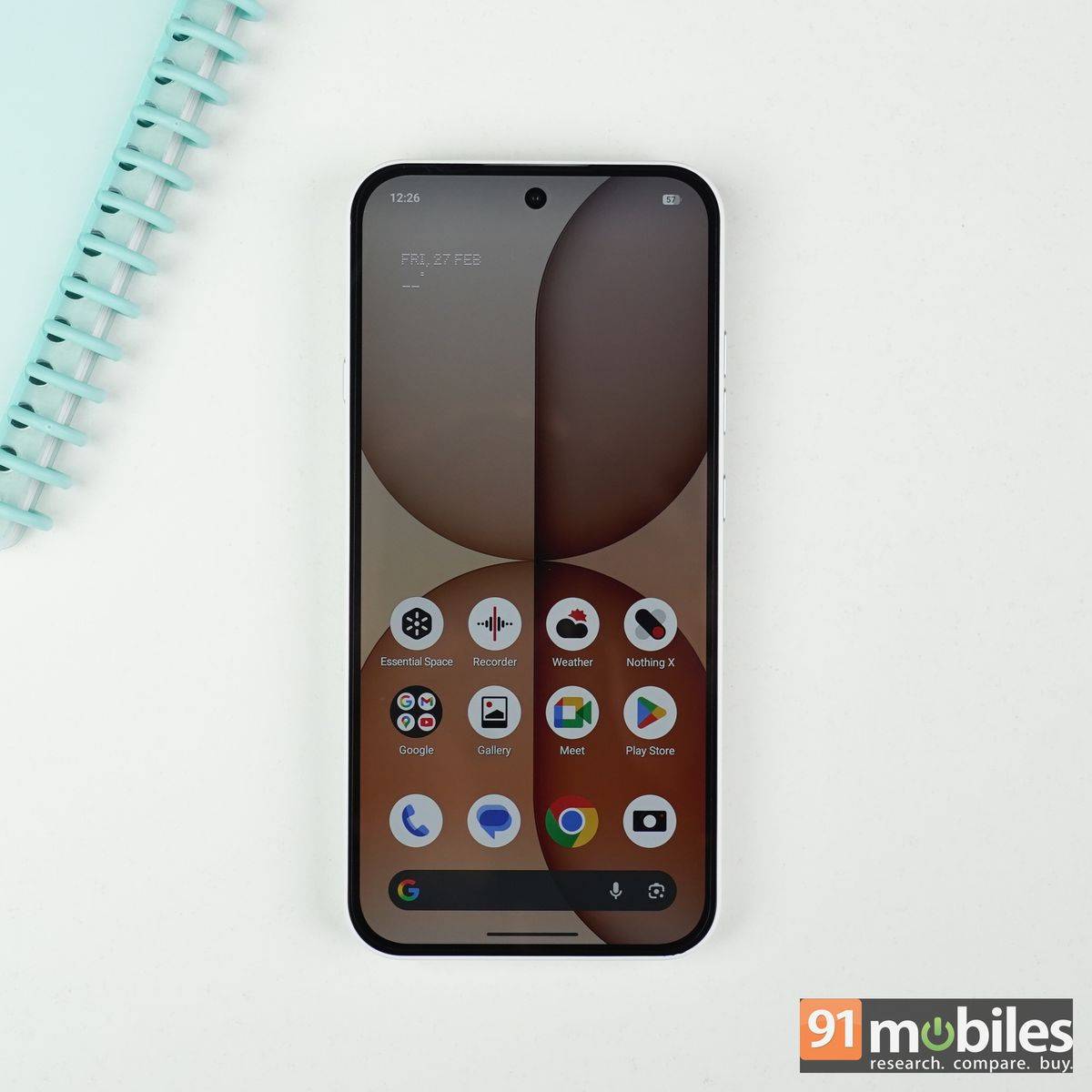
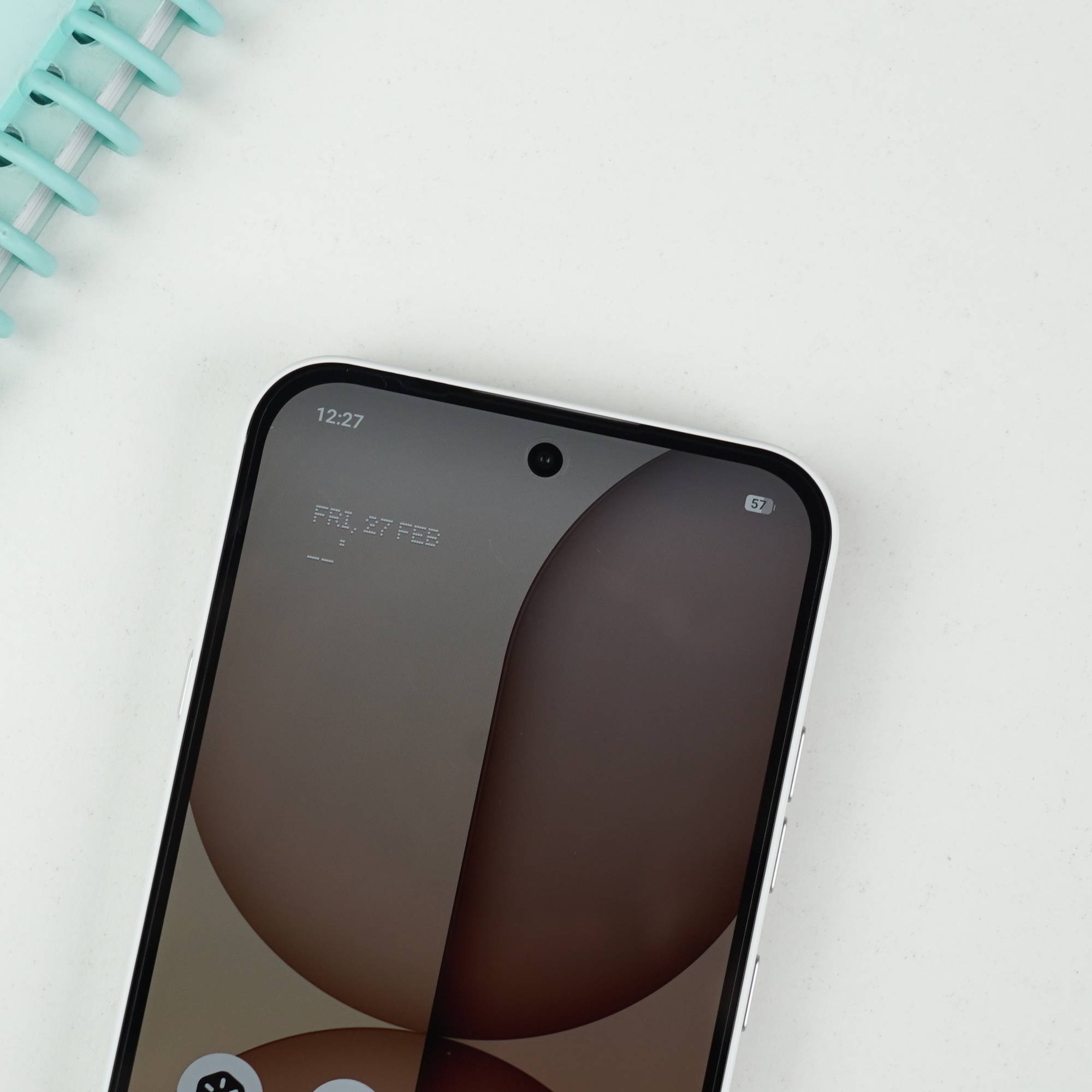
The Nothing Phone (4a) sports a 6.73-inch AMOLED display with 1.5K resolution, a 120Hz adaptive refresh rate, HDR10+ support, and up to 4,500 nits peak brightness. The OnePlus Nord 5, meanwhile, offers a slightly larger 6.83-inch panel with a 144Hz refresh rate. While the higher refresh rate isn’t drastically noticeable in everyday use, it can make animations and scrolling feel a bit smoother than on the Phone (4a).
That said, the Nord 5’s peak brightness is capped at 1,800 nits, which could impact visibility outdoors, especially under harsh sunlight. In such situations, the Nothing Phone (4a) may have a slight advantage thanks to its higher brightness output.
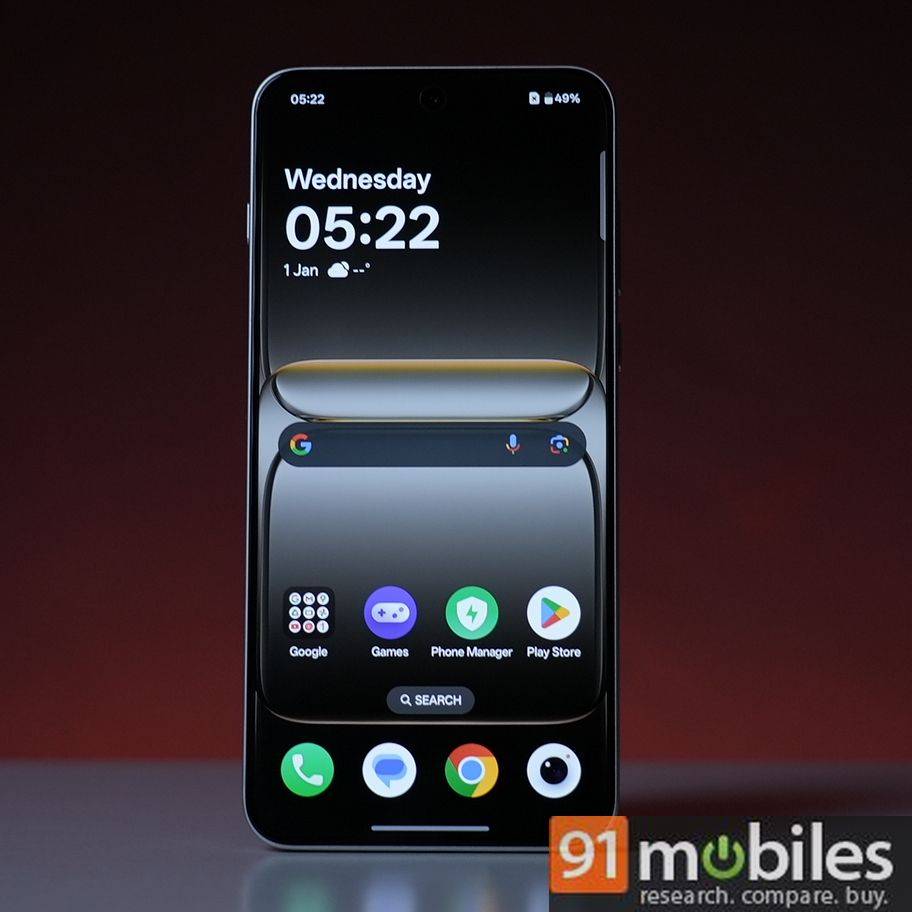
Indoors, however, both phones deliver a very similar viewing experience with deep blacks, vibrant colours, and good dynamic range. To complement the visuals, both devices also feature stereo speakers for a more immersive multimedia experience.
Versatile or non-versatile camera setup
The Nothing Phone (4a) might be a better choice for camera enthusiasts. The handset boasts a triple camera setup, comprising 50MP primary, 8MP ultrawide, and 50MP telephoto lenses. The front camera is a 32MP sensor for selfies and video calling. The handset may struggle with inconsistent HDR processing at times, but the results appear close to accurate.
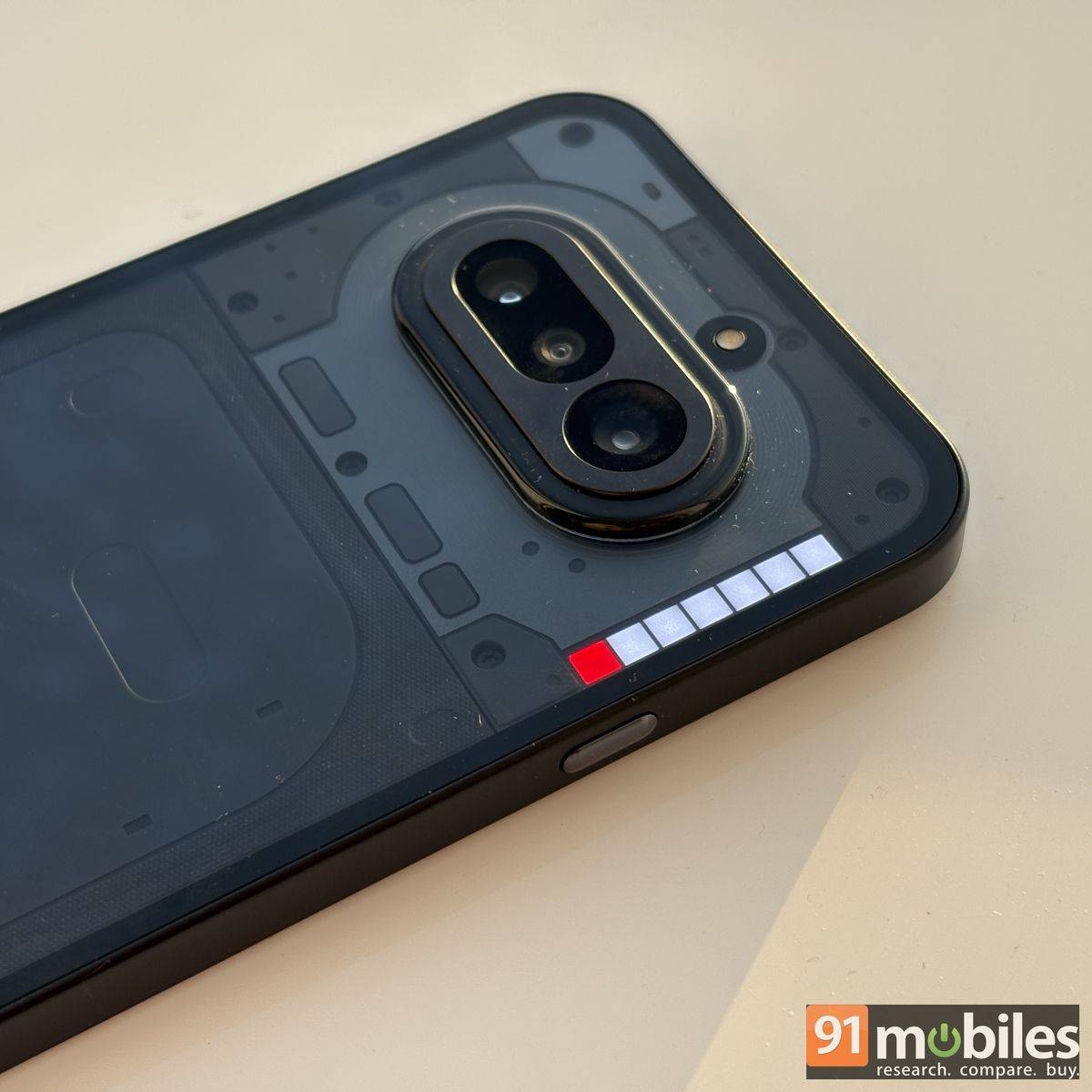
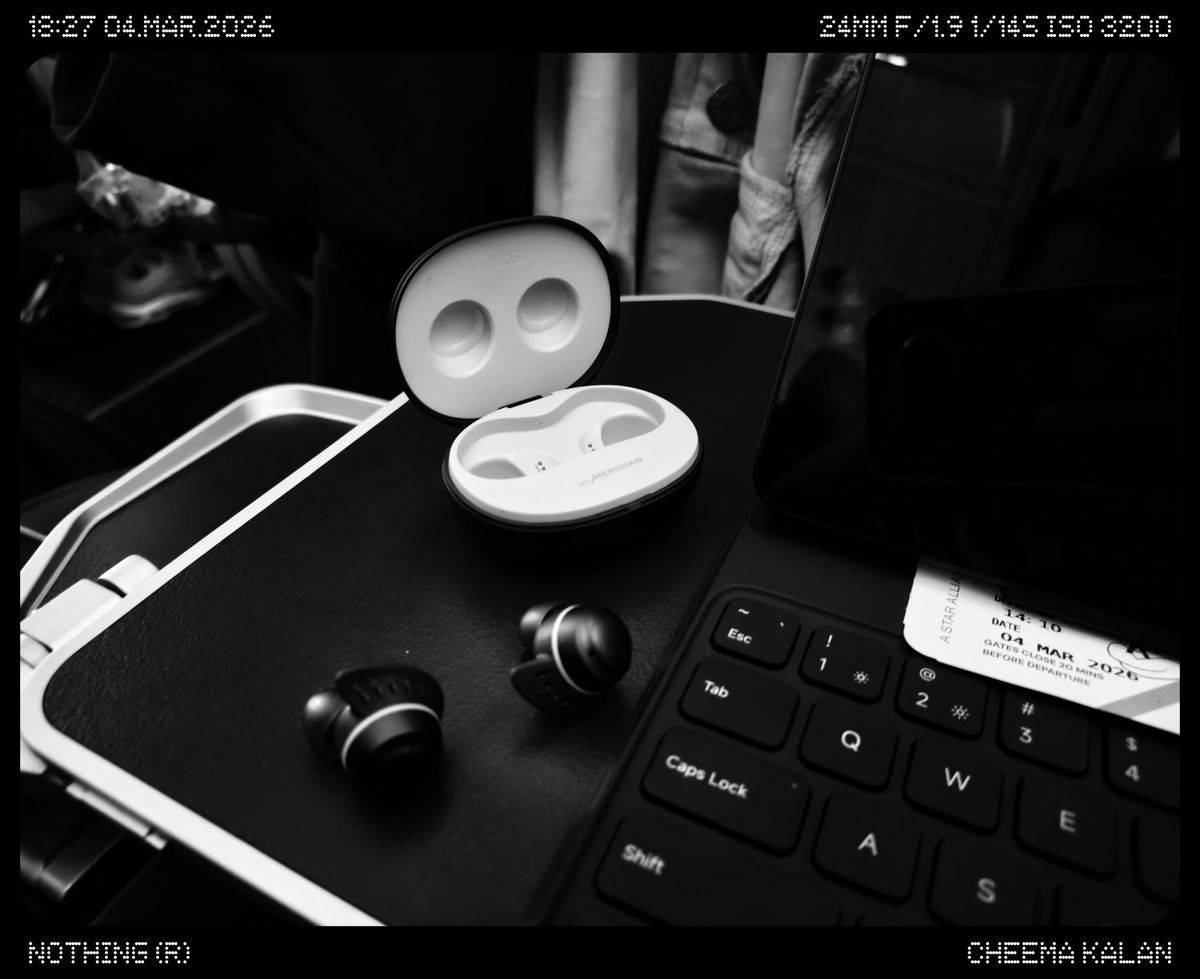
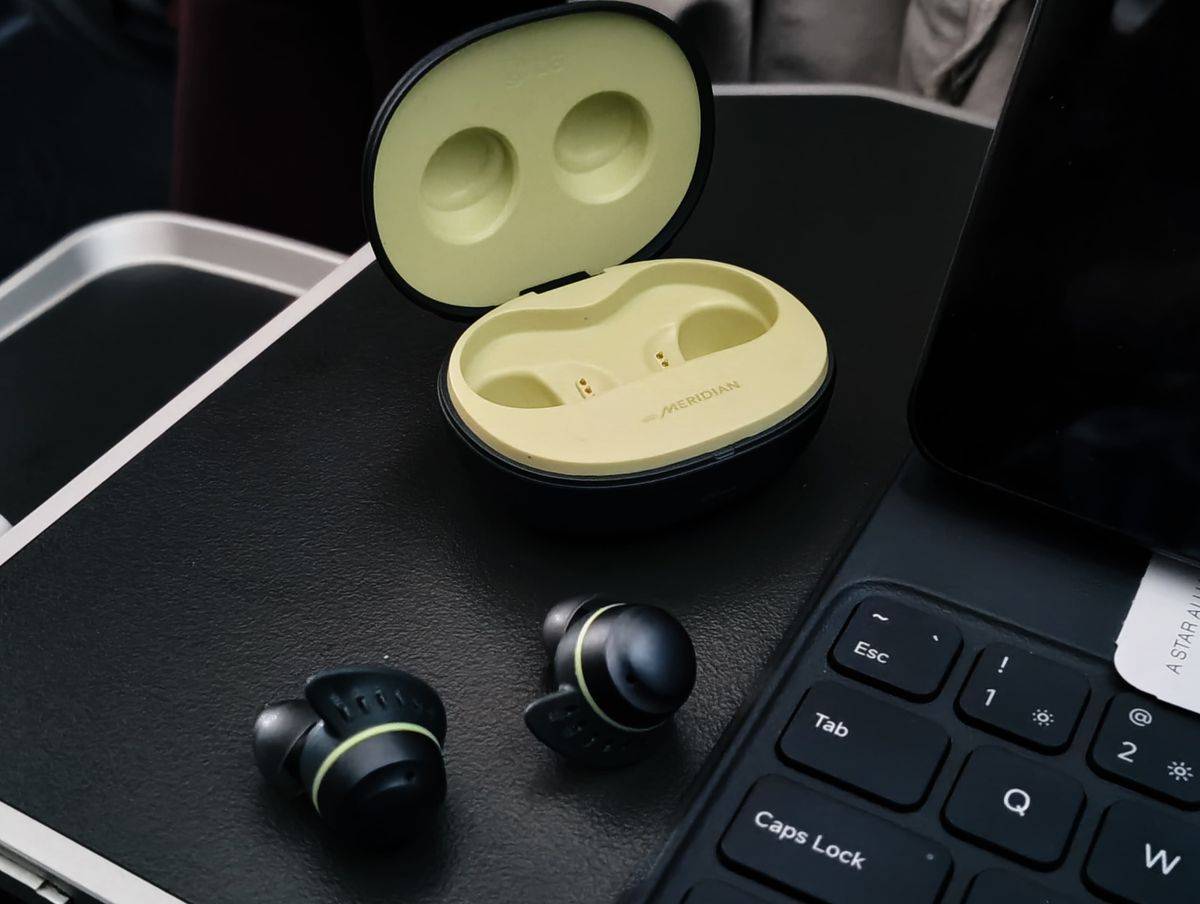
A software update could help the phone capture better detail and improved dynamic range from its primary and selfie cameras, but the telephoto lens is the real highlight here. The sensor delivers portraits with respectable detail, good edge detection, and a natural-looking bokeh effect. It can also shoot macro shots at up to 7x and extend to 70x zoom for distant subjects, with a bit of AI processing helping enhance the final image. That said, shots at 70x won’t always be impressive, as image quality can vary depending on lighting and distance.







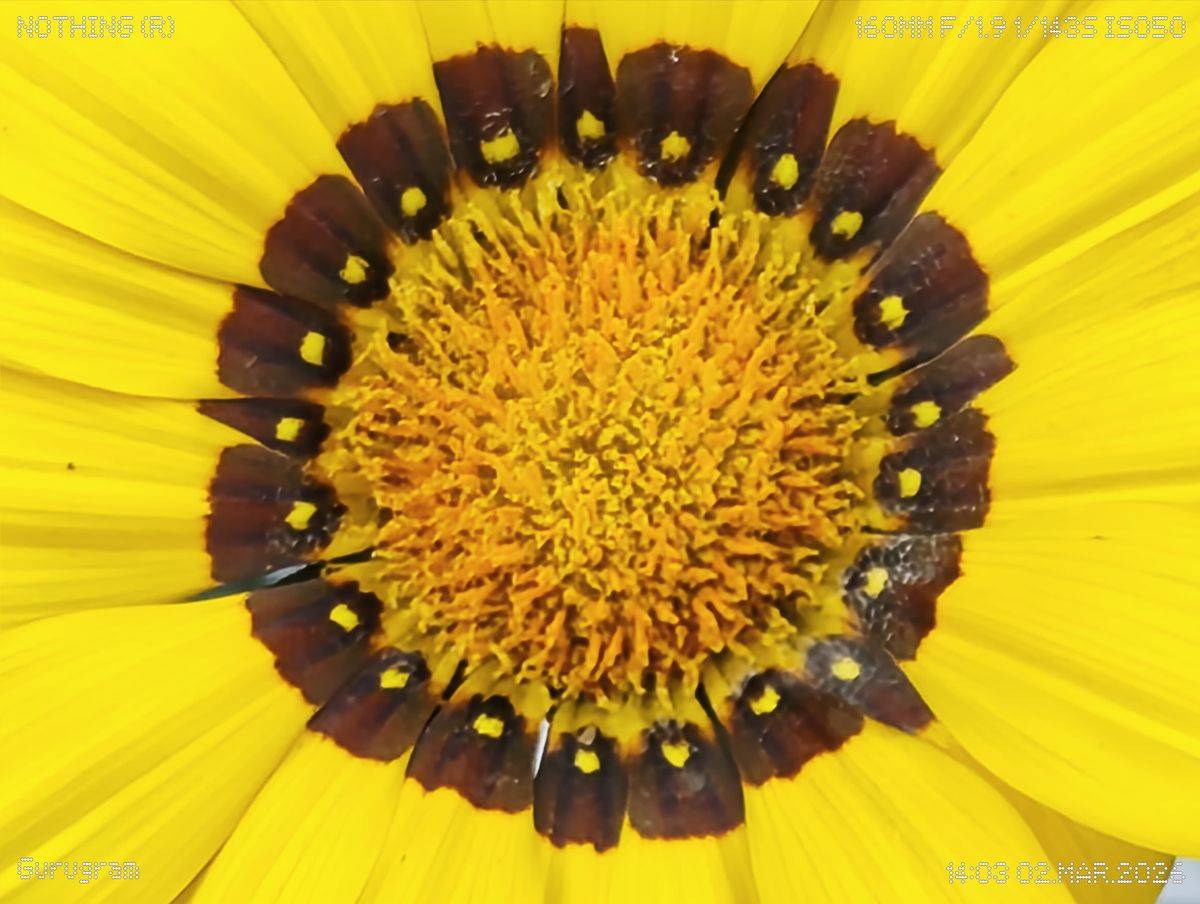
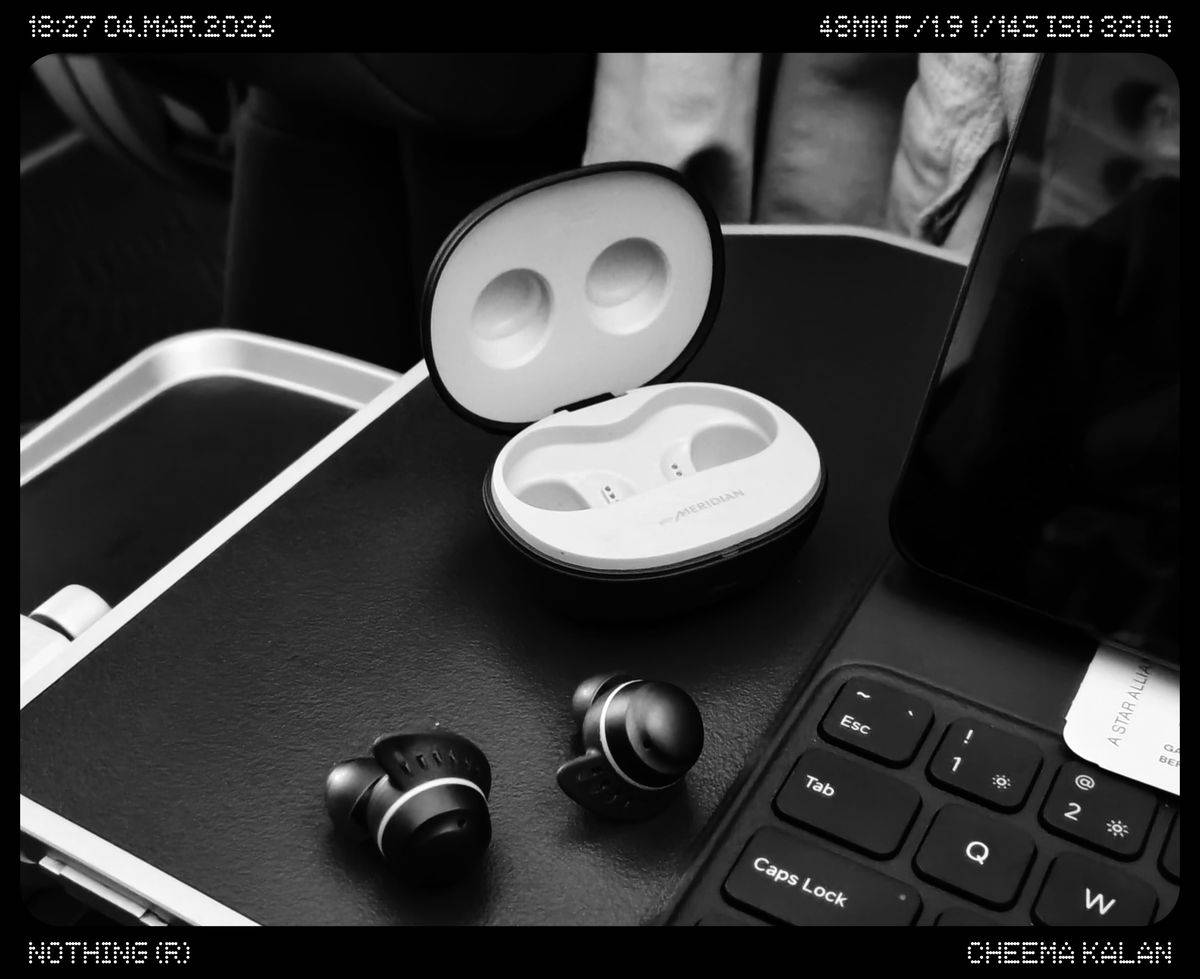

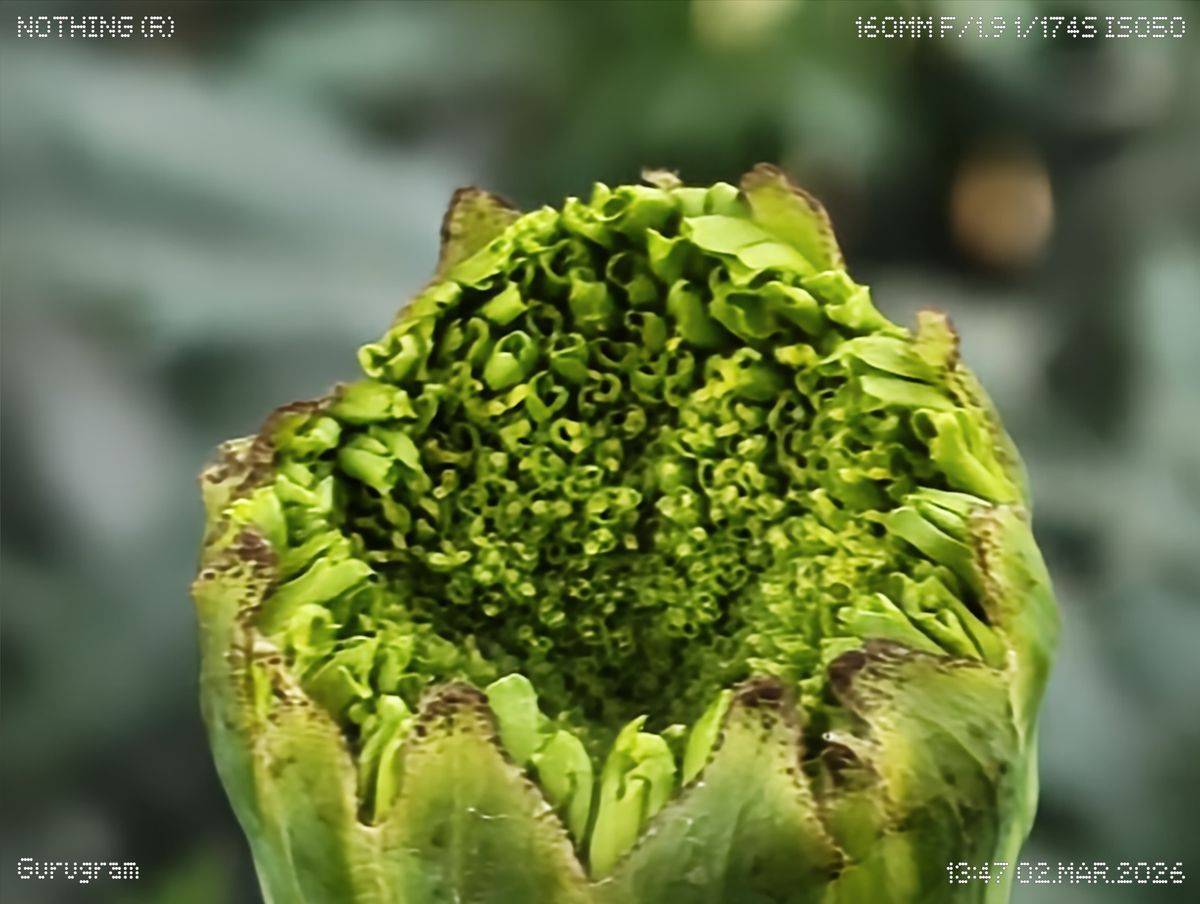
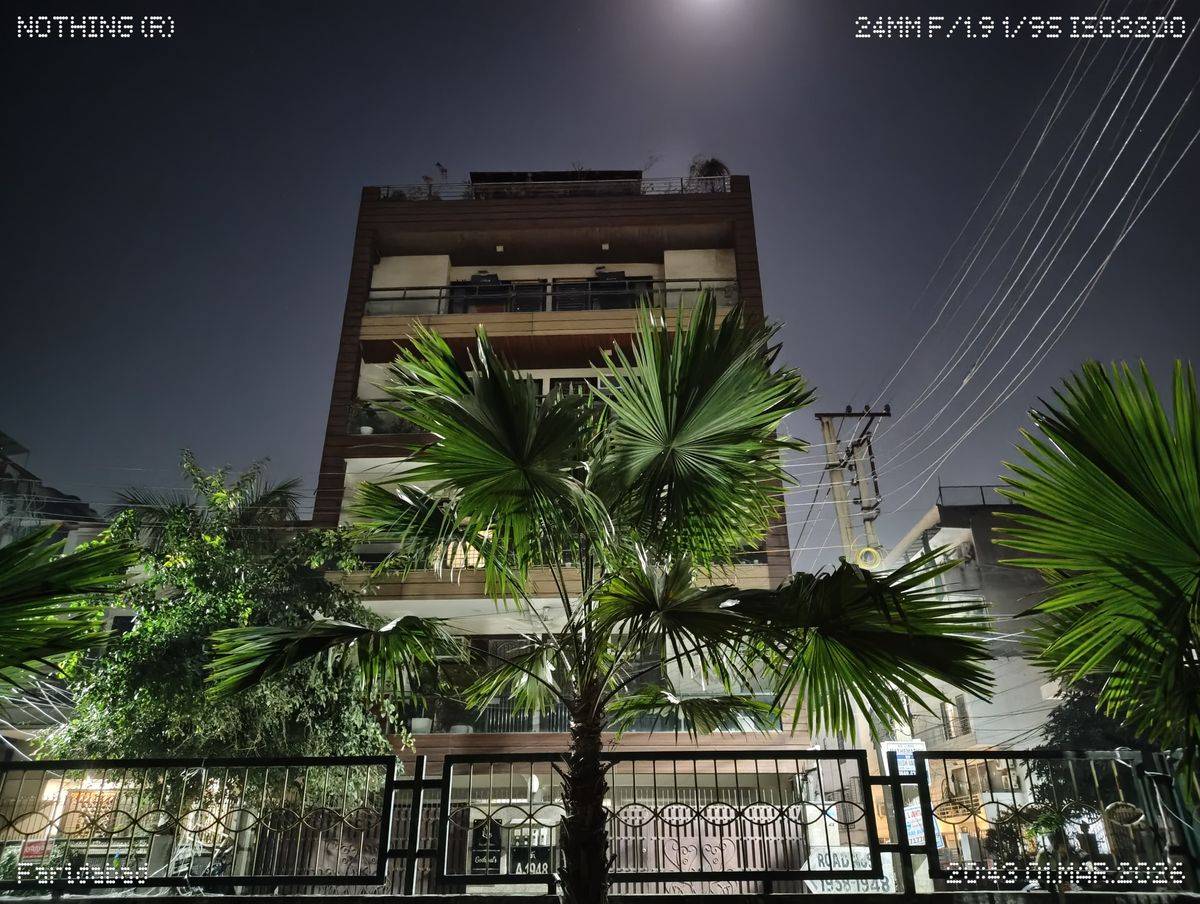


The OnePlus Nord 5 lacks the same level of versatility but still matches the Nothing Phone (4a) with the same 50MP primary and an 8MP ultrawide resolution cameras at the back. Up front, however, the Nord 5 has an edge with a higher-resolution 50MP front camera, which should deliver sharper selfies and clearer video calls.

The handset may not stand out in the segment with its photography chops, but it captures bright and colourful images in daylight that are very social media-ready. The phone handles portraits well, delivering good skin tones and details. The ultrawide lens also manages to retain the colour science of the primary camera, and you can capture some good-looking close-up shots too.









Flagship-grade vs mid-range level performance
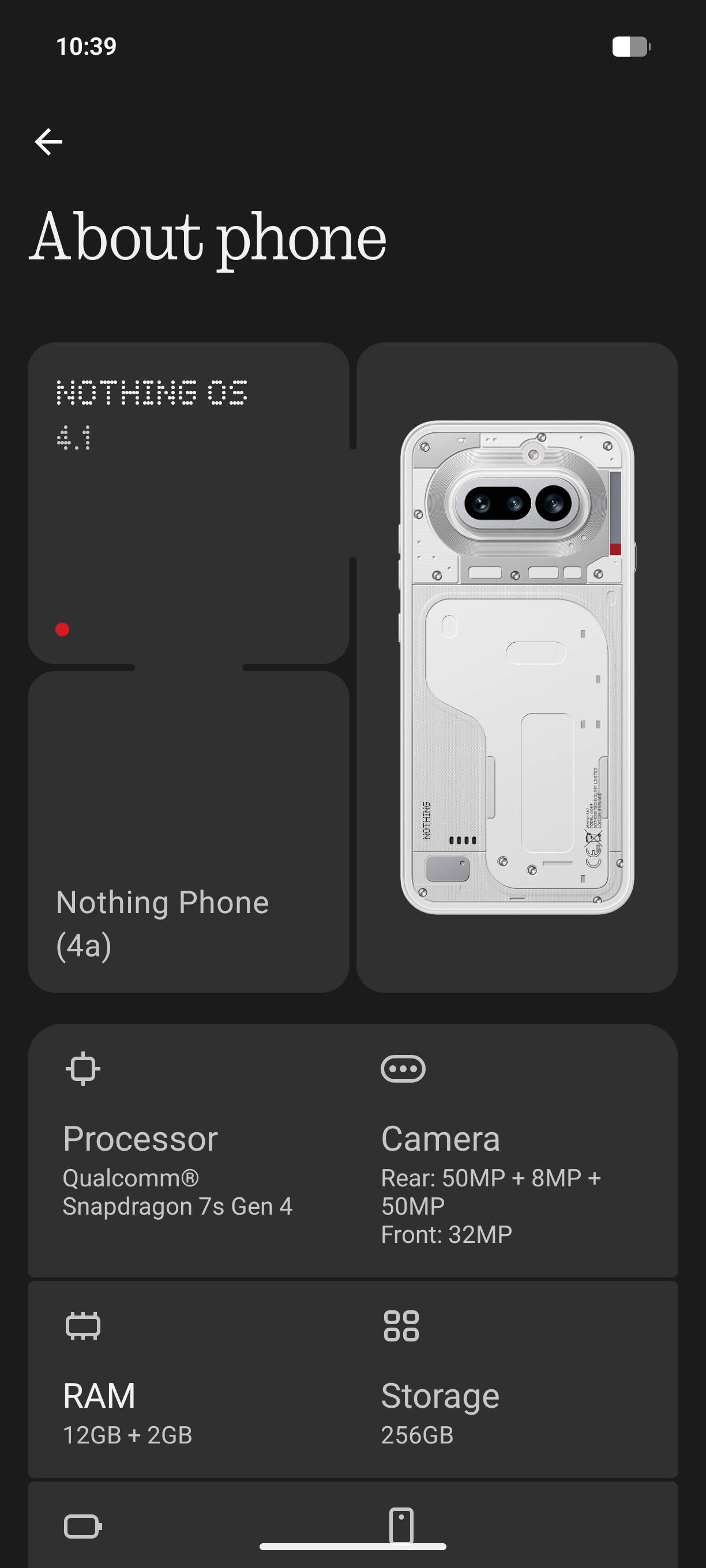
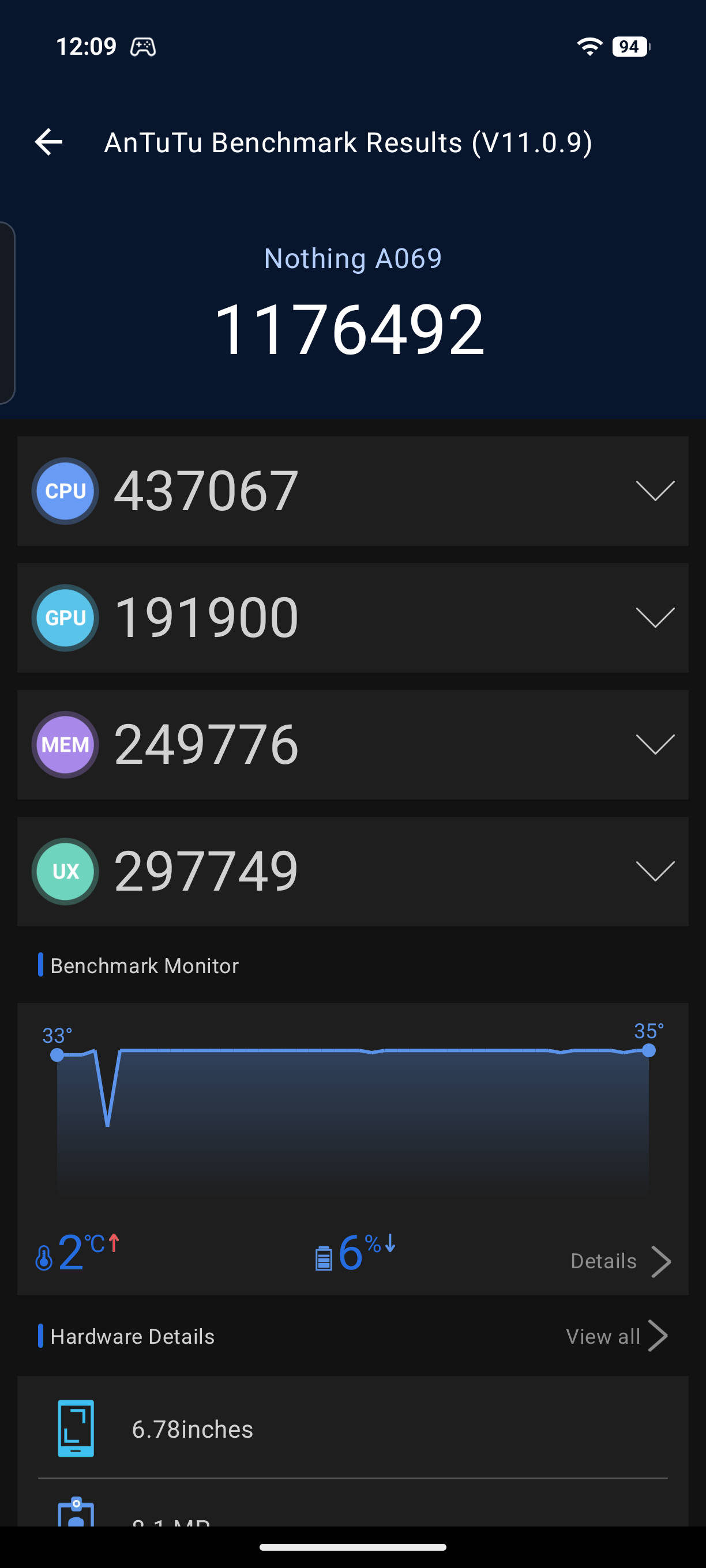
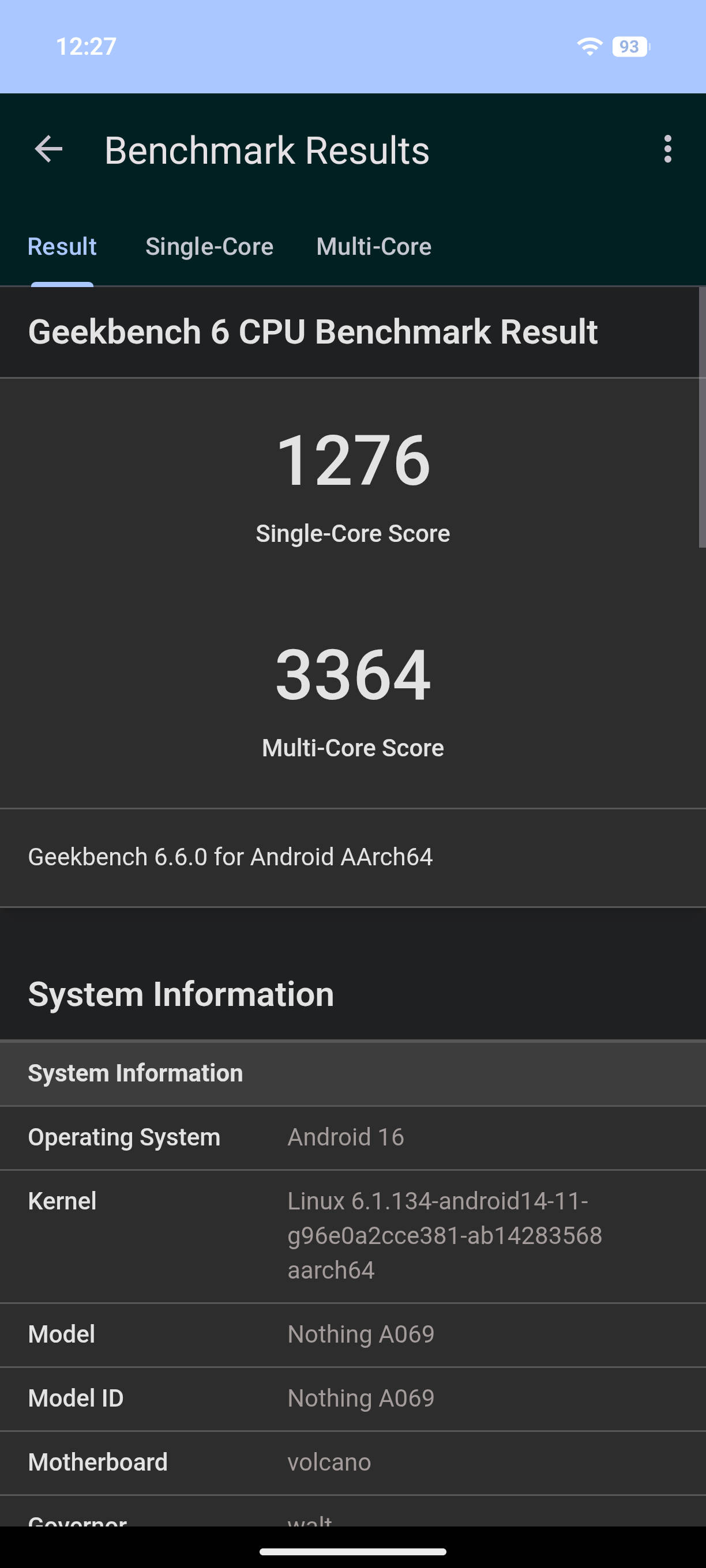
The Nothing Phone (4a) is powered by a mid-range Snapdragon 7s Gen 4 SoC, paired with LPDDR4X RAM and UFS 3.1 storage. This is a decent setup for everyday use, as reflected in its synthetic benchmark and real-world tests. In my daily usage, the handset managed the basic activities, including navigation and multi-tasking, without any major hiccups and thermal issues.


However, during more demanding tasks such as gaming, the smartphone’s temperature rose by around 9.5 degrees on average after 30 minutes each of BGMI and Call of Duty: Mobile. While the average frame rates remained respectable and gameplay stayed stable, the heating suggests the device is better suited for casual gaming rather than extended, heavy gaming sessions.
For extended gaming sessions, the OnePlus Nord 5 might be a better fit. The handset is powered by a more formidable Snapdragon 8s Gen 3 SoC, which is paired with superior LPDDR5X RAM for faster app launches and more. The storage type is identical to the Nothing Phone (4a).
Despite that, the Nord 5 delivered smooth performance in everyday tasks as well as gaming. Its thermals also stayed well under control during gaming sessions, with temperatures rising by around 4.9 degrees Celsius on average, significantly lower than the Nothing phone, while also delivering better and more consistent frame rates. This could be attributed to the OnePlus Nord 5’s massive 7,300mm2 Cryo-Velocity Vapour Chamber (VC) cooling system.
Clean Android vs Customised OxygenOS
On the software front, the Nothing Phone (4a) ships with Android 16-based Nothing OS 4.1, while the OnePlus Nord 5 comes with Android 15-based OxygenOS 15 out of the box. However, the Nord 5 can be updated to OxygenOS 16 via an OTA update, which has started rolling out.
While starting on different Android versions, both phones will likely end their software lifecycle on the same Android version. This is because the OnePlus Nord 5 was launched with a promise of four major OS upgrades, while the Nothing Phone (4a) is eligible for three major updates. However, since the Nothing smartphone launched a year later, it should technically remain relevant until 2032, compared to 2031 for the OnePlus Nord 5, with both brands promising six years of security updates.
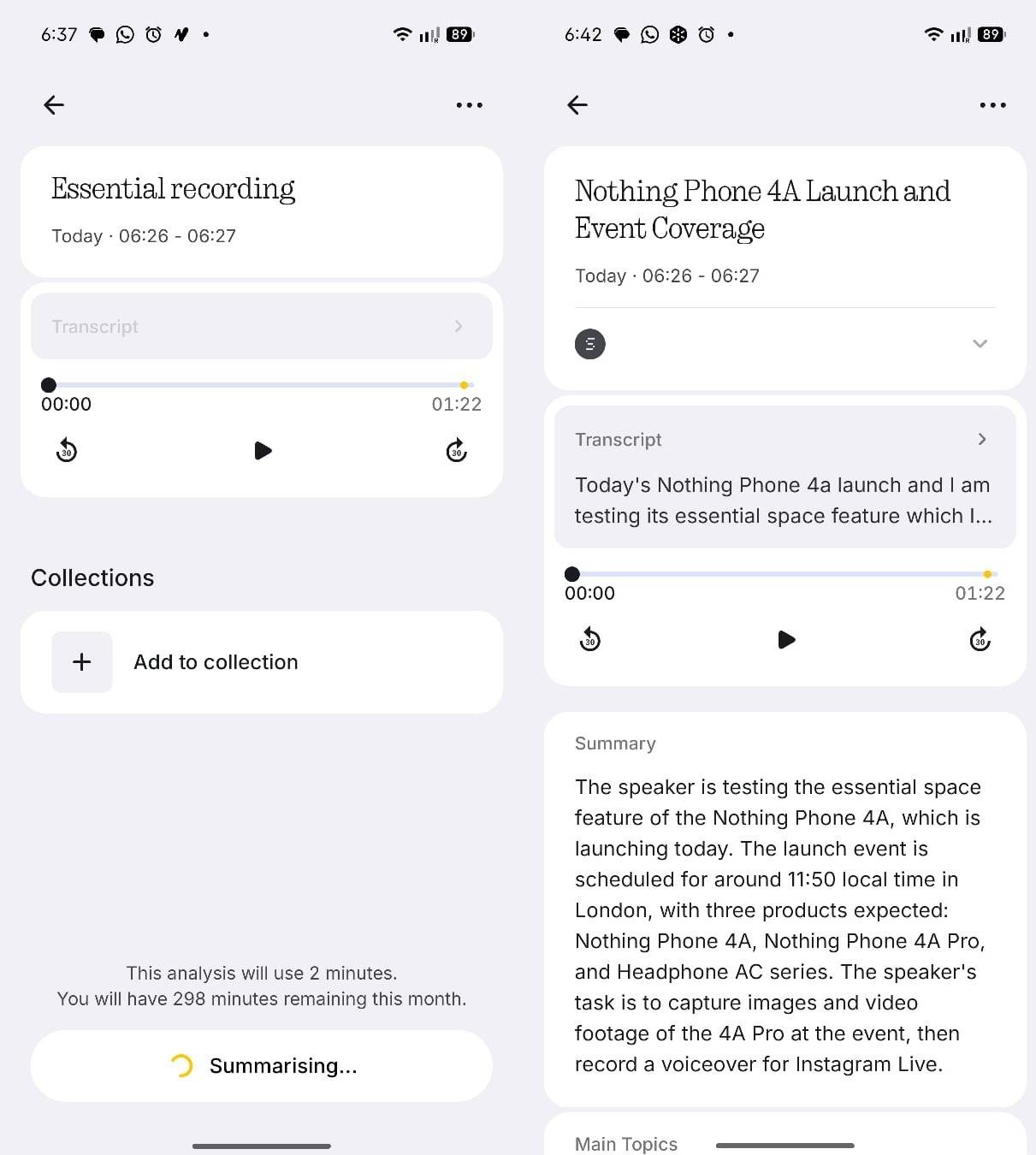
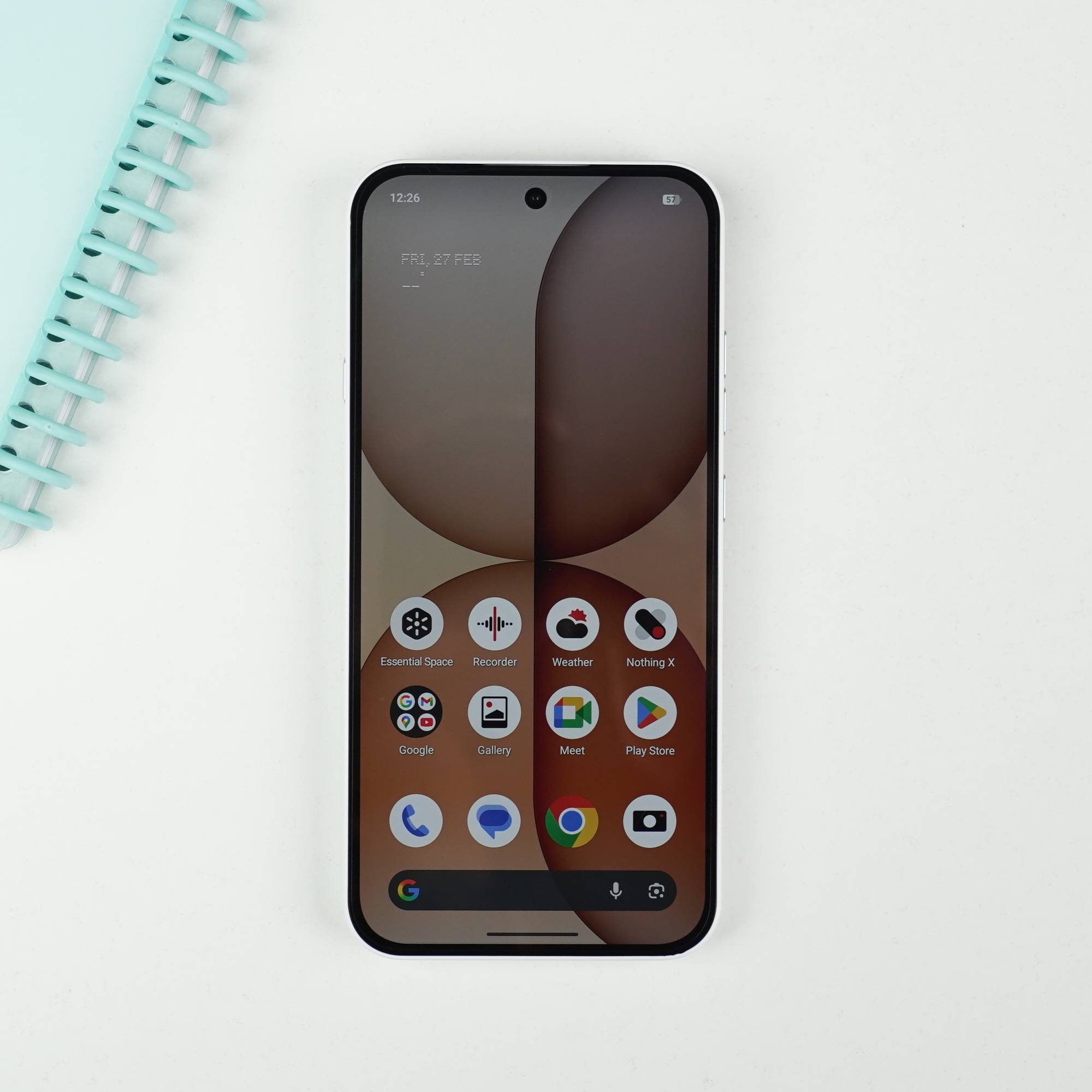
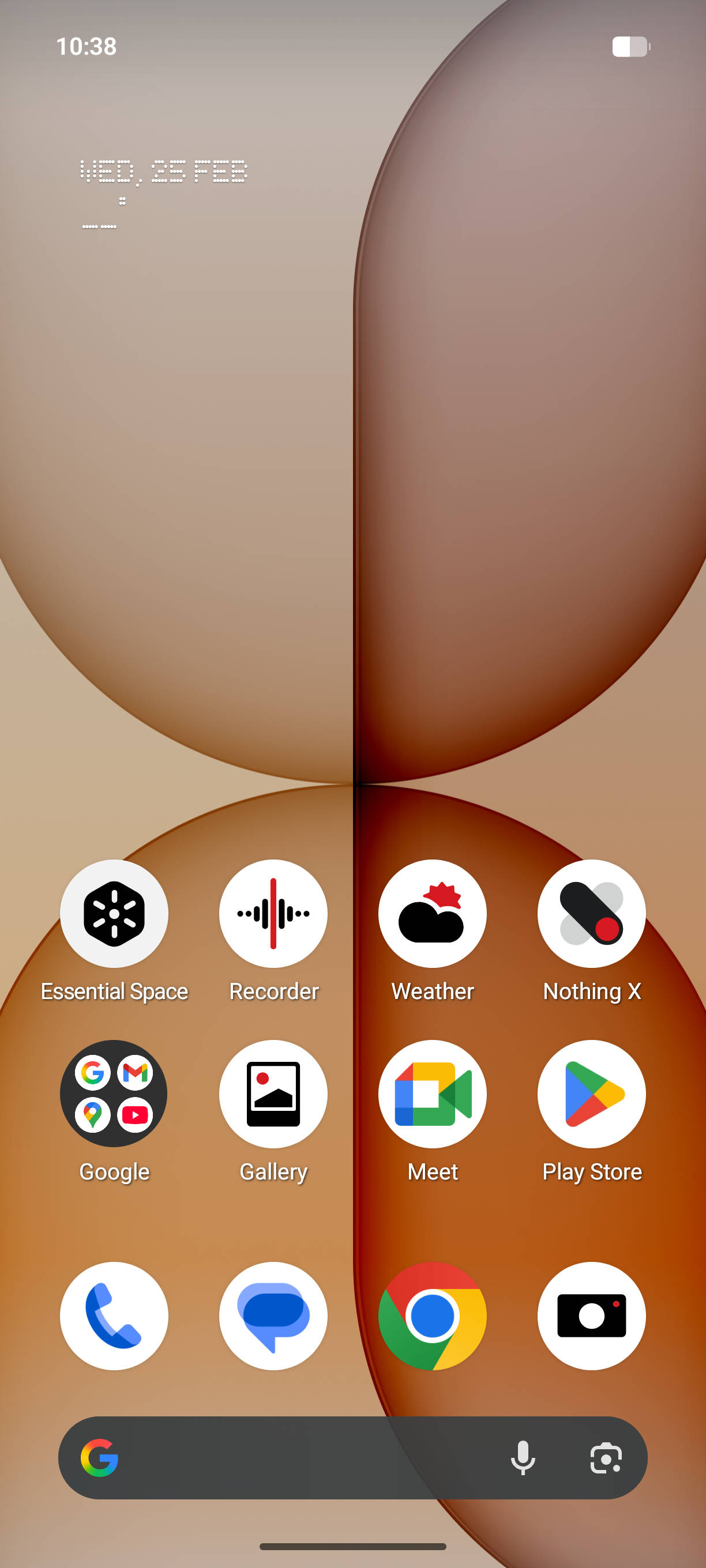
The software experience on both smartphones is quite similar overall, though the Nothing Phone (4a) leans closer to a clean, stock Android-like interface. The handset also includes Essential Space, a feature that allows users to store notes, screenshots, audio clips, and other memories in one place. The feature further uses AI to summarise the content and make it easier to search and organise later.
The OnePlus Nord 5, on the other hand, focuses on customisation options and delivering a more personalised experience. The handset also gets AI Mind Plus, which is similar to the Phone (4a)’s Essential Space feature.
Battery tech and charging speeds compared
The Nothing Phone (4a) packs a 5,400mAh lithium-ion battery, while the OnePlus Nord 5 comes with a much larger 6,800mAh silicon-carbon battery. Silicon-carbon is a newer battery technology that can store more energy than traditional lithium-ion cells without increasing the overall size of the battery. As a result, many newer smartphones have started adopting silicon-carbon batteries, largely because they tend to deliver better endurance while keeping the device relatively slim.
The OnePlus Nord 5 may not show a clear advantage in the PCMark battery test, but our internal testing tells a slightly different story. During a one-hour session of video streaming and gaming, the Nord 5 consumed 18 percent of its battery, while the Nothing Phone (4a) dropped by 28 percent under similar conditions.
This trend is also reflected in day-to-day usage. As noted in our reviews, the Nothing Phone (4a) delivered around five hours of screen time, whereas the OnePlus Nord 5 stretched to roughly six hours with regular use.
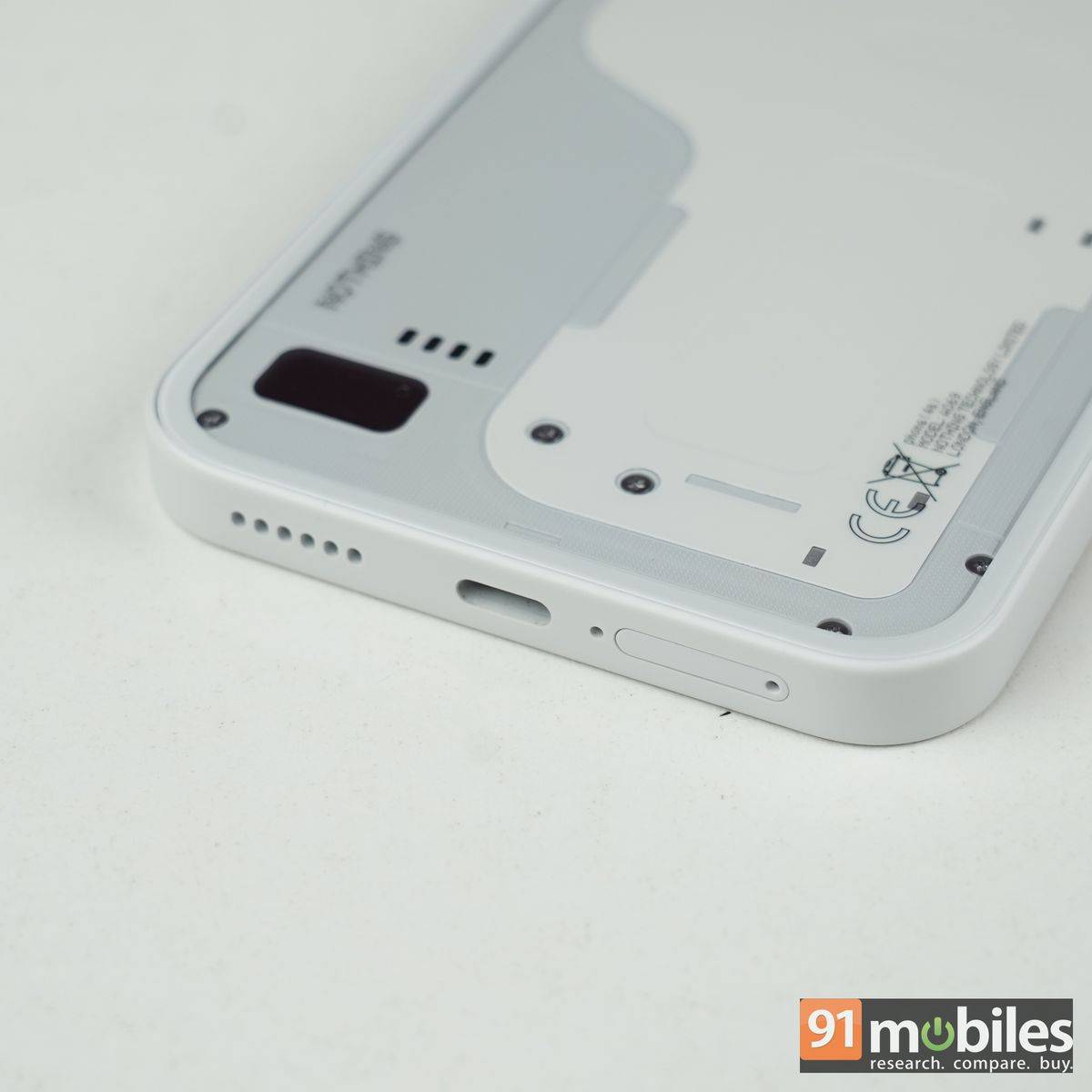
Despite its bigger battery, the OnePlus smartphone also has an edge when it comes to charging. The handset supports 80W fast charging, and a compatible charger is provided in the box, juicing it up within 50 minutes from 20 to 100 percent. The Nothing Phone (4a) forces you to purchase a charger separately. You need a 50W PD charger to recharge this device, which will take almost an hour.
Verdict
The Nothing Phone (4a) stands out for its distinctive design, brighter display, and more versatile camera setup thanks to the telephoto lens. The cleaner Nothing OS experience and features like Essential Space also make it appealing for users who prefer a minimalist interface with useful AI additions. This makes the smartphone a convenient choice for photography enthusiasts and fashionistas.
The OnePlus Nord 5, however, has the upper hand in raw performance, gaming stability, and battery endurance. The Snapdragon 8s Gen 3 chipset, improved thermals, and larger silicon-carbon battery make it better suited for power users and gamers. The handset also offers faster charging, more RAM in higher variants, and a sharper 50MP selfie camera, which could be an attractive buy for those who prioritise performance and long battery life.
Nothing Phone 4a 8GB RAM Images







































Nothing Phone 4a 256GB Images


Nothing Phone 4a 12GB RAM Images


Nothing Phone 4a 8GB RAM Images
Nothing Phone 4a 256GB Images
Nothing Phone 4a 12GB RAM Images