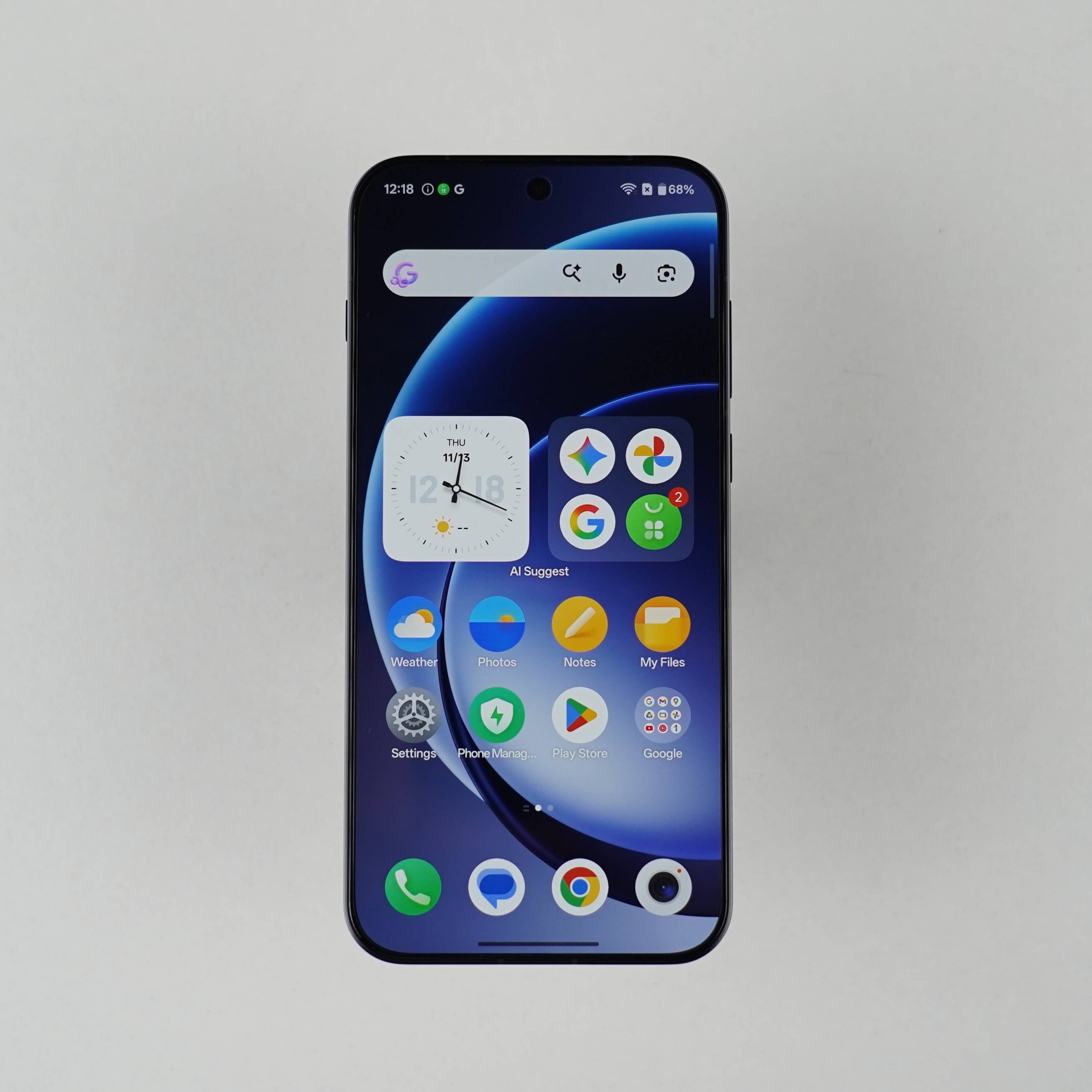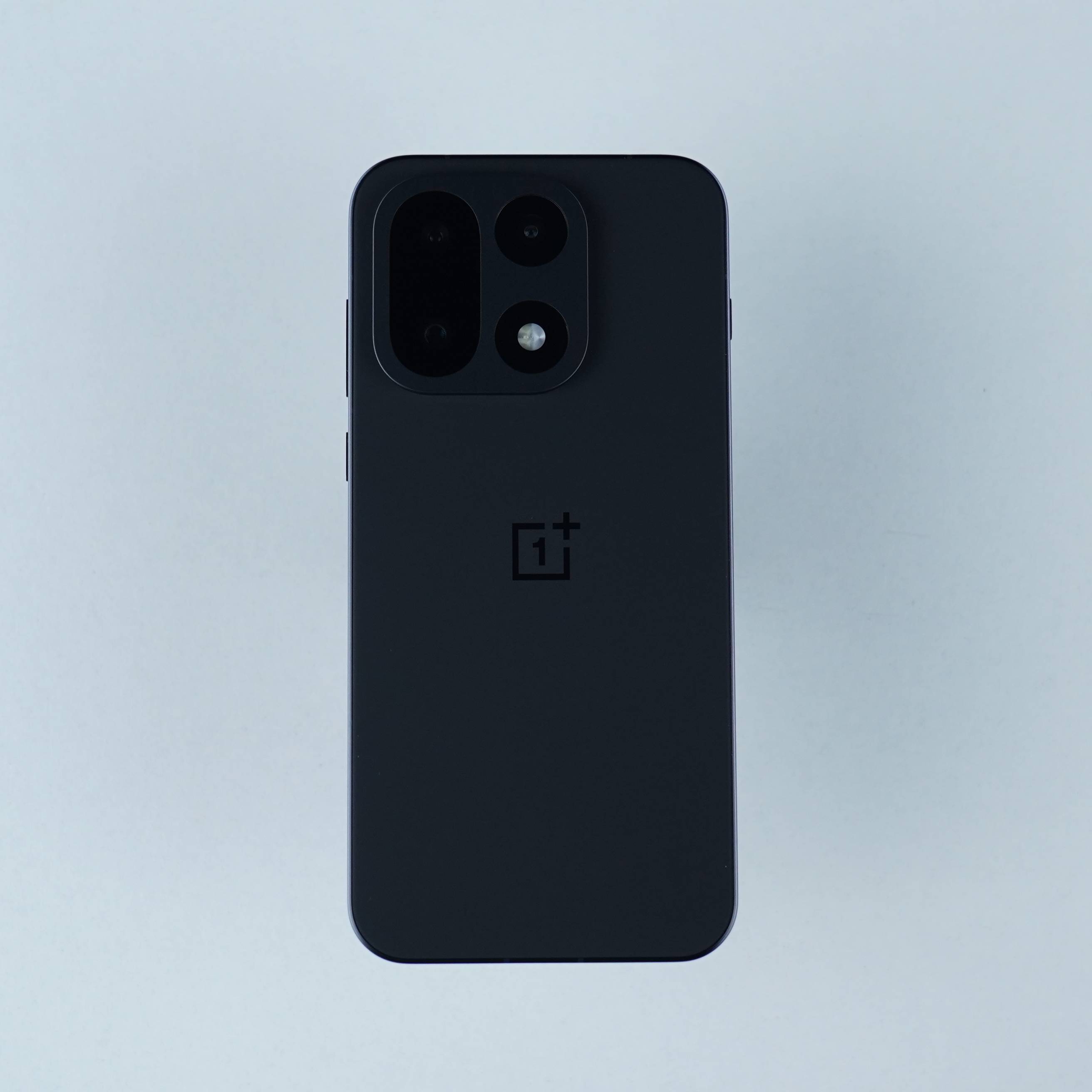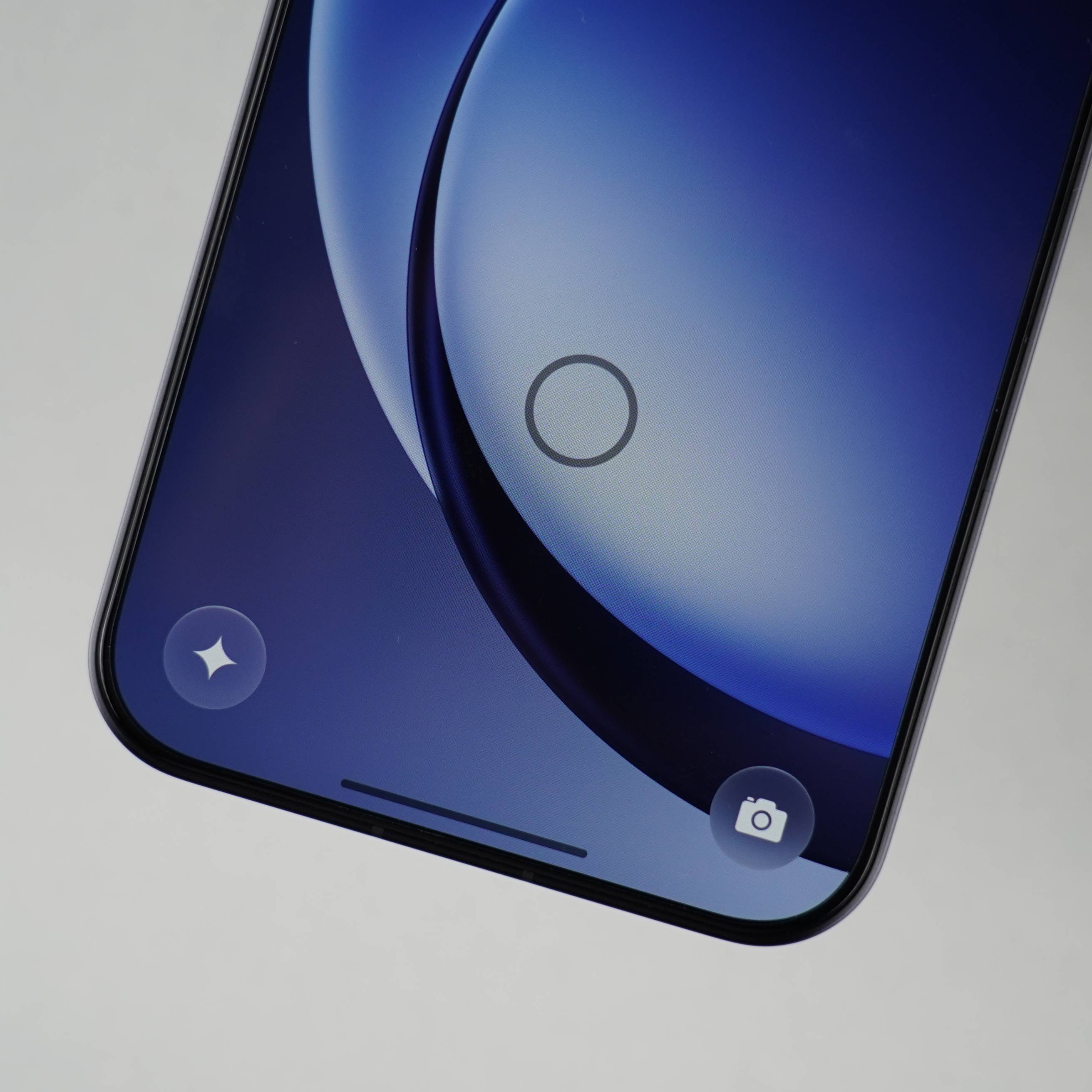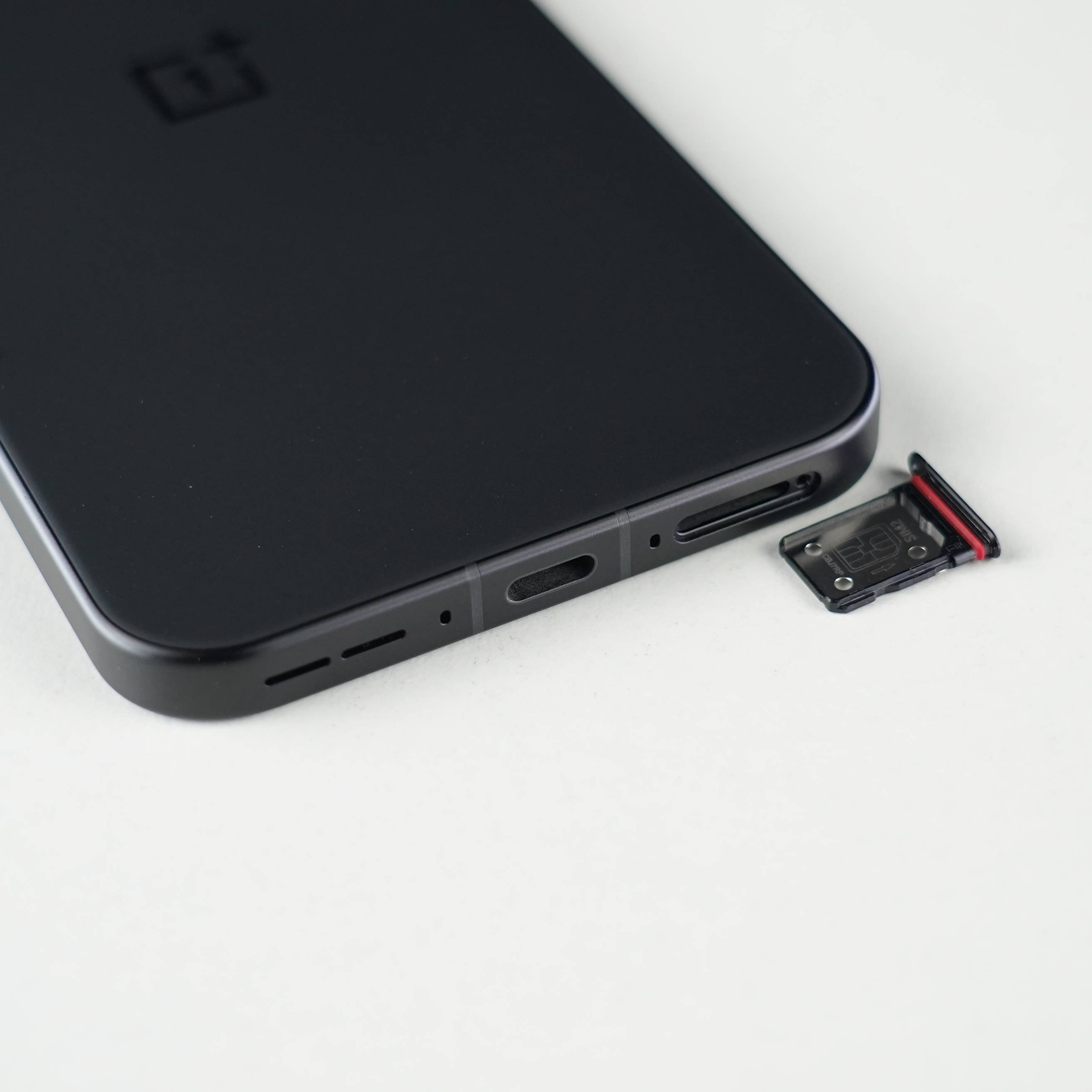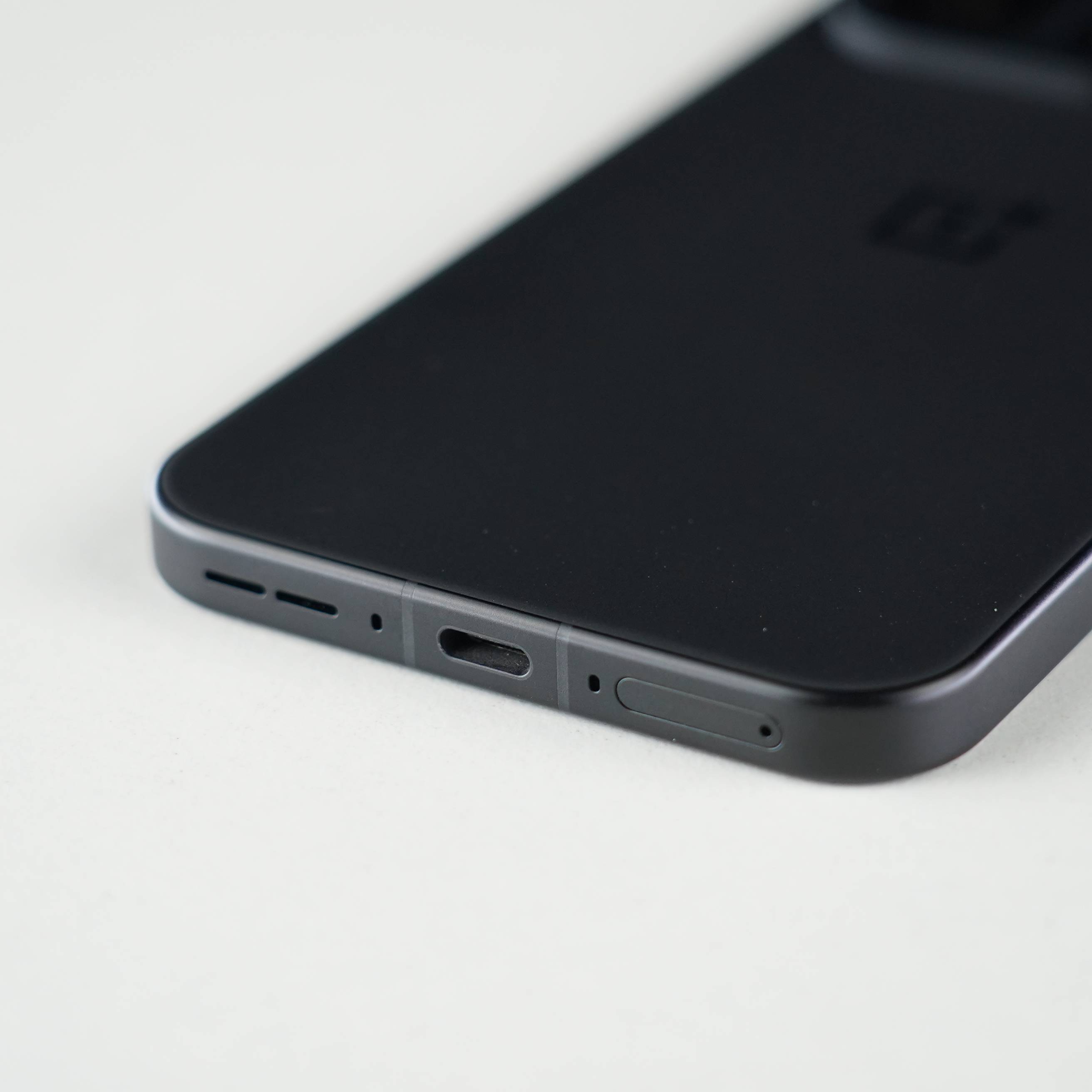
OnePlus 15 has launched in India as the first phone powered by the Snapdragon 8 Elite Gen 5 chipset. It succeeds the OnePlus 13 with several notable firsts, including a redesigned look, an in-house camera algorithm, a larger battery, and more. The price has gone up as expected, in line with broader component and supply-chain cost increases across the industry. Even so, the OnePlus 15 brings substantial upgrades over the previous generation, and we break down each of them below.
Table of Contents
Bold or minimalist design?
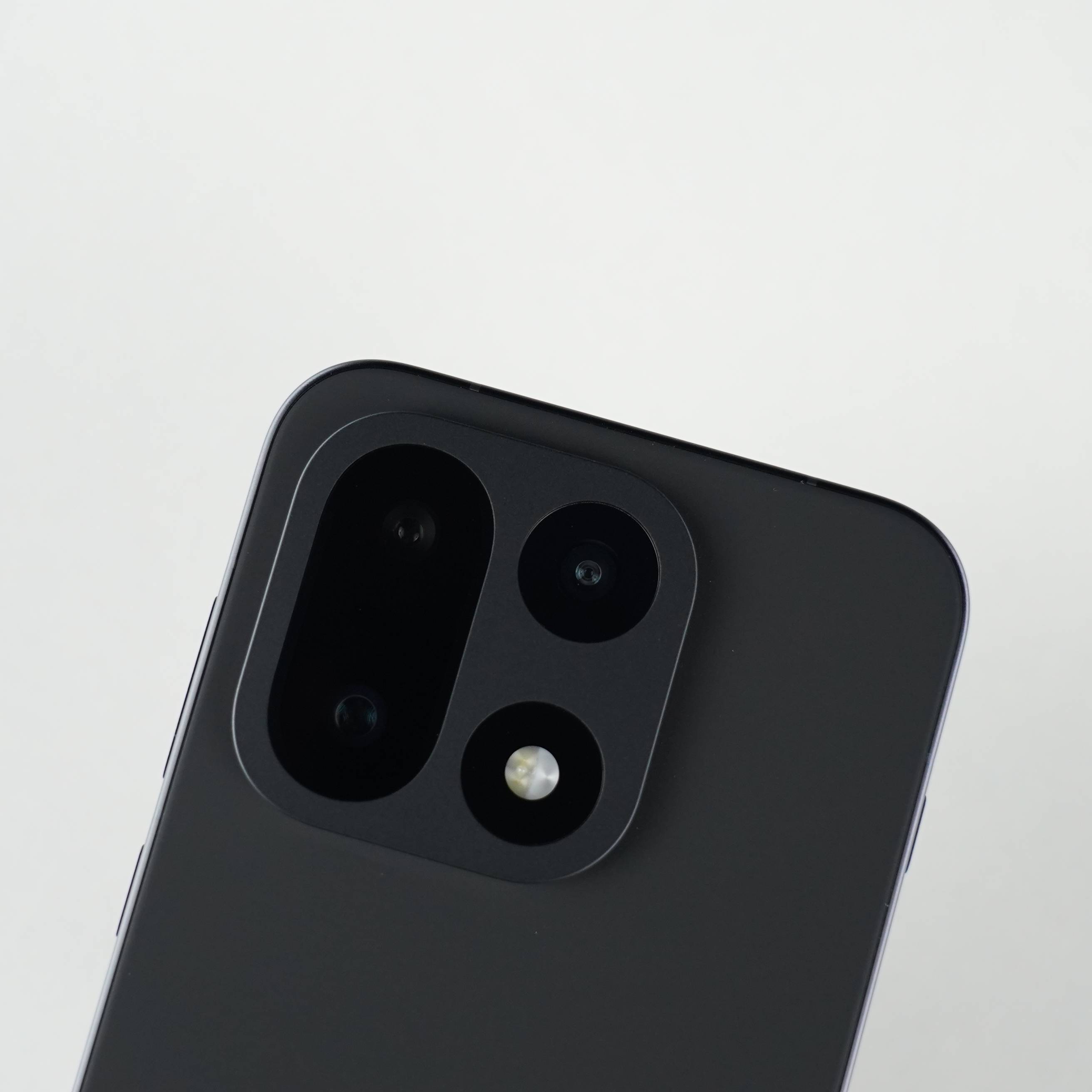
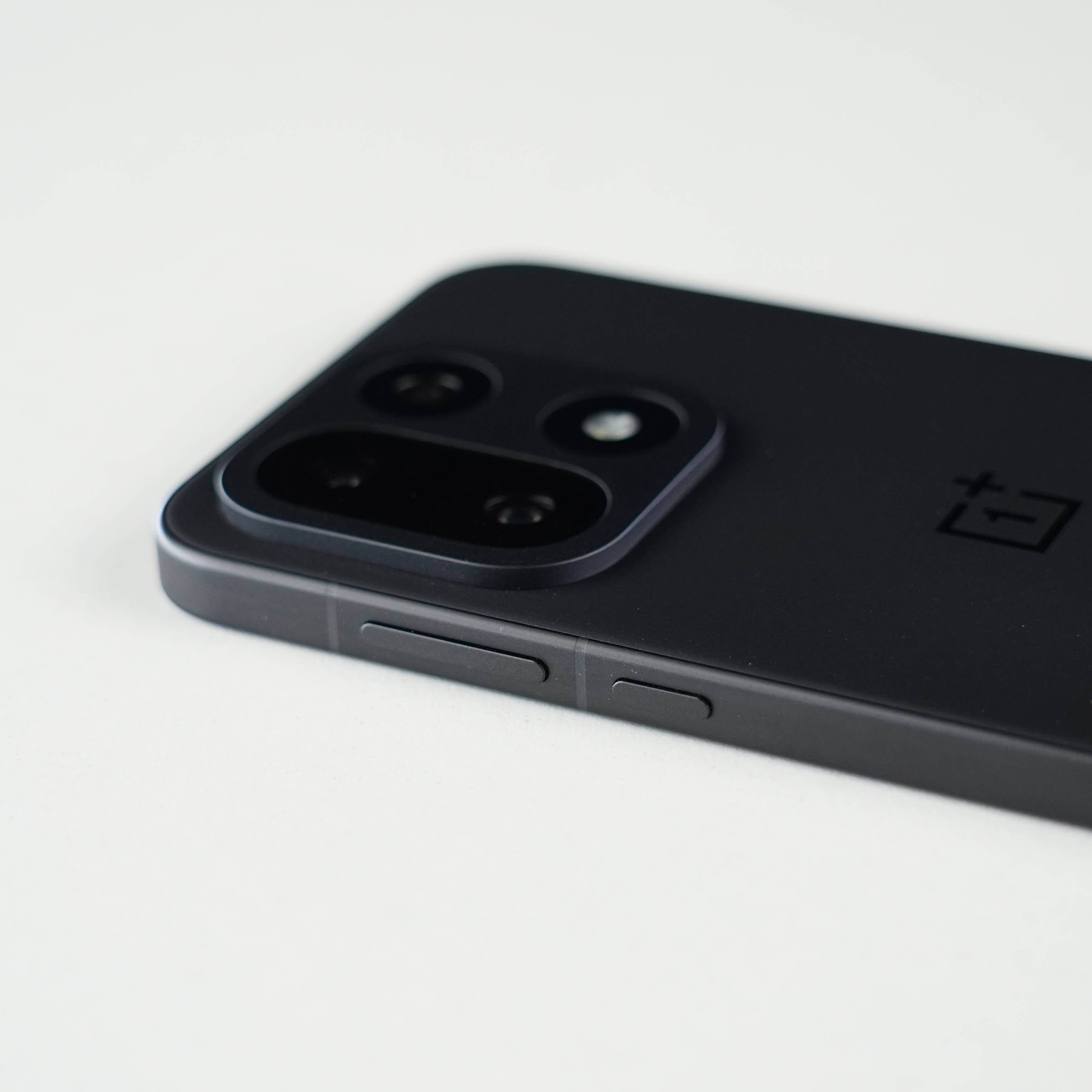
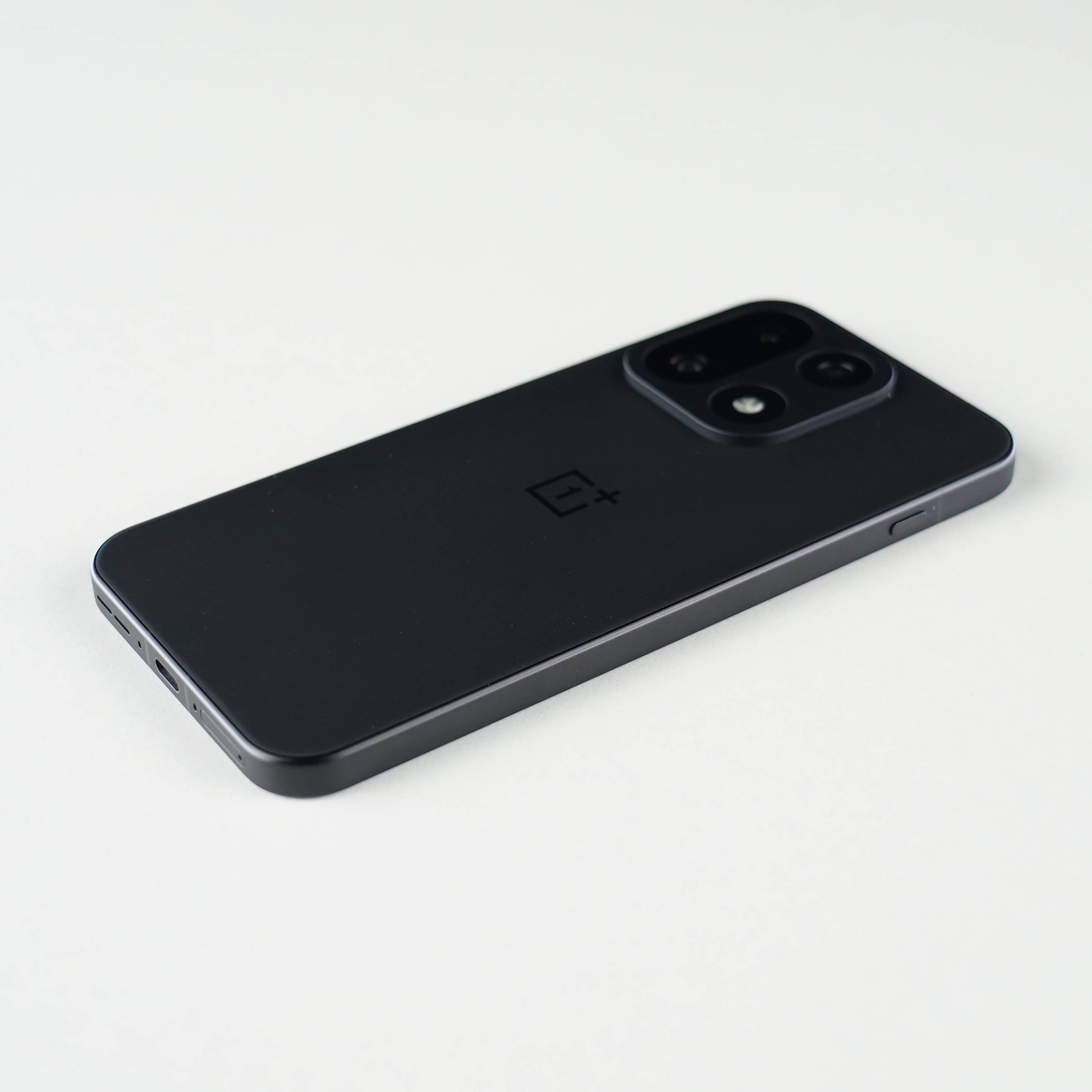
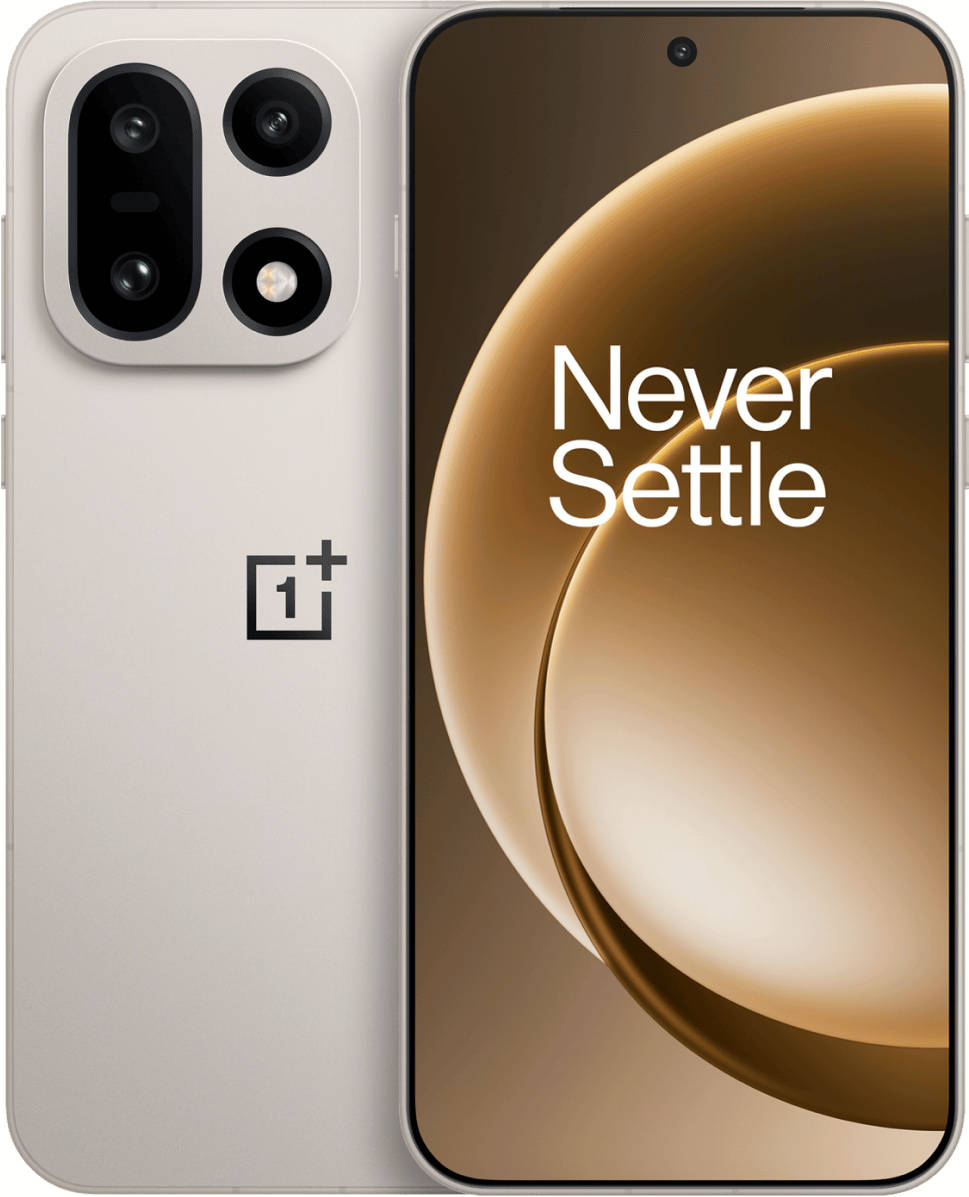
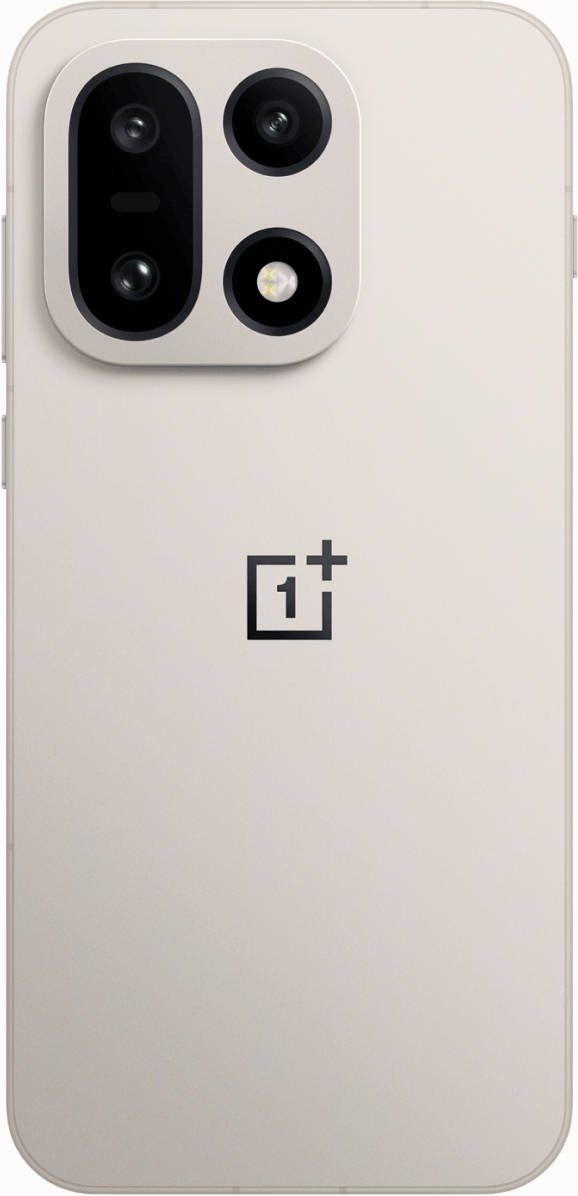
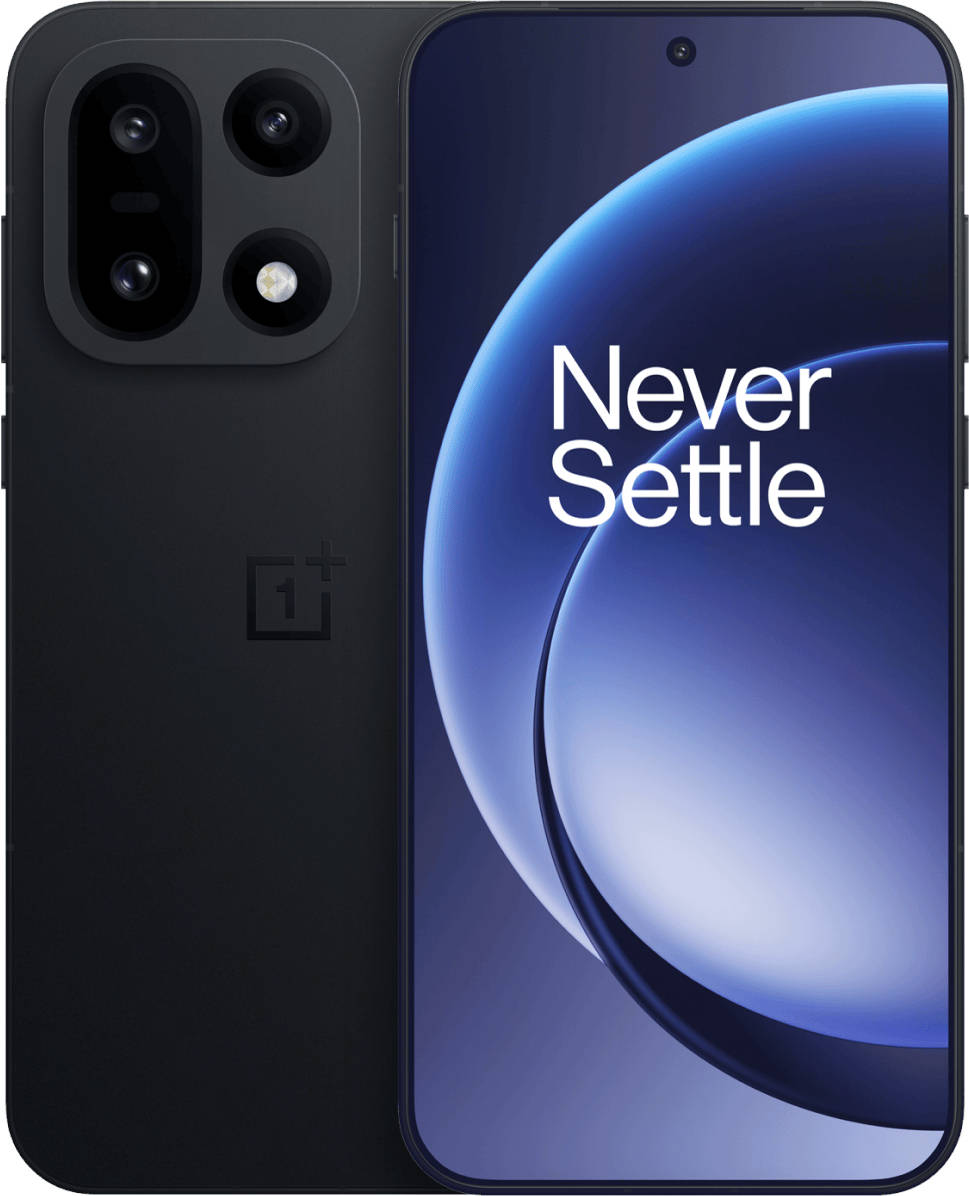
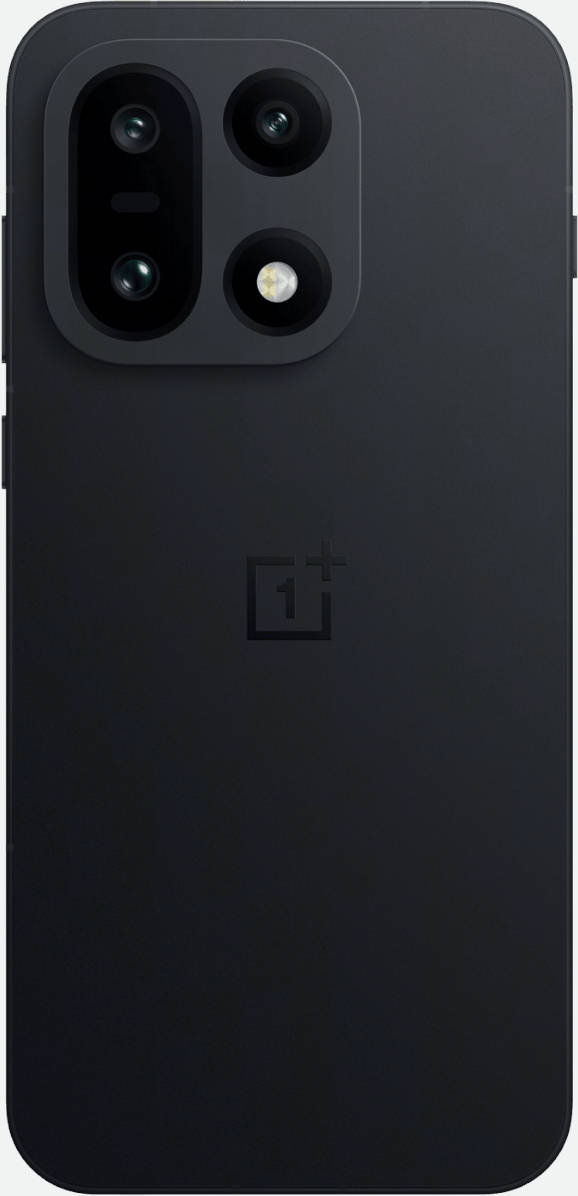
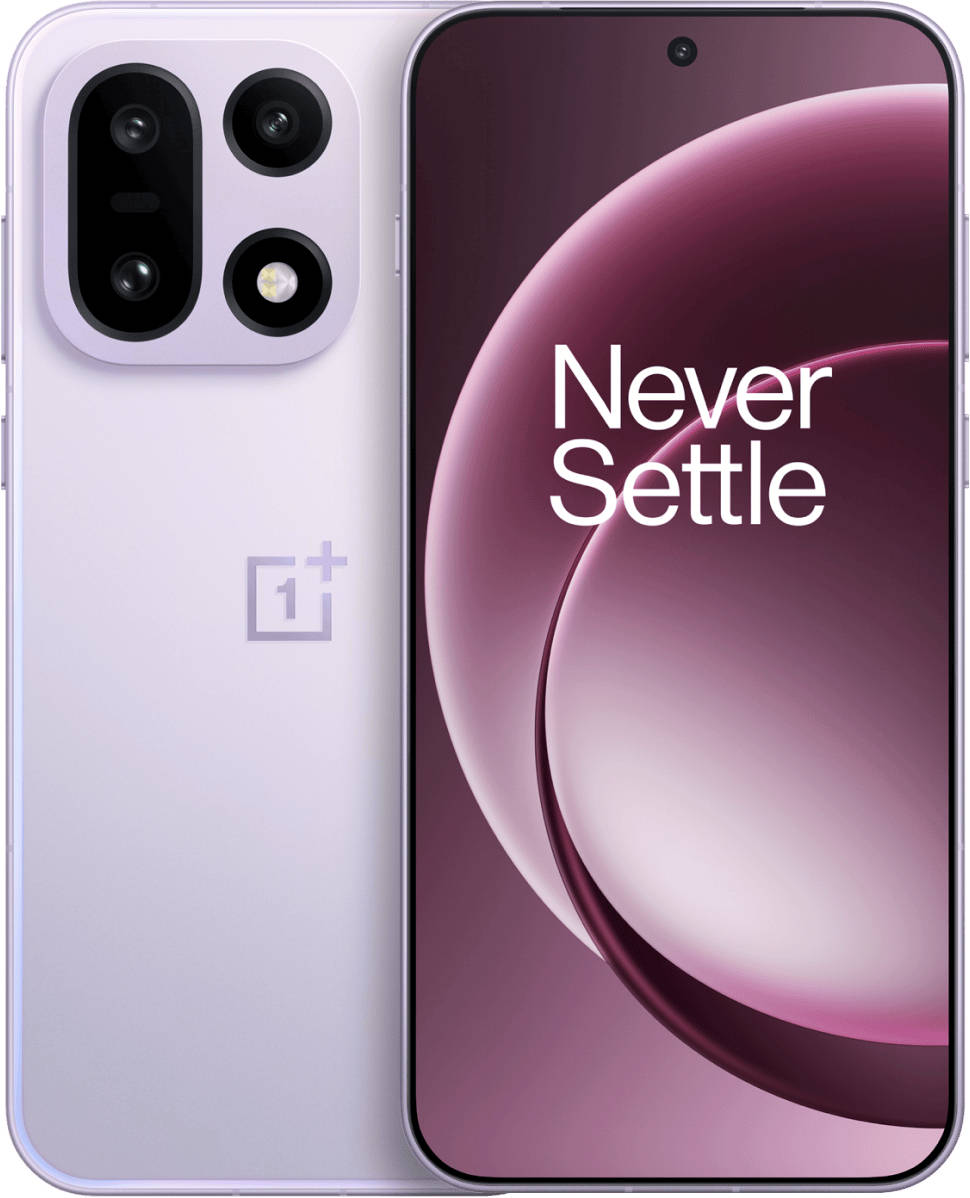
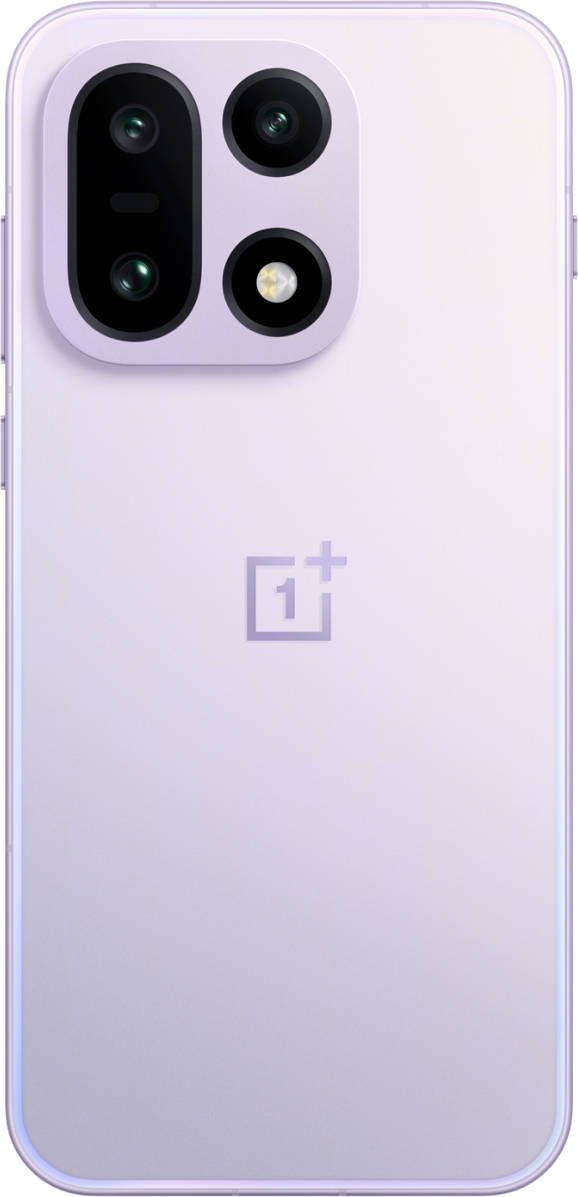
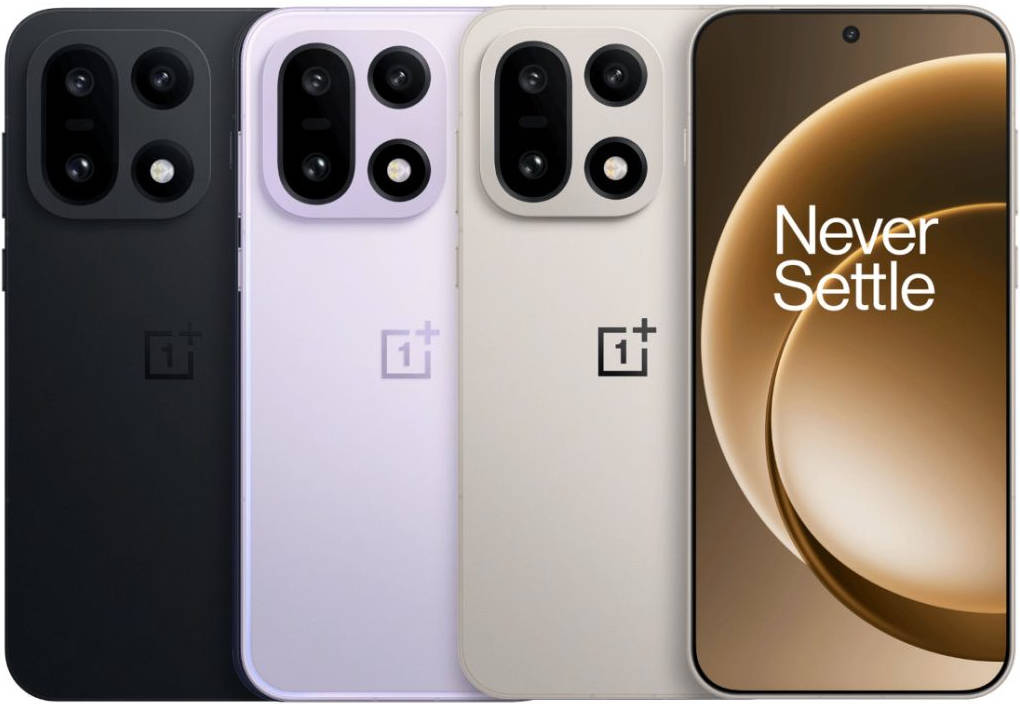
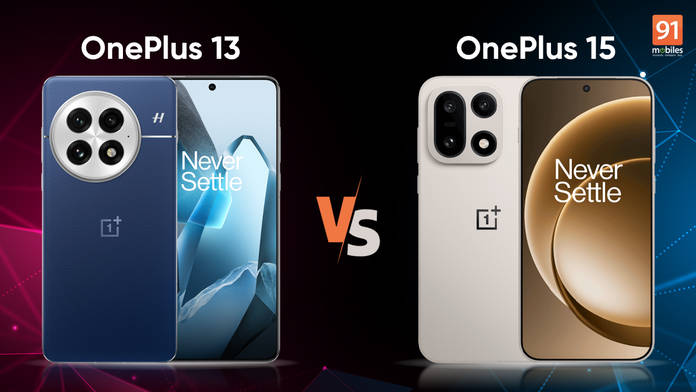
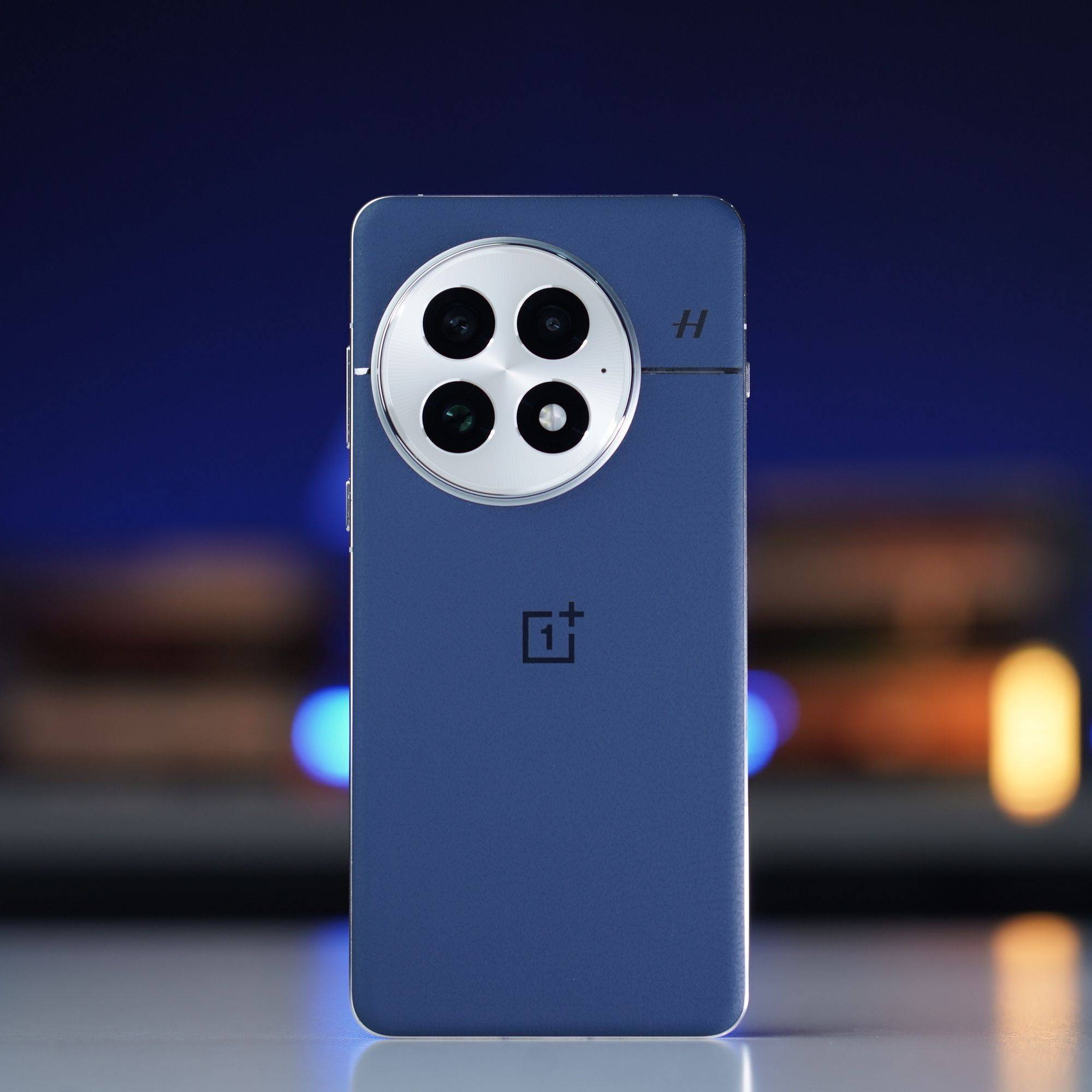
Design is one of the most significant changes in the OnePlus 15, as it marks the end of the familiar circular camera design that has been in place for three generations now. The phone now features a smaller square-shaped camera module in the top-left corner, housing three sensors and an LED flash. This new design is more minimalist compared to the previous one, which felt bolder. The OnePlus 15 also appears more compact and refined, and this is something people looking for a change might appreciate. While the design refresh is striking and modern, fans of the classic circular camera module may also miss the old aesthetic.
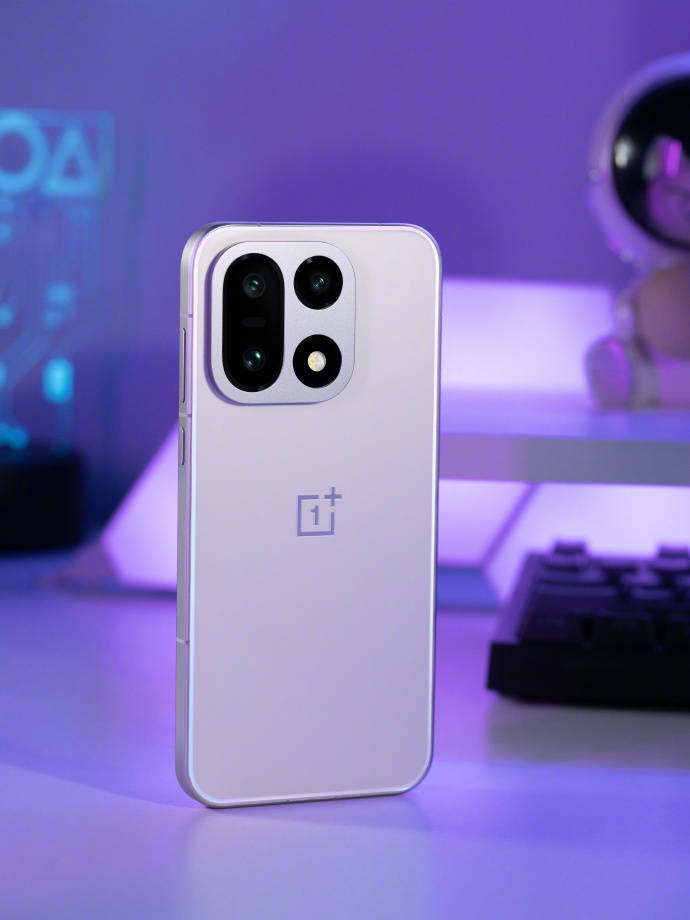
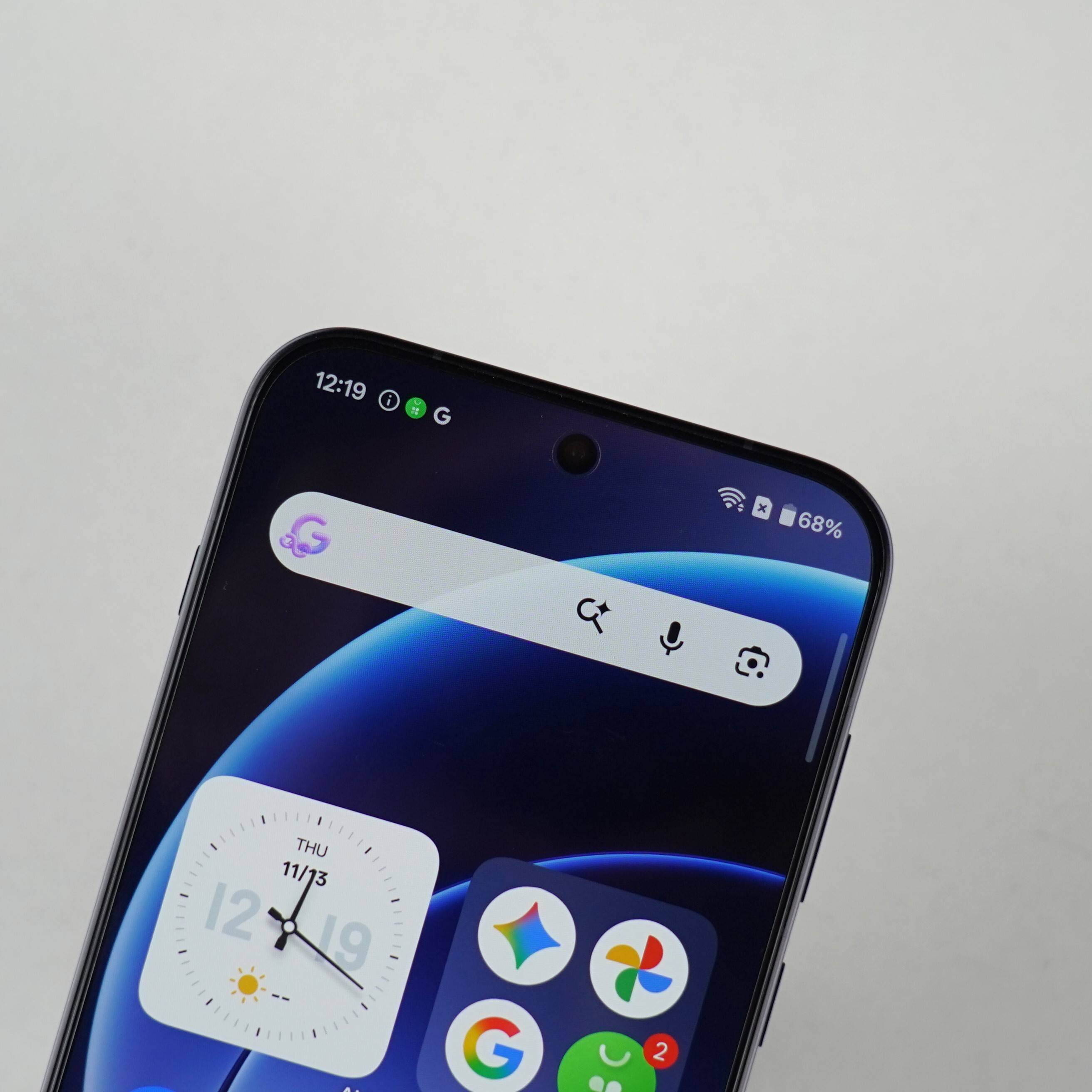
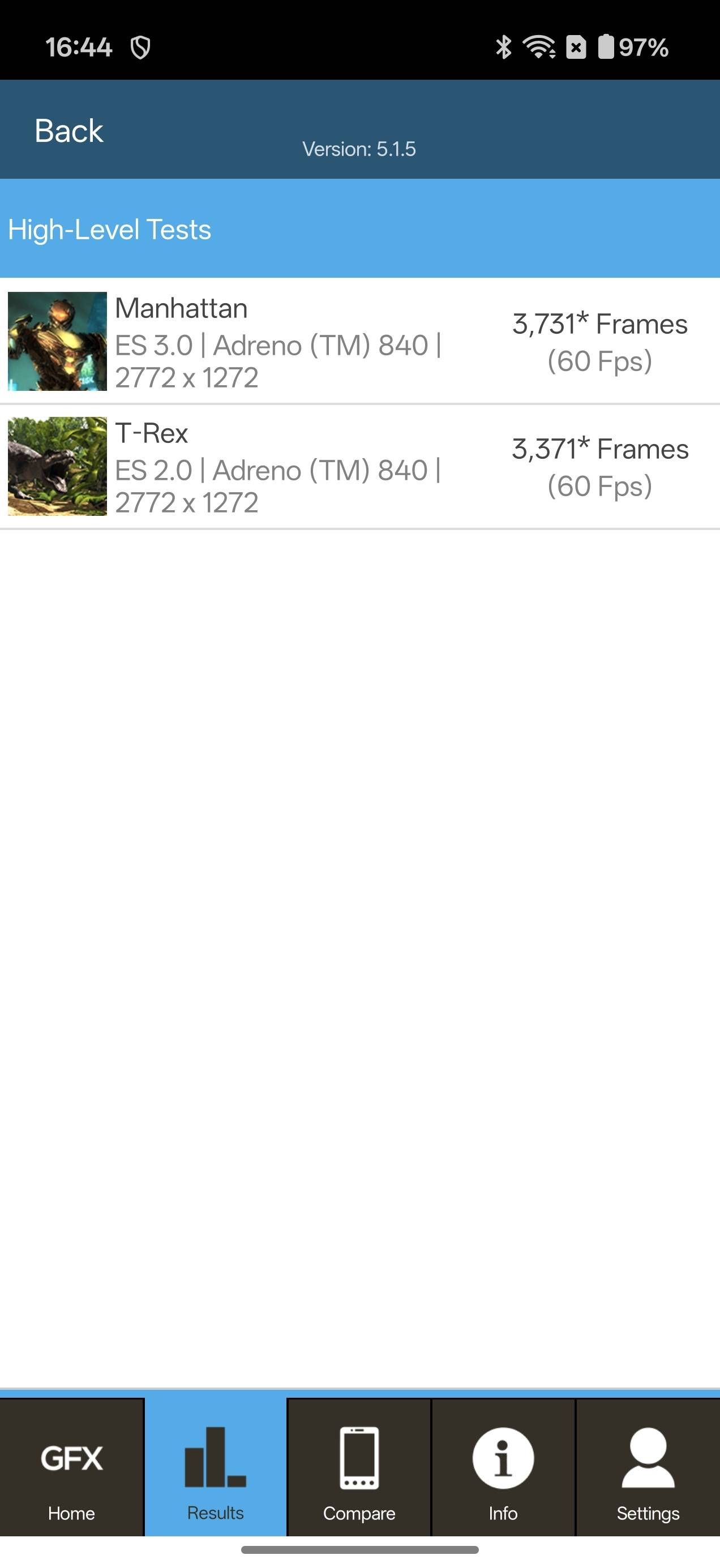
The display size has been reduced slightly, with a 6.78-inch screen on the OnePlus 15, compared to the 6.82-inch screen on the OnePlus 13. The resolution has also been reduced to 2772 x 1272 pixels from 3168 x 1440 pixels, although the refresh rate has been bumped to 165Hz. However, the 165Hz experience only kicks in during gaming, while general usage switches between 1-120Hz. The difference between the two shouldn’t be much, but a higher refresh rate gives the OnePlus 15 an advantage in gaming.
Does the new chipset make a difference?
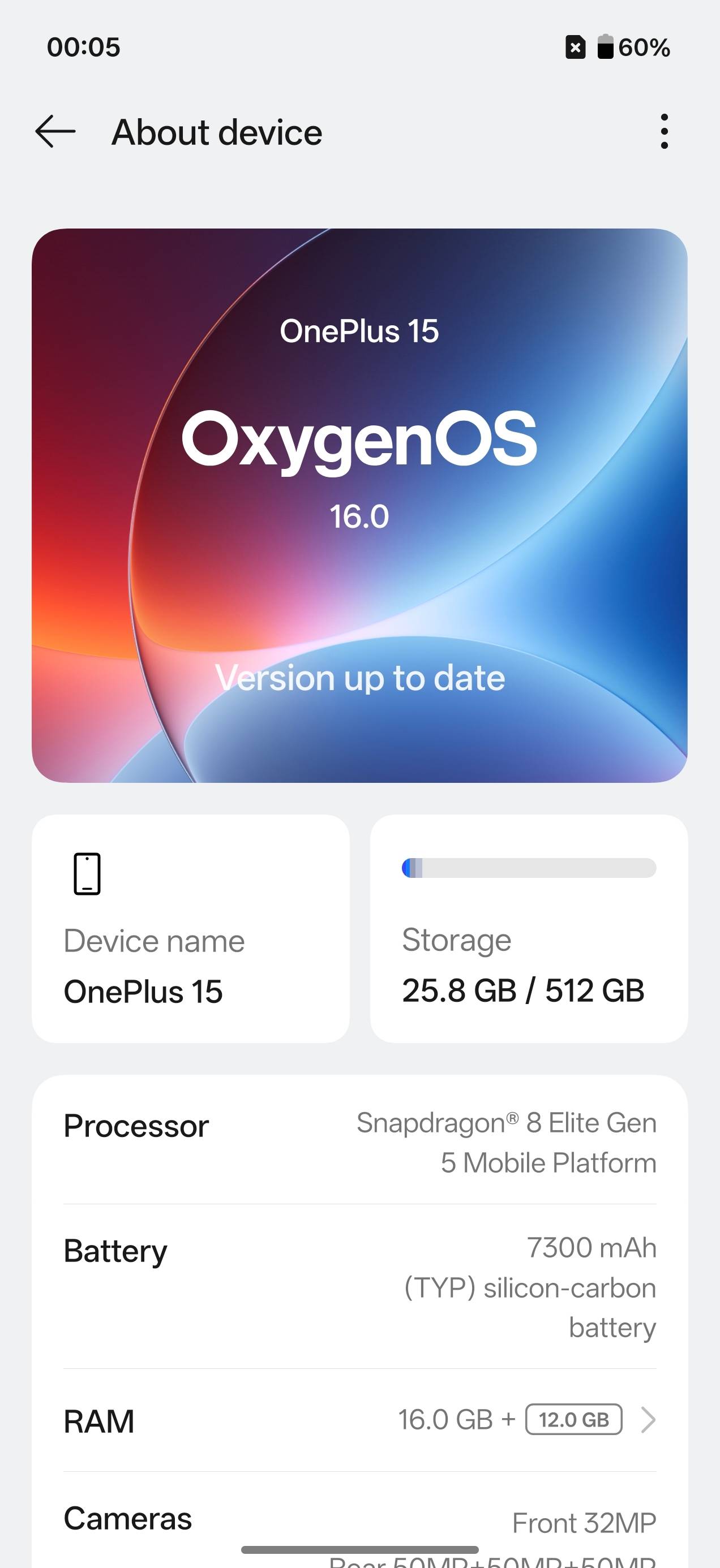
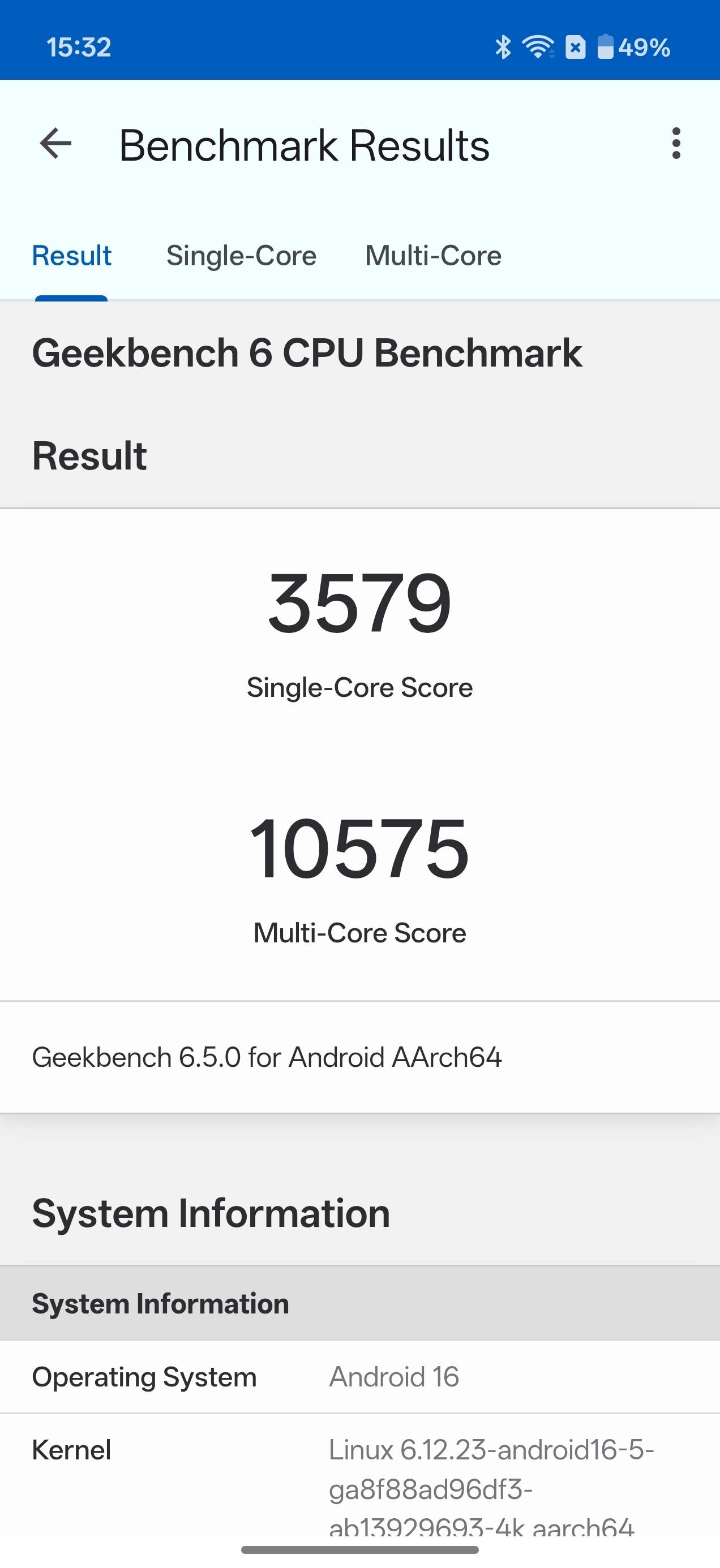
Like every OnePlus flagship, the OnePlus 15 also comes with the latest Qualcomm chipset. It’s the Snapdragon 8 Elite Gen powering the OnePlus 15. It’s designed to deliver notable improvements over the Snapdragon 8 Elite, which powers the OnePlus 13. According to the AnTuTu benchmark test conducted in-house, the OnePlus 15 has a significant increase, scoring 36,15,565 points, over the OnePlus 13, which scored 26,89,625. This suggests a significant upgrade in terms of raw performance.


In real-world performance, the OnePlus 13 handled everyday tasks, productivity, multitasking, and even demanding games with ease. Its successor, the OnePlus 15, takes things a step further, feeling noticeably faster and smoother, especially during gaming. In our testing, the OnePlus 15 performed exceptionally well across a range of tasks, from routine apps to intensive multitasking and demanding gameplay. It also debuts the brand’s new Gaming Technology, which enhances responsiveness and stability.
While playing titles like COD Mobile and BGMI, we consistently achieved 165fps, as the brand claims, when enabling Hyper Frame Rate mode in the OP Gaming Core. You can read more about the gaming features here.
Software
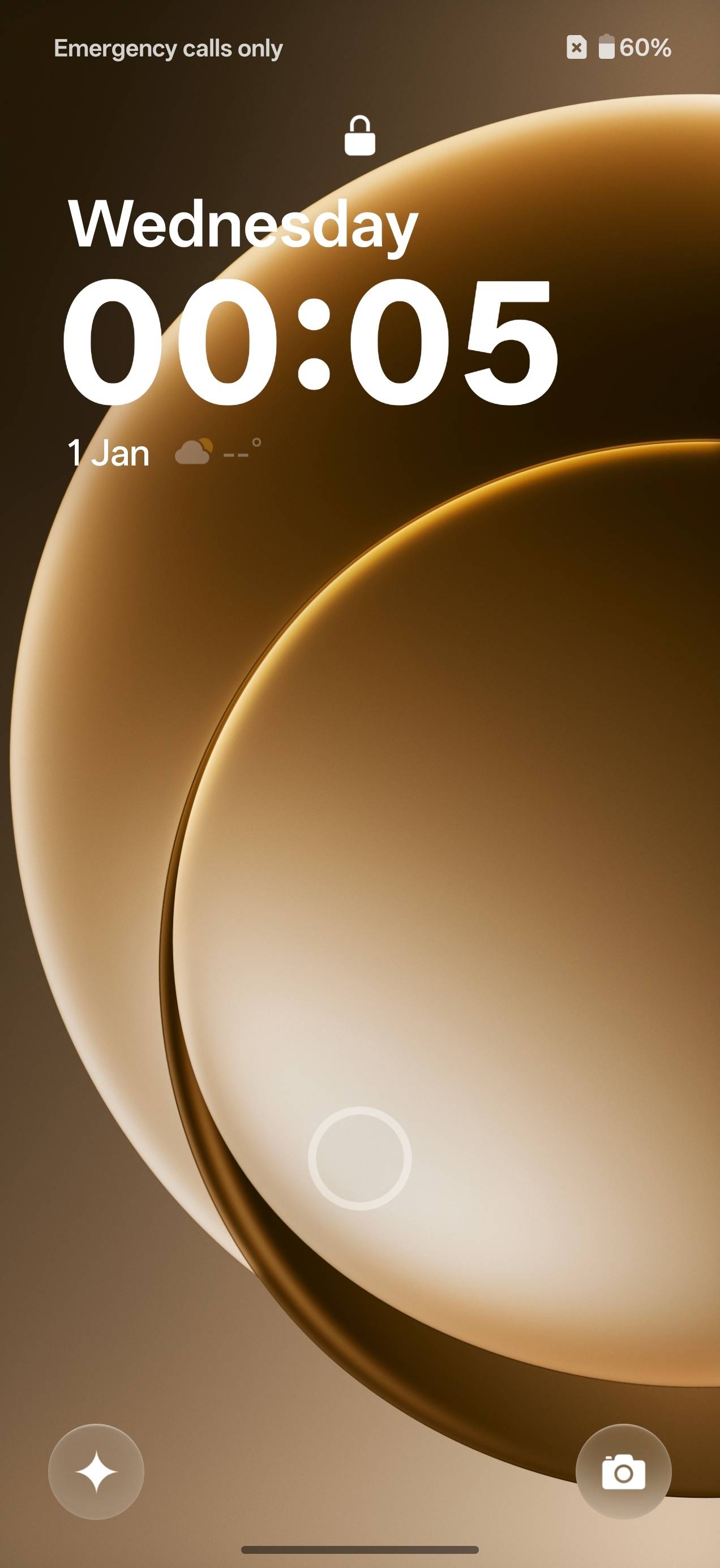
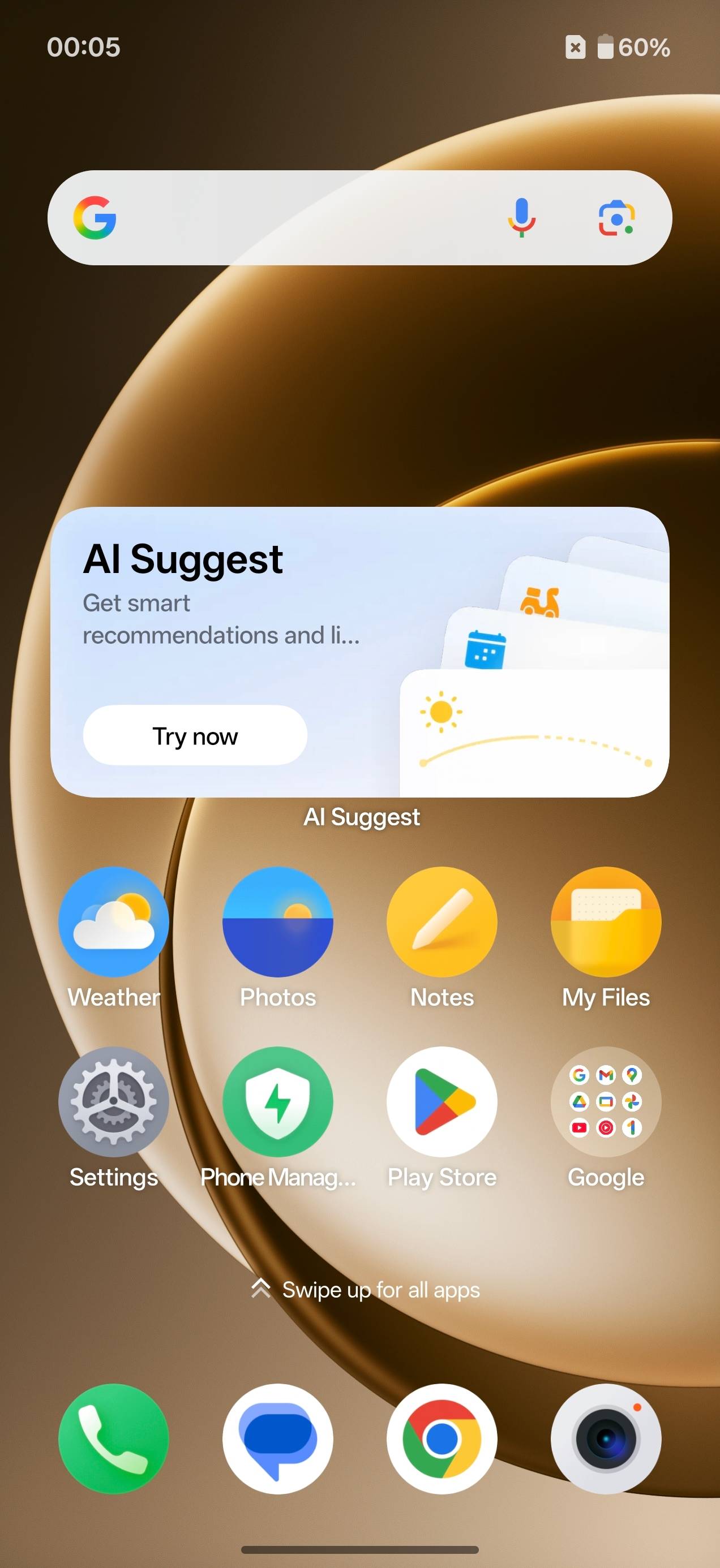
OnePlus 15 ships with the latest OxygenOS 16 based on Android 16. The new UI offers a refreshed look with faster and smoother animations, new features, and more. OnePlus 13 has also been updated to OxygenOS 16, and both phones get the same 4+6 years of software support. However, since the OnePlus 15 runs OxygenOS 16 out of the box, it gets an additional year of software support.
Hasselblad out, DetailMax Engine in
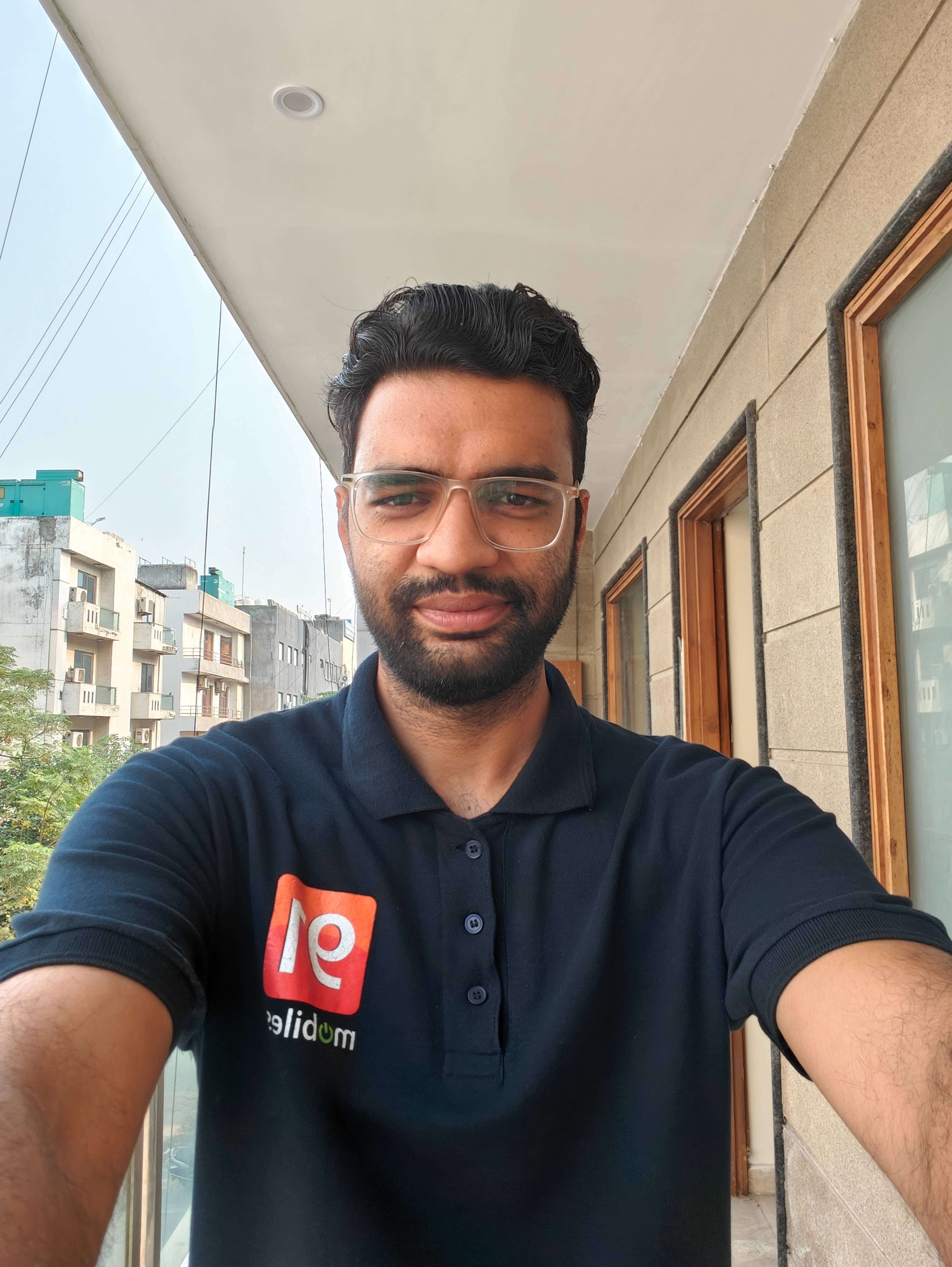
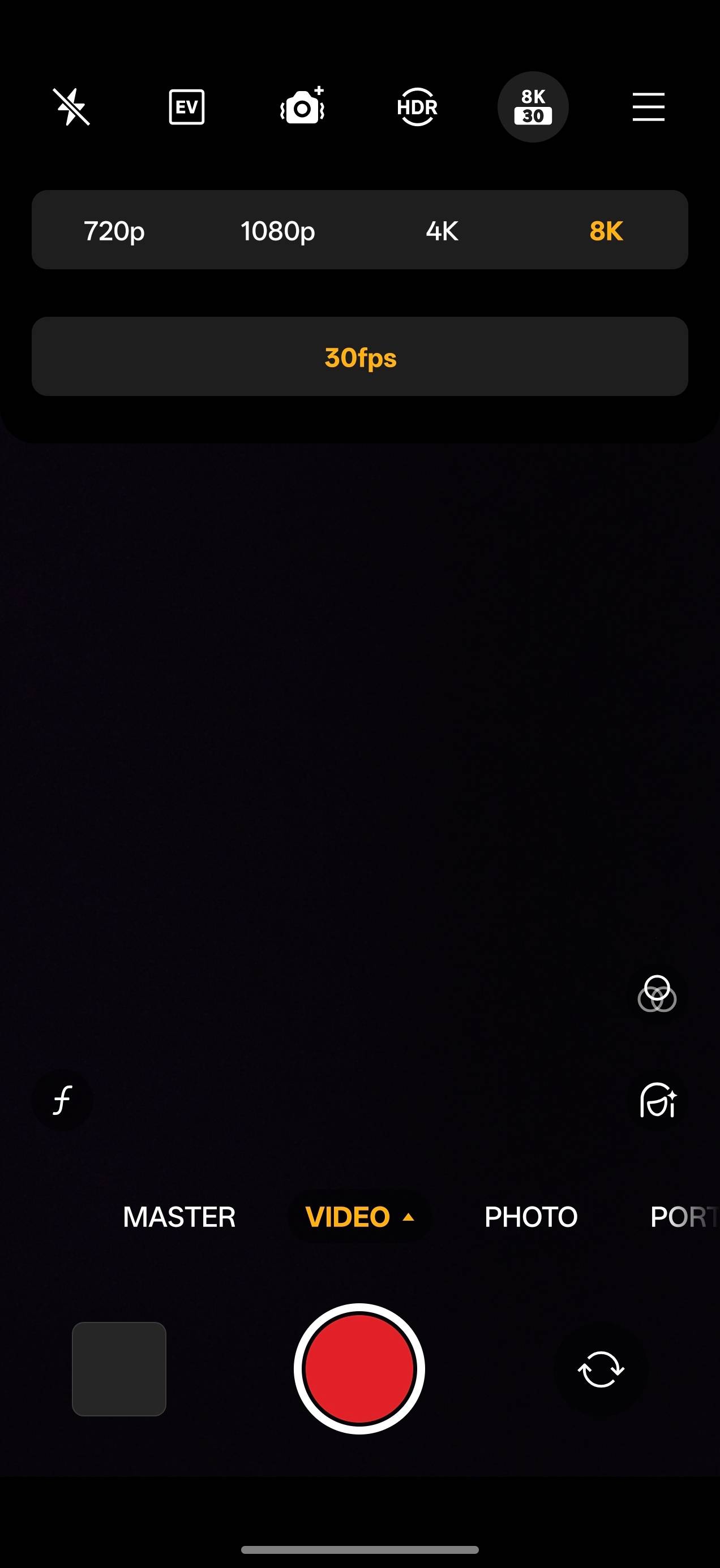
With the OnePlus 15, the brand has officially ended its five-year partnership with Hasselblad. This is being replaced by the in-house DetailMax image engine, which OnePlus says leverages advanced algorithms and powerful processing to deliver photos that look “breathtakingly clear and truly real.” It also gives OnePlus complete control over image tuning, allowing the company to fully harness the Snapdragon 8 Elite Gen 5’s imaging capabilities. The camera setup features a 50MP primary sensor, a 50MP ultra-wide lens, and a 50MP periscope telephoto lens. OnePlus has also increased the optical zoom to 3.5x from 3x on the 15. For selfies, you get a 32MP front camera on the OnePlus 15.
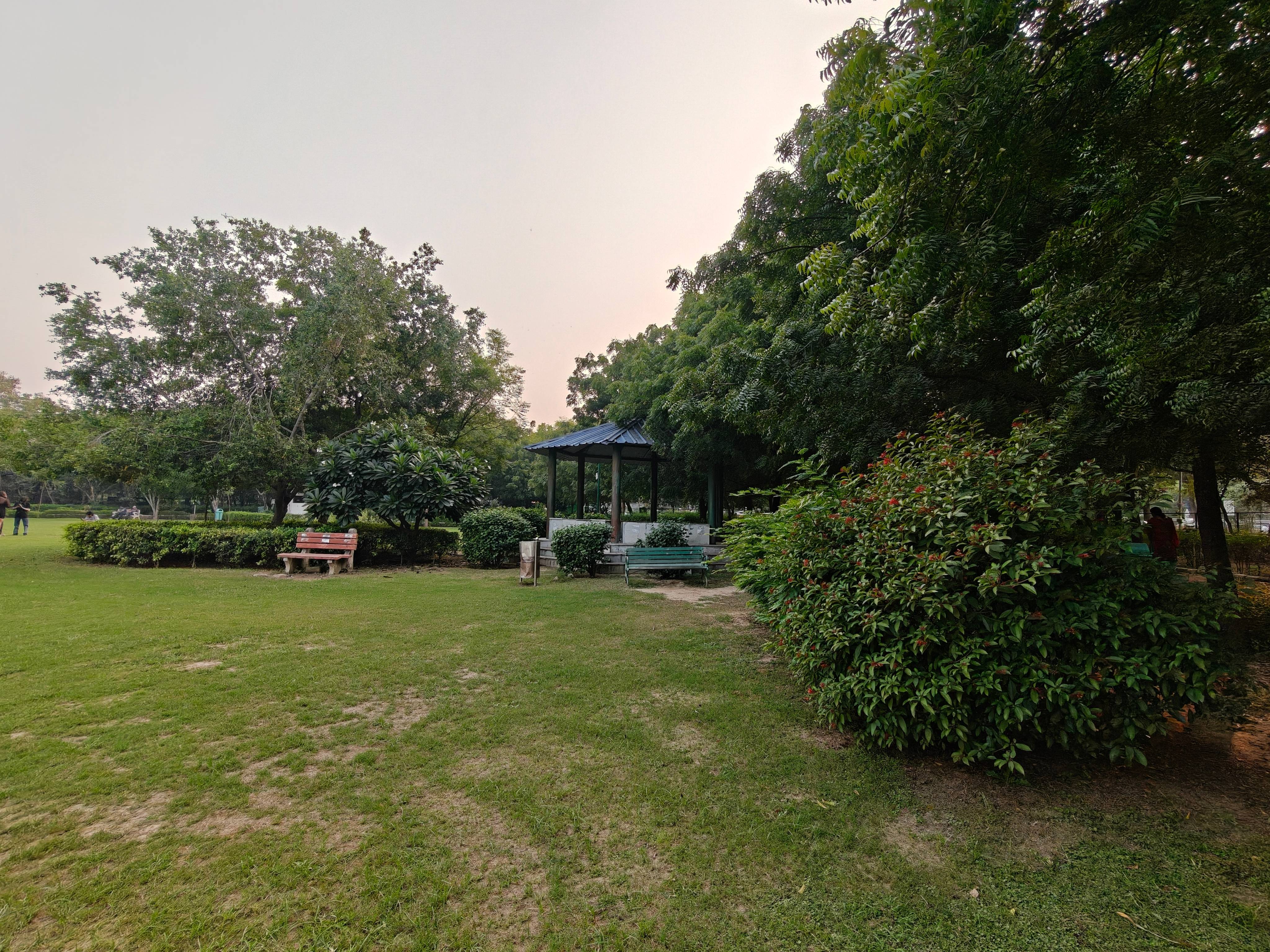
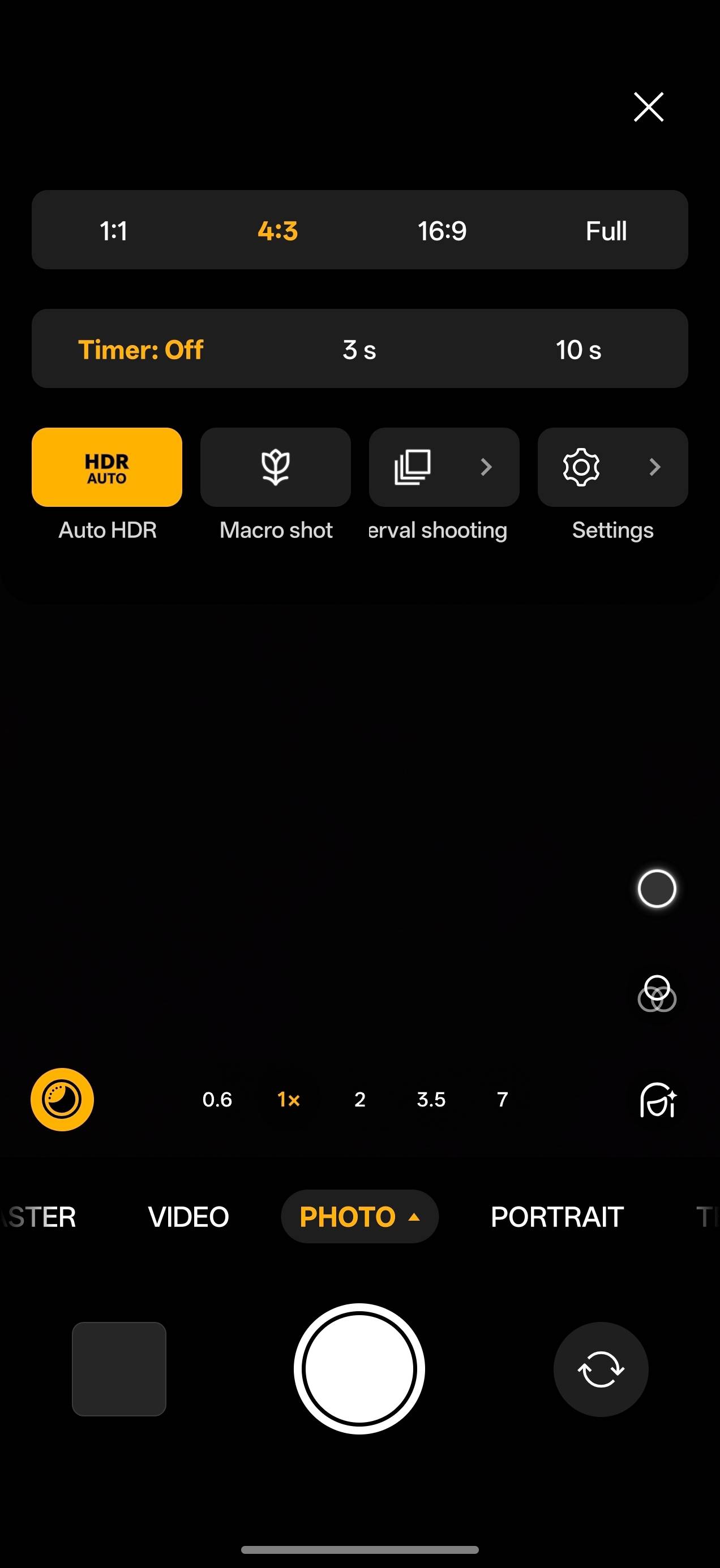
We tested the OnePlus 15’s cameras to see how they improved and where they possibly lack. One thing is clear: the OnePlus 15 isn’t aiming to be the best camera phone in the premium segment. Its triple-camera setup is versatile and fast, but overall results are tuned more for social media than for serious photography. Daylight shots look good, portraits at 3.5x hold up well, and the quick shutter speed, combined with Clear Burst mode, makes it reliable for point-and-shoot use.
Check out some of the OnePlus 15’s camera samples.















Low-light performance is where it falls short of pro-grade rivals. In our testing, we found that the OnePlus 15 keeps the sky darker and delivers a more dramatic look, but the rest of the frame appears dimmer and softer. Some may like this aesthetic, but it’s not for everyone. The OnePlus 15 is best suited for users who want quick, reliable snaps without needing professional-grade output.
Coming to the OnePlus 13, its cameras deliver flagship-level performance with good dynamic range and brightness. It features a similar setup, comprising a 50MP main camera, a 50MP ultra-wide camera, and a 50MP 3x periscope telephoto lens.
Images have warmer tones but remain aesthetically pleasing. Selfies are rather inconsistent, particularly in terms of colour and sharpness, and sometimes in accurately capturing the shade of skin complexion. The smartphone’s primary camera also maintains good detail, but not the best. With the OnePlus 13, too, we found its cameras to be impressive but still not matching rivals at the time, like the Vivo X200, which focuses heavily on cameras.


Bigger battery and faster charging
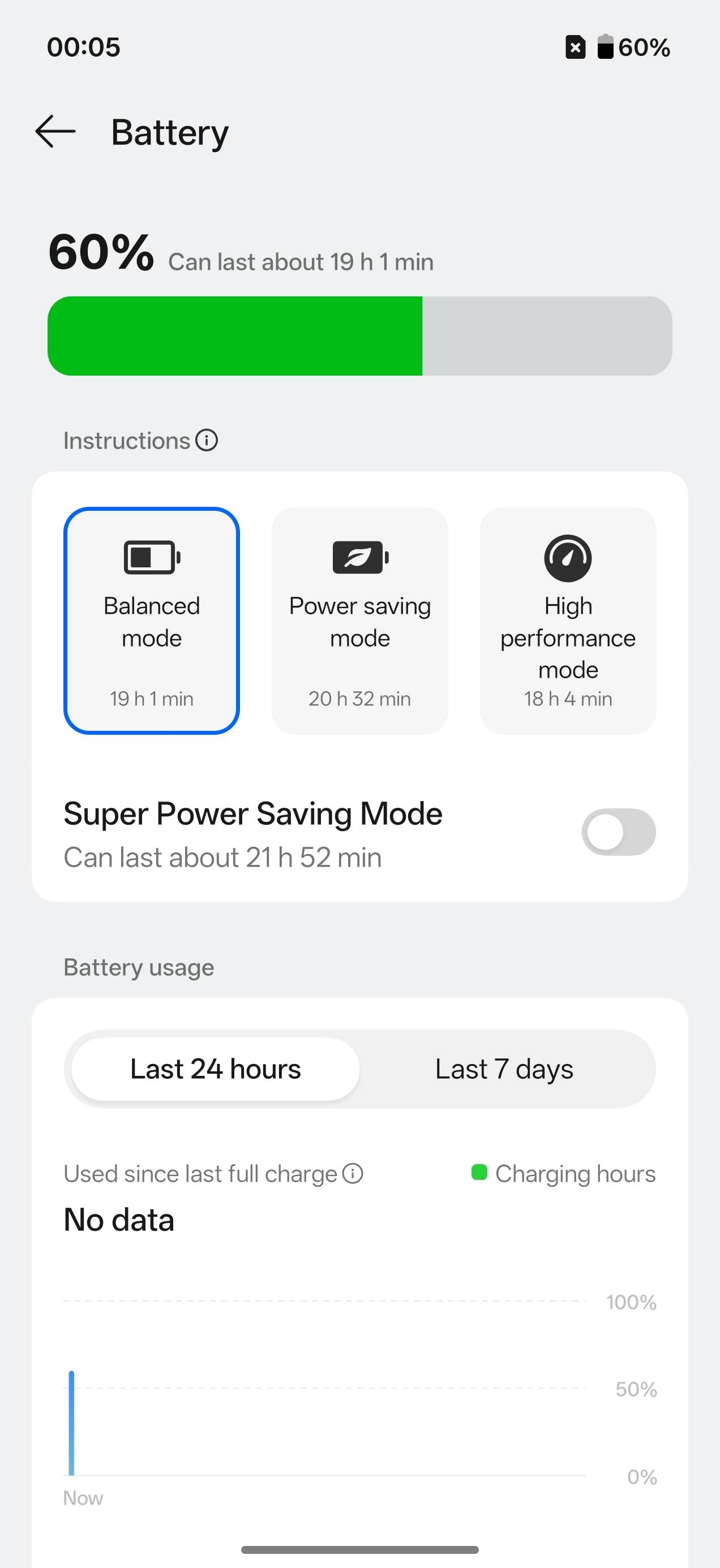
The OnePlus 13 features a 6,000mAh battery and supports 100W fast charging. Its successor packs a bigger 7,300mAh battery and even faster 120W charging support. This is a significant upgrade on both ends, and we could clearly see it in our usage. The OnePlus 15 managed to last through half of the next day with extensive usage, including streaming an hour-long episode, gaming for around an hour, and checking various social apps and emails throughout the day. We still had around 40-50 percent battery life, which can easily last for at least half a day more.
| Smartphone | Battery Capacity | Charging Support | Charging time (20% to 100% ) |
| OnePlus 15 | 7300 mAh | 120W Super VOOC Charging | 30m |
| OnePlus 13 | 6000 mAh | 100W Super VOOC Charging | 27m |
With 120W fast charging, the OnePlus 15 takes less than 30 minutes to go from 20 to 100 percent, about the same as the 13. That said, you get an impressive battery life with the OnePlus 13, too. The handset can last over a day with extensive usage, and possibly even more with lighter usage. Both phones are great for battery life, especially for a flagship, but if you want the best, we suggest the OnePlus 15.
The OnePlus 15 offers significant upgrades over its predecessor, making it a compelling option for those transitioning from an older OnePlus model or switching brands. For OnePlus 13 users, however, the jump may feel modest. While the OnePlus 15 delivers stronger performance with a clear emphasis on gaming, the overall experience isn’t drastically different from the 13. Additionally, with a starting price of Rs 72,999, the OnePlus 15 is quite pricey, so those who are satisfied with the previous generation may want to stick with it and wait for offers and discounts before upgrading.
OnePlus 15 Images