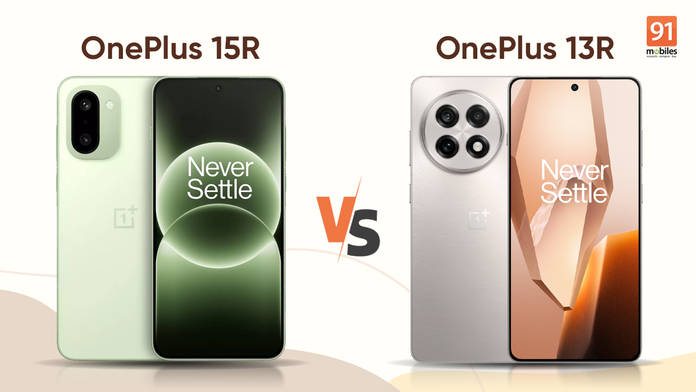
OnePlus’ R-series has been interestingly positioned in the Indian smartphone market, taking performance inspiration from its older flagship sibling but aligning its pricing just under. With the launch of the OnePlus 15R in India, OnePlus is targeting users who need flagship-level performance at a sub-flagship price. However, the outgoing member of the series, the OnePlus 13R (review), which launched in January, is still fresh in memory and is relatively more affordable. So how meaningful is the upgrade really?
The OnePlus 15R price at launch is Rs 47,999 for the 12GB + 256GB variant and Rs 52,999 for the 12GB + 512GB model. This is a bit of an escalation from the launch price of Rs 42,999 of the OnePlus 13R. The increase is attributed to the broader price rise trend across smartphone segments, driven by rising memory component costs. The jump does look steep, but the spec sheet tells a more layered story much like what was the case of the OnePlus 13 and OnePlus 15.
Design and build: familiar, but tougher
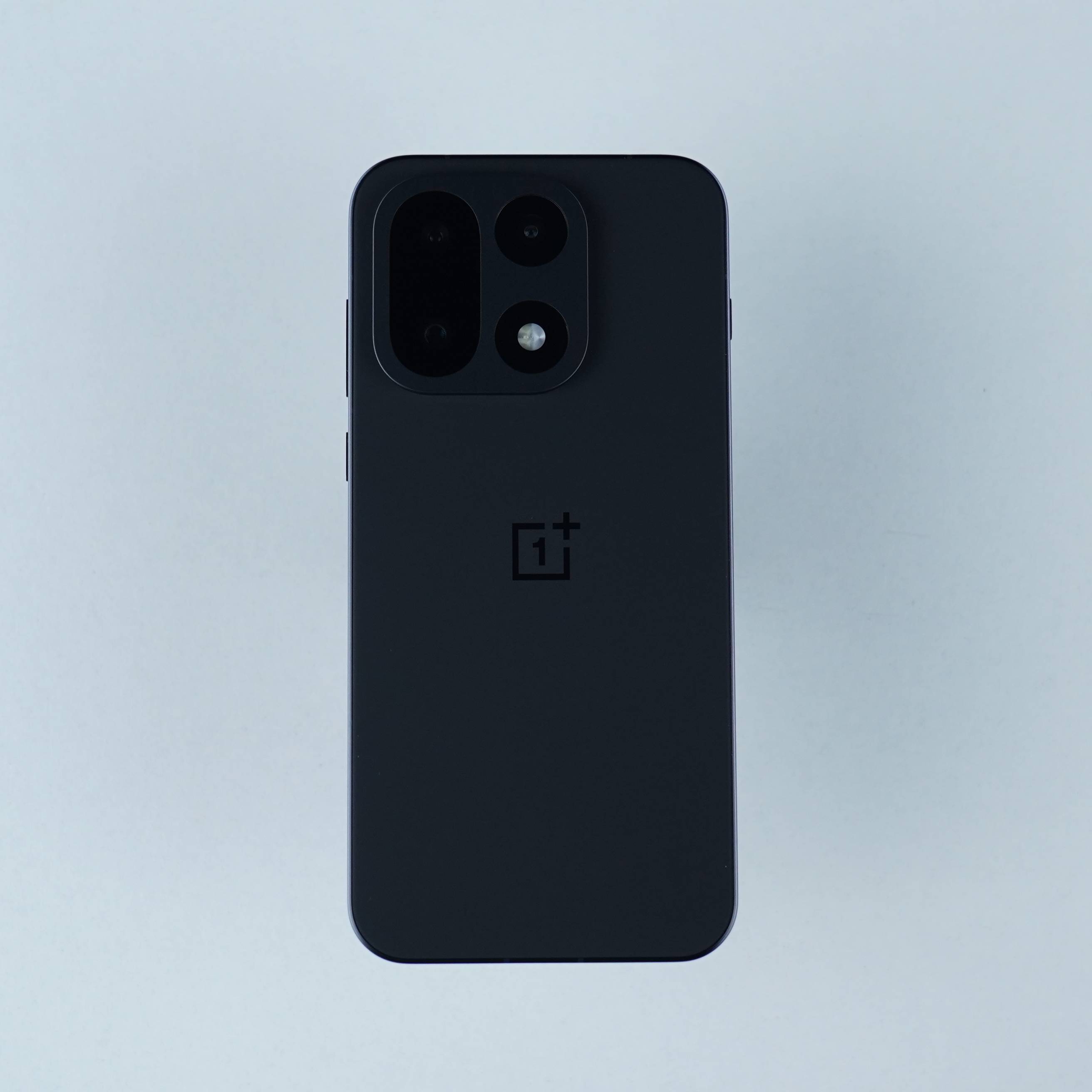
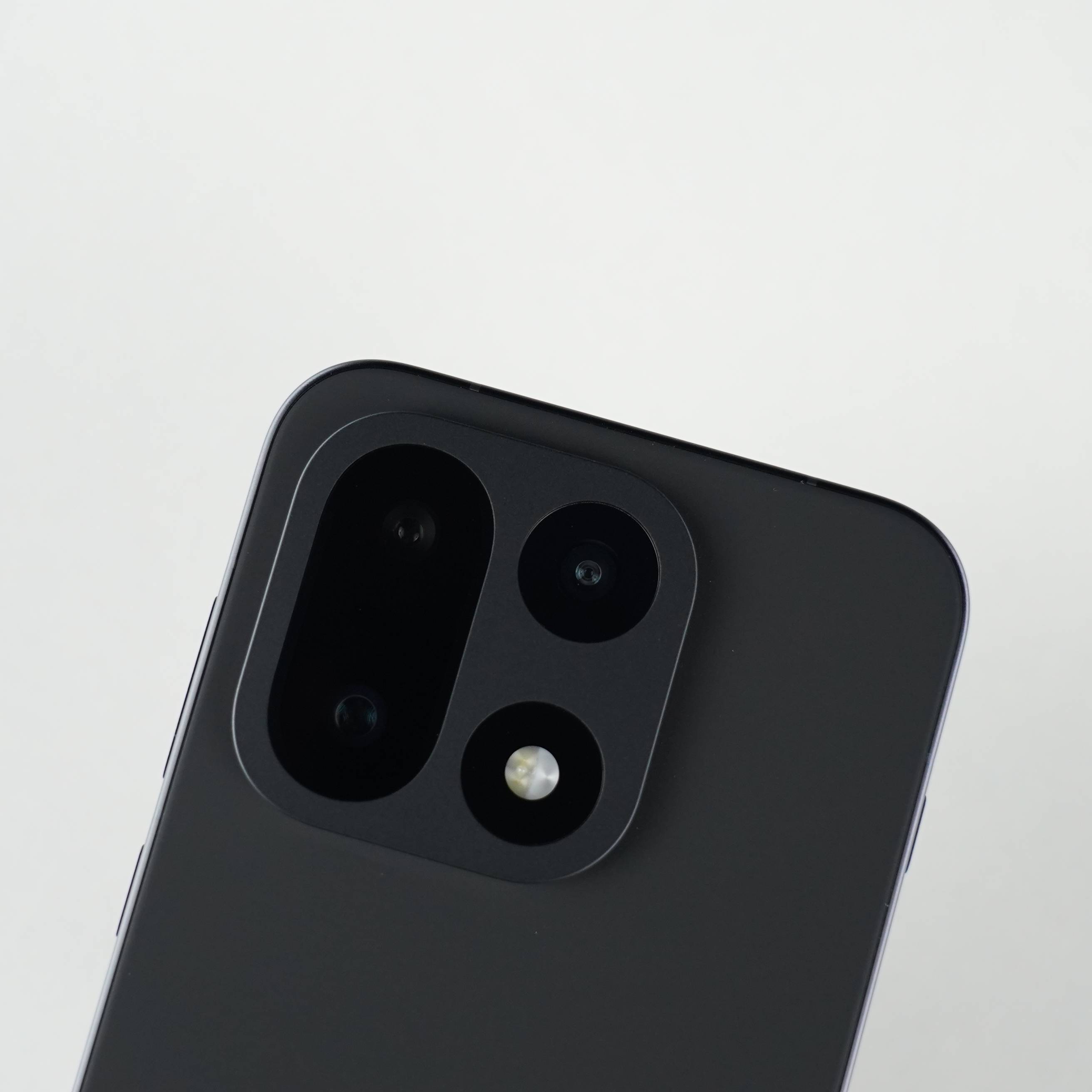
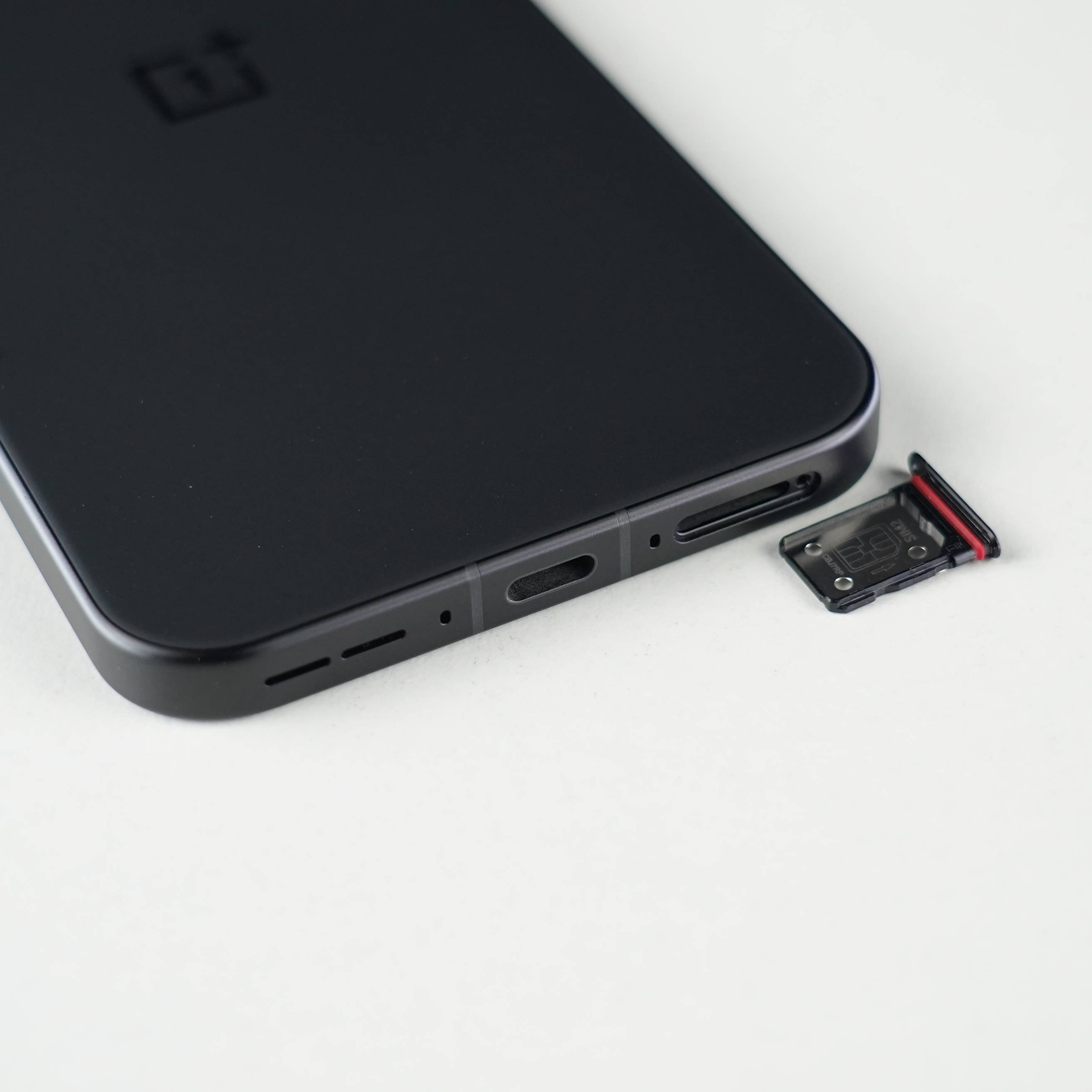
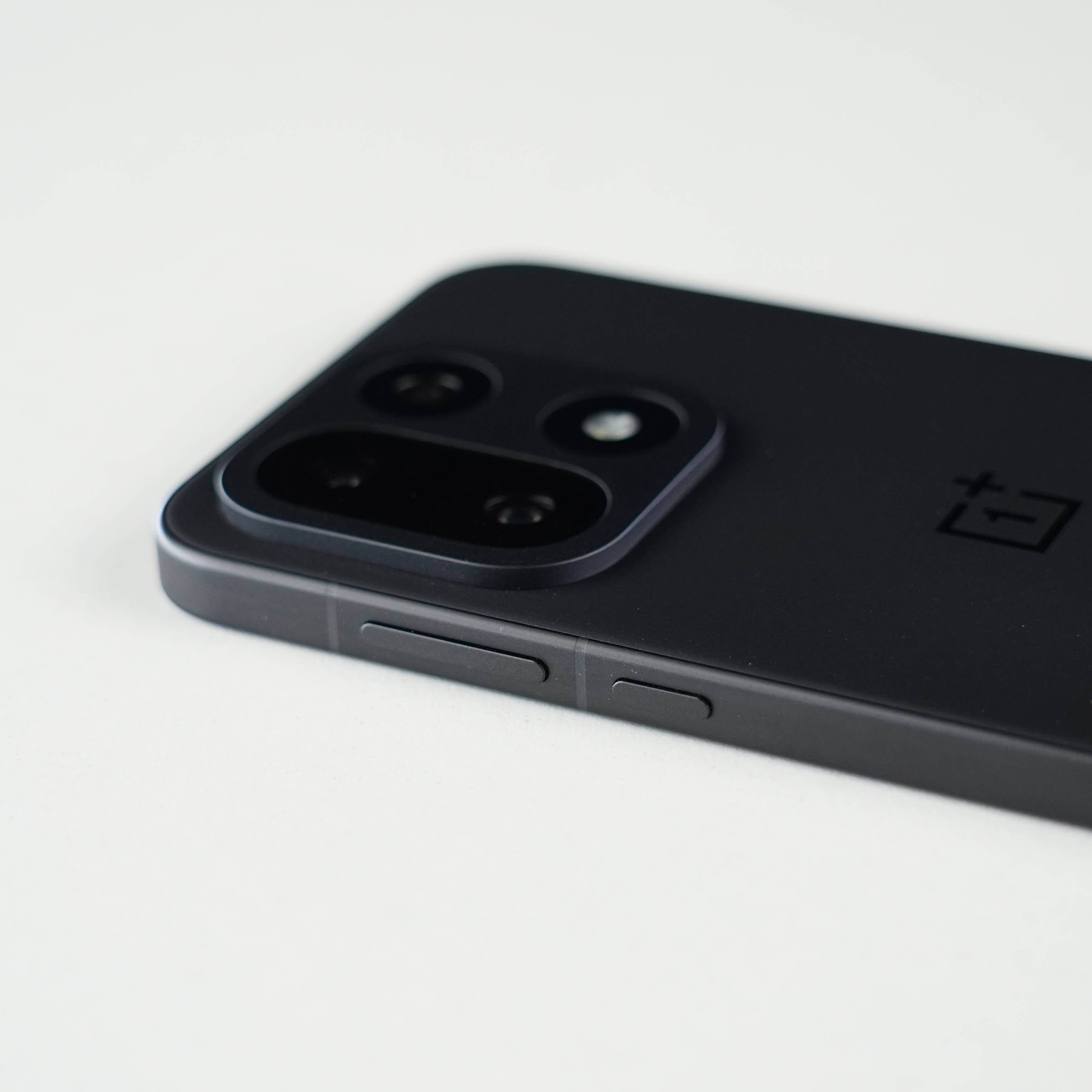
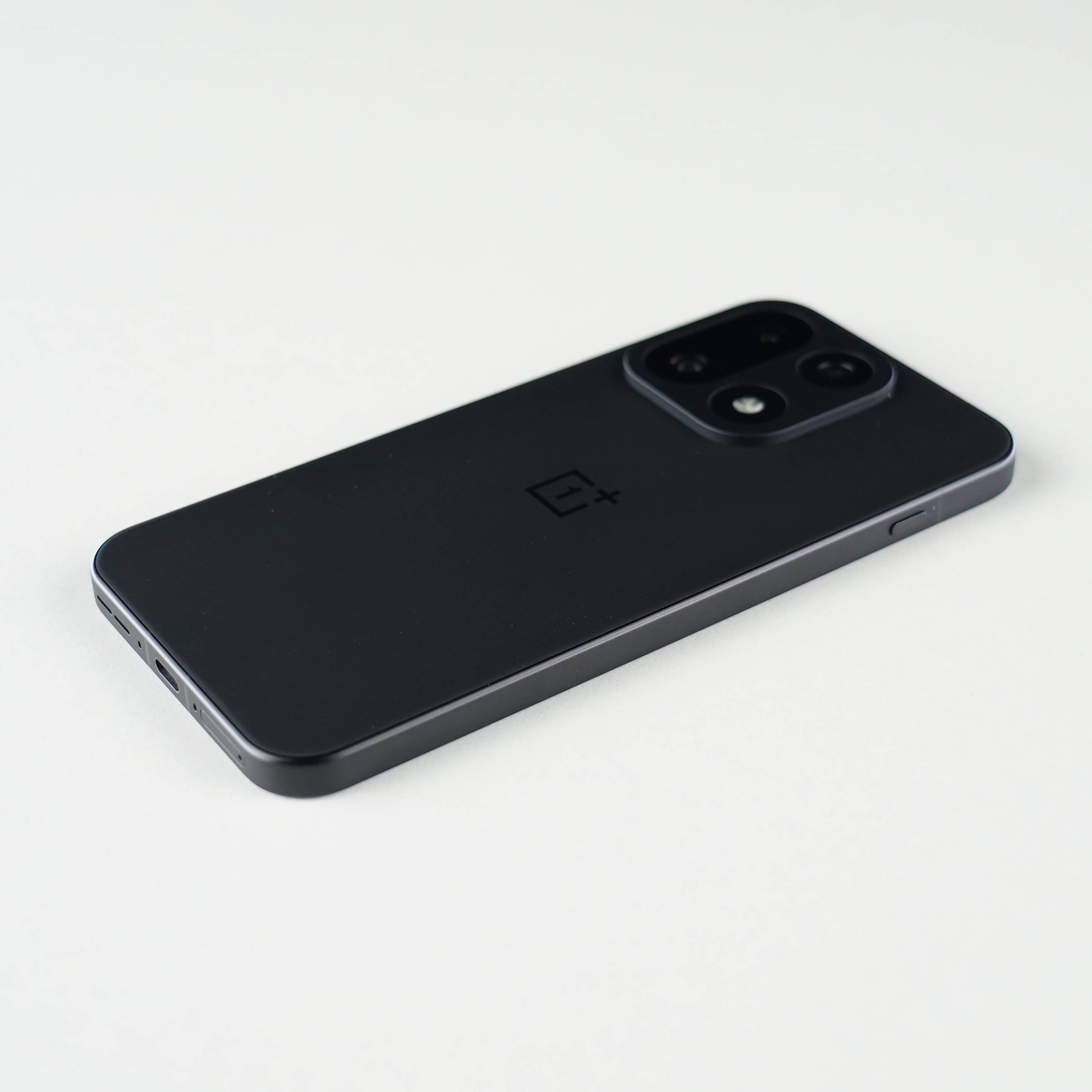
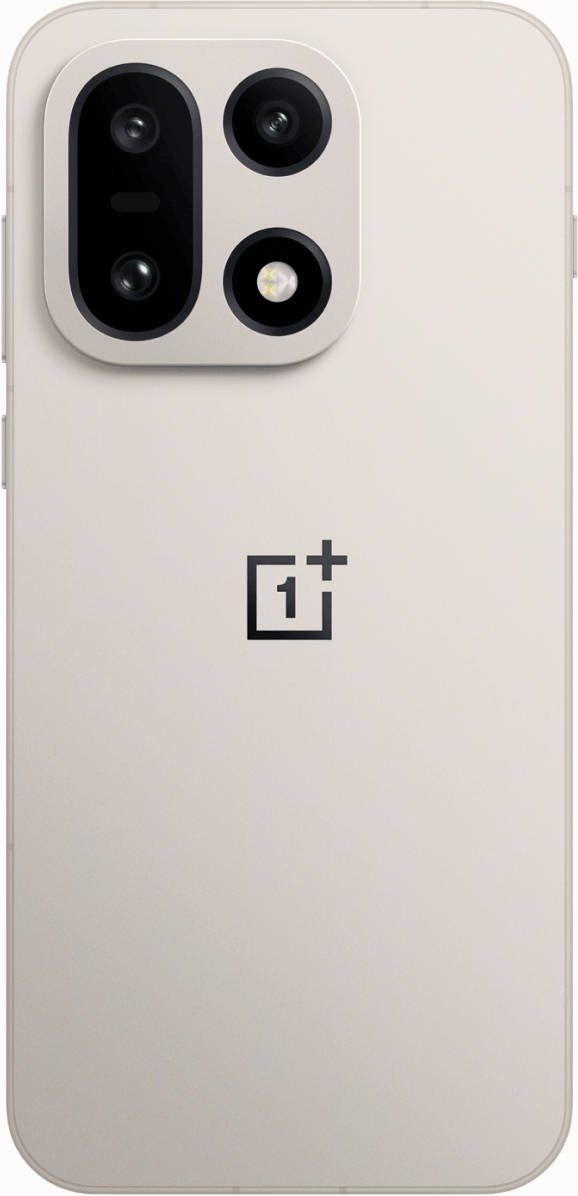
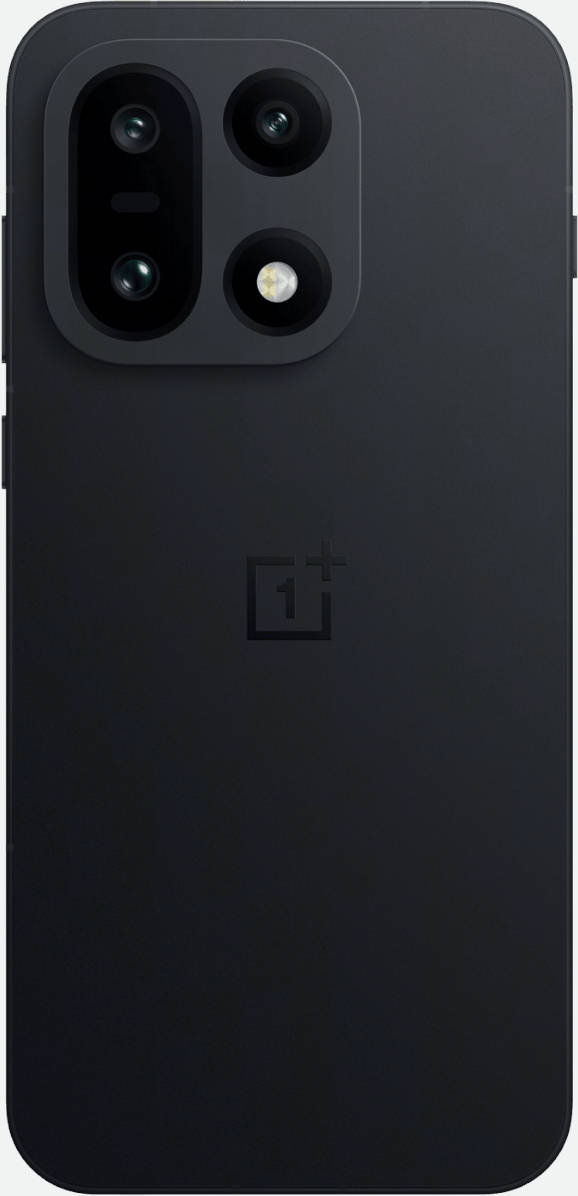
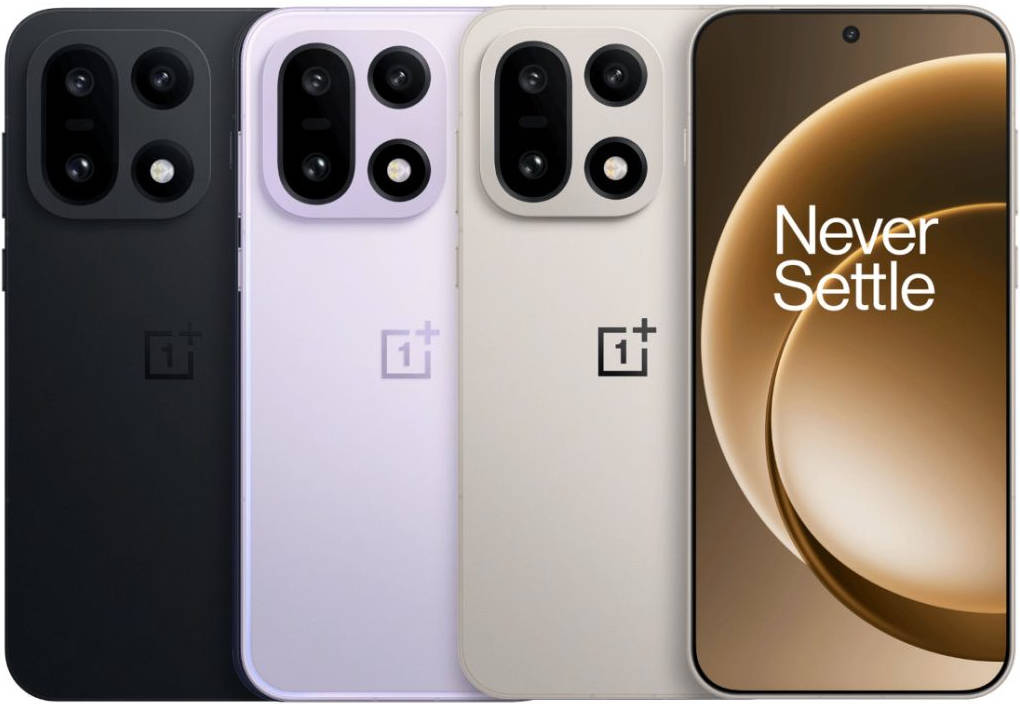
At first glance, the OnePlus 15R looks noticeably different from its predecessor, largely because of its more minimalist take on the camera module. While the OnePlus 13R had a huge circular rear camera island, the 15R takes things slow with a squircle on the left housing two lenses in a pill with the flash on their right. The logo retains its place in the centre. While the flat-edged frame remains familiar, the rear has been simplified, giving the phone a calmer aesthetic. While the minimalism might appeal to some, our review notes that the camera module’s uncanny resemblance to the Nord 2 may cut down the premium appeal that a sub-Rs 50,000 phone must command.

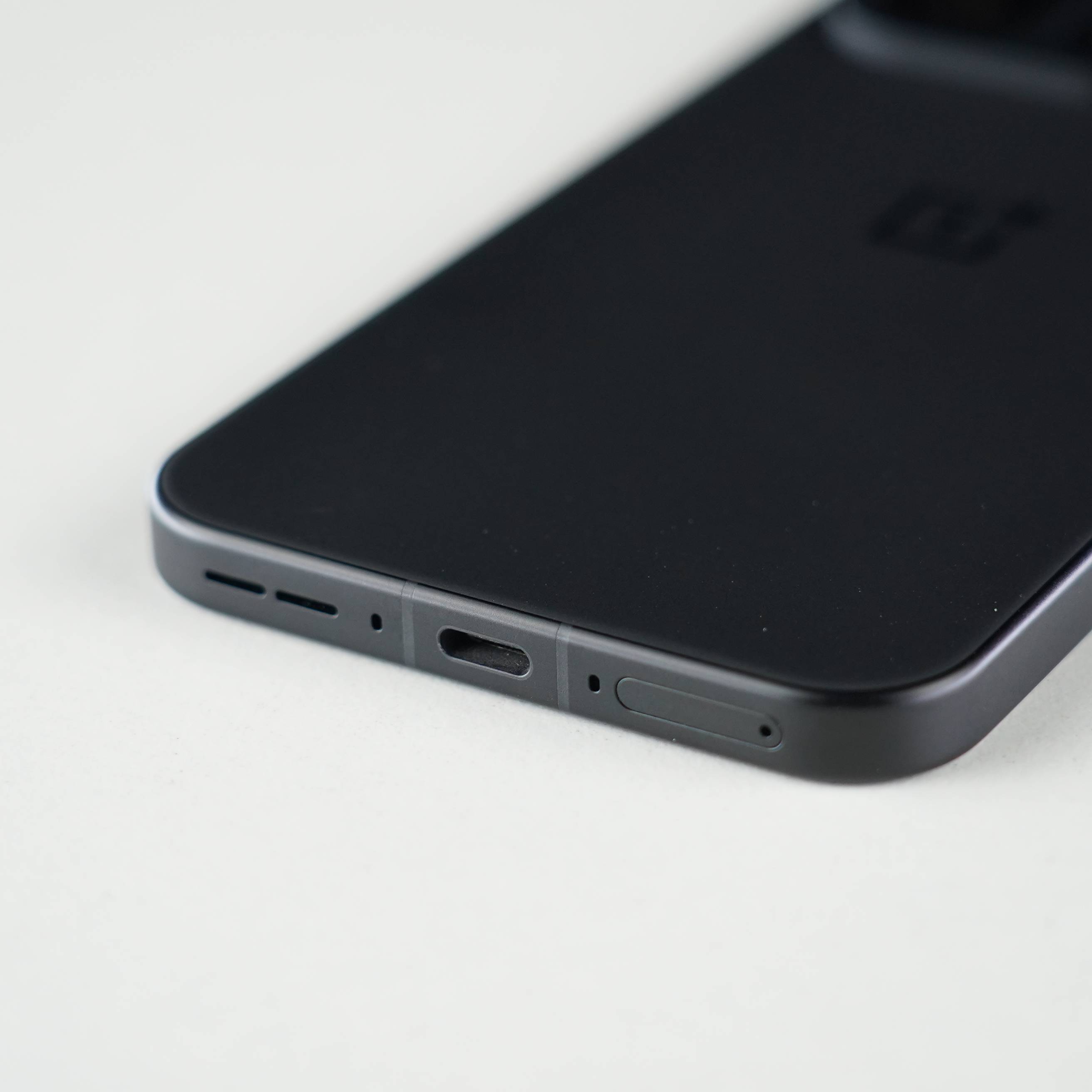
The Alert Slider on the 13R has been replaced by the Plus Key, which debuted on the OnePlus 13s, on the latest 15R. This Plus Key can be customised for shortcuts and AI functions. Apart from the design overhaul, the brand has also improved the durability of the device. The new OnePlus 15R offers IP66, IP68, IP69, and IP69K protection, which is an improvement over the IP65 rating seen on the previous model. This essentially means it’s more dust and water-proof than the OnePlus 13R.
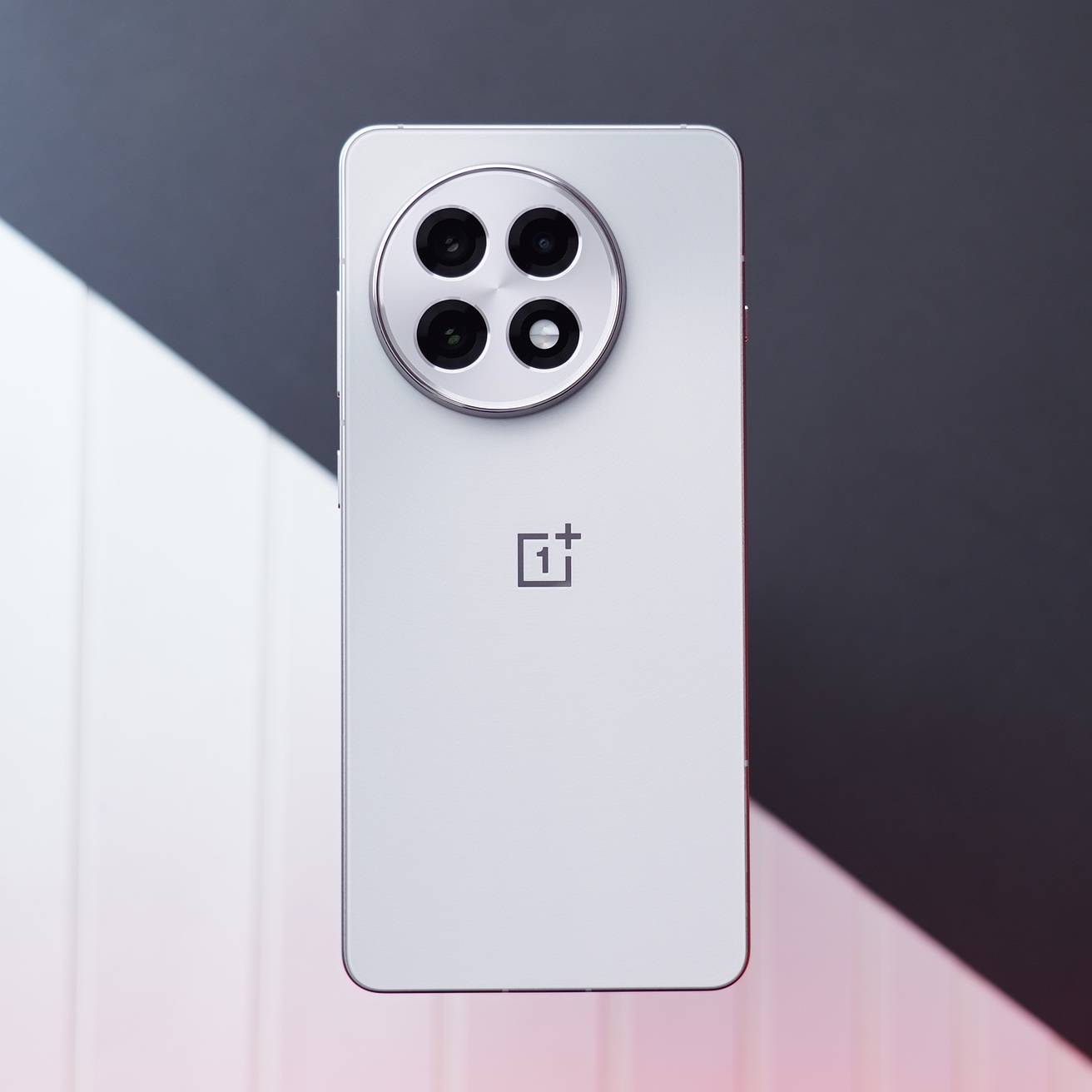
The OnePlus 13R is already solid with its aluminium frame and Gorilla Glass protection, but the 15R leans into the idea of being more durable without looking rugged. New colour options like Mint Breeze and Electric Violet (Ace Edition) also add a bit more personality compared to the more restrained black or silver options of the 13R.
Display: bigger, faster, and smoother
Display has been one of the strong points of the R-series, and both these two phones are no exception. The OnePlus 13R comes with a 6.78-inch 1.5K LTPO AMOLED screen with a dynamic 1-120Hz refresh rate and a peak of 4,500 nits of brightness.

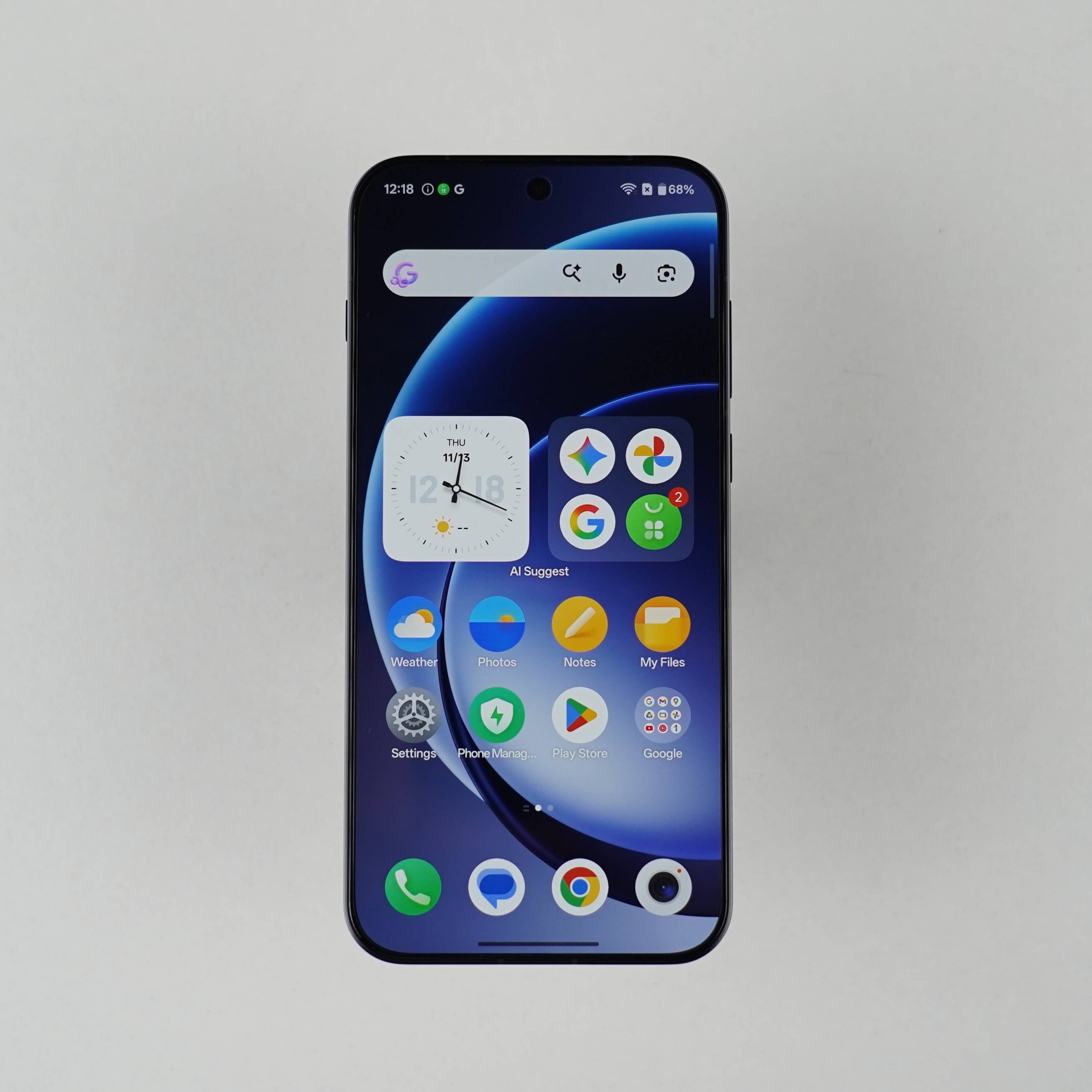
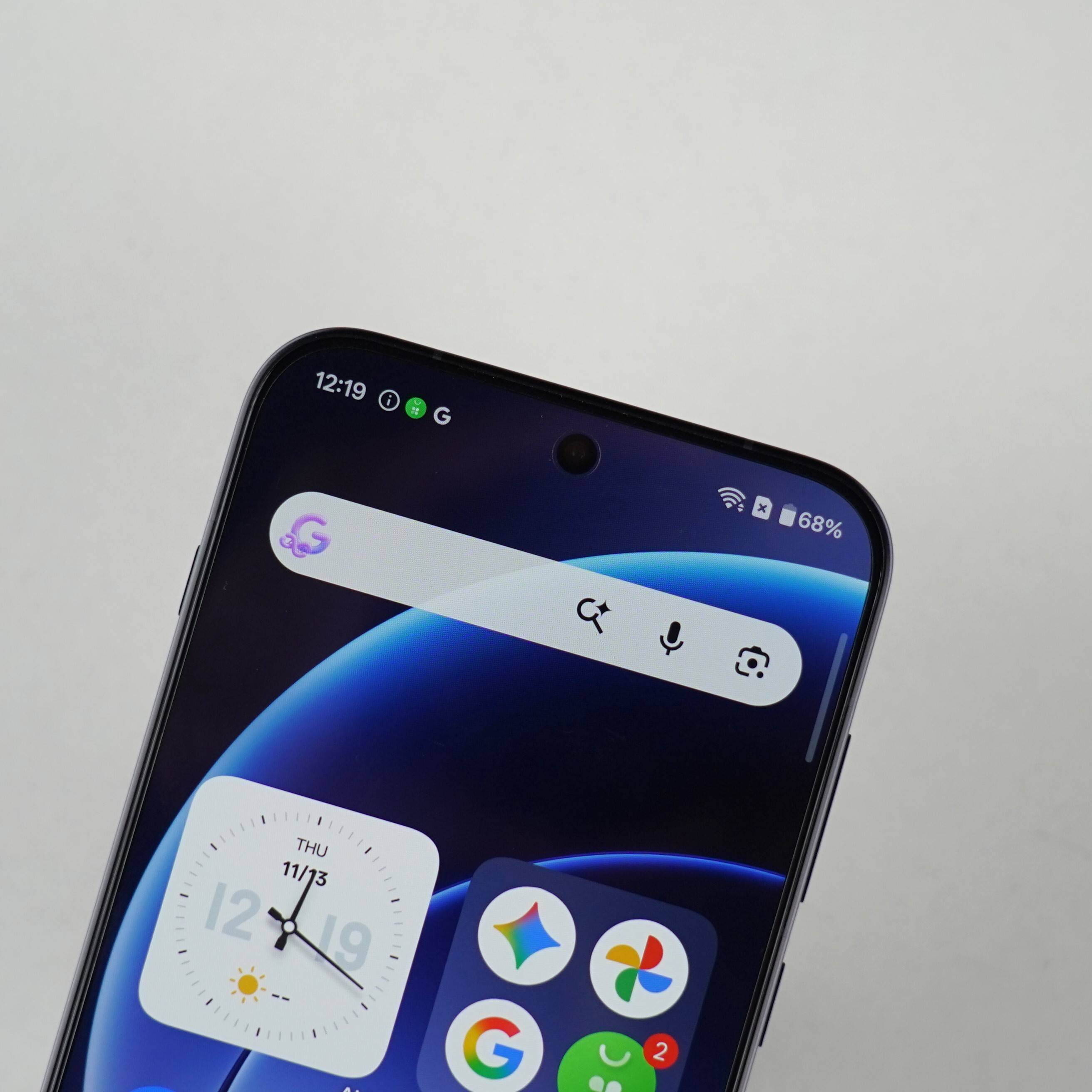
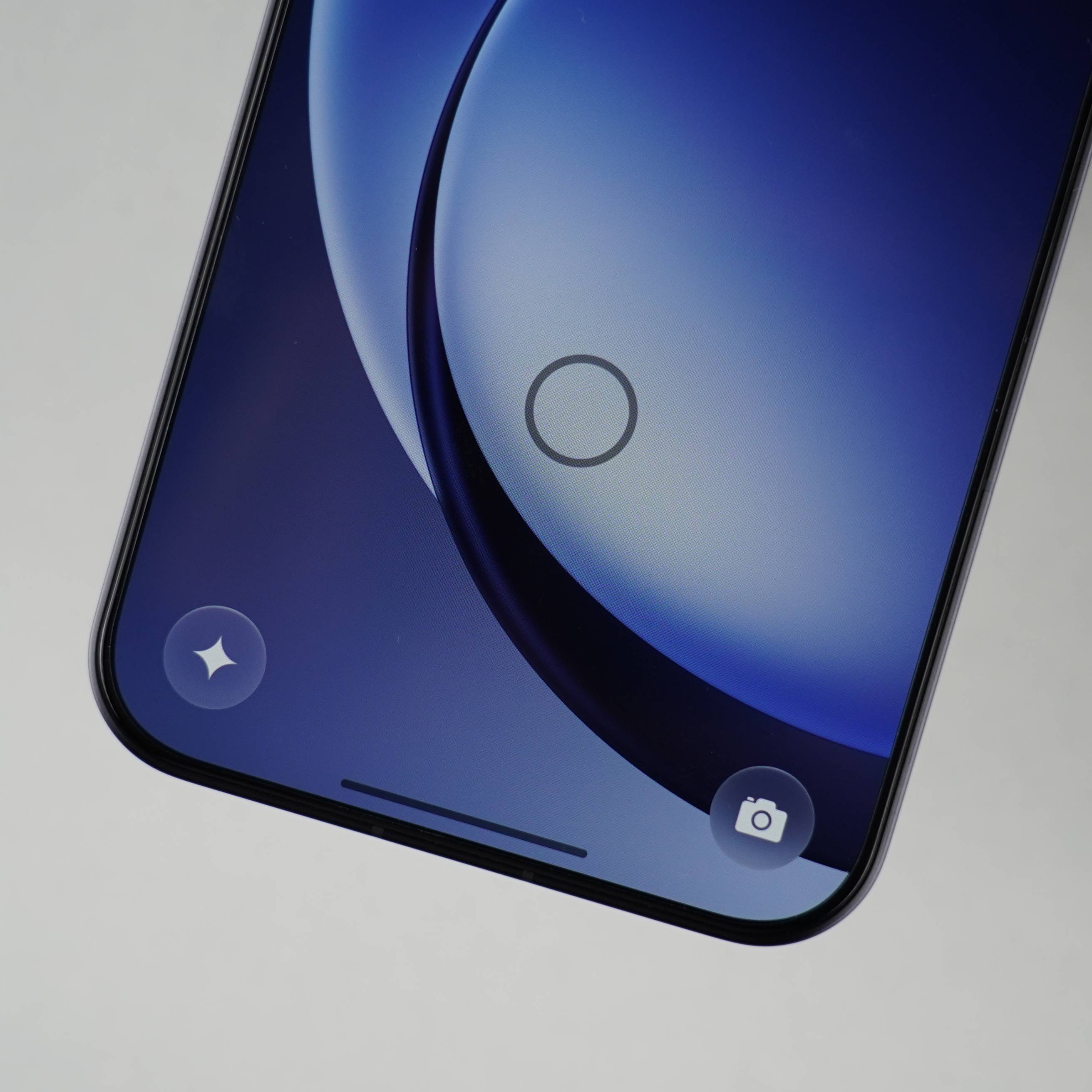
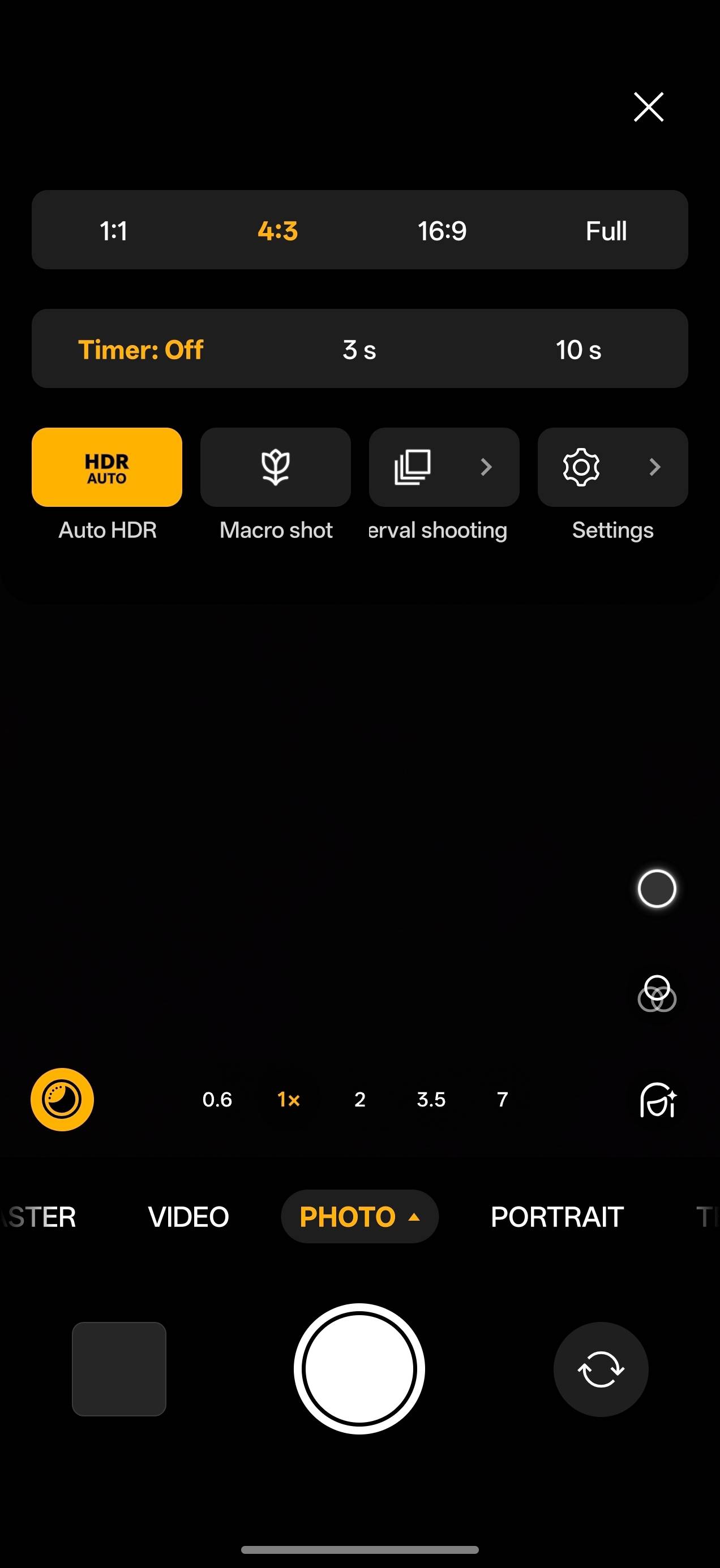
The OnePlus 15R goes a step further, increasing the size to 6.83 inches but retaining the 1.5K resolution on its AMOLED display, and upping the refresh rate to 165Hz but with LTPS tech. An LTPS display on the 15R seems like a downgrade from the 13R’s LTPO screen, but the new phone still delivers sharp visuals and a smooth and fluid high-refresh-rate experience in everyday use. The 165Hz refresh rate is largely reserved for select gaming titles, reflecting a a broader industry trend where higher refresh rates are becoming a selling point.
Performance: a generational leap
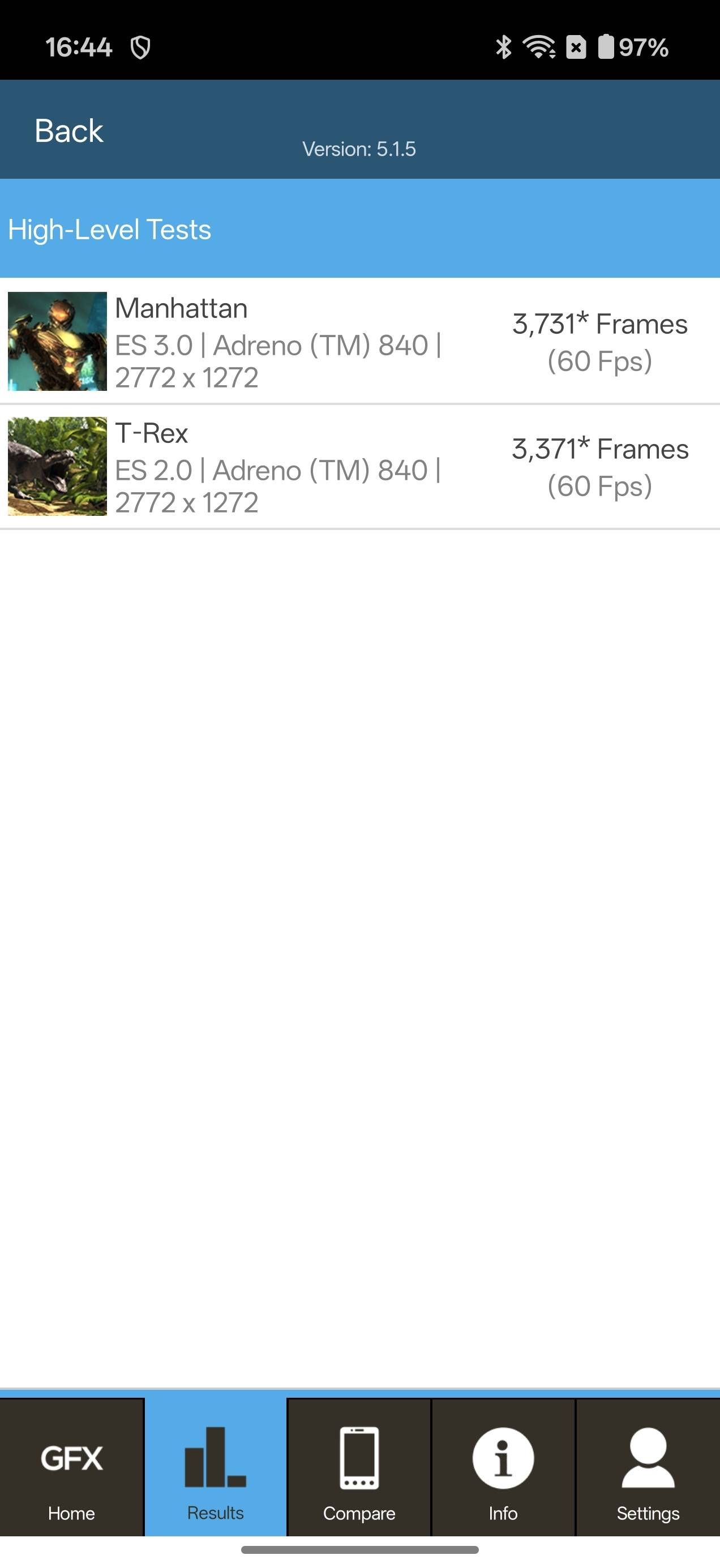
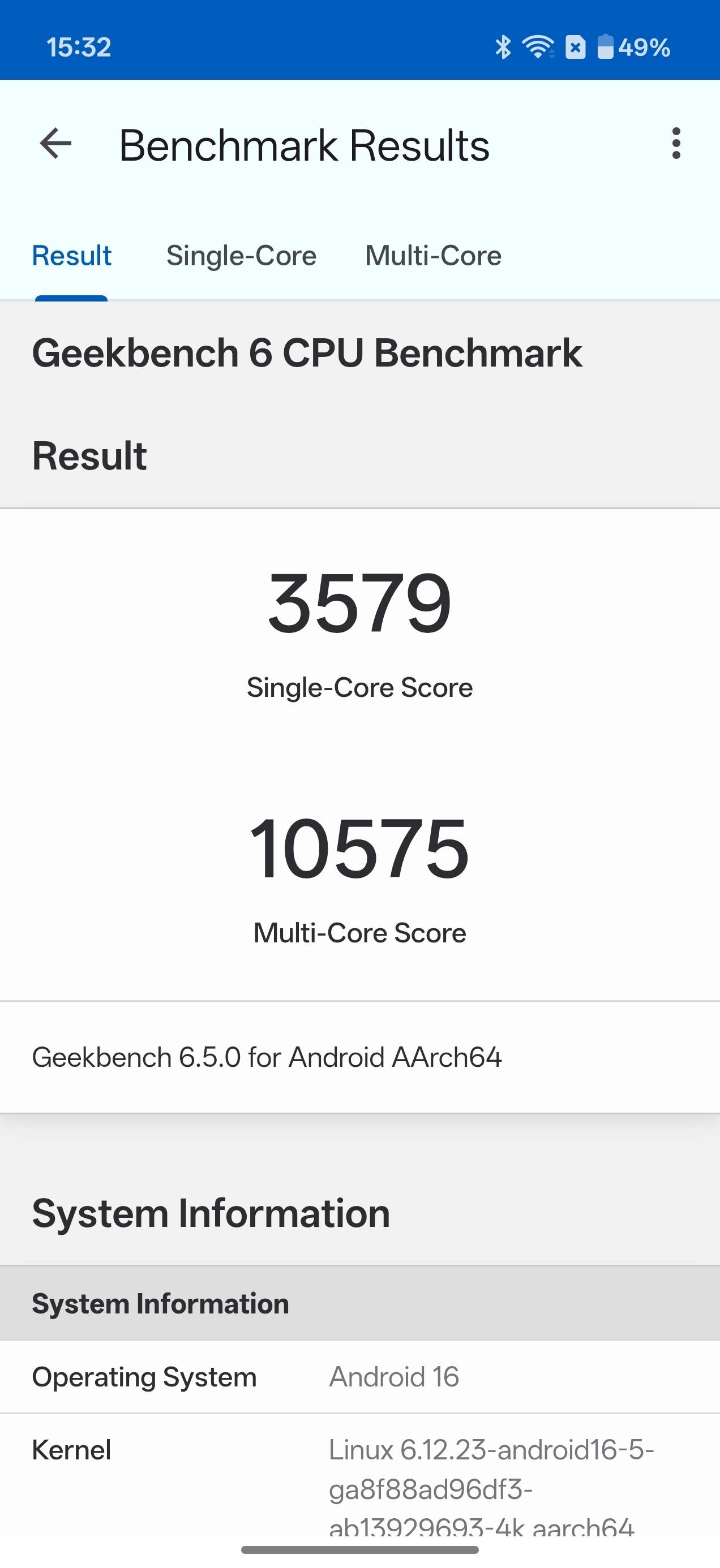
The OnePlus 13R comes with the Snapdragon 8 Gen 3 chipset, which even after a year, is a very competent chip. However, the OnePlus 15R is the first phone in the world to come with the Qualcomm Snapdragon 8 Gen 5 processor, which is based on a 3nm process. Incidentally, this is the first R-series phone to feature a 3nm chip, which automatically brings more efficiency and better performance.
For regular users, the different chipsets won’t translate to much but for gamers, the difference would be quite noticeable, which is reflected in the benchmark scores of the OnePlus 15R and 13R.


Additionally, the 15R features the OnePlus 15’s G2 Wi-Fi chip and a Touch Response Chip for better network stability and touch response, especially while gaming. If you’re a heavy gamer, the 15R would be the stronger pick for you in terms of performance.
Cameras: a shift in priorities
OnePlus has adopted an interesting, and what may seem risky, camera strategy this year. The OnePlus 13R featured a triple-camera setup, including a 50MP Sony LYT-700 main sensor, a 50MP 2x telephoto lens, and an 8MP ultra-wide camera. This gave it more flexibility, especially with regard to portraits and casual zoom photography.
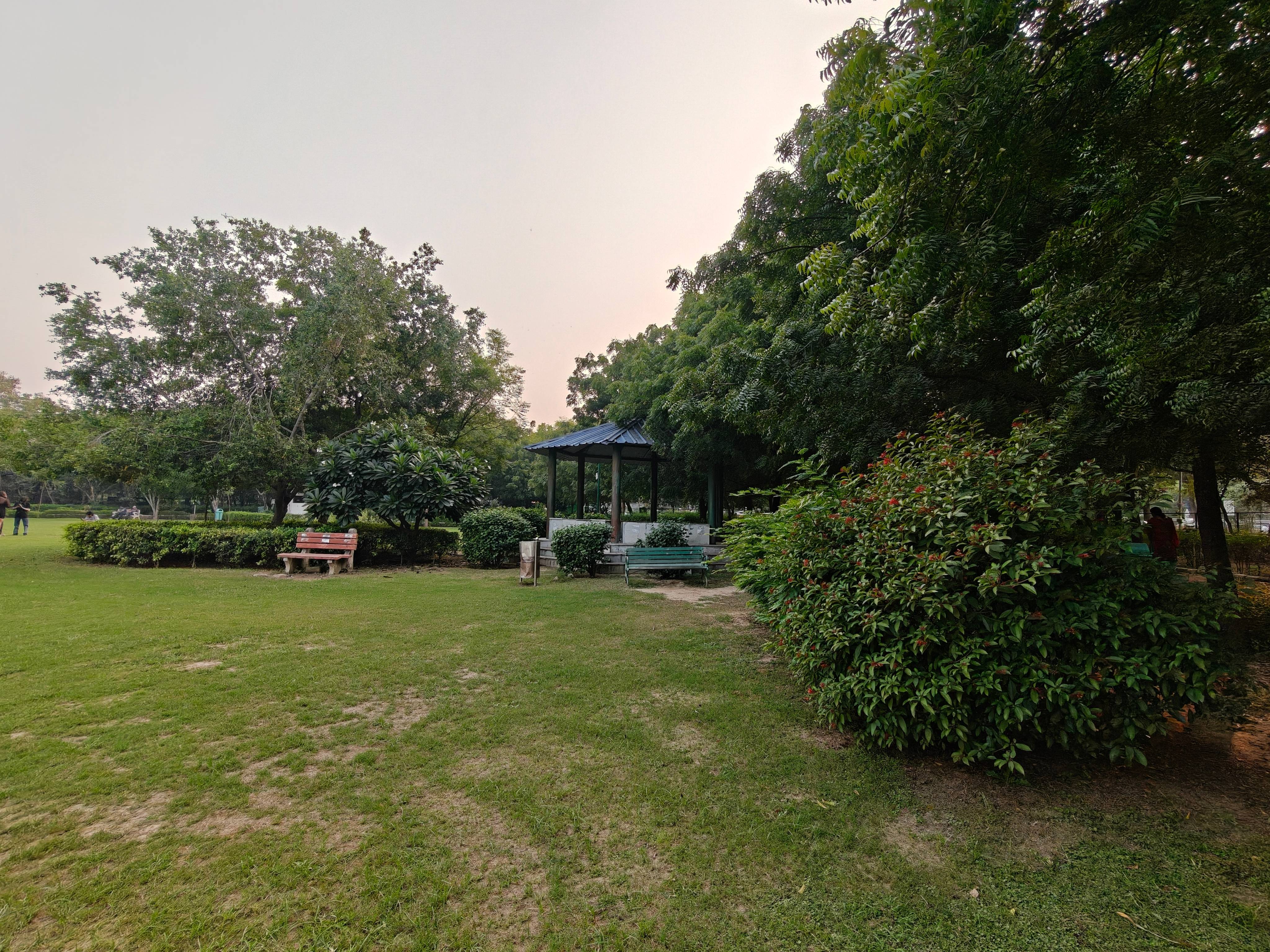
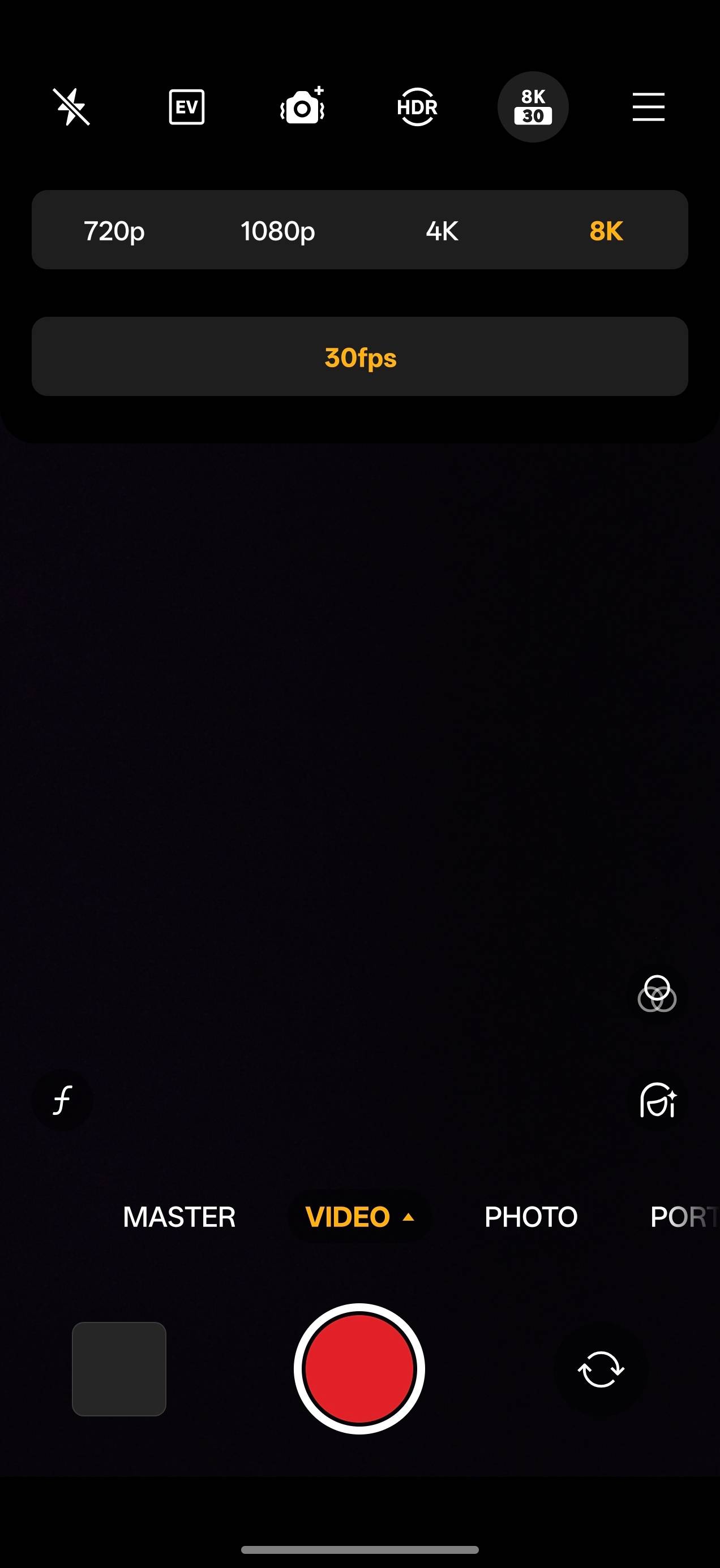
The OnePlus 15R simplifies things with a dual camera setup, comprising a 50MP main camera with OIS and an 8MP ultra-wide lens. The telephoto lens is gone, but OnePlus seems to be trading that off by loading the same DetailMax imaging engine found on the flagship OnePlus 15. This has improved image processing and the ability to shoot video at 4K and 120 frames per second, an enormous upgrade from the previous 13R. The Hasselblad partnership has also gone. Check out some camera samples of the OnePlus 15R:






On the front, the upgrade is clearer. The 15R gets a 32MP autofocus selfie camera with 4K video support, compared to the 13R’s 16MP fixed-focus unit. For video calls and content creators, this could be a meaningful improvement.
Our reviewer notes that cameras are one of the least exciting aspects of the 15R and while the main camera does a decent job, the 8MP ultra-wide is underwhelming. In low light conditions too, the camera struggles with exposure and details.
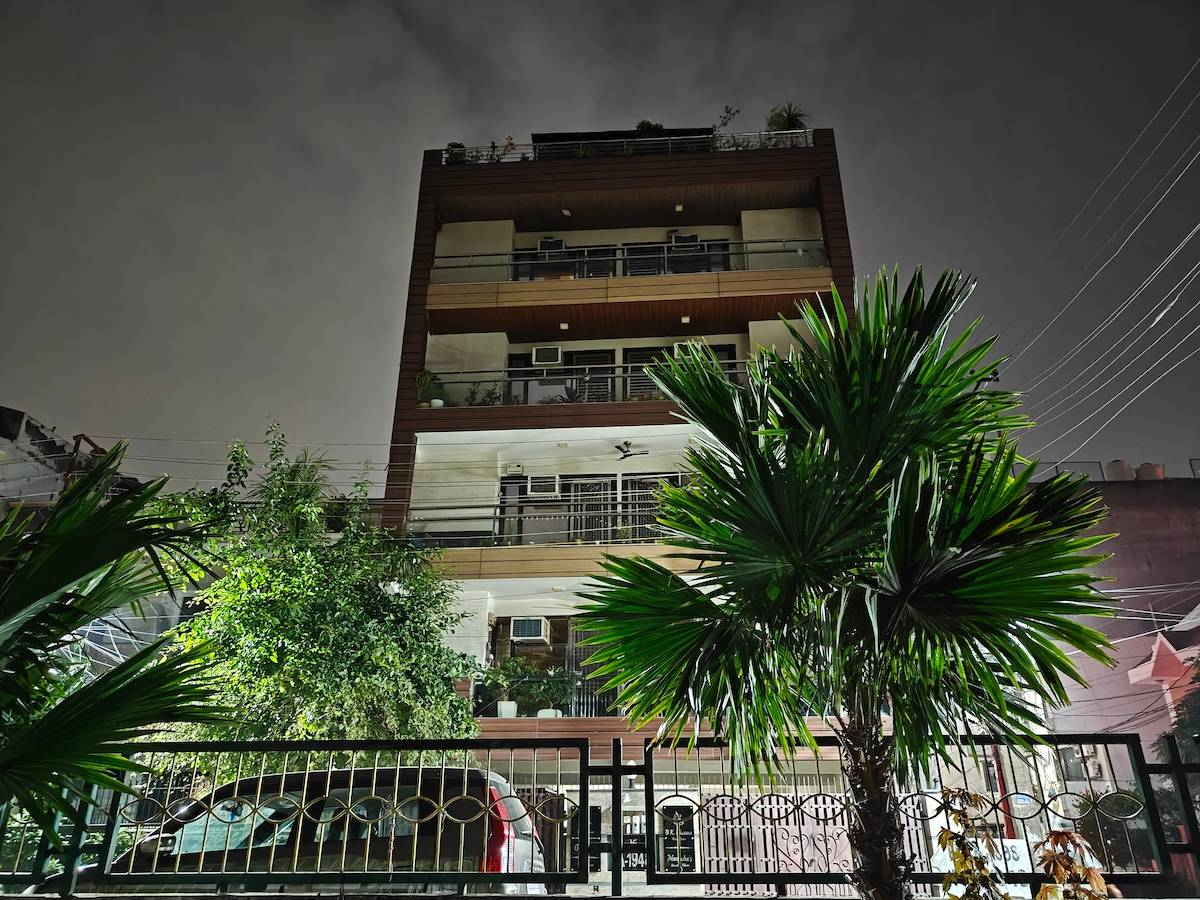
Here are some photos clicked with the OnePlus 13R for you to gain context:





Battery and charging: bigger wins
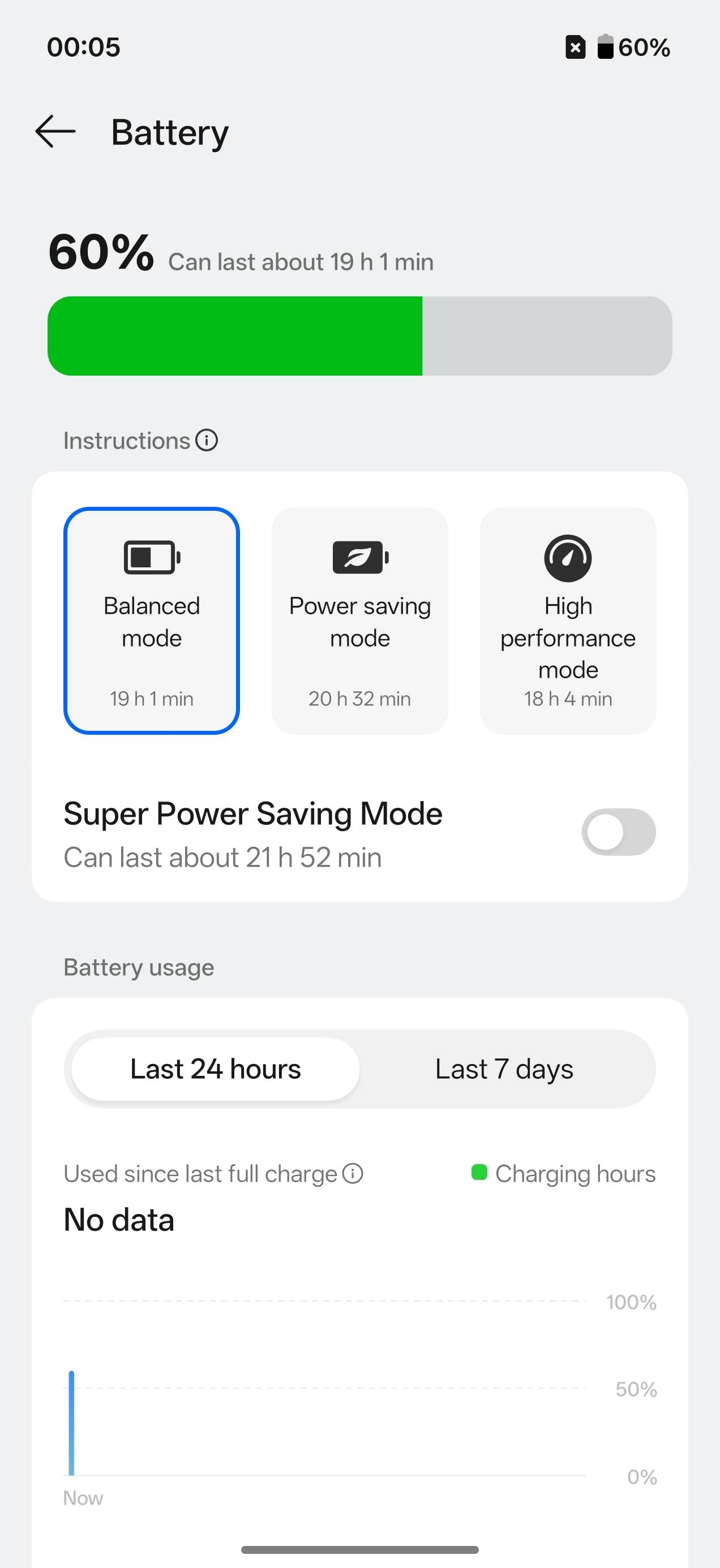
The OnePlus 13R impressed everyone with its 6,000mAh battery capacity, which lasted for an entire day and even beyond for its users. The 80W SUPERVOOC fast charger supported it. The 15R takes it up a notch with its enormous 7,400mAh battery, making it one of the biggest capacities offered by smartphones. The charging speed is the same at 80W, but this battery is likely to last longer, especially for power users. This is in line with a trend where companies are favouring silicon-carbon batteries for their long battery life over quick charging.
Here’s how the two phones fared in our internal PCMark test run overnight:
Software and AI: looking ahead
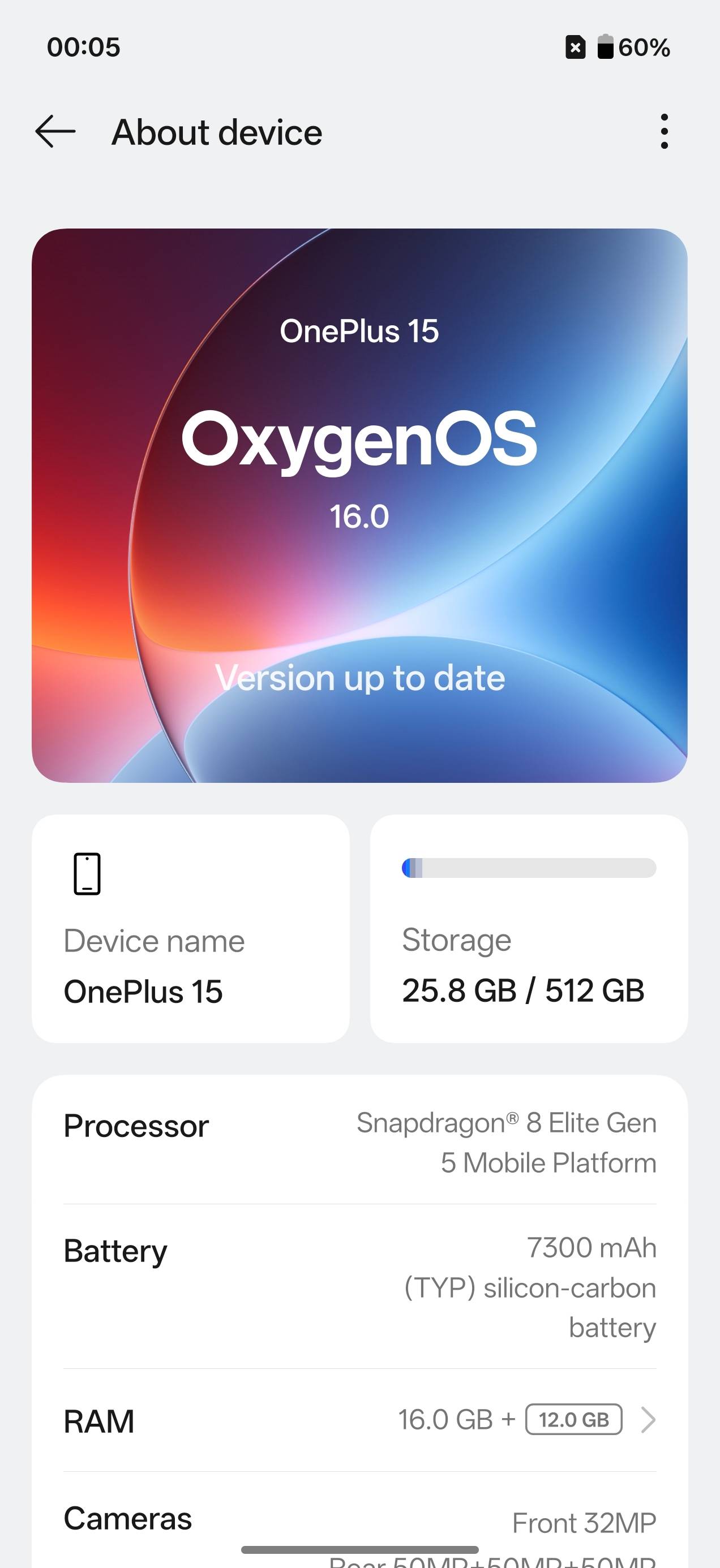
The OnePlus 13R runs OxygenOS 15 based on Android 15, complete with AI-powered features like AI Search and photo enhancements. The OnePlus 15R launches with Android 16 and OxygenOS 16, introducing OnePlus’ newer AI framework called Plus Mind and a customisable Plus Key for quick AI actions. The 13R will get four years of Android updates until Android 19 and six years of security patches.
Is the upgrade worth it?
The OnePlus 15R brings major improvements when it comes to performance, battery life, durability, display smoothness, and front camera quality. The device, however, does make a few trade-offs, the biggest among which is the absence of the telephoto camera seen in the 13R.
If you already own a OnePlus 13R, the upgrade makes sense mainly if you care about longer battery life, better performance, or plan to keep your phone for longer. For new buyers, the 15R is the more future-ready device, while the 13R, especially at discounted prices, remains a well-rounded option with better camera versatility.
OnePlus 15 Images