OpenAI has begun testing advertisements inside ChatGPT in the United States, a move that, while controversial, was arguably inevitable. The company said the test will apply to logged-in adult users on its Free and Go subscription tiers. The Go plan, introduced globally earlier this year as a lower-cost option, sits between the free tier and OpenAI’s higher-priced subscriptions. Users on Plus, Pro, Business, Enterprise, and Education plans will not see ads.
In a blog post announcing the test, OpenAI attempted to calm concerns about commercial influence. “Ads do not influence the answers ChatGPT gives you, and we keep your conversations with ChatGPT private from advertisers,” the company wrote. It added that advertising would help fund infrastructure costs and support broader access to more advanced AI features.
Why ads in ChatGPT were always coming
Ads in ChatGPT felt inevitable. The question was not whether ChatGPT would carry ads, but when. Running large language models at a global scale is expensive. OpenAI said ChatGPT serves hundreds of millions of users, many on the free tier. Even with paid subscriptions, enterprise deals, and API revenue, sustaining that scale requires continuous capital investment in compute and model development.
This isn’t something new. Search engines, social networks, and video streaming platforms all began as free services before leaning heavily on advertising to support growth. Generative AI was one of the last major consumer platforms still operating largely outside that ad-supported model.
Once OpenAI introduced lower-cost tiers and expanded access globally, monetisation pressure was bound to increase. Advertising offers a way to subsidise free access without dramatically increasing subscription prices, especially in price-sensitive markets like India.
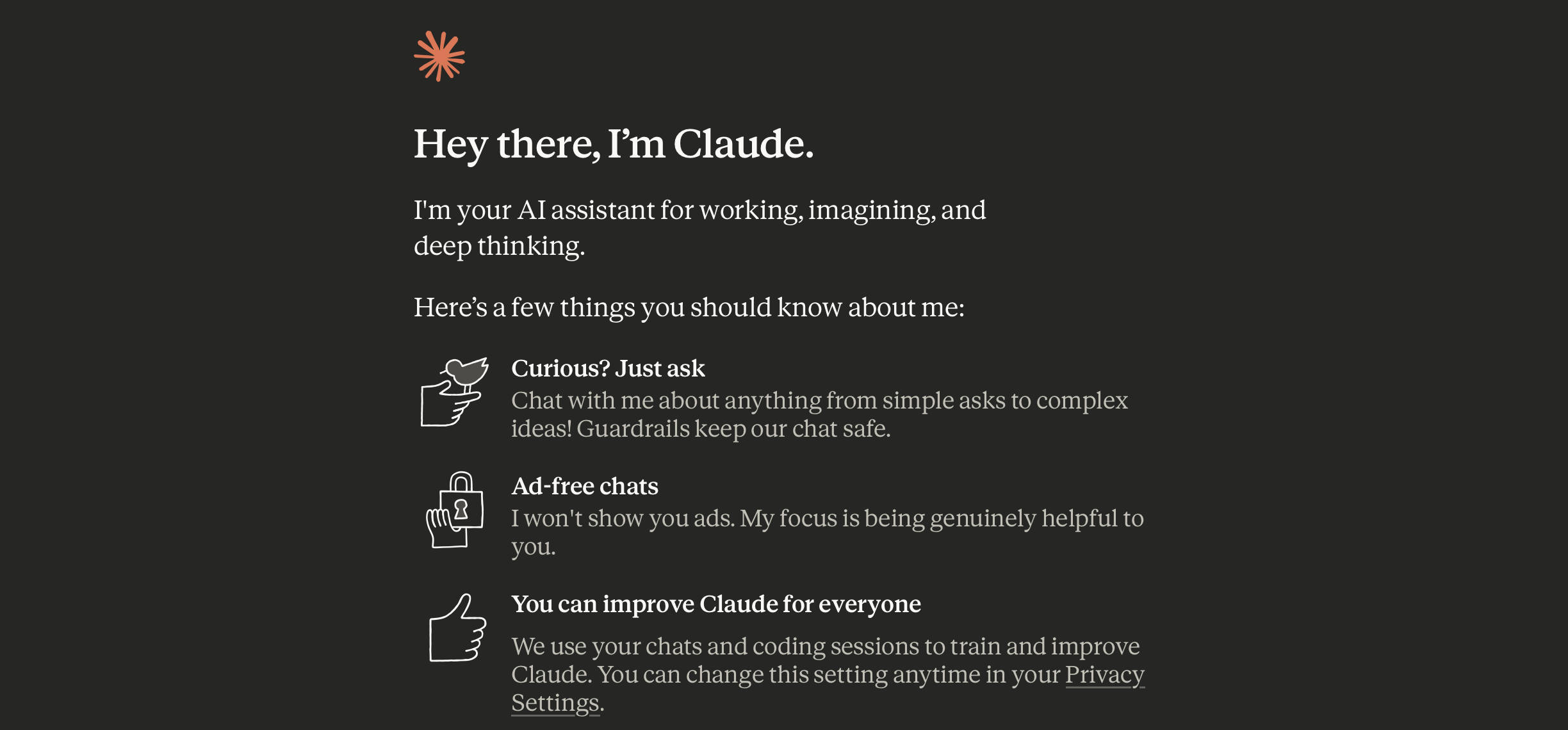
That said, OpenAI rival Anthropic has made it clear that its AI platform, Claude, will not show ads. They not only did this through a series of “ads” ahead of the Super Bowl, taking direct aim at OpenAI, but also updated Claude’s homepage to emphasise that chats on the platform will be ad-free. But whether Anthropic can sustain an ad-free platform remains to be seen.
 How ads will work
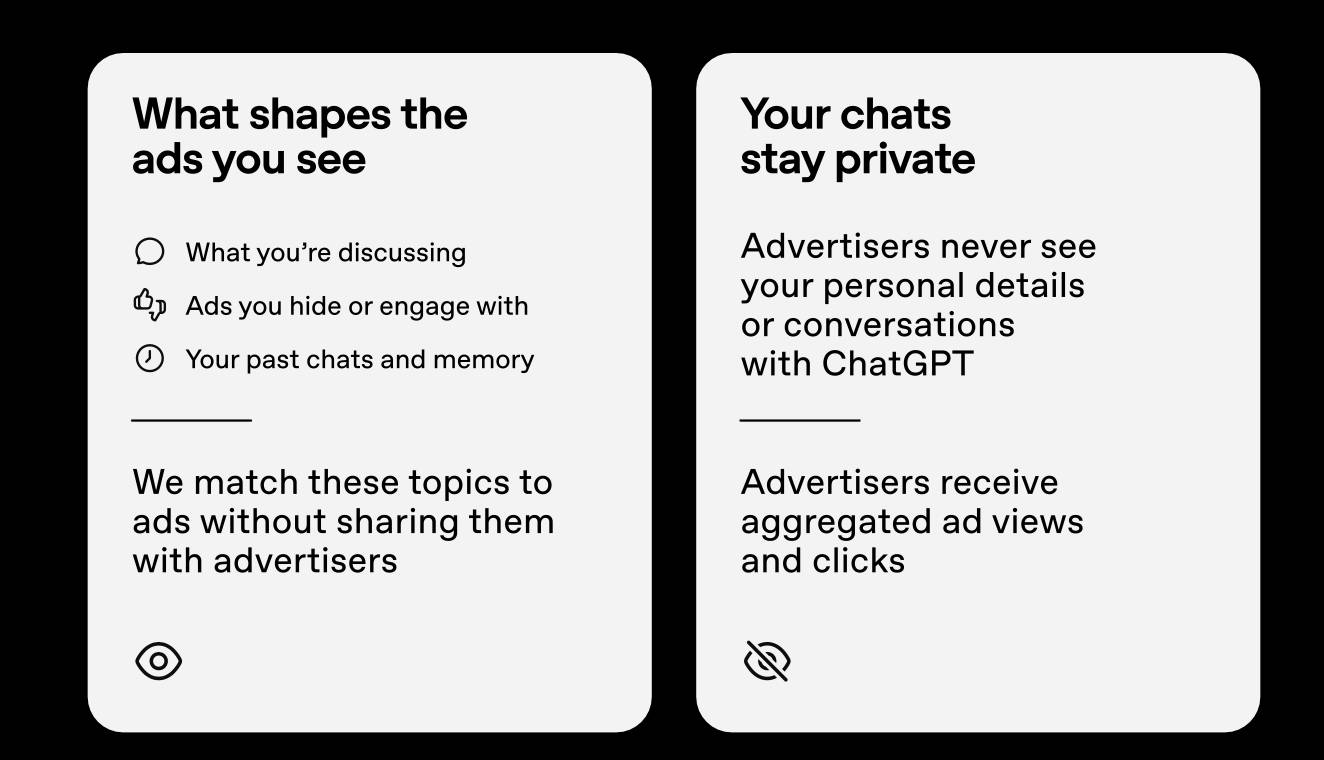
OpenAI says ads will be clearly labelled as sponsored and visually separated from ChatGPT’s organic responses. During the test phase, ads will be matched based on the topic of a user’s conversation, past chats, and prior ad interactions. For example, someone researching recipes may see ads for grocery delivery services or meal kits.
The company maintains that advertisers will not have access to individual conversations, chat history, or personal data. Instead, they will receive aggregate metrics such as views and clicks.
Still, introducing advertising into a conversational AI interface is fundamentally different from placing ads beside search results. ChatGPT often delivers singular, authoritative responses rather than a list of links. Even clearly separated sponsored placements may feel closer to the answer than traditional banner ads. That perception risk is what OpenAI is attempting to manage.
Will ads come to ChatGPT in India?
India is one of ChatGPT’s largest and fastest-growing user bases, with a strong concentration of Free-tier users. From a commercial standpoint, an ad-supported model could make strategic sense in a market where price sensitivity remains high.
If advertising helps OpenAI maintain a robust free tier while avoiding steep subscription increases, it could find traction. Consumers in India already experience ad-supported digital services across streaming, social media, and e-commerce.
However, regulatory and reputational factors will matter. India’s Digital Personal Data Protection framework could shape how conversational signals are used for ad targeting. While OpenAI says advertisers will not see user data, matching ads to chat topics may invite scrutiny depending on implementation.
There is also the trust factor. ChatGPT is increasingly used for work, academic tasks, coding, and personal queries. If ads appear intrusive or poorly integrated, backlash could follow, particularly among professional users who rely on the tool daily.
OpenAI has described the US rollout as a limited test designed to gather feedback before broader expansion. The company is likely to monitor how ads affect user engagement, retention, and upgrades to paid tiers. But given India’s scale and importance in the global AI market, it would be surprising if advertising remained a US-only experiment.