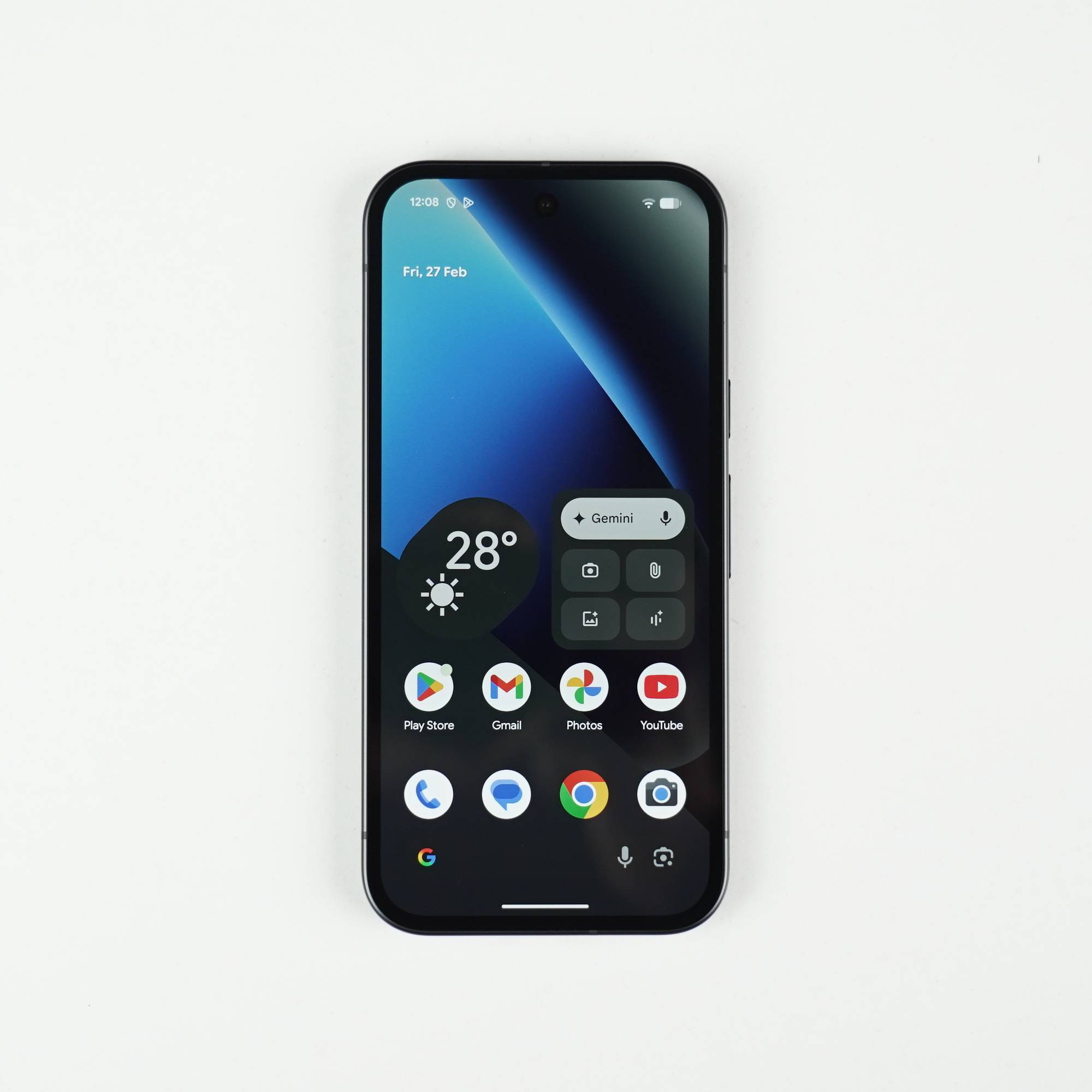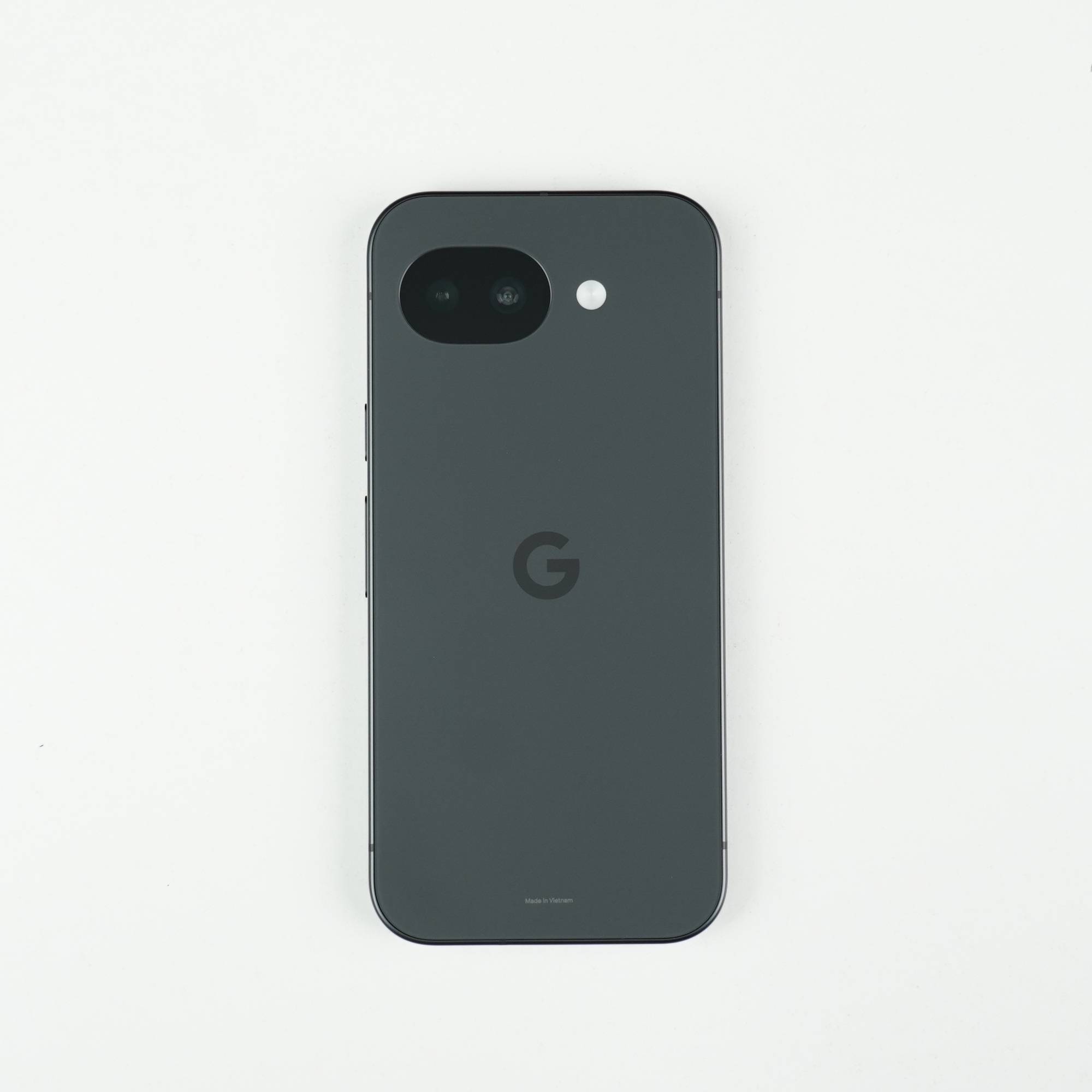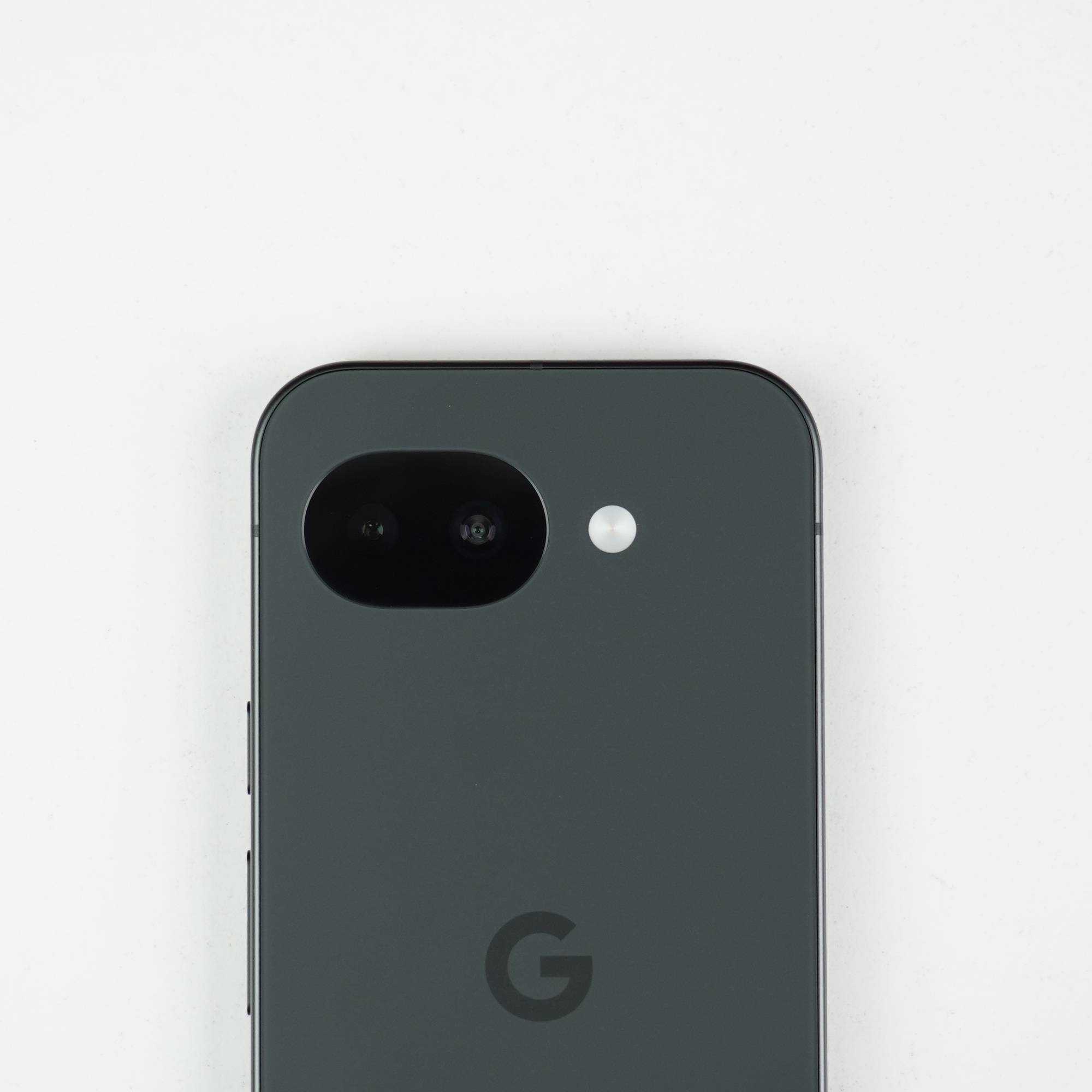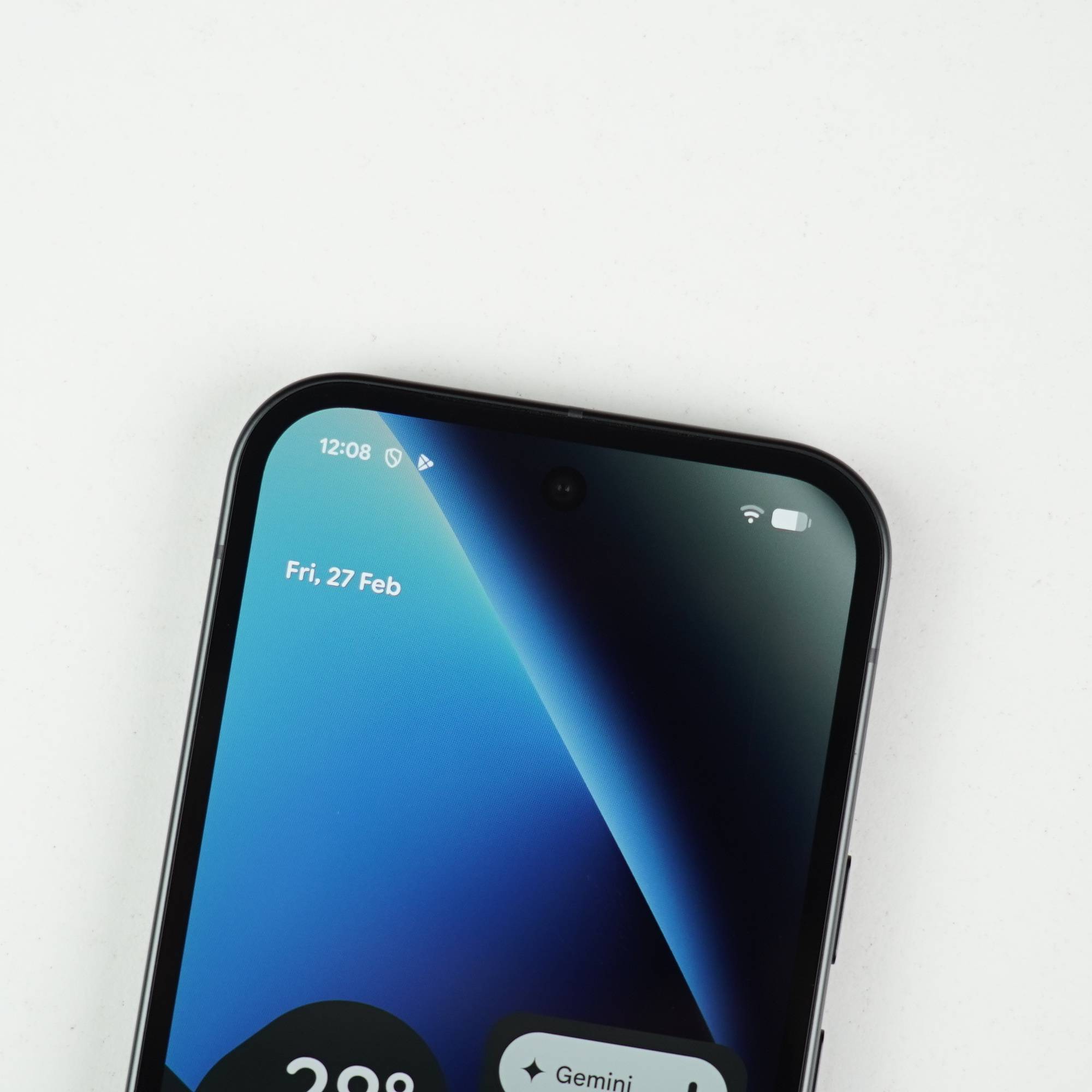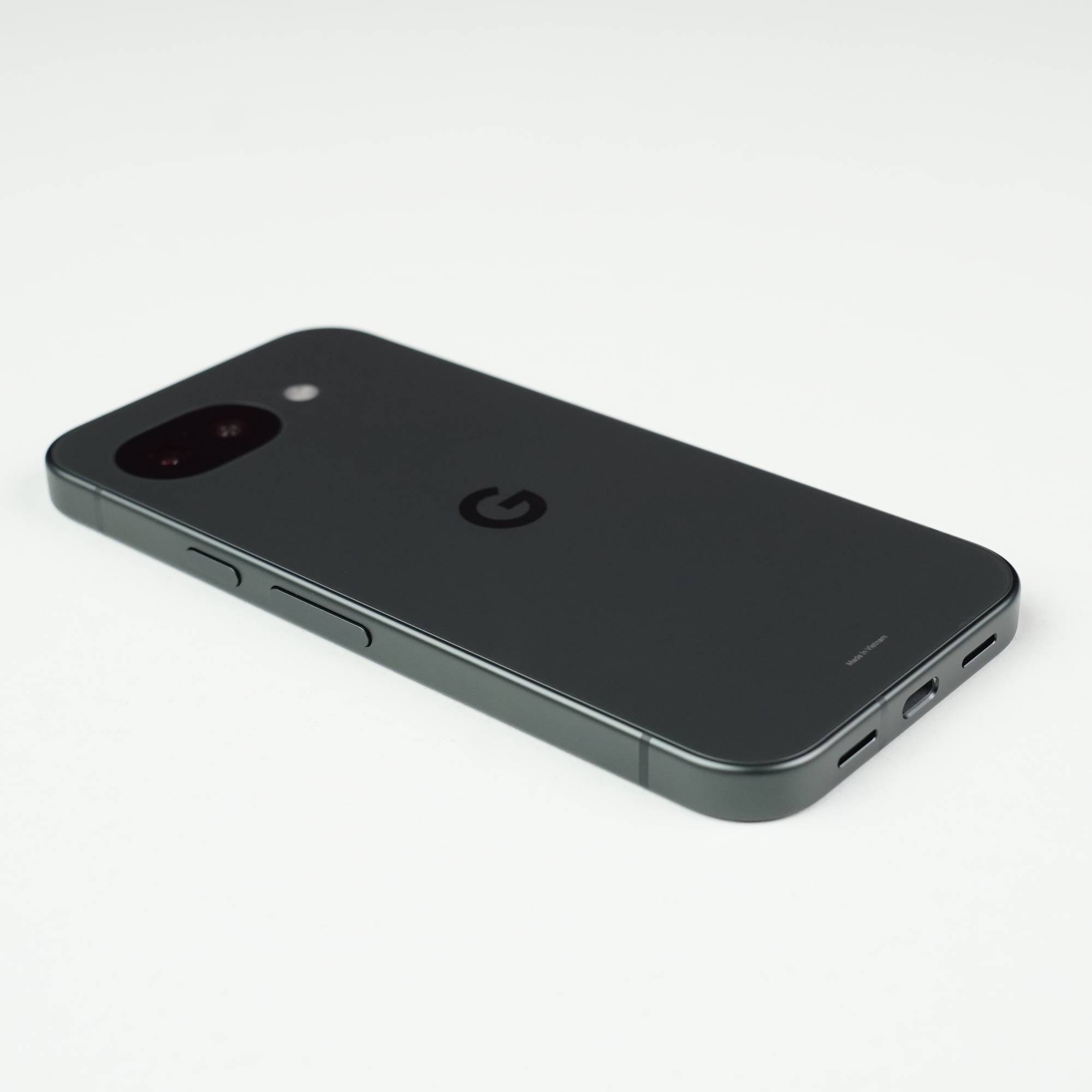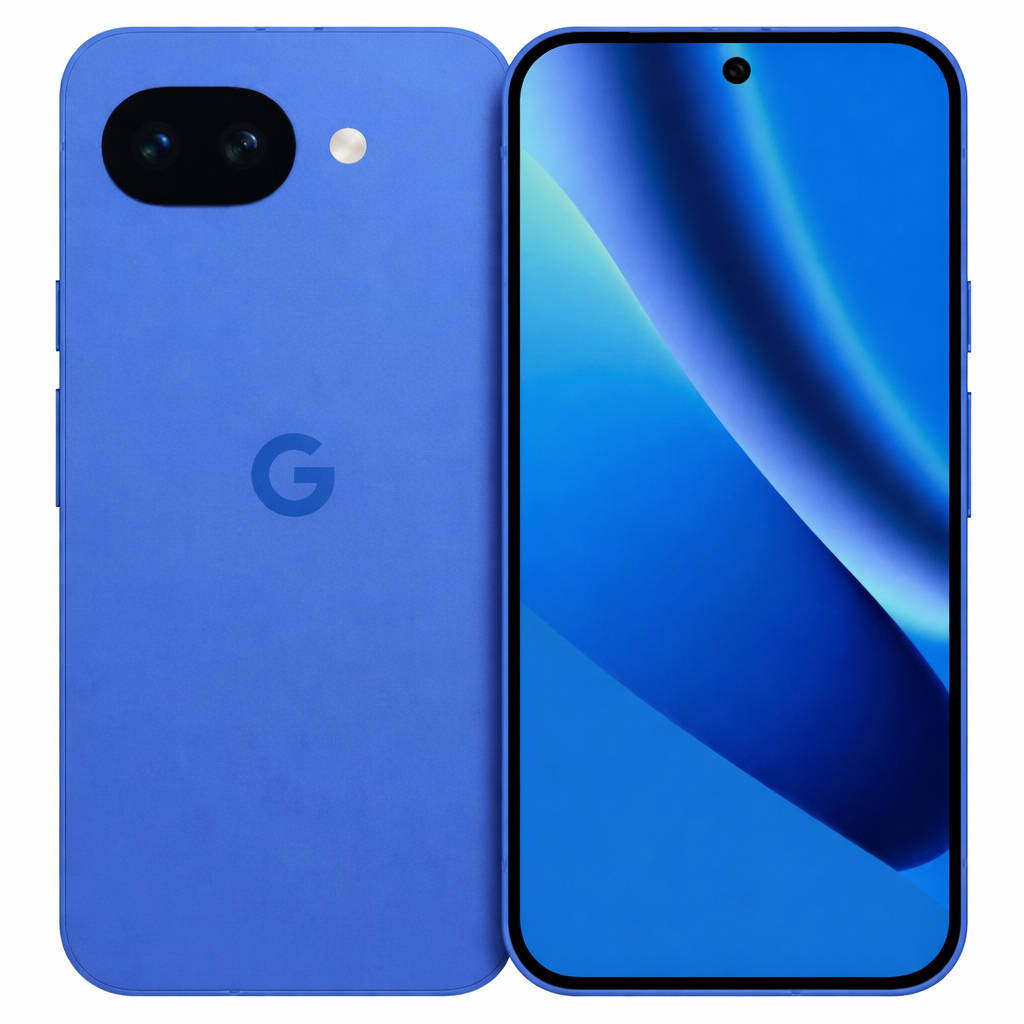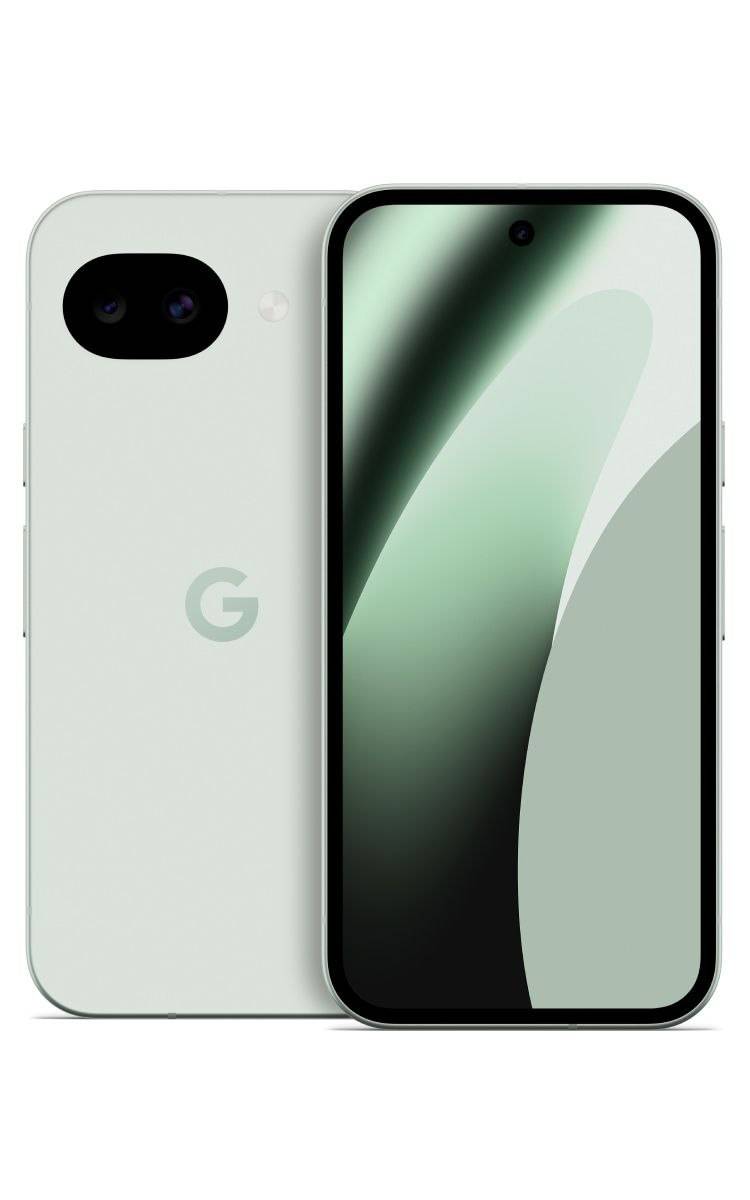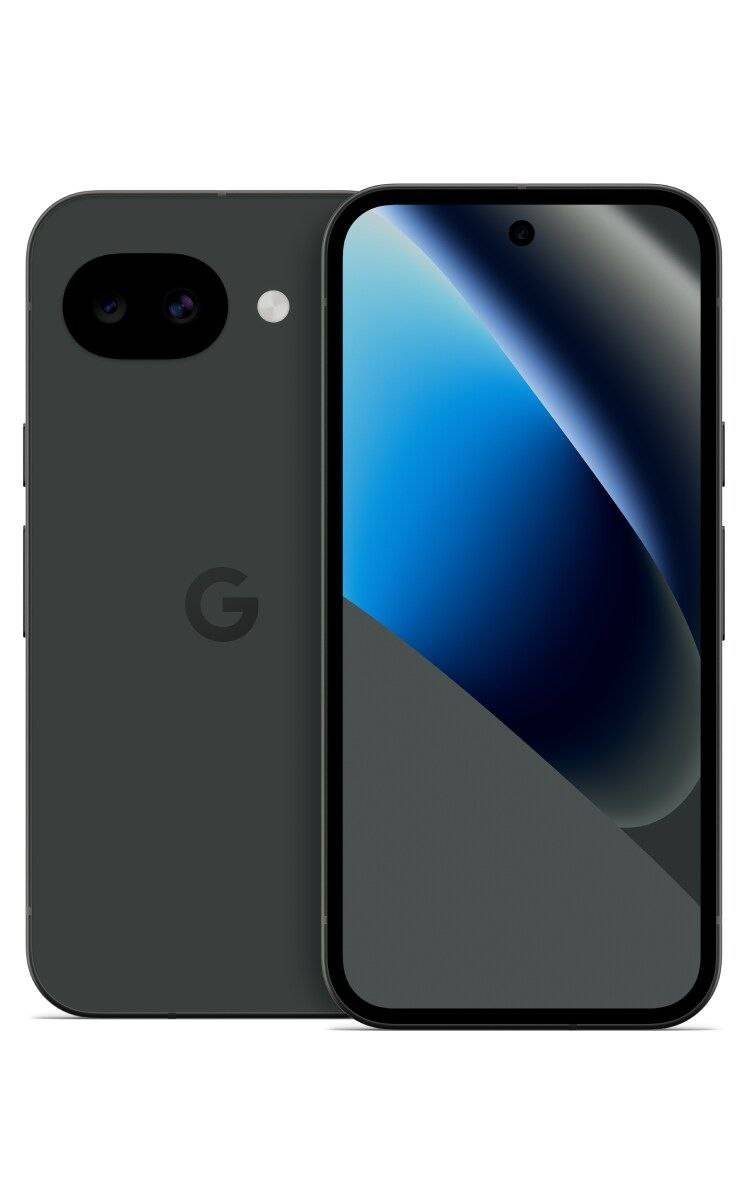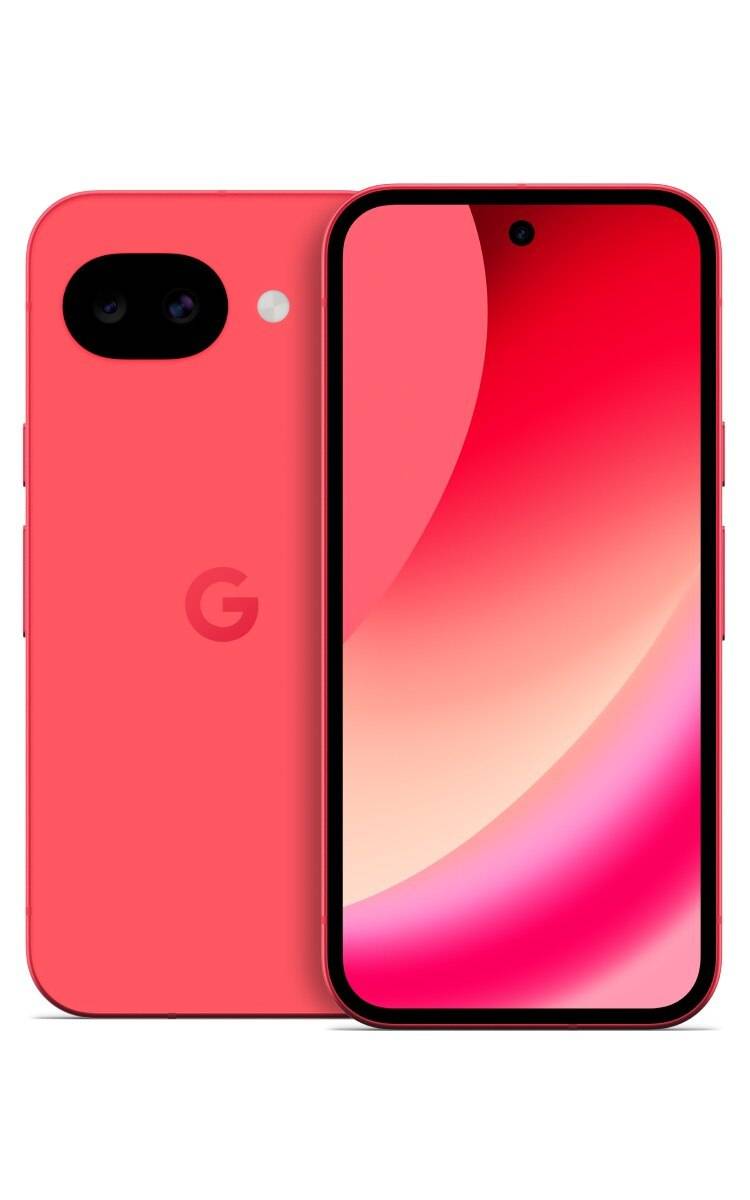
Google’s Pixel 10a store page is up now, ahead of next week’s February 18th launch, and one line has confused people. It reads “Keep video chatting, even with FaceTime.” Does that mean FaceTime is coming to Android? Not exactly.
The line appears in the iPhone-to-Pixel switcher section, alongside notes about using AirPods or Apple TV. At first glance, it sounds like native FaceTime support, similar to how Google added AirDrop-style Quick Share to Pixels and plans to expand it across Android. But it’s the same wording from last year’s Pixel 10 page. It just refers to Apple’s web-based FaceTime links, available on any Android since iOS 15 in 2021.
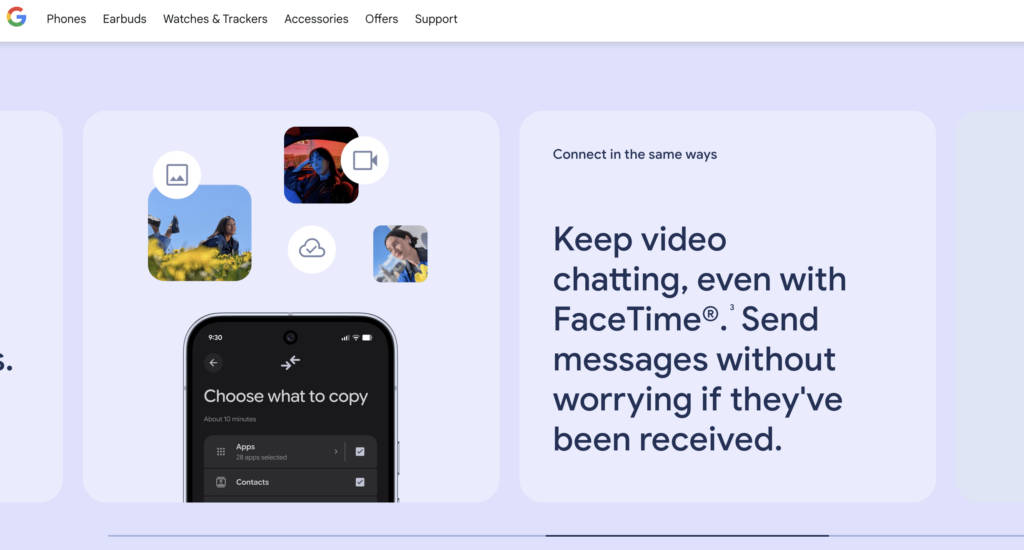
Here’s how it works – An iPhone user sends you a FaceTime link. You tap it on your Pixel (or any Android) in Chrome or Edge, enter your name, allow camera and mic access, and you’re in. The host approves you, and you get basic controls like mute, flip camera, or grid view. No Apple ID needed. But there are no advanced features like reactions, effects, SharePlay, spatial audio, or screen sharing. It’s functional but feels like you’re a guest.
This feature isn’t Pixel-exclusive and is standard across Android. Google’s likely highlighting it to ease cross-platform concerns, especially now that RCS texting is rolling out on iPhones. Samsung’s budget A-series leans on WhatsApp or Google Meet for video calls, while Nothing and Motorola don’t mention Apple compatibility at all.
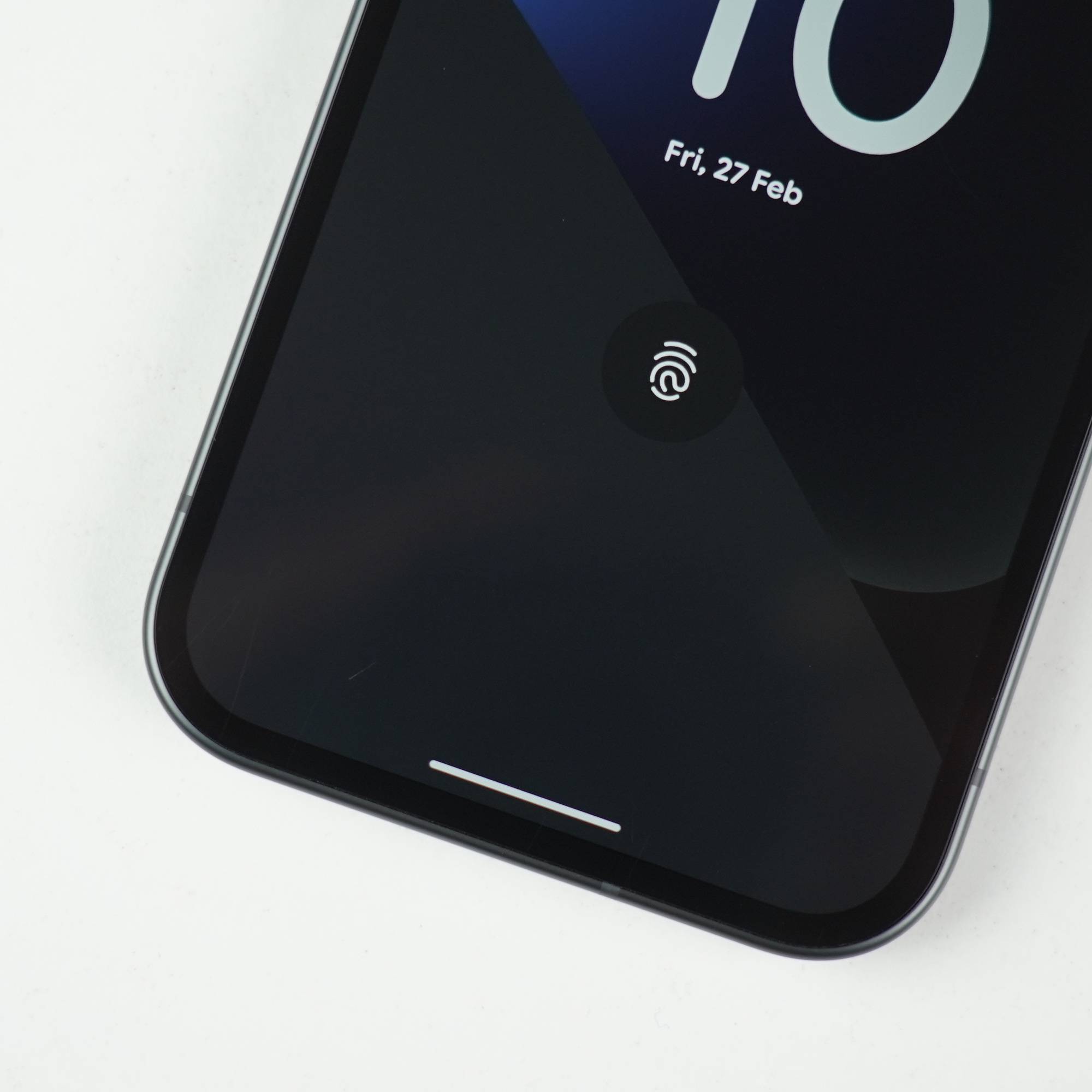
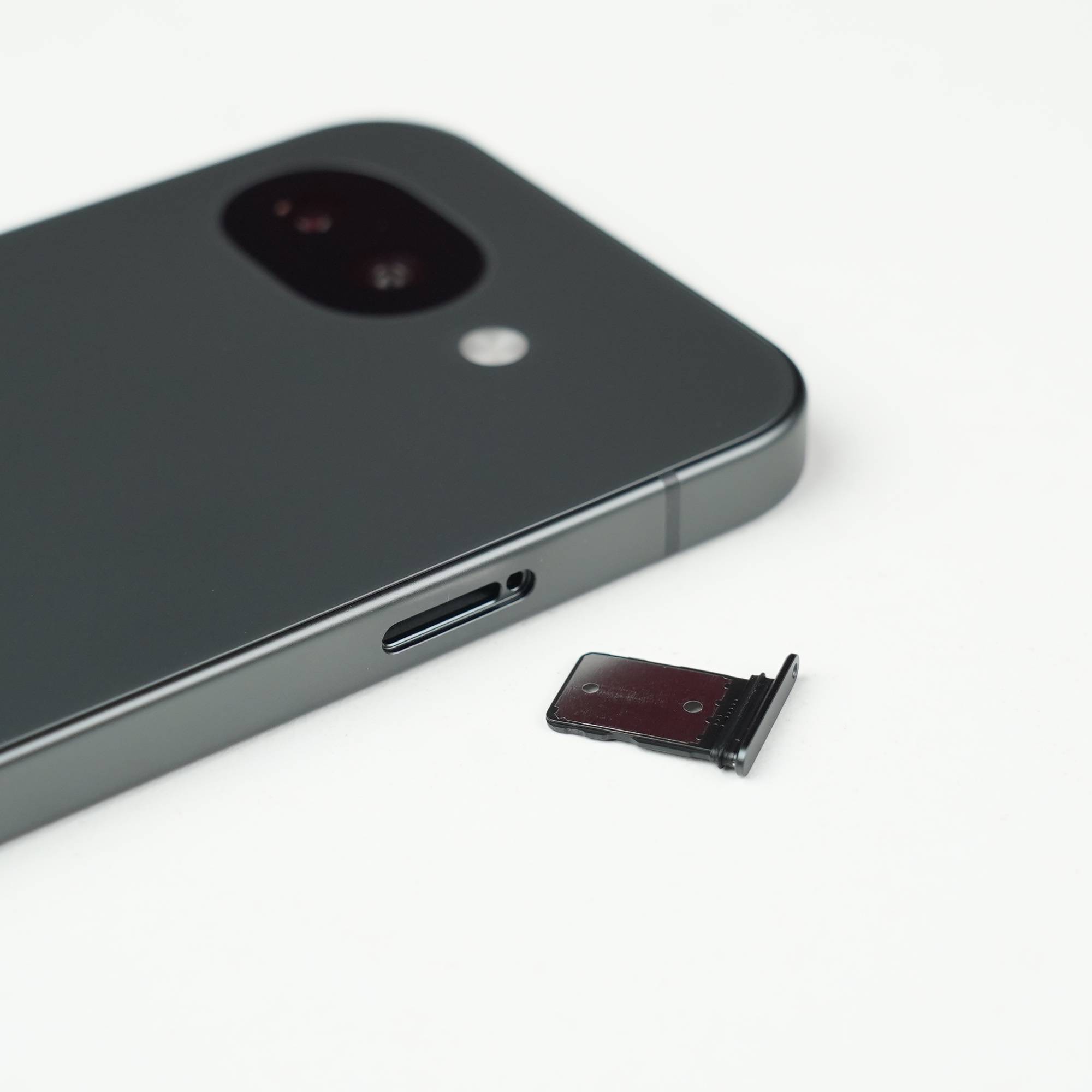
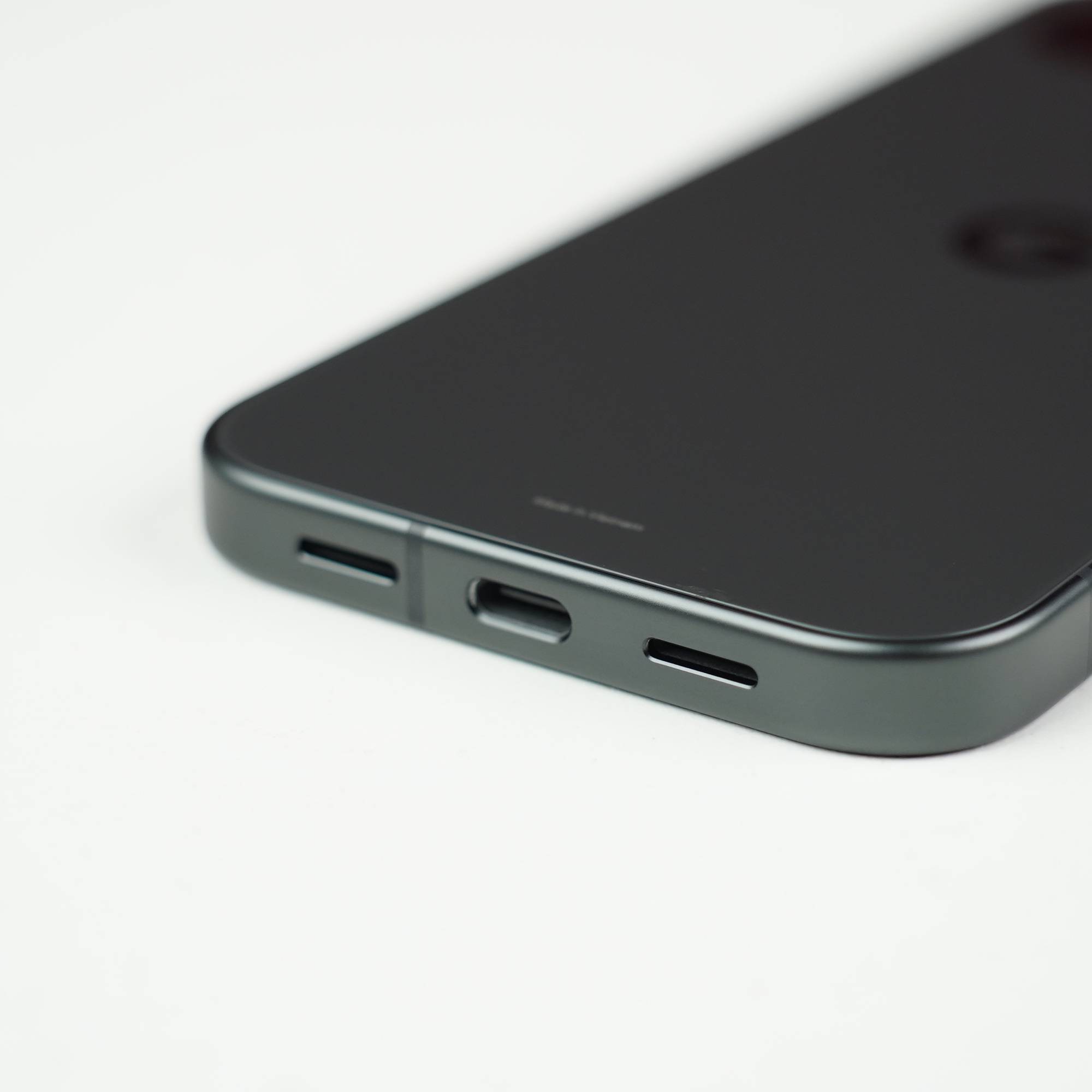
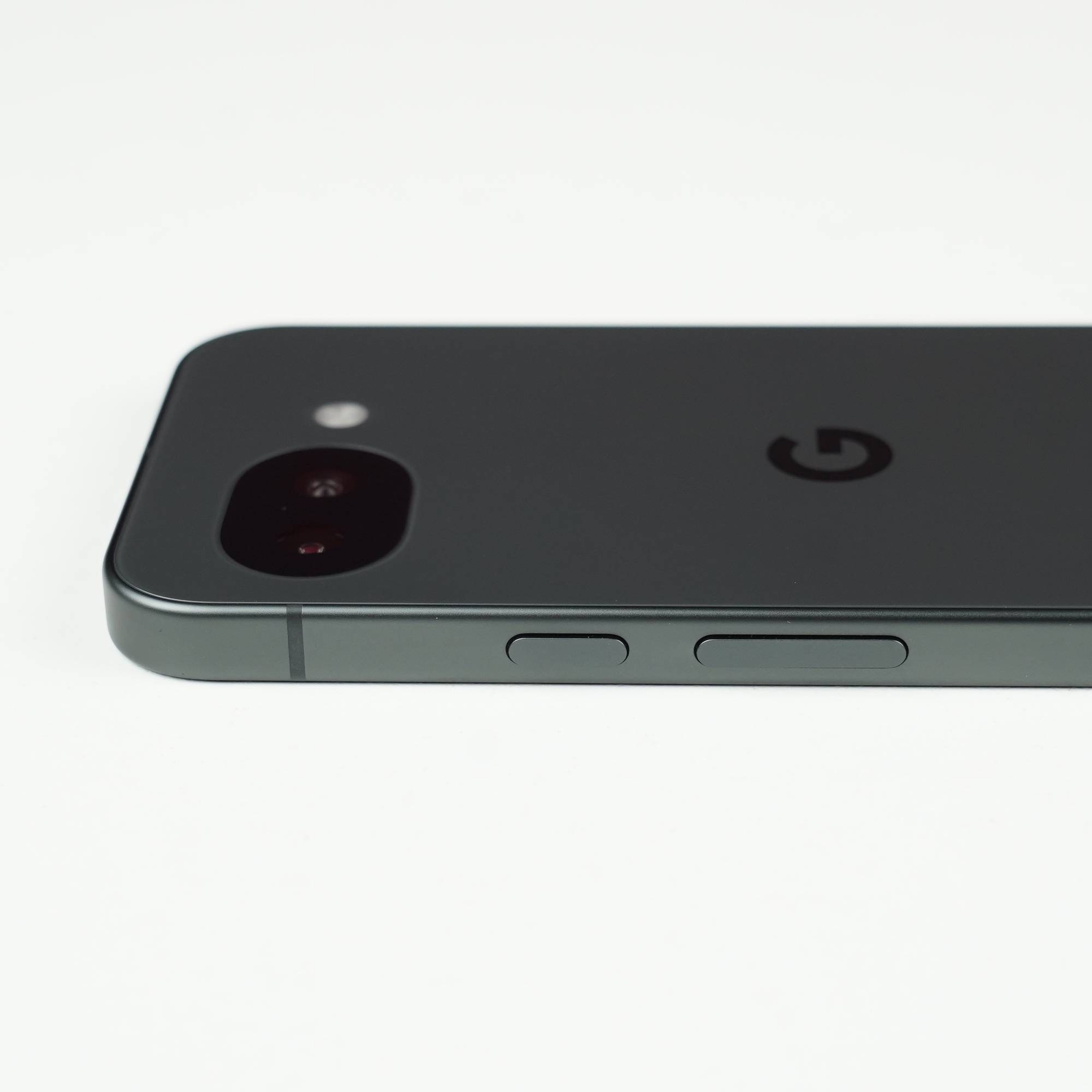
The Pixel 10a, expected around USD 500 with Tensor G5 (or G4), solid cameras, and seven years of updates, targets users who want clean Android without flagship prices. If you’re switching from an older iPhone and video chatting with Apple friends matters, web FaceTime works fine for casual group calls. For daily calls, one would stick to universal apps like Meet, WhatsApp, or Zoom which work smoothly across ecosystems without relying on shared links.
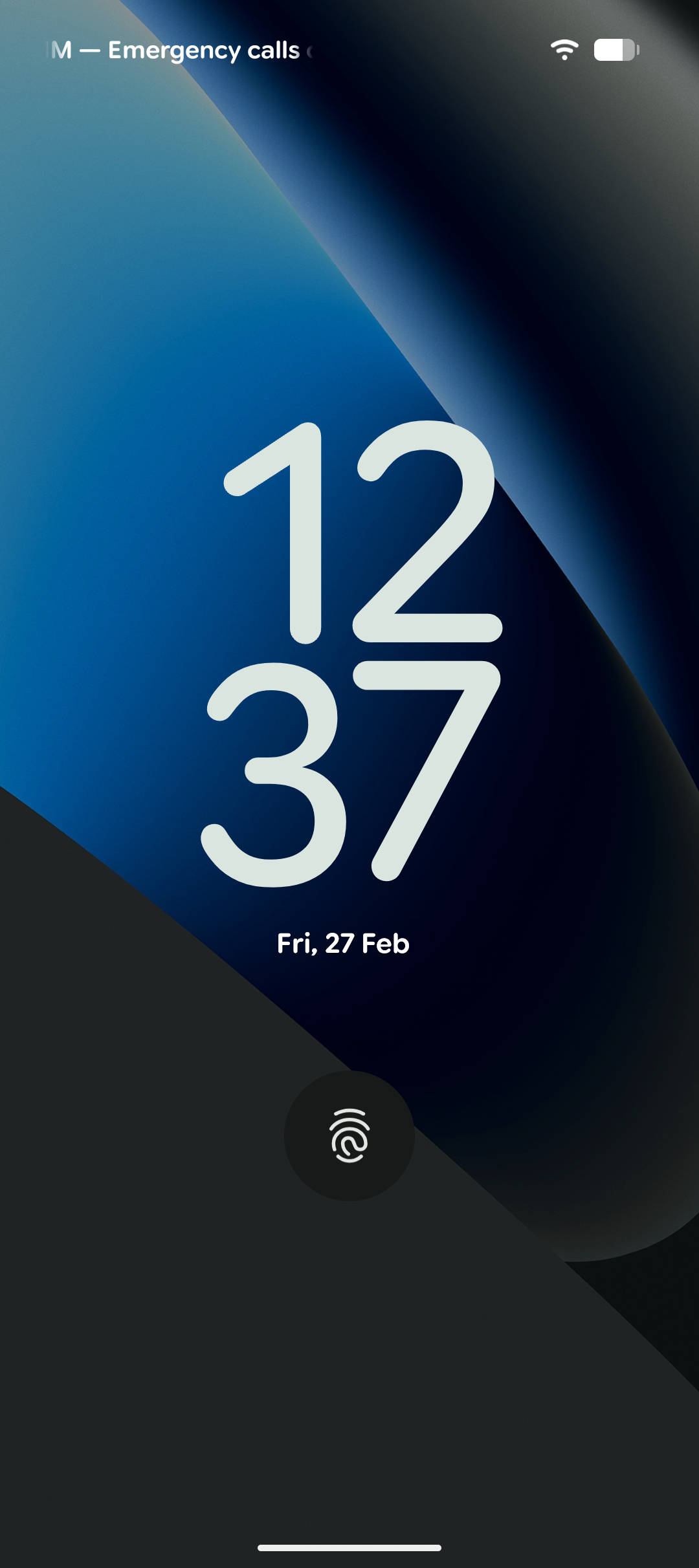
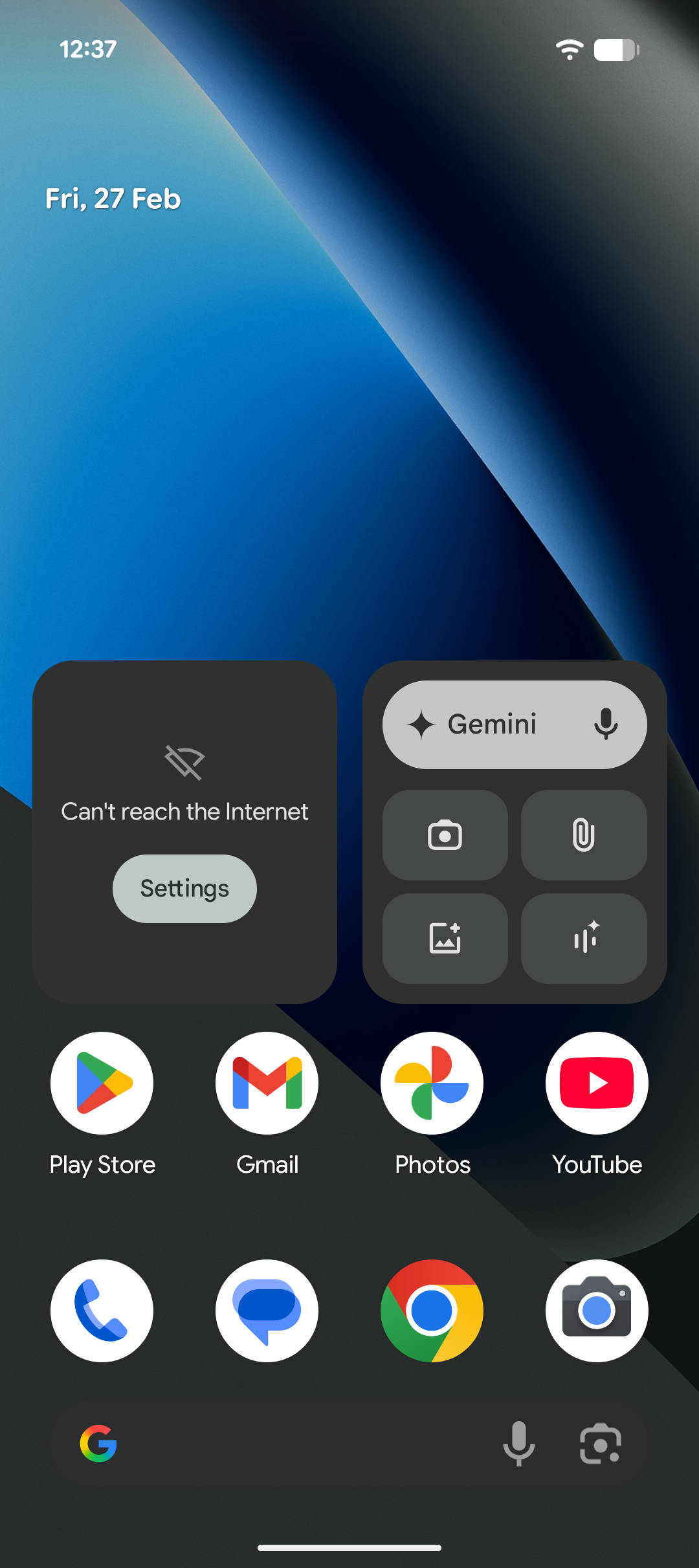
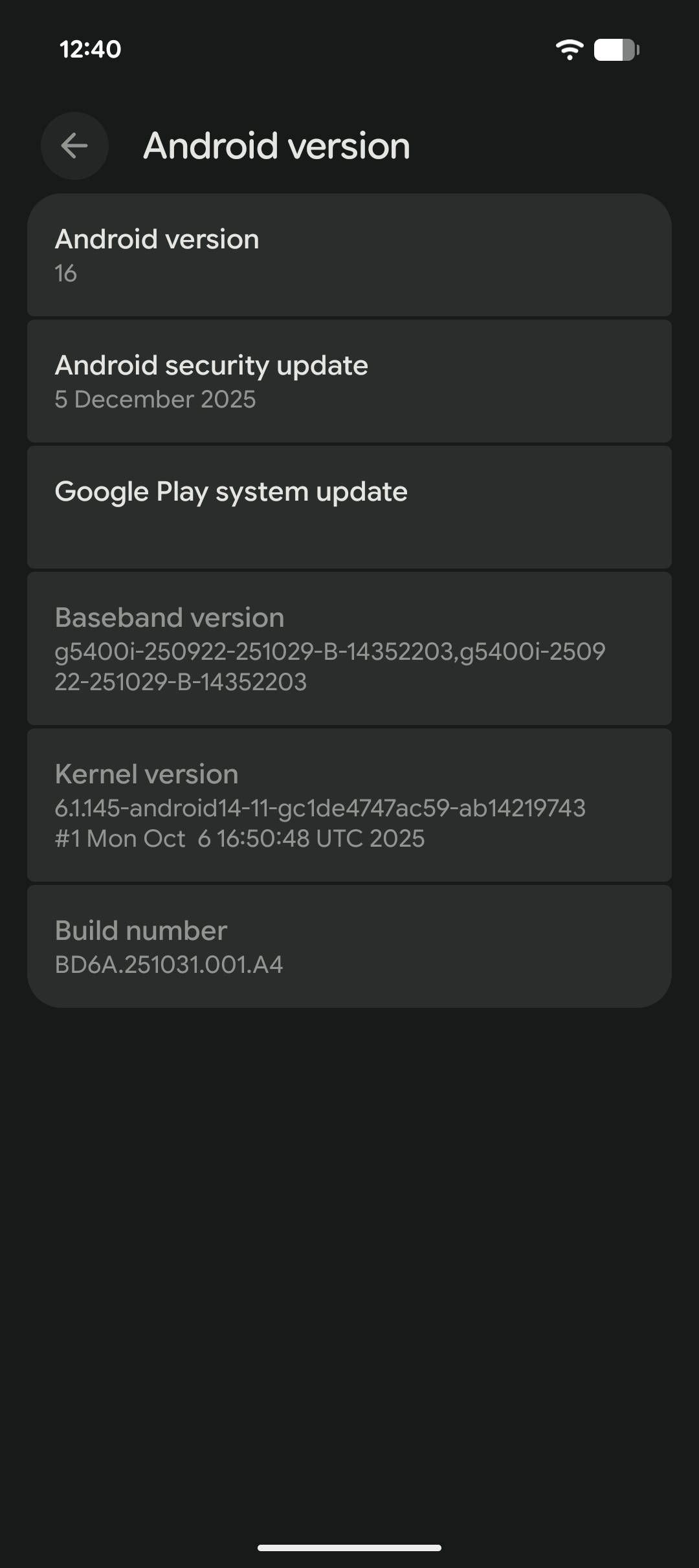
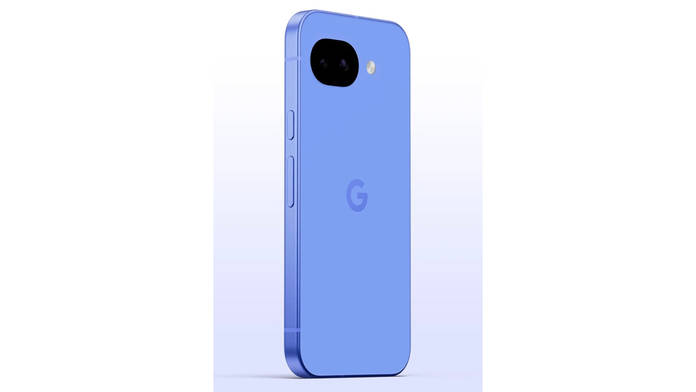
Google Pixel 10A Images