Review Summary
Expert Rating
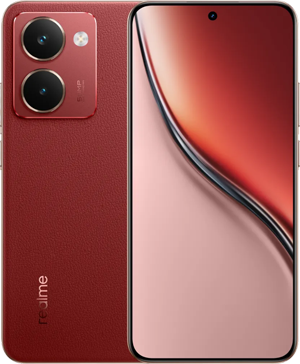
Realme has expanded its P3 series lineup, doubling the number of models. Following the launch of the Realme P3x (review) and P3 Pro (review), the brand has introduced the Realme P3 and P3 Ultra. Positioned between the P3x (priced under Rs 15,000) and the P3 Pro (Rs 23,999), the standard Realme P3 fills the gap in the series. Meanwhile, the Realme P3 Ultra stands as the most premium offering in the P-series, retailing in India at Rs 26,999 (128GB storage + 8GB RAM).
What makes this offering the priciest option in the Realme P3 lineup? We take a closer look at that in this Realme P3 Ultra review.
Table of Contents
Verdict
The Realme P3 Ultra, powered by the MediaTek Dimensity 8350 Ultra chipset, delivers impressive performance – not just against its P3 siblings but also its key rivals. While raw power is a priority, the phone doesn’t compromise on other aspects. It boasts a striking design, a capable camera setup, excellent battery life, and fast charging speeds, all complemented by a respectable display, which could’ve been better with brighter in normal conditions.
However, the software experience feels clunky, weighed down by bloatware and pre-installed apps.
Design and display
Realme typically adopts flashy smartphone designs, and the P3 Ultra is no different. The Space Silver colour option offers (what Realme likes to call) a Glowing Lunar Design with a moon texture on the bottom section of the phone that glows in the dark, creating a distinctive look. This effect is achieved through a light-sensing colour shift, producing a green halo in low-light conditions, which enhances the lunar soil texture crafted using micro-sculpting techniques.

Besides Space Silver, the Realme P3 Ultra is also available in Comet Grey and Nebula Pink. However, these variants lack the lunar design seen on the Space Silver model. Other aspects remain largely the same across all versions. The smartphone features a plastic back with a contrasting rectangular camera module, which houses a dual-camera setup and is accented with an orange highlight around the edges. This orange accent can also be found on the power button on the right spine for an added appeal.
| Smartphone | Thickness | Weight | IP rating |
| Realme P3 Ultra | 7.3mm | 183 grams | IP69 |
| iQOO Neo 10R | 7.9mm | 196 grams | IP65 |
| POCO X7 Pro | 8.45mm | 203.5 grams | IP69 |
Realme deserves credit for offering the slimmest form with a quad-curved display in this segment. The phone measures just 7.38mm in thickness, which is complemented by its 183-gram lightweight design and flat edges, providing a secure grip, effortless portability, and enhanced comfort for extended use. As for the port and button options, the phone features a USB Type-C port for data and wireless charging. Additionally, there is an in-display fingerprint scanner for security, which unlocks the device in a jiffy.

The Realme P3 Ultra sports a 6.78-inch quad-curved AMOLED display with a 1.5K resolution (2,160 x 1,440p), up to 120Hz adaptive refresh rate, and 1,500 nits peak brightness. It is a slightly bigger display than the Realme P3 Pro with a sharper resolution for a good viewing experience. The peak brightness feels a bit underwhelming for easy readability outdoors under direct sunlight.
| Smartphone | Display size | Peak brightness |
| Realme P3 Ultra | 6.78-inch AMOLED | 1,500 nits |
| iQOO Neo 10R | 6.77-inch AMOLED | 4,500 nits |
| POCO X7 Pro | 6.67-inch AMOLED | 3,200 nits |
I also appreciate the uniform bezels around the display, ensuring an immersive viewing experience. While it lacks HDR support, it boasts 100 percent DCI-P3 colour gamut coverage for vibrant visuals and is Widevine L1 certified, enabling FHD streaming on Netflix and other OTT platforms. The device also provides a high-quality listening experience with its stereo speakers which got 81.4 decibels loud in our lab test. The loudness is on par with the competitors.
Cameras
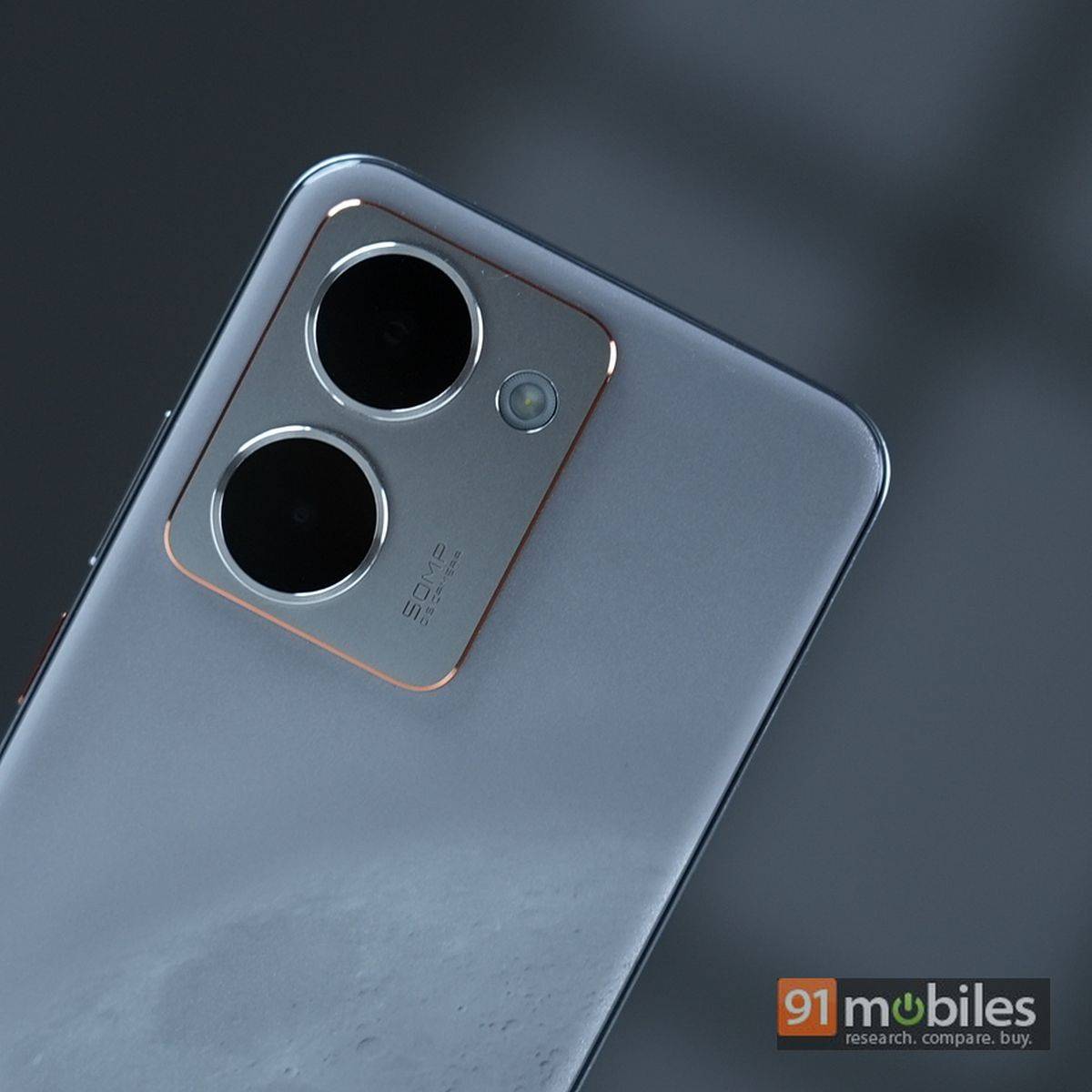
The Realme P3 Ultra features a 50MP Sony IMX896 primary camera with OIS, paired with an 8MP ultra-wide lens. For selfies and video calls, it sports a 16MP front camera housed in a punch-hole setup. While this camera configuration is fairly standard in its price segment, especially for a performance-focused smartphone, the device stands out with 4K video recording at 60fps, a feature content creators and frequent streamers will appreciate.
However, despite its promise, the video quality falls slightly short of expectations. Footage can appear jittery, and the lens struggles to adapt to changing lighting conditions, resulting in an inconsistent visual experience.










Be that as it may, the Realme P3 Ultra will leave you impressed with its overall image quality. The handset may not have the most versatile setup within the segment, but its results look promising for a performance-centric device. The device is quick to focus and excels in capturing sharp images with well-balanced exposure, though the cooler tone may not appeal to everyone.
Here’s how the Realme P3 Ultra’s cameras fare against those on the POCO X7 Pro and iQOO Neo 10R.
Daylight

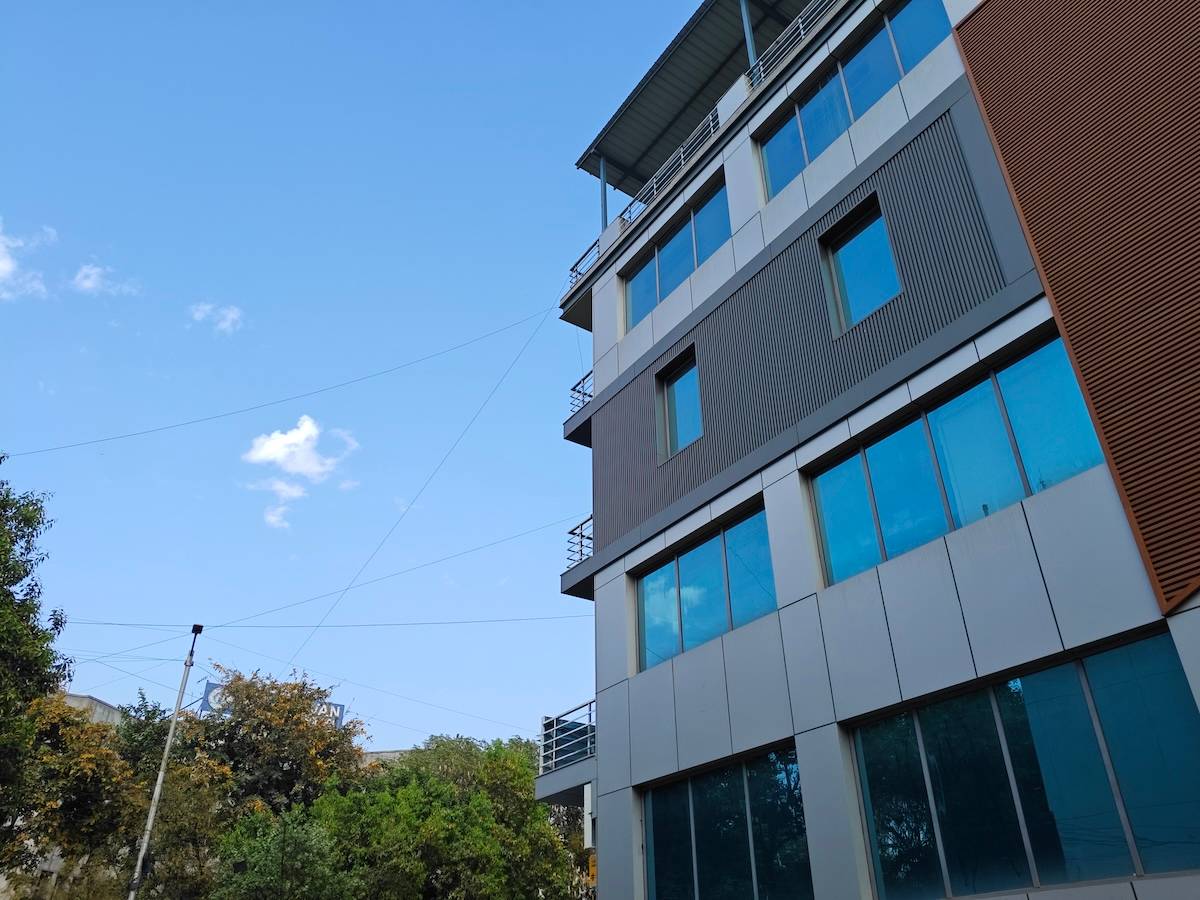
The Realme P3 Ultra captures images with a cooler tone but offers superior detail compared to both the POCO X7 Pro and the iQOO Neo 10R. While the iQOO smartphone produces brighter images, it tends to suffer from noticeable distortion, affecting overall clarity. On the other hand, the POCO X7 Pro enhances green tones, making images appear more vibrant but less natural.
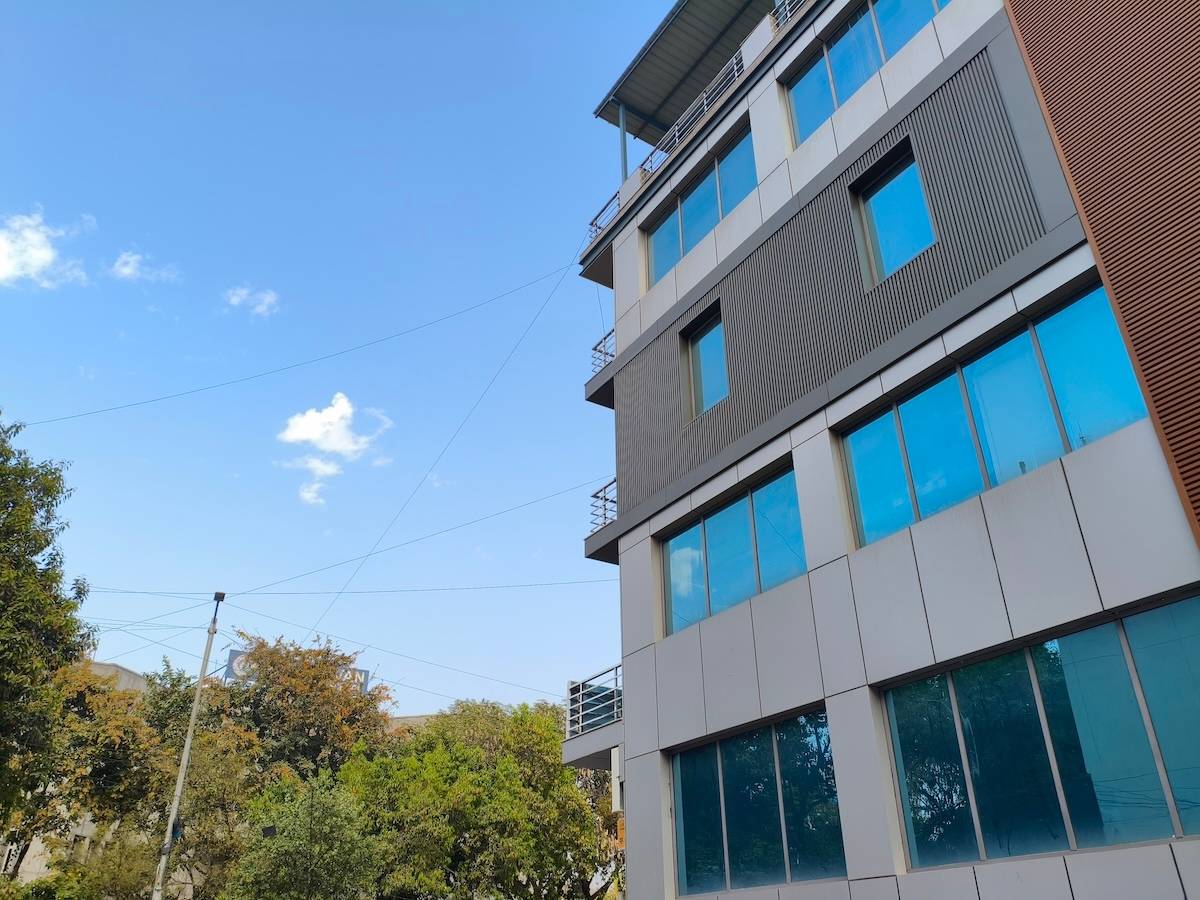
Compared to the iQOO Neo 10R, the Realme P3 Ultra stands out with its superior dynamic range, preserving more details in both highlights and shadows for a well-balanced exposure. Additionally, its vibrant colour reproduction, enhanced by slight oversaturation, makes images appear more striking.
Ultra-wide


The Realme P3 Ultra’s colour science is not entirely consistent when switching from the primary camera to the ultra-wide lens – a flaw also observed in the POCO X7 Pro and iQOO Neo 10R. Despite this, the Realme P3 Ultra captures the highest level of detail.
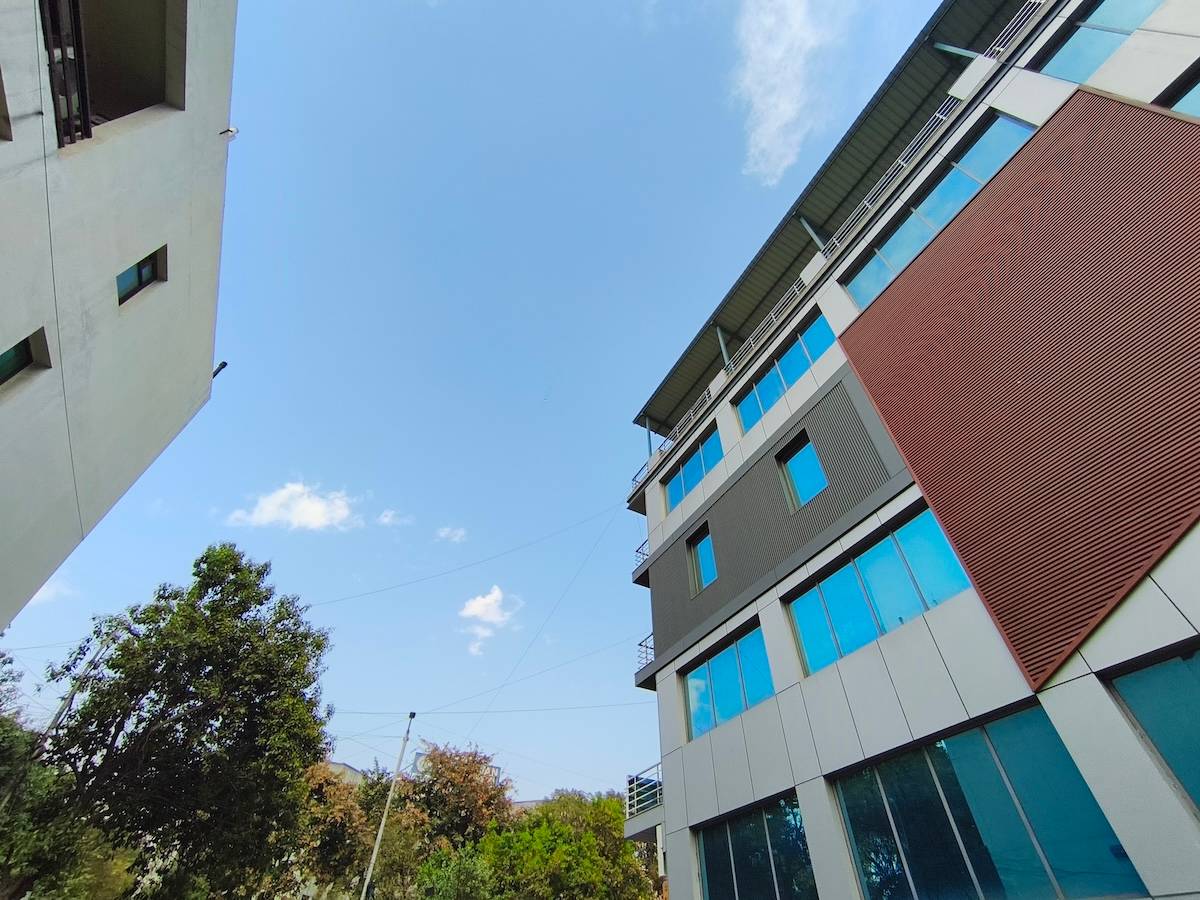
The POCO X7 Pro delivers more balanced colours than its competitors. The iQOO Neo 10R is somewhere in between, as it produces a high-contrast image, making it more visually striking and well-suited for social media.
Portrait


The Realme P3 Ultra and POCO X7 Pro deliver nearly identical portrait shots, both enhancing colours and capturing sharp facial details for a polished look. However, the Realme smartphone distinct advantage with its superior edge detection, ensuring more accurate subject separation from the background. Furthermore, the P3 Ultra produces slightly crisper images with a slight dynamic range.

The iQOO Neo 10R, on the other hand, leans towards contrasty a portrait, which looks appealing but lacks sharpness and accurate colour science. All three phones deliver a slightly unnatural-looking bokeh effect.
Selfie


Similar to its portrait shots, the Realme P3 Ultra excels in capturing superior facial details and well-balanced background exposure. While its skin tone accuracy isn’t perfect, the overall image is visually appealing.

The iQOO Neo 10R does a better job of capturing natural skin tones but applies a watercolour-like effect to reduce noise, which can soften finer details. Meanwhile, the POCO X7 Pro struggles with subject focus, but when it locks on correctly, its results closely match those of the Realme P3 Ultra in terms of detail and colour reproduction.
Low-light (night mode enabled)


Without Night Mode, the Realme P3 Ultra’s low-light images are unremarkable. However, when Night Mode is enabled, it delivers near-accurate colours, albeit with slight overexposure. The handset also effectively suppresses noise, enhancing overall detail retention for a cleaner, more refined shot.

Meanwhile, the iQOO Neo 10R and POCO X7 Pro exhibit noticeable graininess, even in long-exposure shots. That said, while the Neo 10R offers better low-light visibility than the POCO X7 Pro, neither can match the Realme P3 Ultra’s well-balanced approach to detail, noise control, and color accuracy in dim lighting conditions.
Performance and software


The Realme P3 Ultra is the first smartphone with MediaTek Dimensity 8350 Ultra chipset under the hood, an overclocked version of the Dimensity 8350 SoC, which debuted on the OPPO Reno13 Pro (review) earlier this year. The device achieves an impressive AnTuTu benchmark score of over 1.4 million, placing it on par with the iQOO Neo 10R, which features the Snapdragon 8s Gen 3 chipset. However, it falls slightly behind the POCO X7 Pro, which is equipped with a more powerful MediaTek Dimensity 8400 Ultra SoC.
On Geekbench, the Realme P3 Ultra’s single-core and multi-core scores trail behind both the iQOO Neo 10R and POCO X7 Pro, though the gap isn’t significant. Under sustained load, all three smartphones exhibited similar levels of performance throttling in the Burnout CPU throttle test. However, the Realme P3 Ultra stood out in real-world performance with superior thermal efficiency, thanks to its large 6,050mm square vapour chamber cooling system. In our lab test, after 60 minutes of playing BGMI and COD: Mobile, the handset’s temperature rose by 13.3 degrees Celsius, compared to 13.5 degrees Celsius on the iQOO Neo 10R and 15.5 degrees Celsius on the POCO X7 Pro.
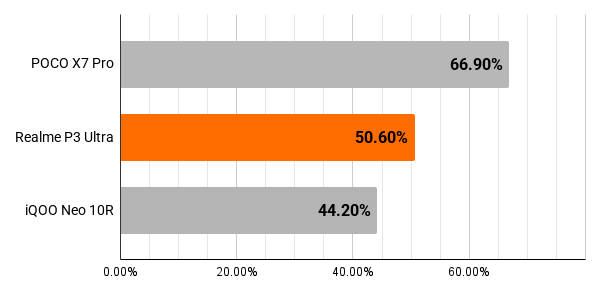
For clarity, the games were set to similar graphics and frame rate settings across all three smartphones. The Realme P3 Ultra delivered consistently smooth gameplay, maintaining frame rates on par with its rivals. Even in BGMI, the phone achieved 90fps in normal graphics mode, which is quite impressive, especially for users who prioritize fluid and responsive gameplay.
Even during everyday use, I experienced no hiccups or lag. The smartphone provided responsive performance and maintained a steady shutter speed when capturing multiple shots in quick succession. So, regardless of the use case, the Realme P3 Ultra will not disappoint. The handset is available in three RAM and storage configurations: 8GB+128GB, 8GB+256GB, and 12GB+256GB. While not industry-leading, the phone boasts relatively fast LPDDR5x RAM and UFS 3.1 storage.
On the software front, the Realme P3 Ultra runs Android 15-based Realme UI 6 straight out of the box. While Realme’s software experience isn’t the cleanest, those familiar with the brand will likely not face an issue. However, it remains difficult to ignore the high number of pre-installed apps. Notably, it comes with fewer pre-installed apps than the POCO X7 Pro and iQOO Neo 10R, but surely a cleaner Android experience is the way forward, as demonstrated by Nothing and Motorola. Its new UI offers refreshed icon designs, enhanced wallpaper depth, a redesigned layout with separate panels for notifications and quick settings, and a suite of AI-driven features for an improved user experience.
| Smartphone | Pre-installed apps | Software updates |
| Realme P3 Ultra | 56 | 2 years major + 3 years security |
| iQOO Neo 10R | 61 | 3 years major + 4 years security |
| POCO X7 Pro | 64 | 3 years major + 4 years security |
Like its rivals, Realme integrates AI-powered features, though they don’t bring anything significantly new to the table. AI Smart Loop suggests relevant actions based on on-screen content, while Circle to Search lets users quickly look up anything visible on their display. For text generation, AI Writer assists in content creation, and AI Recording Summary provides concise summaries of recorded audio.
On the photography front, the device includes powerful AI-enhanced editing tools. AI Eraser removes unwanted elements from photos, AI Best Face refines facial expressions for the perfect shot, and AI Motion Deblur sharpens blurred images for clearer results.
Battery and charging

The Realme P3 Ultra packs a powerful 6,000mAh battery, just like its Pro variant. This remains a commendable achievement considering its slender form.
However, its endurance varies in synthetic benchmark tests. In the PCMark battery test, the device lasted 12 hours and 57 minutes, which is about 2 hours and 30 minutes less than the Realme P3 Pro. Even the battery consumption while streaming a video was on the higher side. Battery consumption was also higher during video streaming, with the P3 Ultra losing 4 percent after a 30-minute video session. In comparison, most competitors consumed just 3 percent over the same duration.
That said, the Realme P3 Ultra battery endurance under intense loads, such as gaming, remains on par with rivals. The phone consumed 6.33 percent battery on average after playing BGMI and Call of Duty for 30 minutes each. Additionally, it supports 80W fast charging, with a compatible charger in the box. This allows the phone to recharge rapidly, going from 20 percent to a full 100 percent in just 41 minutes.
| Smartphone | Battery and charging speed | Charging time (20-100 percent) |
| Realme P3 Ultra | 6,000mAh (80W) | 41 minutes |
| iQOO Neo 10R | 6,400mAh (80W) | 43 minutes |
| POCO X7 Pro | 6,550mAh (90W) | 34 minutes |
If your usage leans towards media consumption, you may find better efficiency elsewhere, but for gaming and general use, the P3 Ultra holds its own.
Final verdict
The Realme P3 Ultra proves its worth for gamers and performance-leaning users, especially in a segment witnessing notable launches from Nothing, iQOO, and others. The Dimensity 8350 Ultra, coupled with effective cooling, makes this phone a strong choice for intense gaming and workloads. The device also boasts a sleek design, with a lightweight build, and excellent battery life, thanks to its large 6,000mAh battery and 80W fast charging speeds, which ensures quick top-ups.
While its camera setup may not be the most versatile, it delivers sharp, detailed images, particularly in daylight and night mode. However, those prioritising top-tier display brightness or long-term software support may want to explore other options, like the Phone 3a Pro. Be that as it may, the Realme P3 Ultra strikes a great balance between power, design, and battery life, making it a strong contender in the mid-premium segment.
Editor’s rating: 8/10
Reasons to buy
- If aesthetics matter, the sleek form factor, lightweight build, and unique Space Silver finish make the P3 Ultra stand out.
- The Dimensity 8350 Ultra, coupled with effective cooling, makes this phone a strong choice for mobile gaming & intensive workloads.
- The dual-camera setup delivers sharp, detailed images in different lighting conditions.
- The large 6,000mAh battery and 80W fast charging make it a reliable choice for heavy users.
Reasons not to buy
- The display’s peak brightness may not be sufficient for those who frequently use their phone under direct sunlight.
- With only two major OS updates promised, the Realme P3 Ultra lags behind brands offering three or more years of software support.