Vivo X300 Ultra launched as the world’s first dual 200MP camera phone, Vivo X300s also debuts


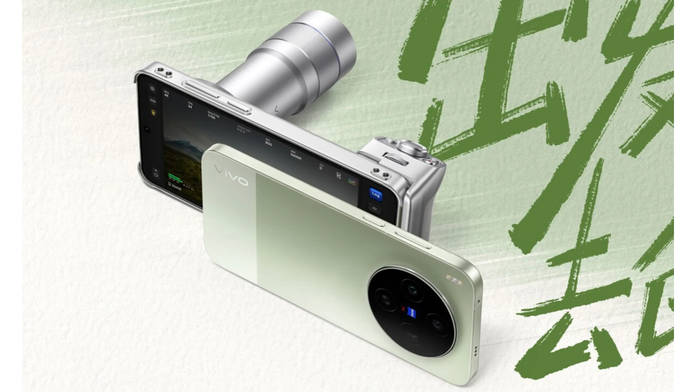
Vivo has launched the Vivo X300 Ultra and Vivo X300s in China, adding two camera-centric flagships to its lineup. The X300 Ultra is the first phone in the world to use two 200MP cameras, one for the main sensor and another for periscope zoom, while the X300s follows a slightly more conventional setup. Both phones are built around Vivo’s partnership with Zeiss, which covers lens design, colour tuning, and overall imaging behaviour.
This is also the first time the Ultra version of Vivo’s flagship X-series will make its way globally and in India. Tipster Abhishek Yadav says the X300 Ultra and a new X300 FE variant could arrive in India around May, although Vivo has not confirmed this yet.
Show Full Article
Vivo X300 Ultra, X300s cameras: the headline feature
The X300 Ultra combines a 200MP main camera with a 200MP periscope telephoto lens and a 50MP ultrawide. With Zeiss tuning and optics in place, the idea is to maintain consistency between standard shots and zoomed images rather than treating them as separate use cases. Vivo’s main competition in this department will be with the OPPO Find X9 Ultra, which is also confirmed to launch soon with two 200MP cameras.
Vivo is also offering teleconverter accessories that extend the zoom range further. The larger attachment reaches a 400mm equivalent focal length with up to 17.4x optical output, while a smaller version is designed to be easier to carry. These accessories are optional, but they show how Vivo is treating the camera system as something that can be expanded rather than fixed.


The X300s uses a 200MP main sensor with Zeiss backing as well, along with a 50MP ultrawide and a 50MP periscope telephoto with up to 3x optical zoom. It also supports a compact teleconverter, but the setup is closer to what most users would expect from a flagship phone. Compared to devices like the Samsung Galaxy S26 Ultra and the Xiaomi 17 Ultra, which rely more on processing and sensor tuning, Vivo is placing more weight on resolution and optical extensions.
Vivo X300 Ultra, X300s design and other specifications
Both the Vivo X300 Ultra and Vivo X300s stick to a clean, camera-first design without trying too hard to look different. The X300 Ultra uses a flat-edged frame around display, and despite packing dual 200MP sensors and a 7,000mAh battery, the rear camera module doesn’t feel oversized or out of place. It comes in Film Green, Silver Tone, and Black, covering everything from subtle finishes to more polished looks.
The X300s follows a similar design language but feels a bit lighter visually. It adds slightly more playful colour options with Dream Core Purple alongside Film Green and Silver. It’s still in line with the Ultra, just a bit less serious in its presentation. Both phones carry Zeiss branding on the back, have slim bezels up front, and keep things fairly restrained overall. The optional teleconverter accessories add a different layer to the design, making the setup feel closer to a camera tool than just another smartphone.
The X300 Ultra features a 6.82-inch LTPO OLED display with a 120Hz refresh rate, while the X300s uses a 6.78-inch AMOLED display with a 1.5K resolution and a 144Hz refresh rate. This makes the X300s more responsive in scenarios like gaming or fast scrolling.


The X300 Ultra runs on Qualcomm’s Snapdragon 8 Elite Gen 5, paired with up to 16GB RAM and 1TB storage. This places it at the top end of current Android hardware. The X300s uses the MediaTek Dimensity 9500, which still sits in the flagship category but slightly below Qualcomm’s top chip. It also includes Vivo’s V3+ imaging chip for camera-related processing.
Battery capacity is standard as per the current baseline. The X300 Ultra packs a 7,000mAh battery with 100W wired and 40W wireless charging, while the X300s includes a 7,100mAh battery with 90W wired and 40W wireless support.
Vivo X300 Ultra, X300s pricing in ultra-flagship territory
The Vivo X300 Ultra starts at CNY 6,999 (around Rs 95,900) and goes up to CNY 8,999 (around Rs 1.23 lakh). This is the same starting price as the Xiaomi 17 Ultra. The X300s starts at CNY 4,999 (around Rs 68,500) and goes up to CNY 6,999 (around Rs 95,900). Vivo is also offering camera accessories separately, including teleconverter bundles and a video kit developed with SmallRig. These are optional but add to the overall cost if you want to use the camera system more extensively.
The X300 Ultra is designed for users who want more control over zoom and are willing to use accessories to get it. The dual 200MP setup and teleconverter support give it more flexibility than most phones, but they also make it more specialised. The X300s offers a high-resolution camera, large battery, and fast display without requiring additional accessories.
For buyers comparing options, phones like the Samsung Galaxy S26 Ultra and Xiaomi 17 Ultra may still offer more consistent results across different scenarios. Vivo’s devices may stand out more in cases where zoom flexibility and high-resolution output matter.