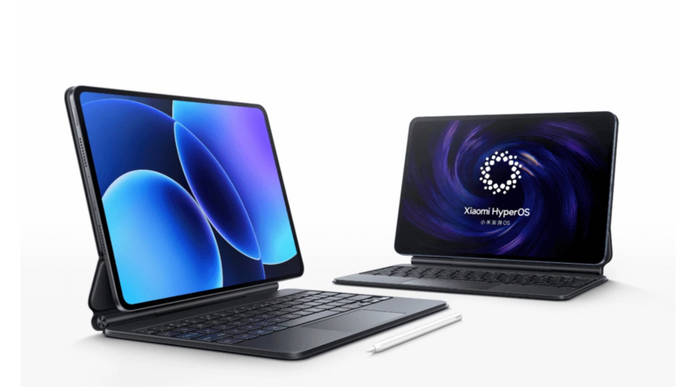
Xiaomi has confirmed that its next flagship tablet, the Xiaomi Pad 8, will launch in India on February 28th at 6.30 PM IST, alongside the Xiaomi 17 and 17 Ultra. A live Amazon landing page has already revealed some key details, including a Snapdragon 8s Gen 4 processor and a 9,200mAh battery. Pricing and availability will be announced later.
The Snapdragon 8s Gen 4, introduced in 2025, sits in Qualcomm’s premium sub-flagship tier. This positioning suggests Xiaomi is targeting users who want near-flagship power for gaming, multitasking, and creative work without stepping into ultra-premium pricing. The Amazon listing also confirms support for Xiaomi’s Focus Pen Pro stylus and a Focus Keyboard accessory with backlit keys and a gesture-enabled touchpad, signalling productivity use cases.
If the Indian model mirrors the Chinese variant, the Pad 8 will feature an 11.2-inch display with 3.2K resolution and a 144Hz refresh rate, along with DC dimming and TÜV Rheinland eye protection. Audio could be handled by a quad-speaker setup with Dolby Atmos, while connectivity options could include Wi-Fi 7, Bluetooth 5.4, and USB Type-C. The Chinese version also launched with up to 12GB of RAM and 256GB of storage, a 13MP rear camera, and an 8MP front camera. The tablet measures 5.75 mm thick and weighs around 485 gms, making it relatively slim and portable for its class. Xiaomi lists 45W fast charging for the 9,200mAh battery in India, though the Chinese model supports faster charging, leaving some uncertainty about final specifications.
In India’s tablet market, the Pad 8 will compete with devices around the Rs 30,000 mark in India, such as the OnePlus Pad Go 2, Samsung Galaxy Tab S10 Lite, and the Moto Pad 60 Pro. Samsung and Apple continue to dominate with strong ecosystem integration and long-term software support, while OnePlus has focussed on value and clean software. Xiaomi’s approach combines a high refresh rate display with aggressive pricing, which has historically resonated with buyers seeking performance on a budget.
If Xiaomi keeps the Pad 8 within reach of the premium mid-range segment, it could appeal to students, gamers, and professionals looking for a laptop companion with stylus support. However, if pricing creeps too close to entry-level iPad territory, buyers may weigh Apple’s app ecosystem and resale value against Xiaomi’s hardware advantages.
The Xiaomi Pad 8 looks positioned as a performance and gaming-oriented Android tablet with productivity ambitions. Those invested in Android ecosystems or looking for high refresh rate displays and stylus input may find it compelling. Others who prioritise long-term software support or tightly integrated ecosystems may still lean toward Samsung or Apple alternatives.